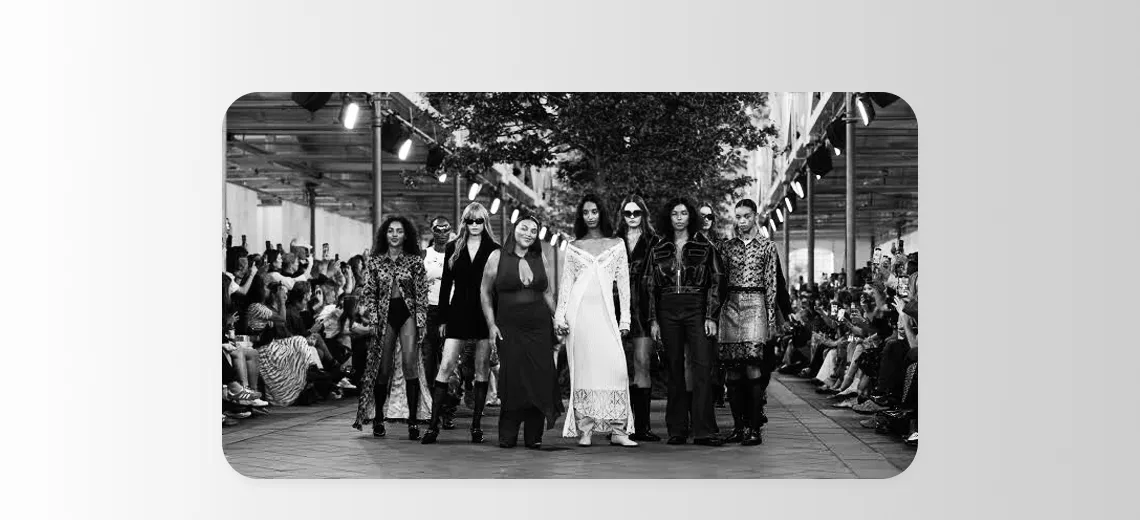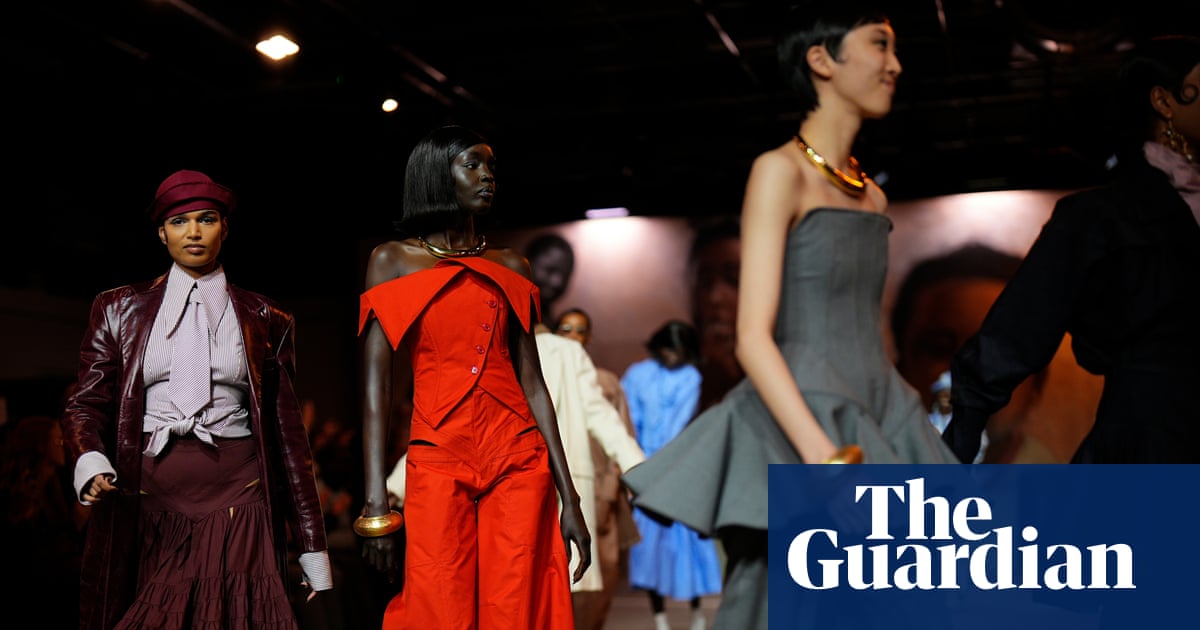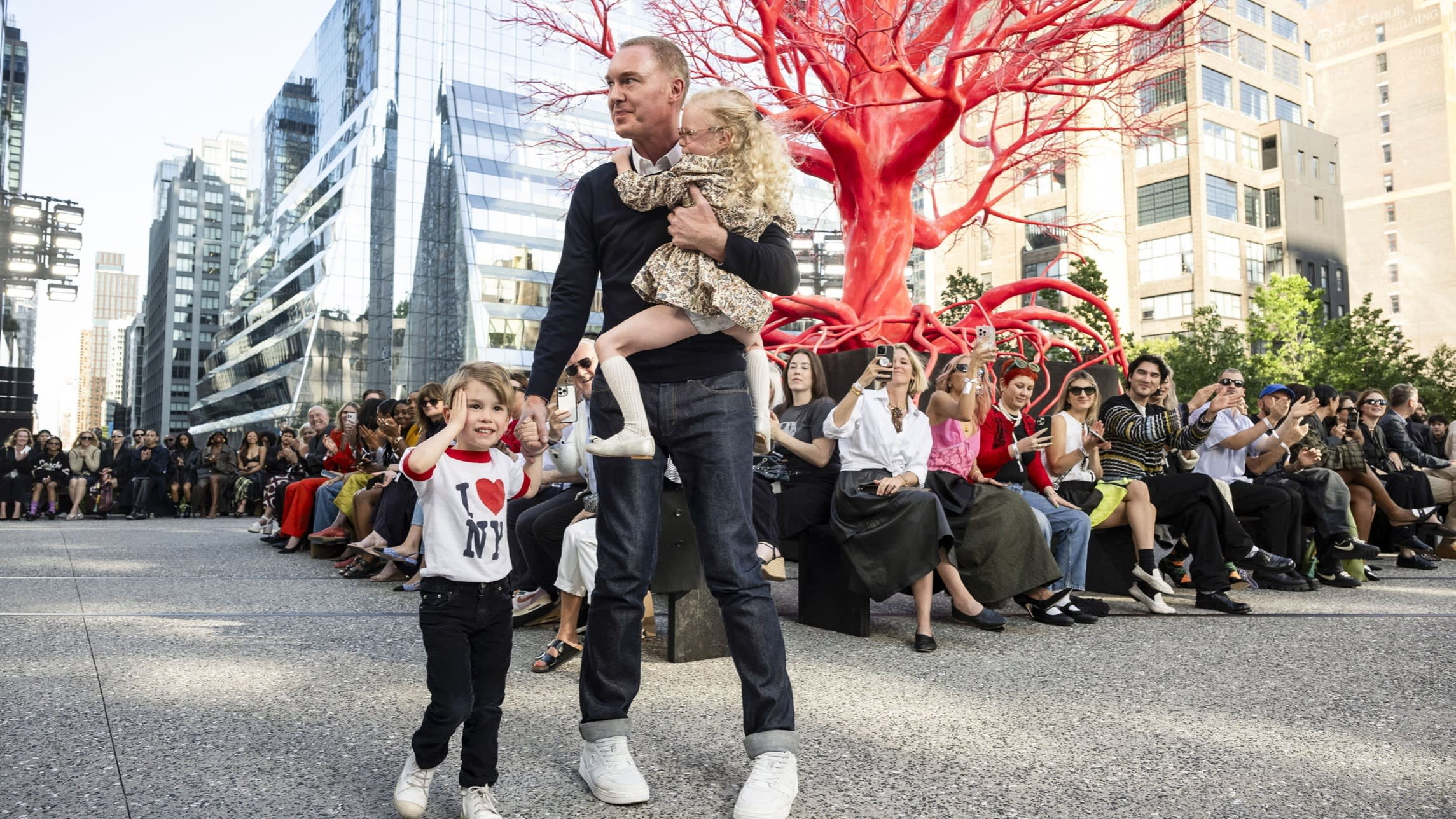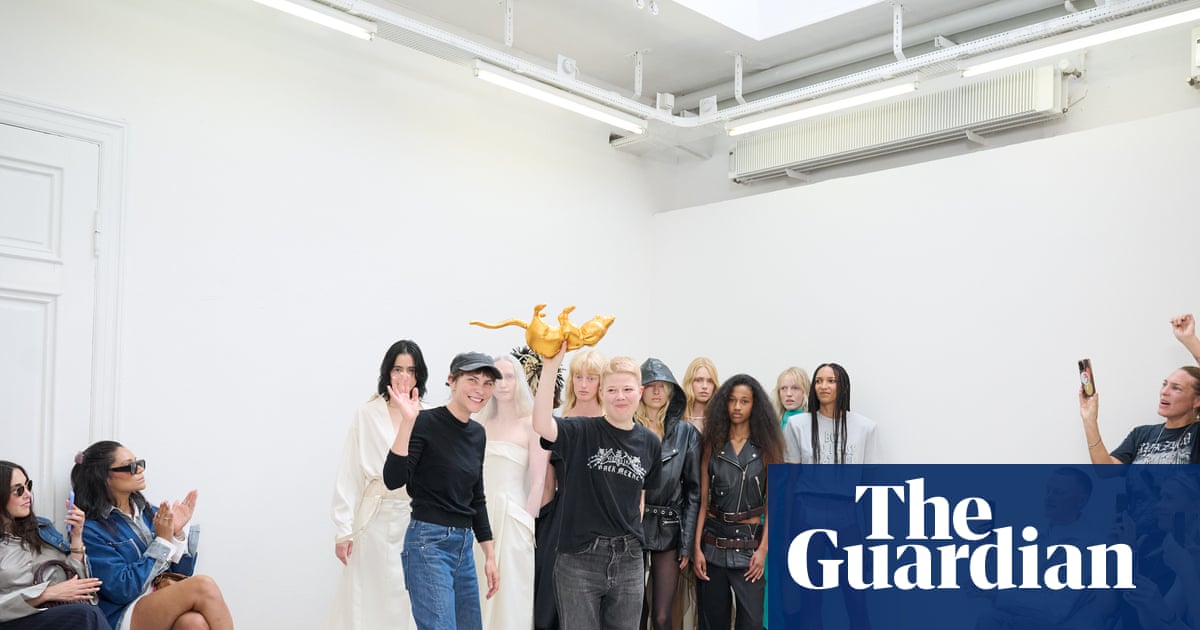
In an industry dominated by male creative directors, a quiet shift is taking place in Copenhagen, where women are not only leading labels but redefining what success looks like
F
ootball fans will be familiar with the manager musical chairs, but fashion has been strangely similar over the last year. Since mid-2024 there have been 17 new designers appointed to head up houses including Gucci and Dior. But, in an industry fuelled by womenswear, just four of these appointments have been women.
And there are other depressing statistics. Of the top 30 luxury brands in the Vogue Business Index, a mere five creative directors are women. At Kering, the luxury conglomerate that owns Balenciaga and Valentino, there is just one: Louise Trotter at Bottega Veneta. At LVMH, the fashion behemoth that counts Loewe and Dior among its brands, again, just one label is helmed by a woman – Sarah Burton at Givenchy.
There’s more. In February, research by 1Granary found that 74% of students at top fashion programmes are female, yet 88% of fashion’s top designer roles are held by men. The last time a woman won designer of the year at the Fashion awards was in 2012. And it’s not just designers. The majority of those in positions of power at brands, such as CEOs and executives, are also male.