We and our vendors use cookies and similar methods (“Cookies”) to recognize visitors and remember their preferences. We also use Cookies for a variety of purposes, including analytics, to measure marketing effectiveness and to target and measure the effectiveness of ads. You can accept or reject the use of Cookies for individual purposes below. Some vendors process your data on the basis of their legitimate interest - you can object to such processing below. Your preferences will be saved in a cookie named “fides_consent” for a maximum duration of 12 months, as well as in your registered user account if you are logged in. If you previously accepted these methods through our prior banner, then we will use your data for targeting. Your preferences will apply on nytimes.com, as well as our News, Cooking, Games and Audio apps. Your preferences here are unrelated to Apple’s App Tracking Transparency Framework.
By Vanessa Friedman
Visuals By Federico Sorrentino
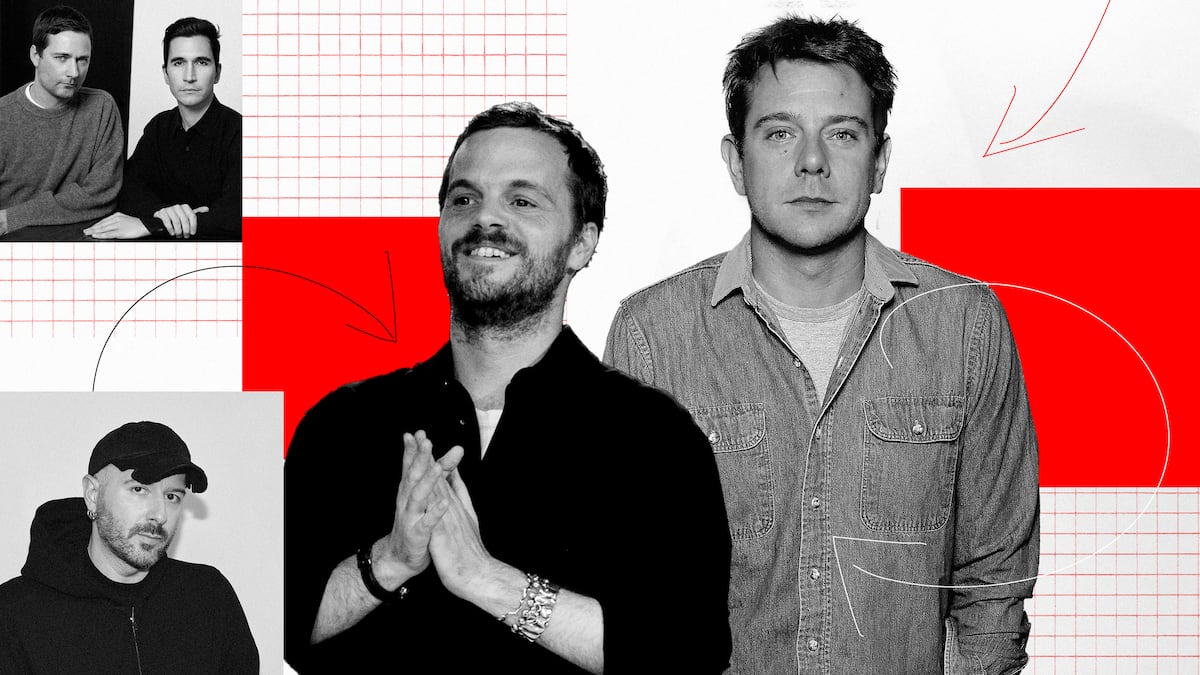
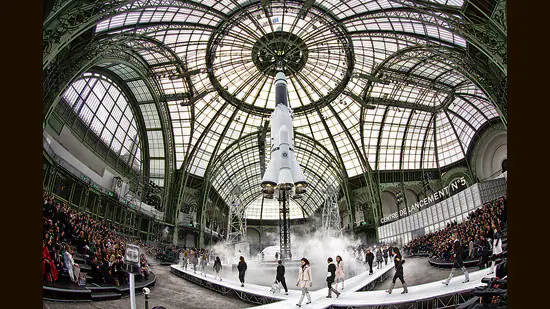
Welcome to the season of seismic fashion change. The tectonic plates of the industry are shifting, remaking the landscape in a way that hasn’t been seen since … well, ever. This year almost 20 fashion houses, including some of the most famous, influential names (Chanel, Dior, Gucci, Balenciaga), appointed new designers, meaning the clothes you see in stores or on the street, or when you’re immersed in the endless digital scroll, will soon be very different.