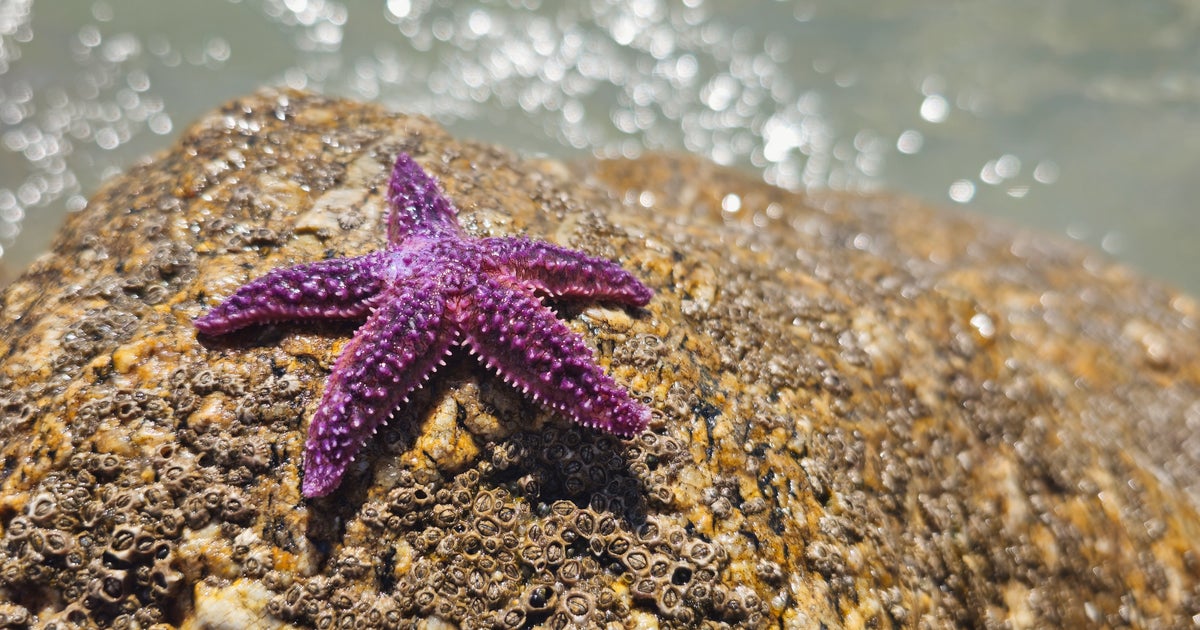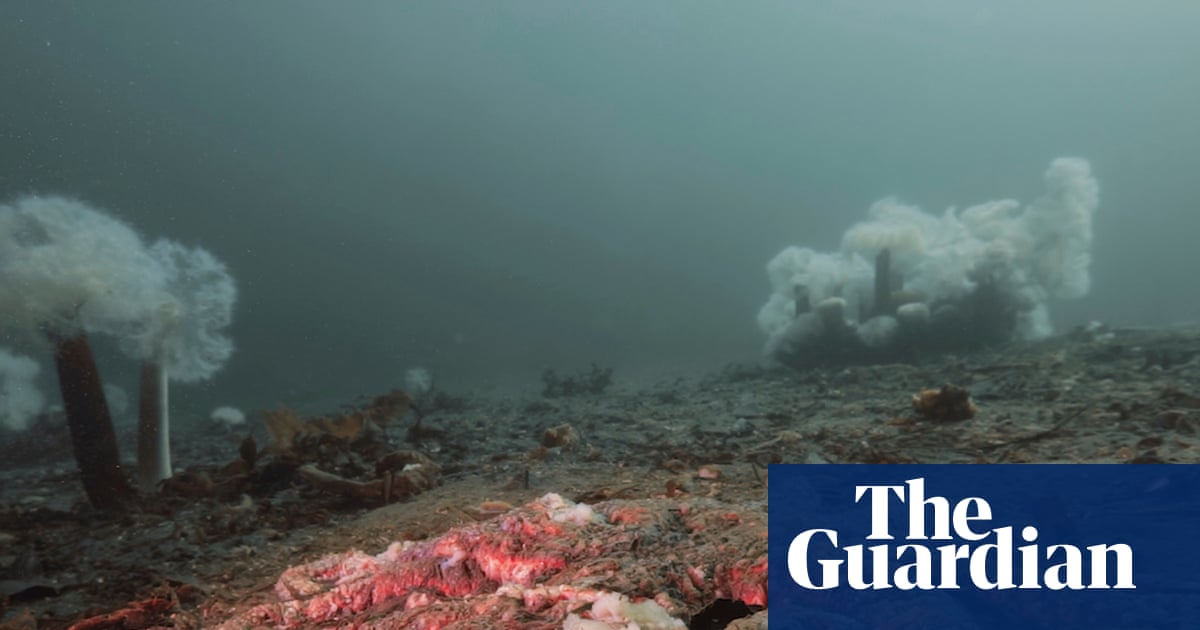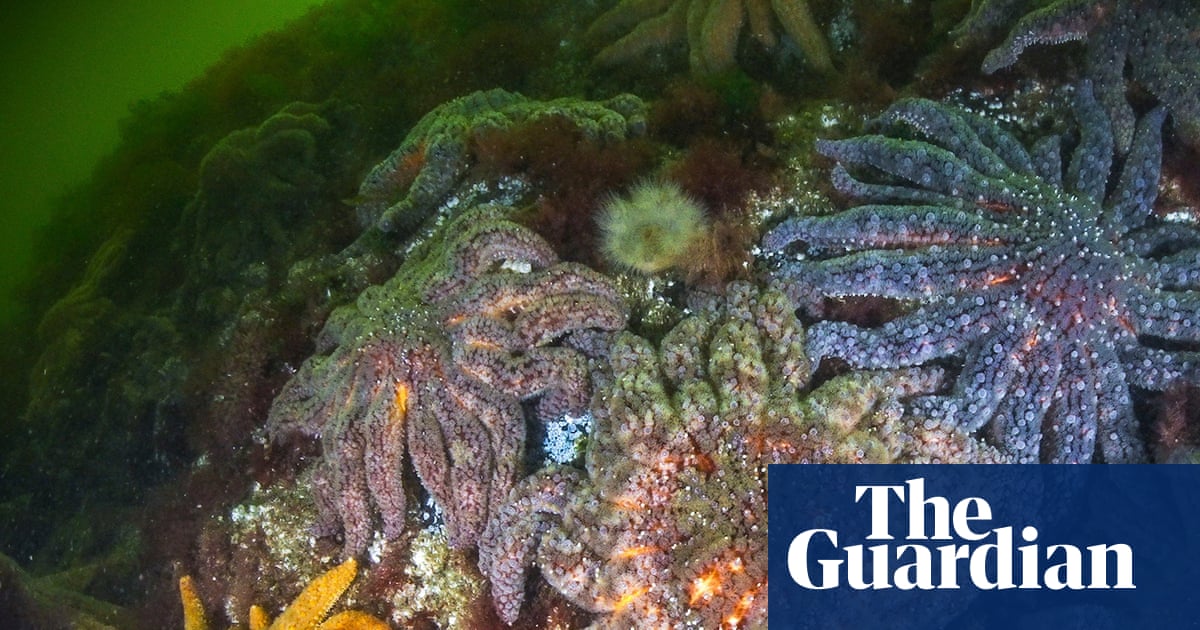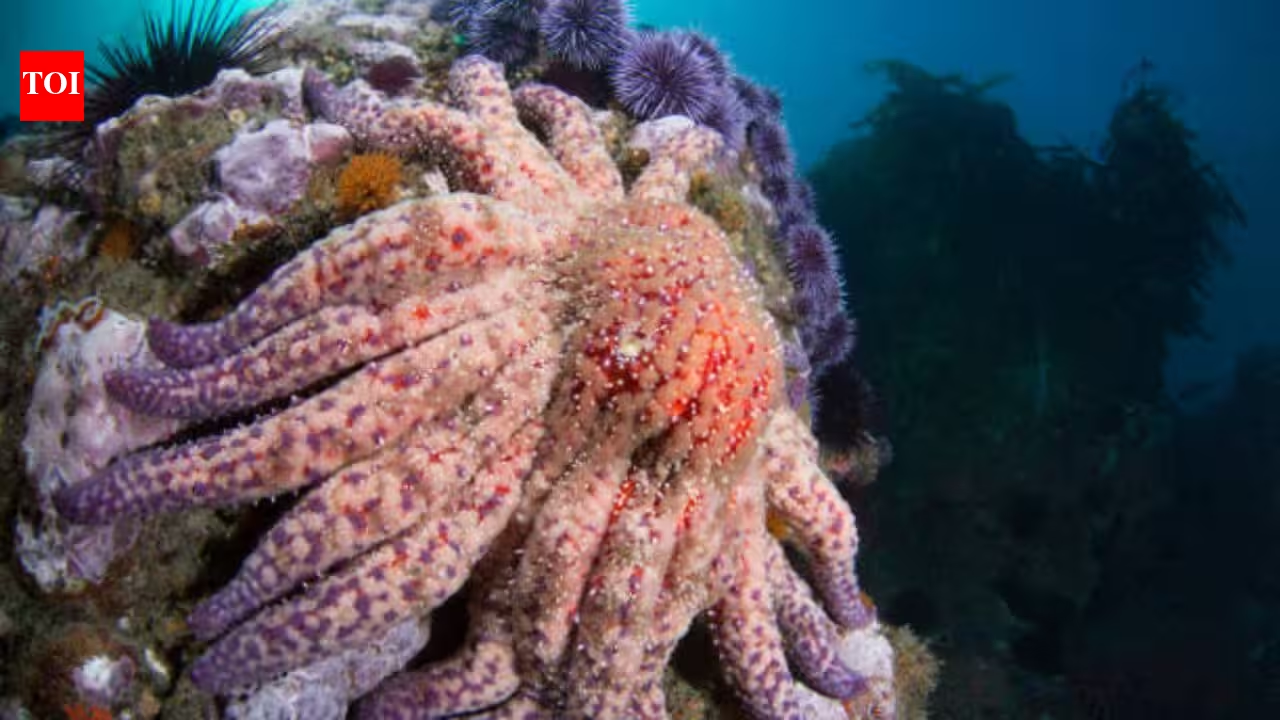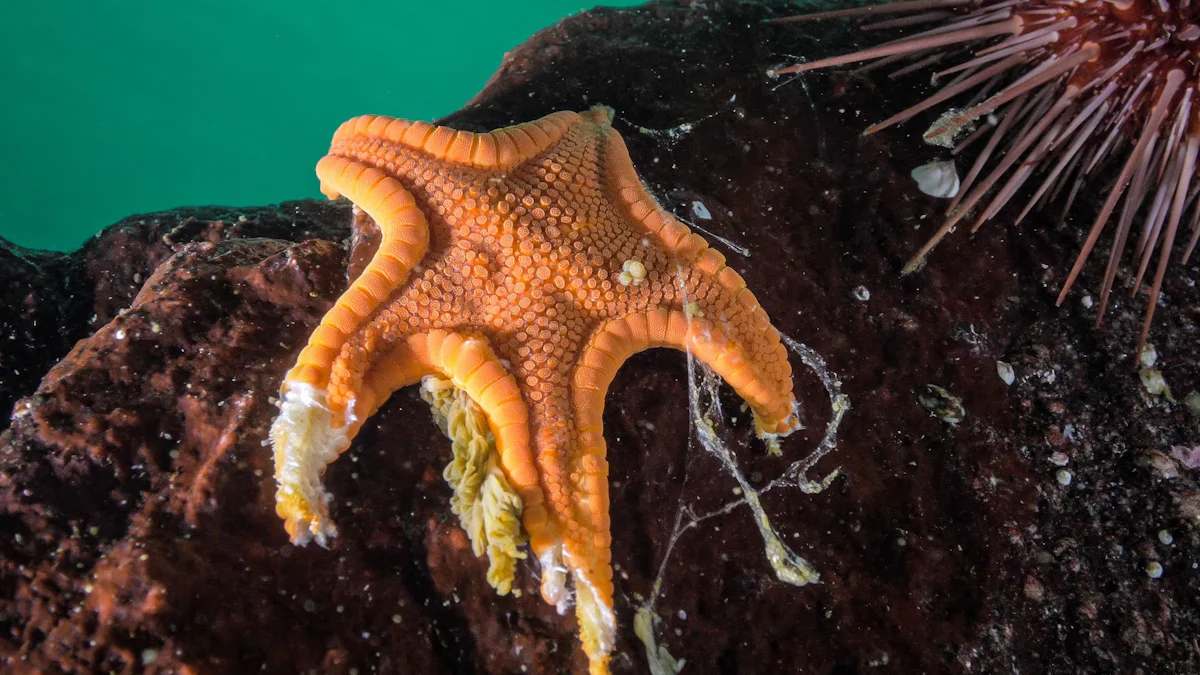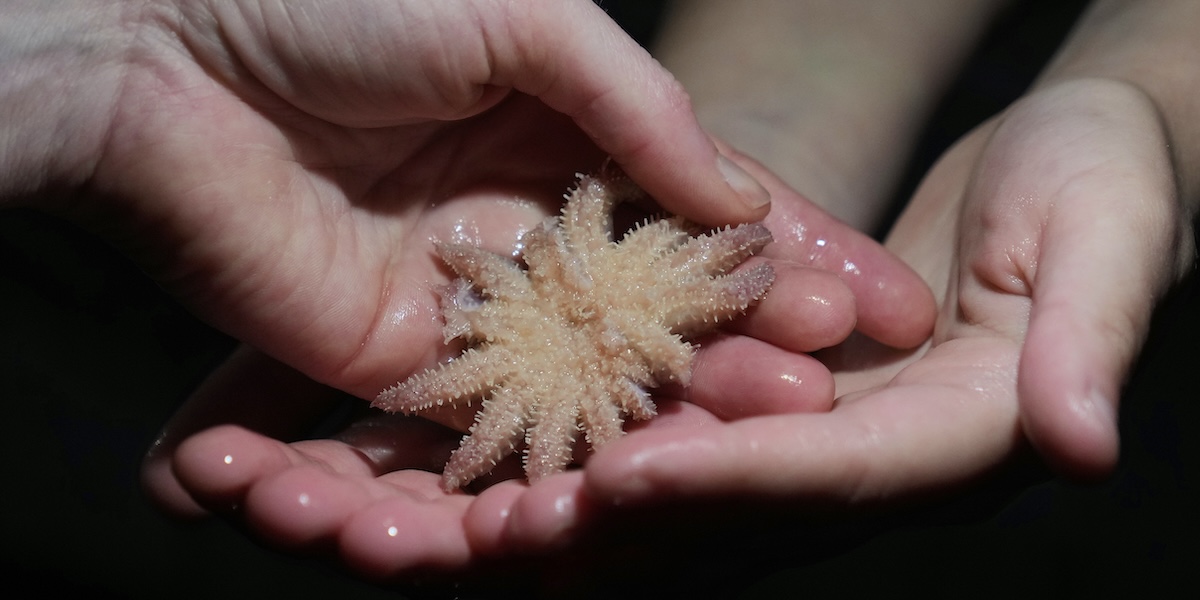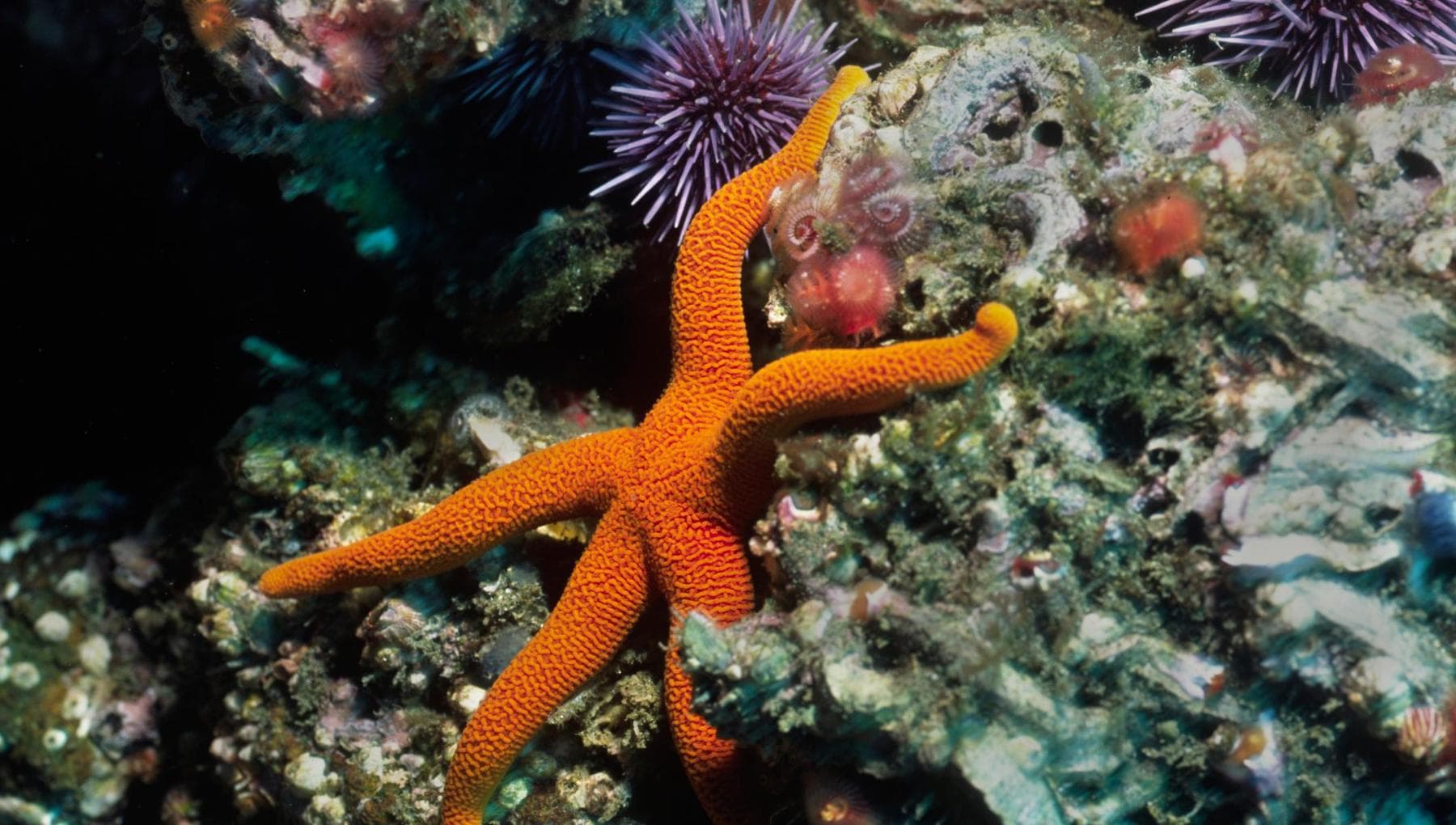
More than a decade after a mysterious sickness began killing billions of sea stars off the Pacific Coast, scientists say they've identified the bacteria that causes the deadly disease.
A team of at least 15 scientists from a half-dozen organizations collaborated on the research, hoping to figure out what had killed the sea stars. Solving that riddle would allow work to begin on recovering the species and the ecosystems harmed by their decline.
After four years of testing the creatures and scrutinizing the results of their DNA analyses, the researchers found a bacteria always present on the sick sea stars that wasn't on healthy ones.
The study raises hopes for a brighter future for sea stars, for potential treatments and for possibly restoring the kelp forests that relied on them to keep sea urchins under control, said two of its co-authors, Melanie Prentice and Alyssa Gehman, colleagues at the Hakai Institute in British Columbia and the University of British Columbia. The study announcing the project's results was published Aug. 4 in the journal “Nature Ecoloy and Evolution.”
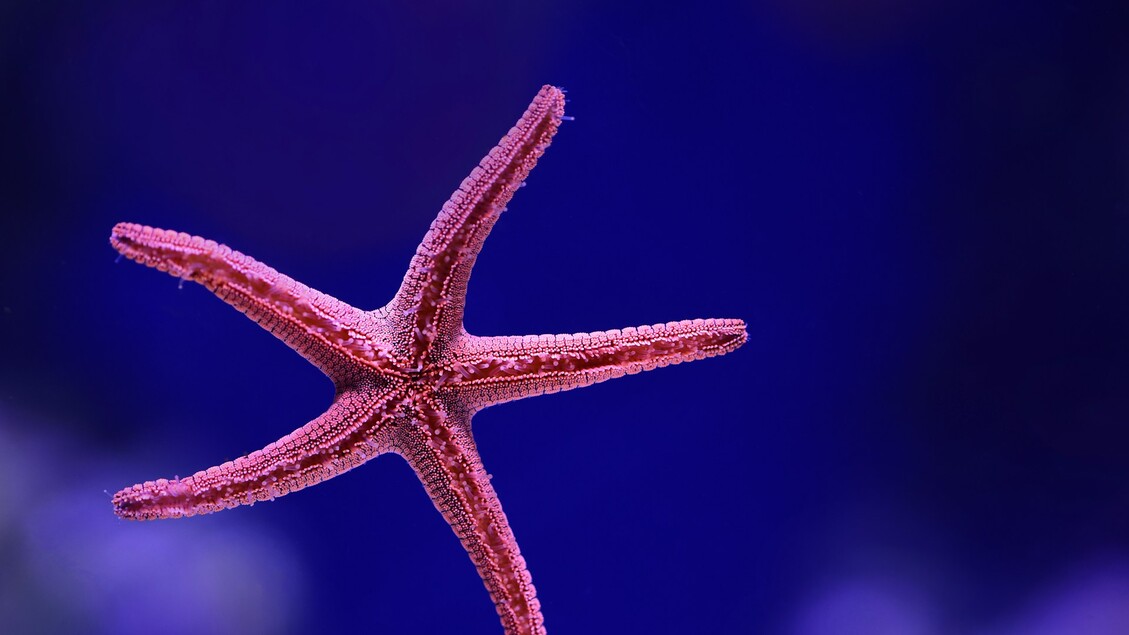
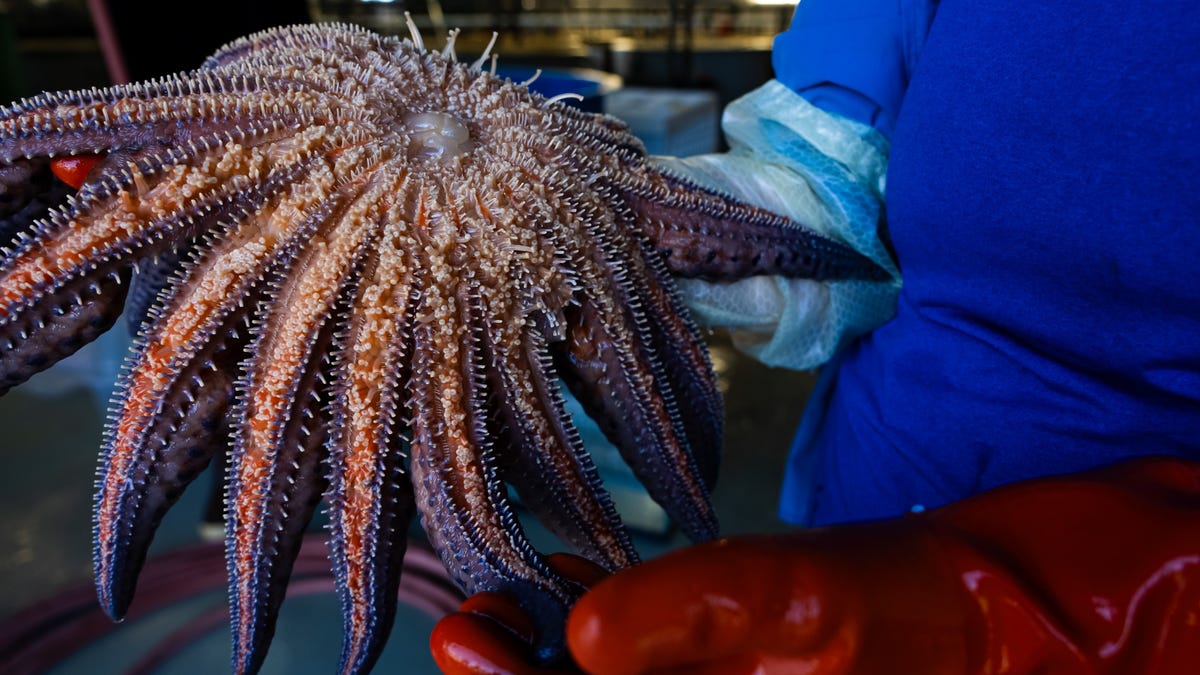
Although most people think of the star-shaped animals as starfish, and some of them are even named starfish, scientists call them “sea stars” because they’re not fish. They're a group of animals, including sea cucumbers and sea urchins, called echinoderms.