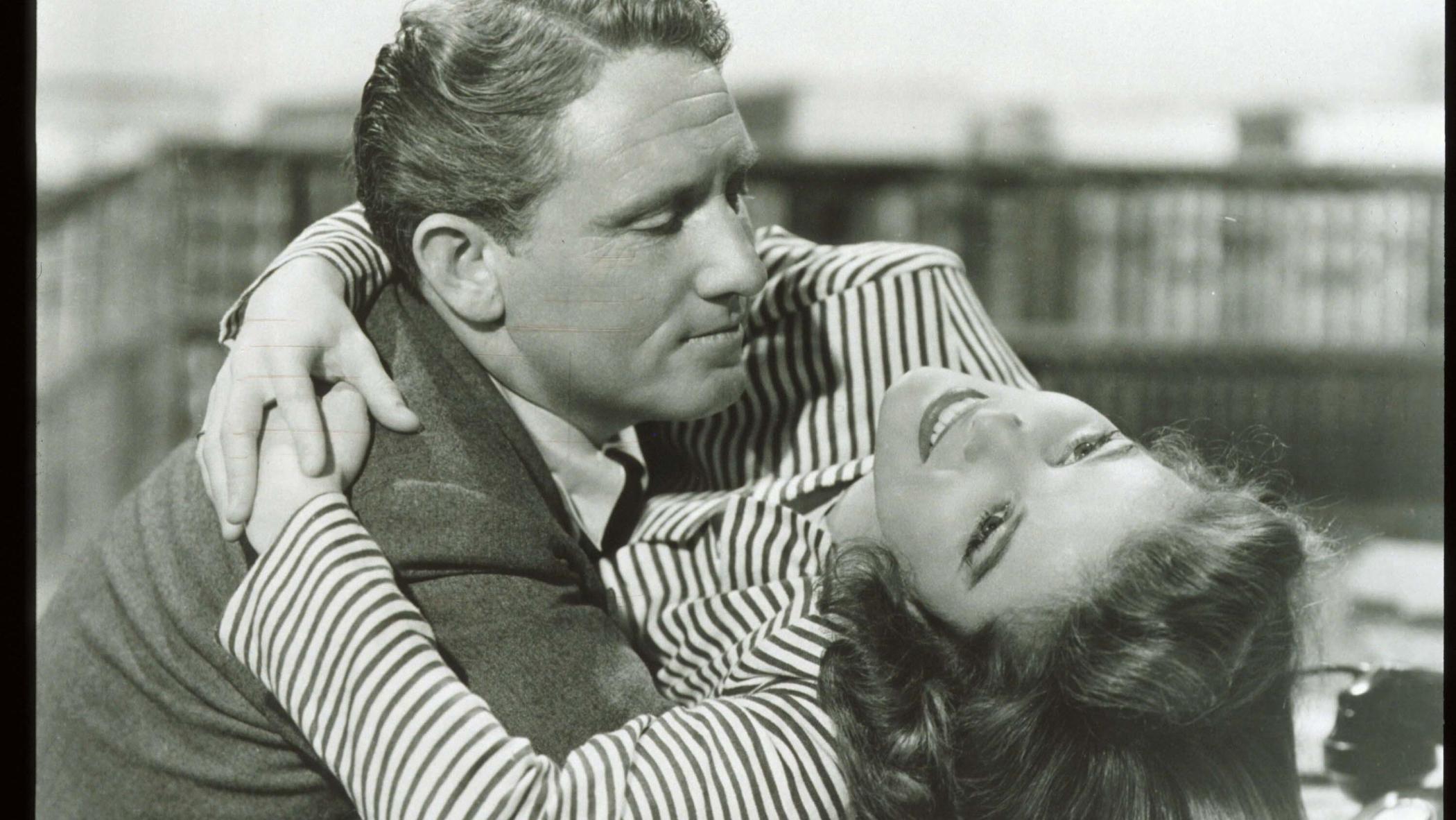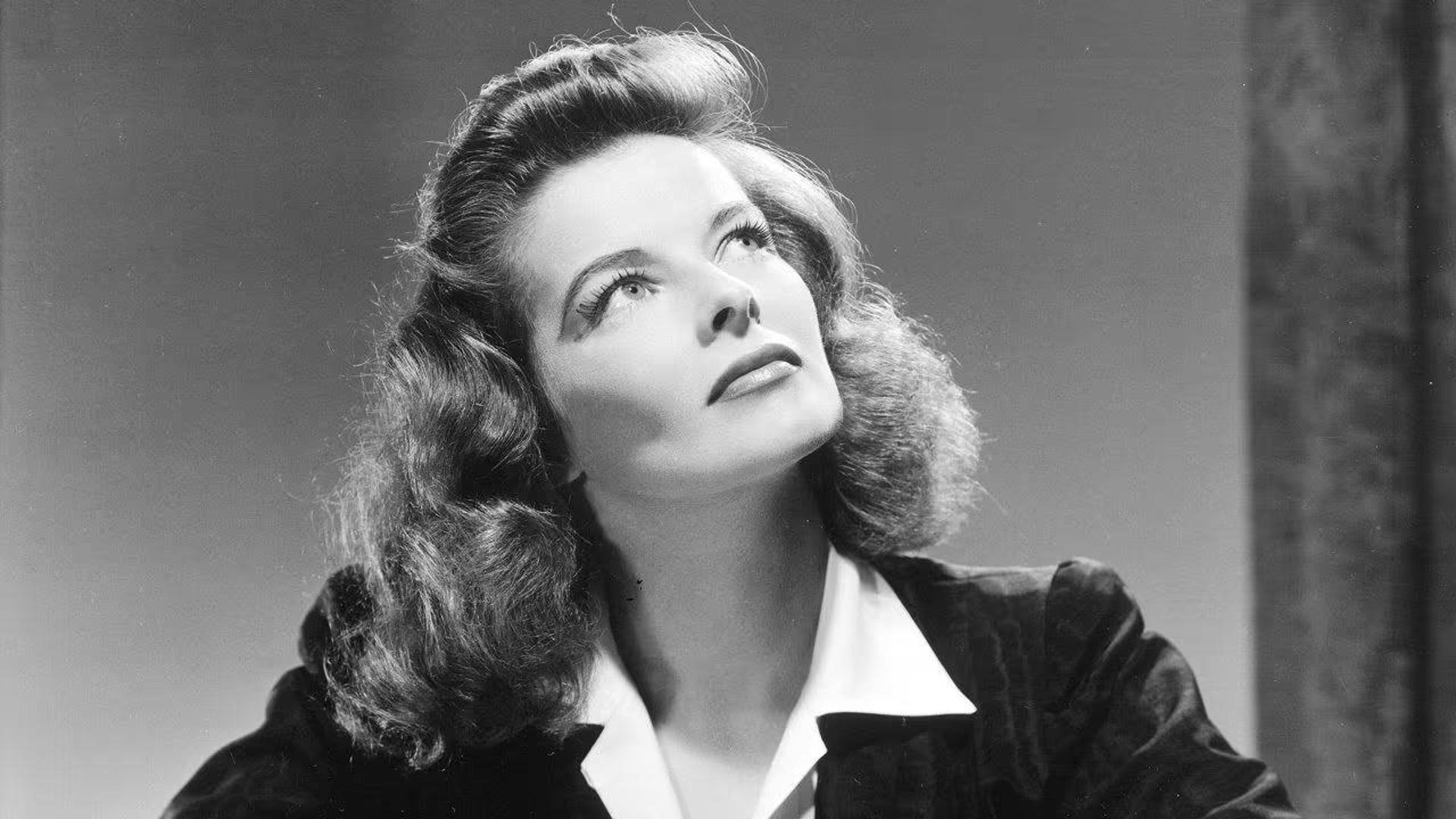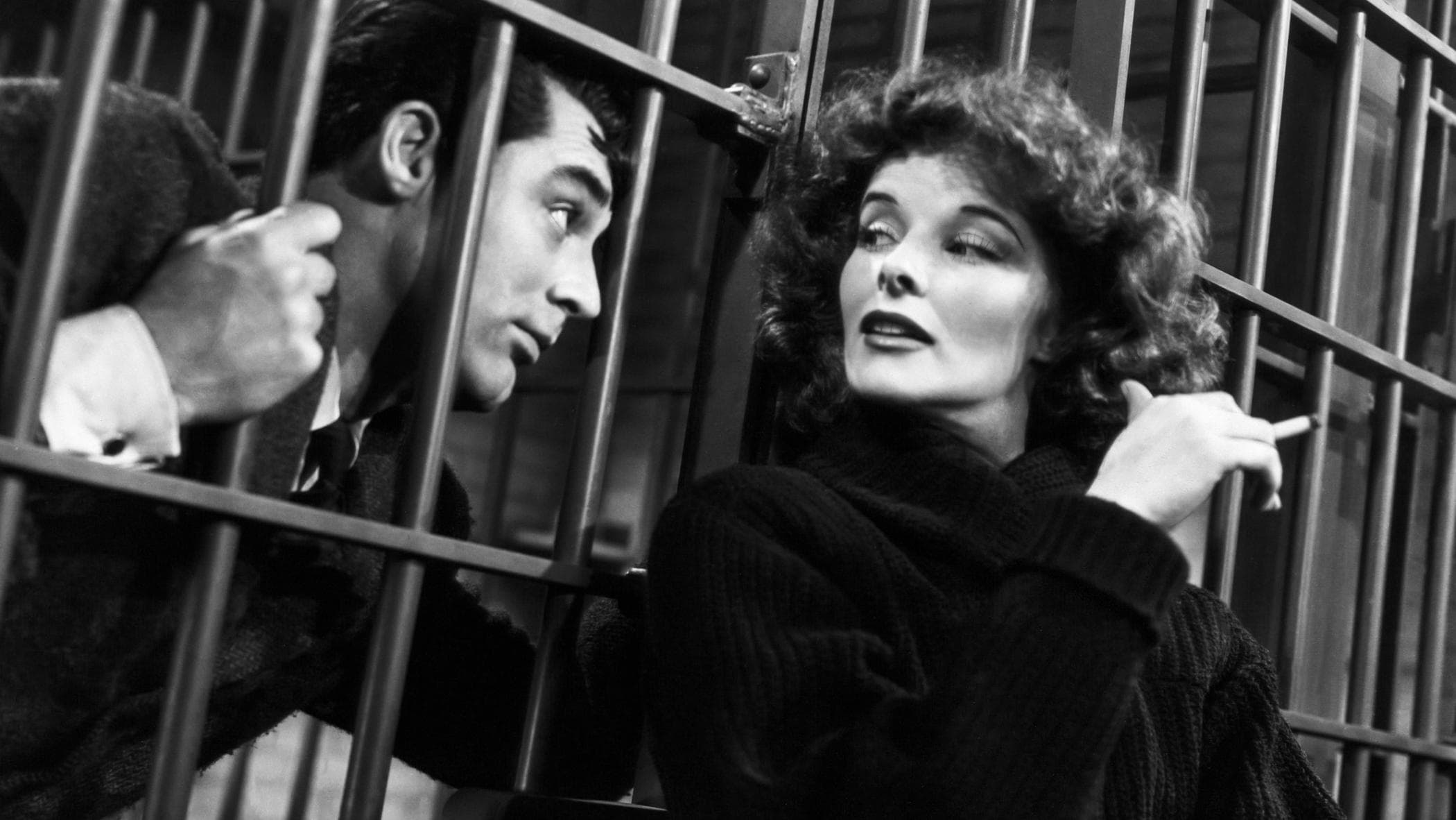
As a stuck-up socialite tangled in a love triangle, Hepburn delivers one of the most memorable screwball heroines – and we can’t help but love her
T
hese days, Katharine Hepburn is revered as a progressive icon of Hollywood’s golden age, an androgynous (and possibly queer) fashion rebel whose seven best actress awards have yet to be topped at the Oscars. But back in 1938, only six years into her illustrious career, she was branded as “box office poison”.
She was a star ahead of her time, her domineering screen presence registering as shrill and petulant by the tail end of the 1930s. After the box office disappointments of Bringing up Baby and Holiday – both now canonised romcom classics – she retreated from Hollywood and signed on to a new play penned by her friend Philip Barry: The Philadelphia Story.
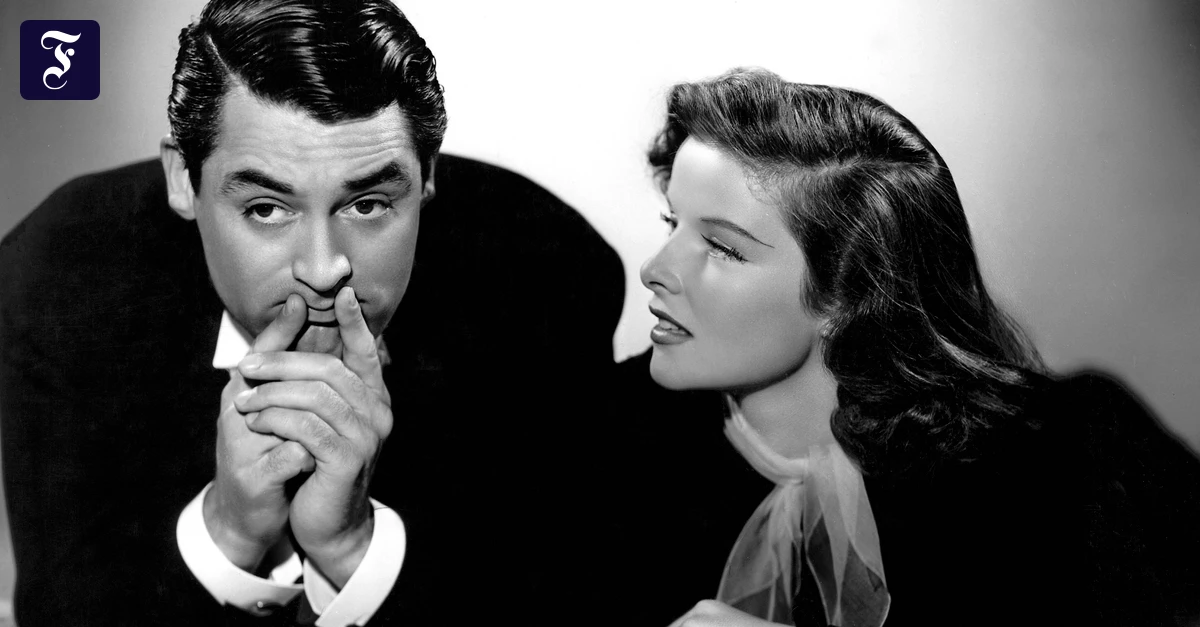
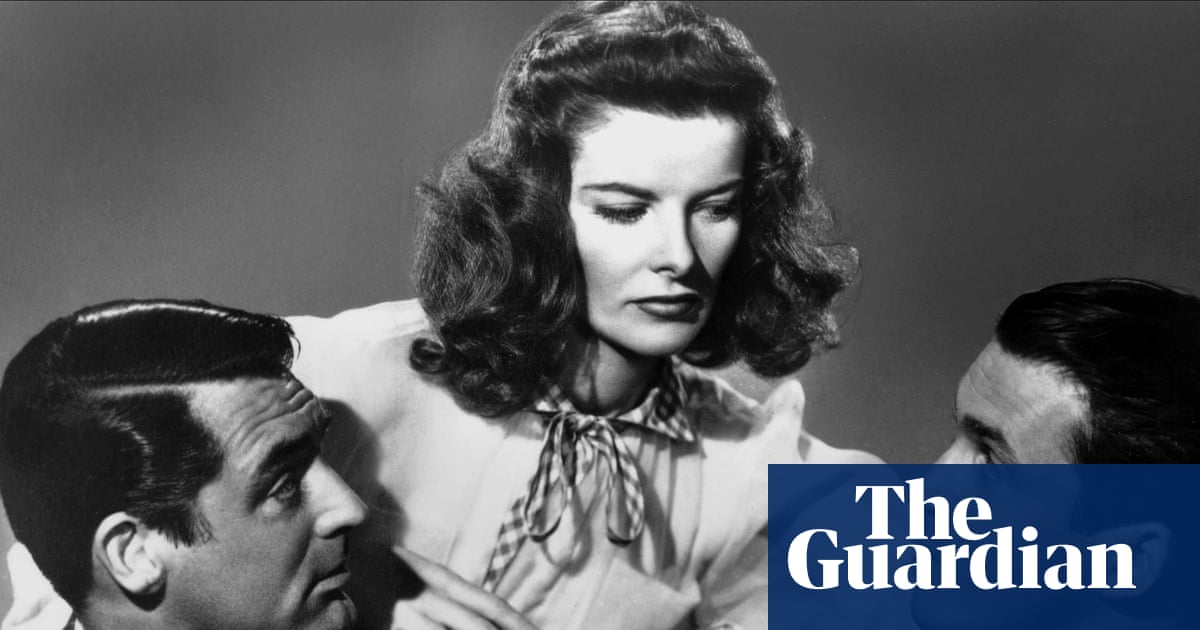
Like its film adaptation, Barry’s script centres on Tracy Lord, a stuck-up socialite (easily read as a stand-in for Hepburn herself) set to marry a wealthy politician, only for the wedding to be upended by the arrival of two competing romantic prospects: her ex-husband, CK Dexter Haven, and tabloid reporter Mike Connor.