The latest in our ongoing series of writers picking their comfort watches is an appreciation of Doris Day’s rule-defying heroine
T
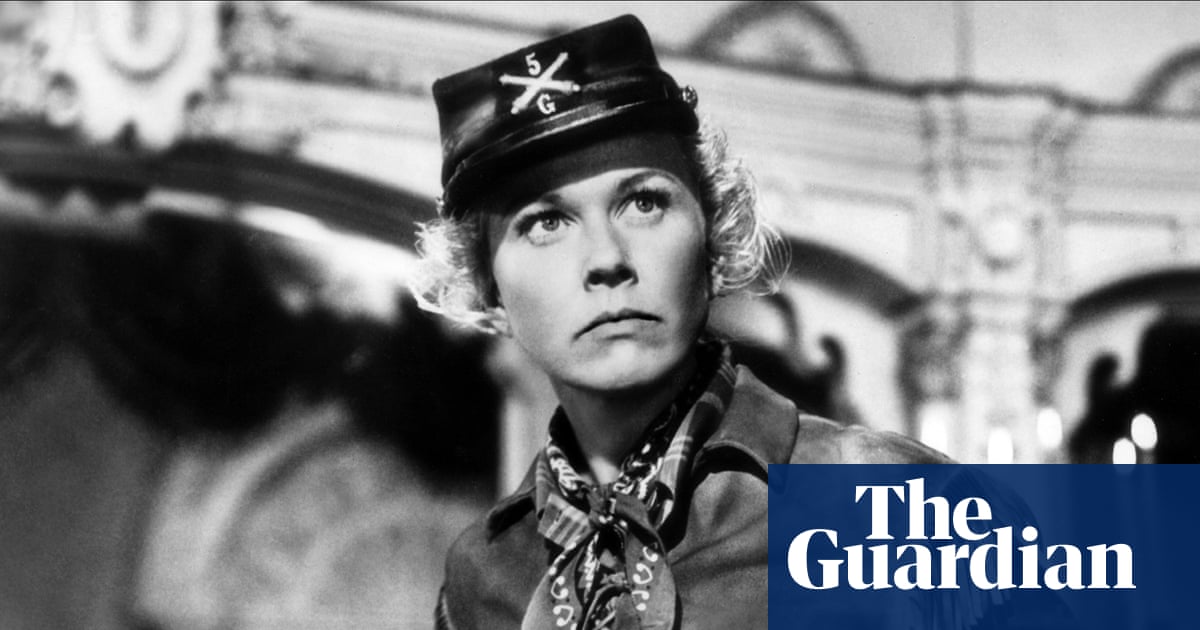
here was a real vogue for gunslinging heroines back in mid-20th century American cinema. Gene Tierney wrangled civil war rebels in Belle Starr. Betty Hutton pranced around with a shotgun in a sparkly red cowgirl get-up, alongside a cowhide-wearing Howard Keel, in Annie Get Your Gun. But cinemagoers were thrown a curveball three years later when they got Doris Day – again with baritone sidekick Keel in tow – dressed, wise-cracking and swaggering exactly like a man.
Admittedly, when I first saw Calamity Jane aged nine, I was also not immediately sold. Not because of Day’s gender non-conformity, which had me hooked, but because of the bizarreness of the pseudo-biopic’s synopsis and its grating musical numbers. The New York Times had a point when they deemed it “shrill and preposterous”. Then there was the fact that on first look it appeared to be a western. Part crooning romcom, part frontier drama, it’s a strange beast of a film, but I was soon won over.
Sometime in the 1870s, Calamity Jane resides in a Dakota saloon town appropriately named Deadwood. We first meet her as the opening credits roll, galloping home, squawking the unlikely refrain “whip crack-away” – the first of many annoying but infectious ditties – before she arrives and melodically introduces Deadwood’s denizens – oddly lacking women – including Wild Bill (Keel). Calamity, who has a hot head and a big mouth, sees the frequenters of her favourite haunt, the Golden Garter, drooling over a “cigar-eet” packet picture of actor Adelaid Adams (Gale Robbins). In an effort to impress her pals, she promises she’ll bring the vaudevillian from “Chicagi” to the backwater town and much chaos ensues.