The latest in our ongoing series of writers recommending their favourite comfort watches is a pick for 1971’s unusual romantic comedy
T
he best films give you something to take away. Not just a moral message, or some sort of transcendental teaching about the world. But a tangible thing you can find meaning in long after the credits have rolled, holding space in the corners of your mind like a cultural souvenir you’ve popped on the shelf.
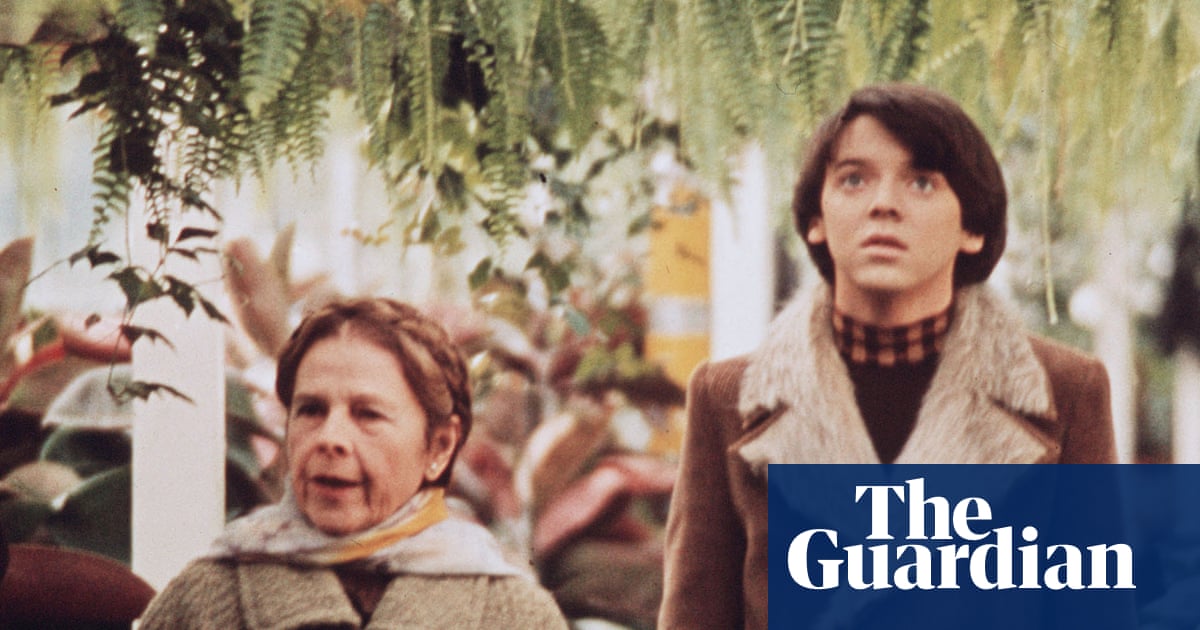
For me, this usually takes the form of a song or an artist. Sometimes, it’s a place or a quote. Very occasionally, it’s an outfit. Rarely does anything give me all of the above. But Harold and Maude is special, offering a goodie bag of miscellaneous feel-good delights that instantly transport me somewhere joyful.
This may sound far-fetched for a film about a wealthy young man obsessed with suicide. And yet, tonal dichotomy is all part of Harold and Maude’s magic – and the reason why the 1971 film is considered a cult classic. The story begins with Harold staging one of his faux suicides, which his glacial upper-class mother responds to with an eye roll, reminding him that she’s hosting a dinner party at 8pm. “Do try and be a little more vivacious,” she sneers while her depressive son plays dead.