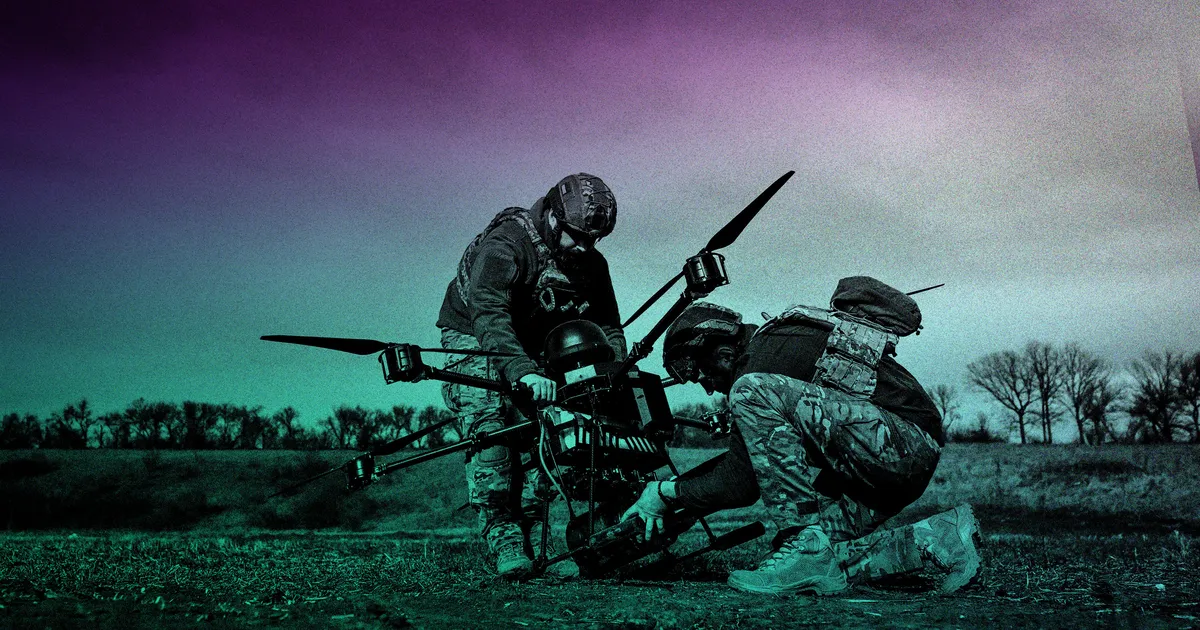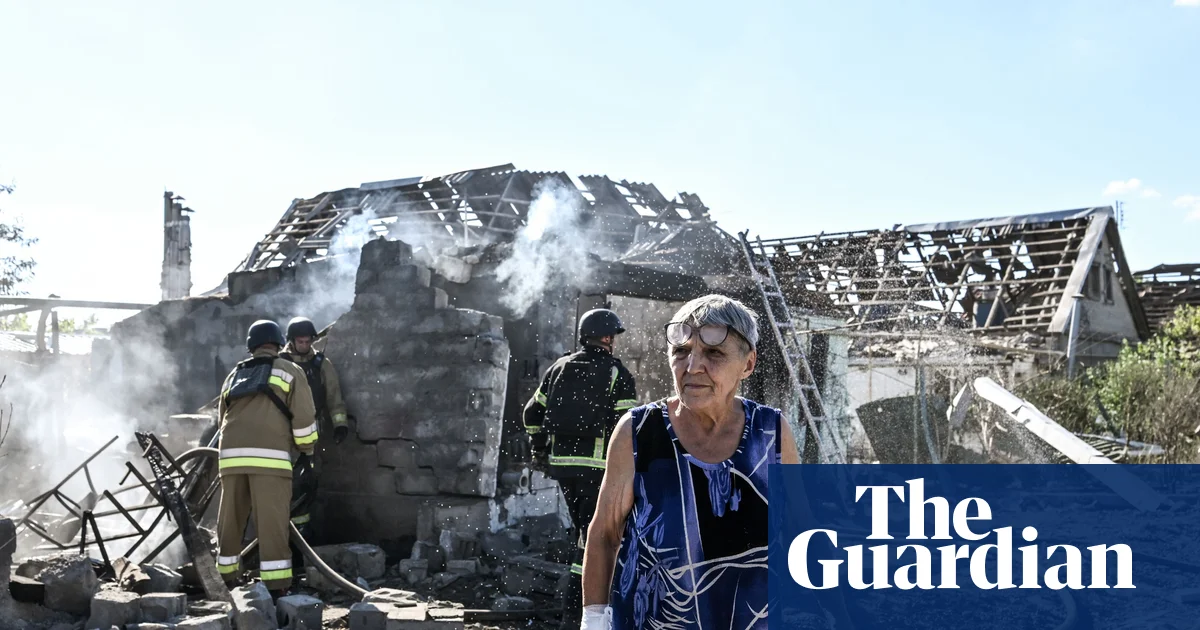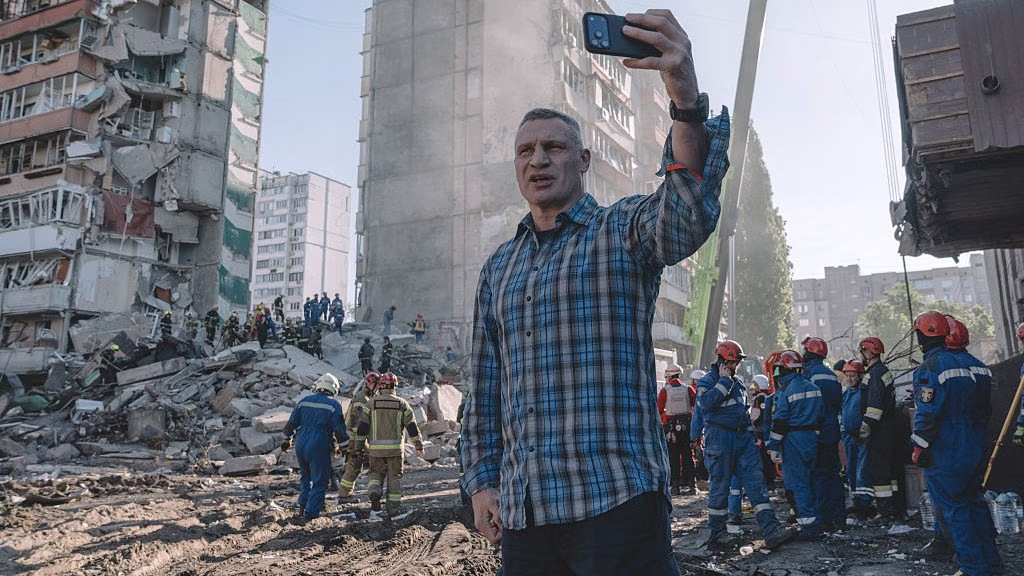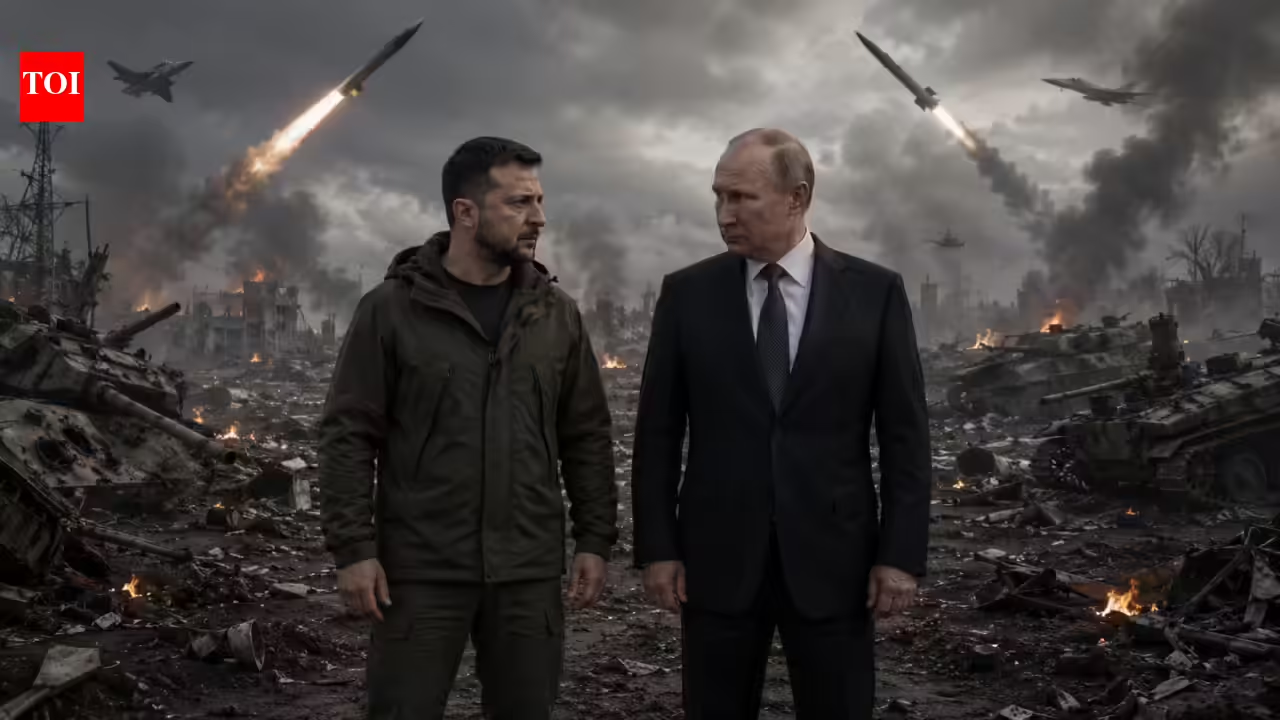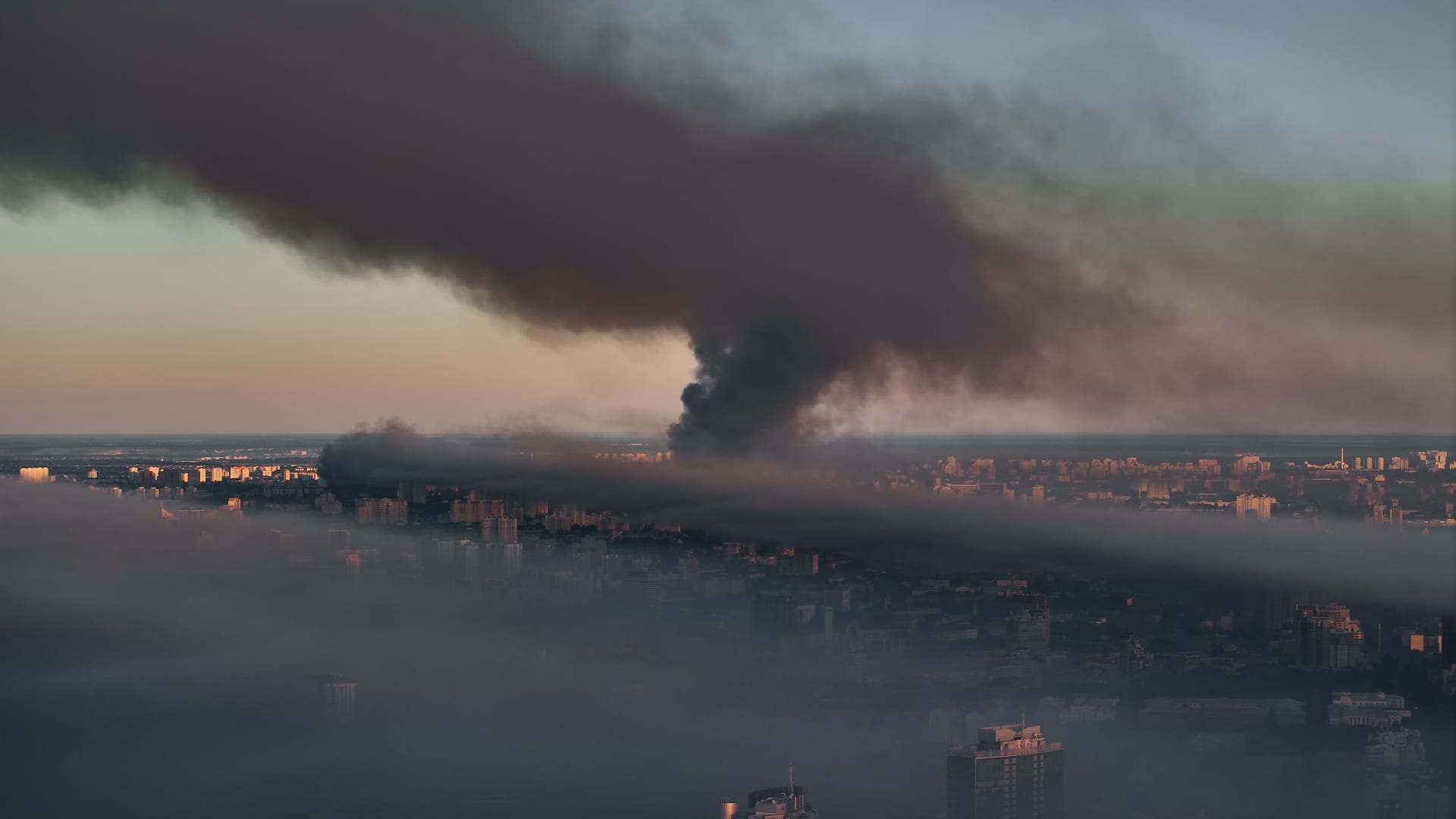
In heady times — and with trade wars dominating the news agenda — it’s easy to forget that Russia and Ukraine’s soldiers continue to fight for every inch of frontline territory in Ukraine.
Conflict in Gaza, ongoing economic uncertainty in the U.S. and Europe and the shifting geopolitical landscape with strengthening, and opposing, ‘axes of power’ are also at the fore of global policymakers’ minds, pushing more than three-and-a-half years of war in Ukraine down the agenda.
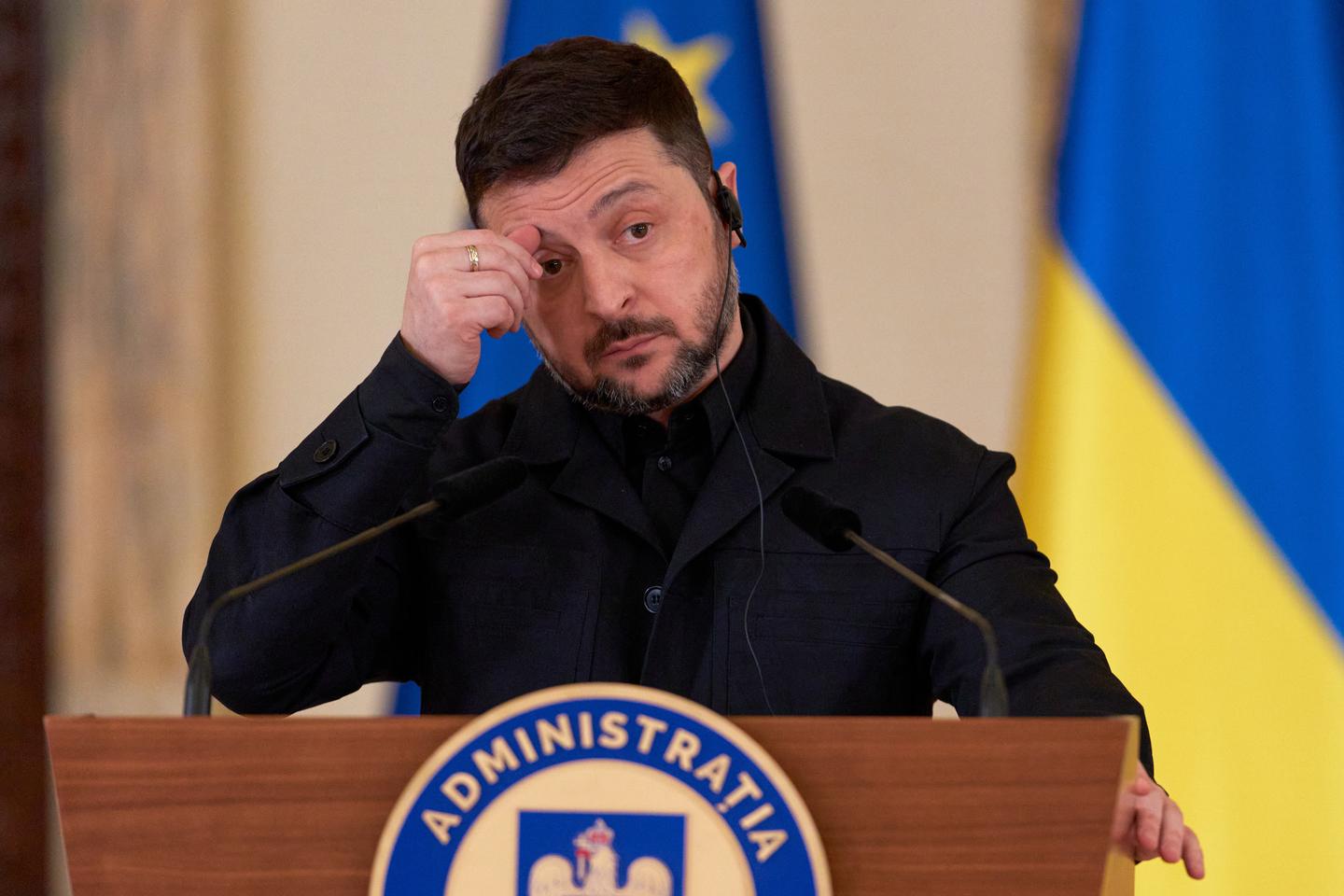
It seems increasingly that both Russia and Ukraine are being left out in the cold, with even this week’s talks in Istanbul, involving negotiating teams from both sides, barely getting a mention in the media. As things stand, there’s an uneasy air when it comes to the direction of the war and prospects for peace.
Trump appeared to lose his patience when he stated on July 14 that Ukraine could receive more U.S.-made weapons — as long as NATO allies paid for them — and gave Russia a 50-day deadline to reach a peace deal with Ukraine. If it did not, he said, Russia would face “very severe” sanctions and “secondary” tariffs of up to 100%.
Those could hit Russia hard, as well as its remaining trading partners, including India and China, who buy Russian oil and gas, among other commodities.