Segui tutte le inchieste del Fatto Quotidiano
Ultimo aggiornamento: 9:12 del 20 Luglio
Il profluvio di ipotesi sull’incidente dell’Air India 171 precedente alla pubblicazione del Preliminary Report si è principalmente concentrato sulla possibilità di una avaria nei sofisticati software di controllo dei sistemi di bordo del Boeing 787, principalmente il FADEC che gestisce i motori ed è integrato in un sistema ancora più ampio che dovrebbe garantire la più totale sicurezza del volo. Quello che non era chiaro prima del Preliminary Report era se dopo il decollo vi era stata una perdita di portanza o di potenza o…. entrambe?
La possibilità di una doppia piantata di motore al decollo causata da problemi meccanici catastrofici e di circa 1 su due e passa miliardi quindi io presi la strada dell’errore umano, ovvero l’involontaria retrazione dei flaps invece che del carrello: una possibilità remota ma pur sempre nel novero dell’ “human error” che purtroppo ha storicamente un suo peso negli incidenti in aviazione.
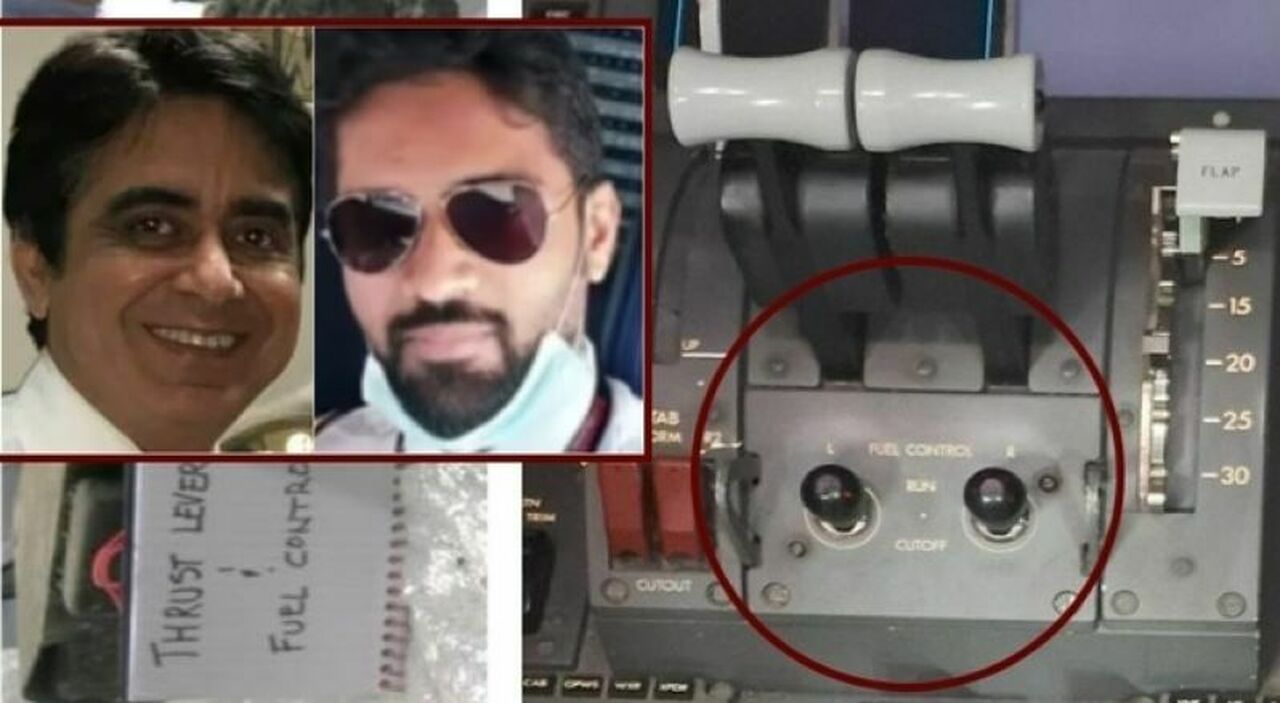
Un paragrafo del Preliminary Report illumina uno scenario infinitamente peggiore: “The aircraft air/ground sensors transitioned to air mode, consistent with liftoff at 08:08:39 UTC….immediately thereafter, the Engine 1 and Engine 2 fuel cutoff switches transitioned from RUN to CUTOFF position one after another with a time gap of 01 sec. The Engine N1 and N2 began to decrease from their take-off values as the fuel supply to the engines was cut off. In the cockpit voice recording, one of the pilots is heard asking the other why did he cutoff. The other pilot responded that he did not do so.”