‘Queen of fashion’ has amplified the place of fashion in culture beyond all recognition
The departure of Anna Wintour as editor-in-chief of American Vogue leaves a bigger absence in the fashion world than would be left by the departure of any designer, or any supermodel.
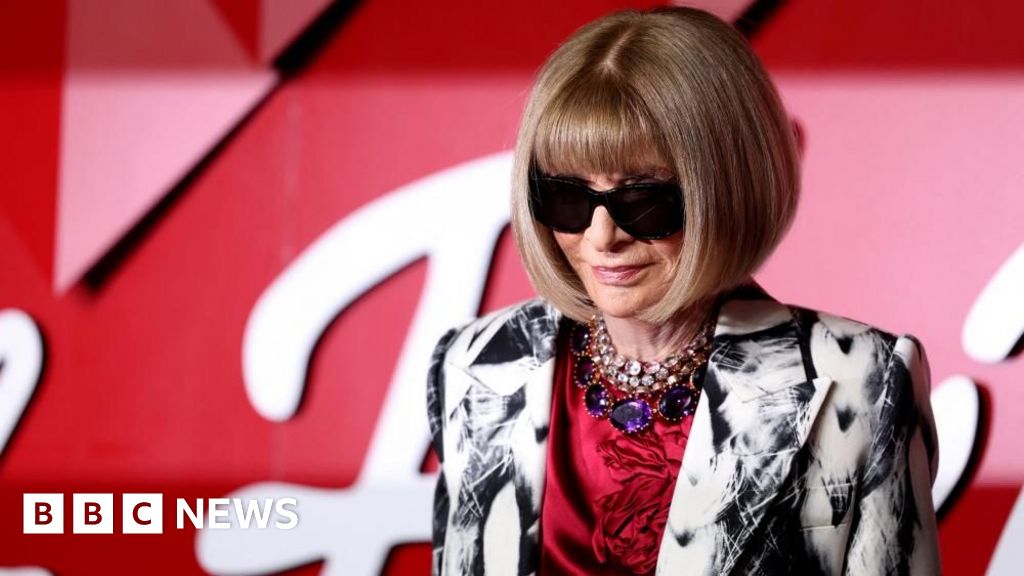
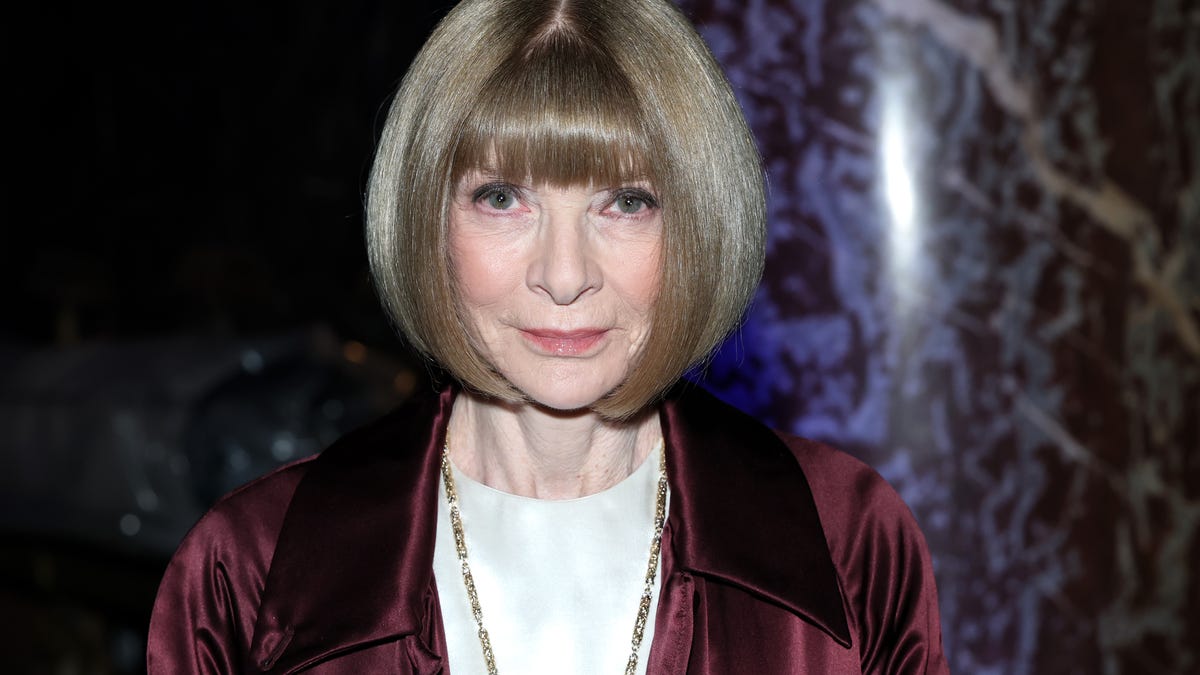
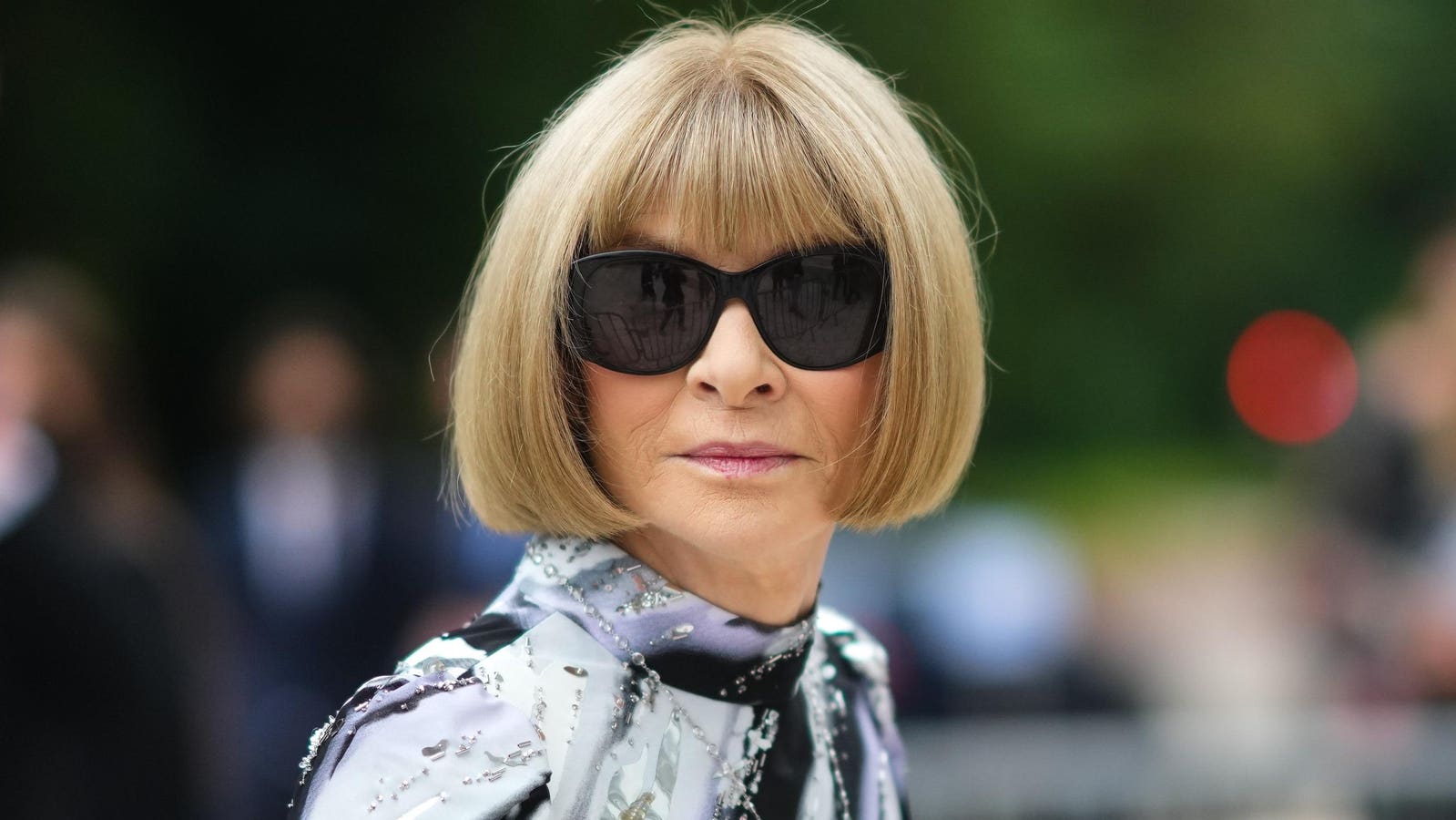
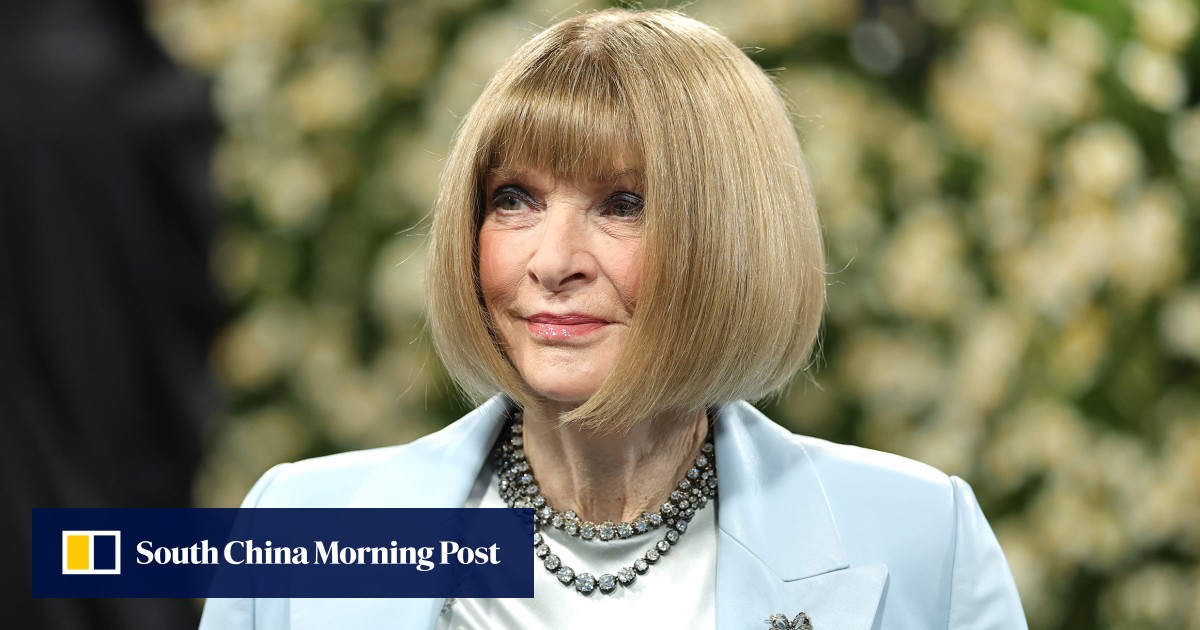
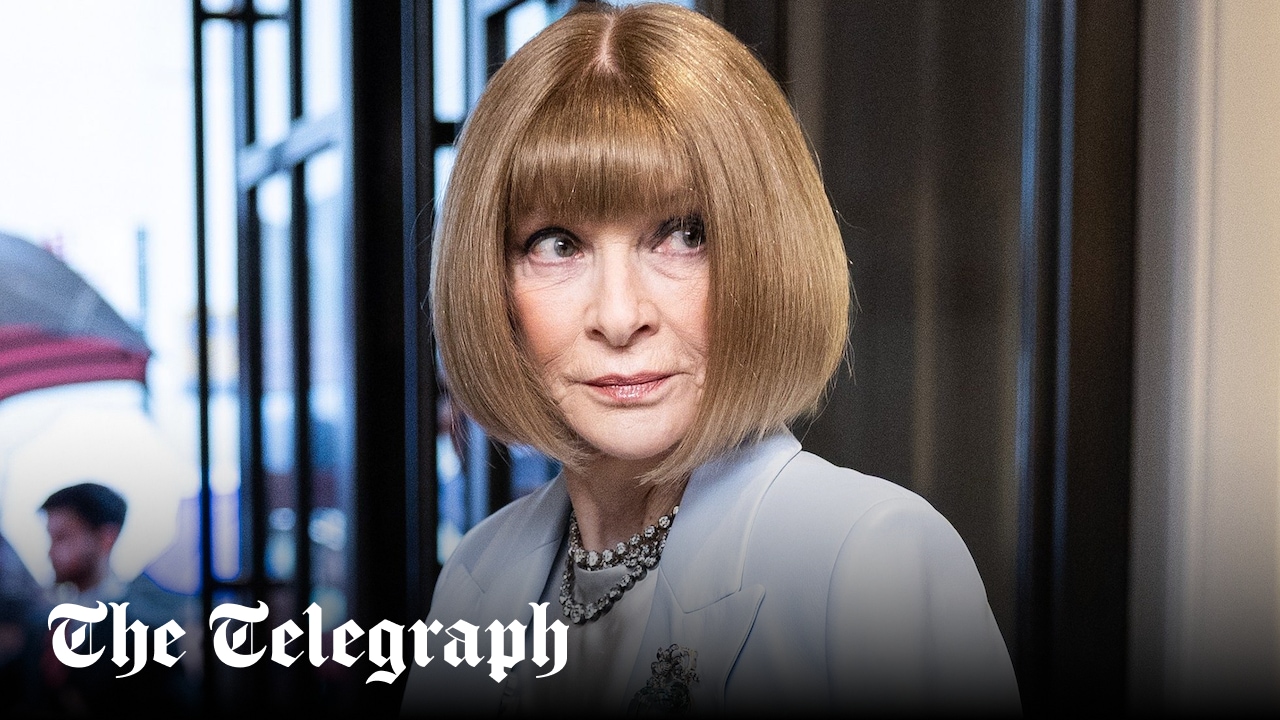
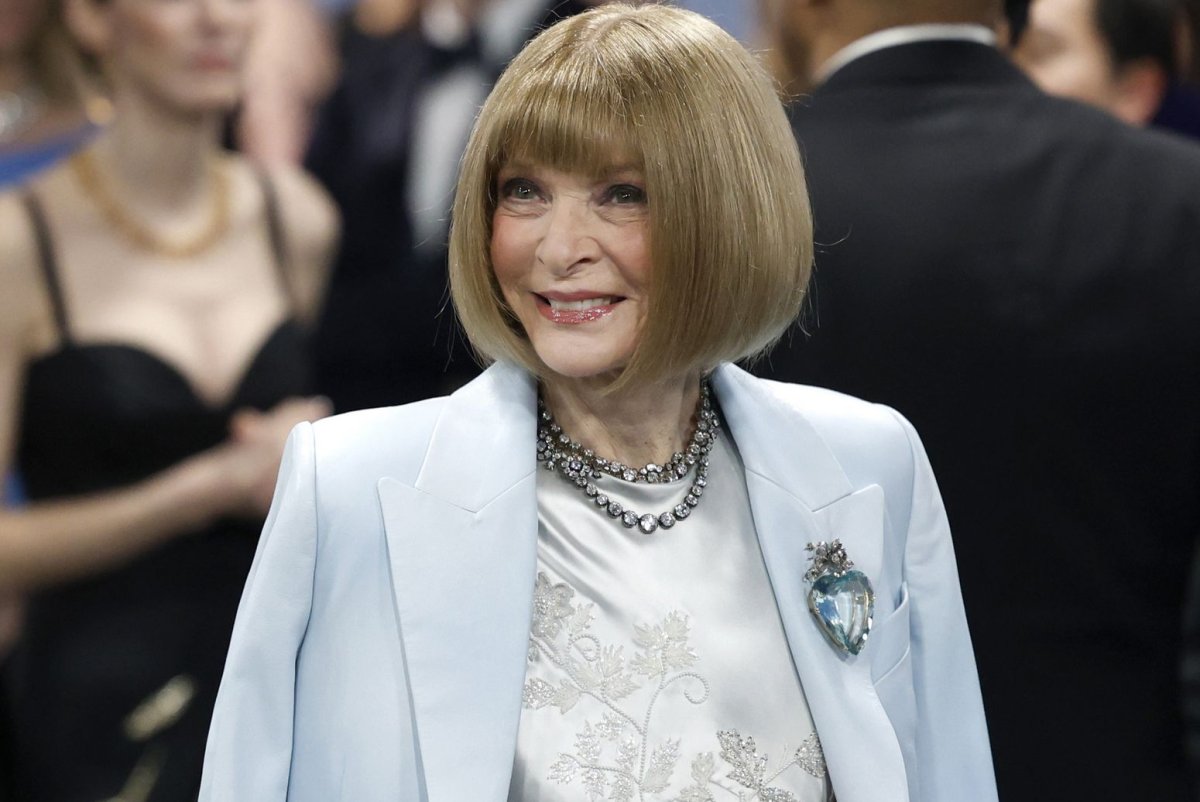
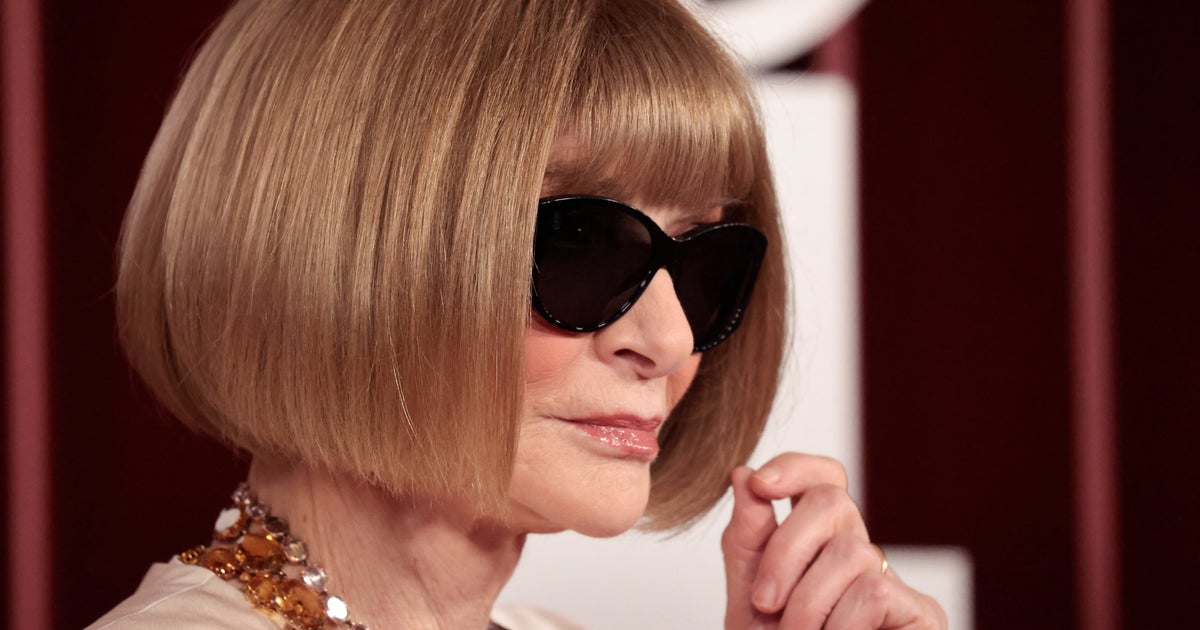
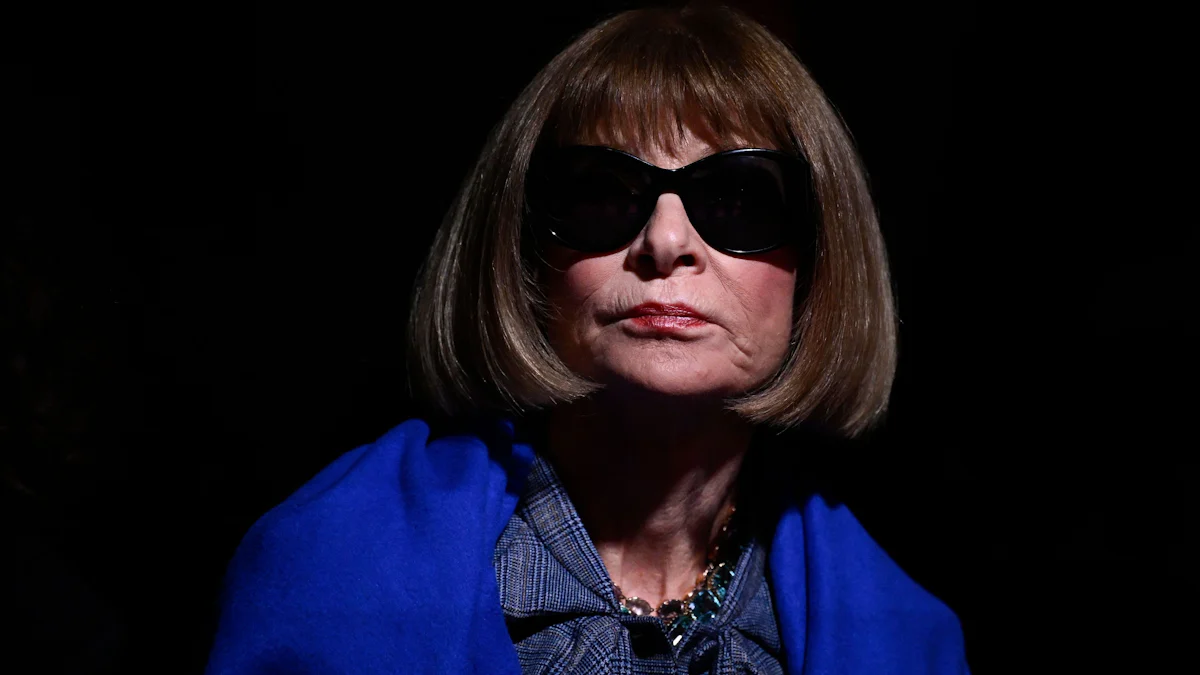
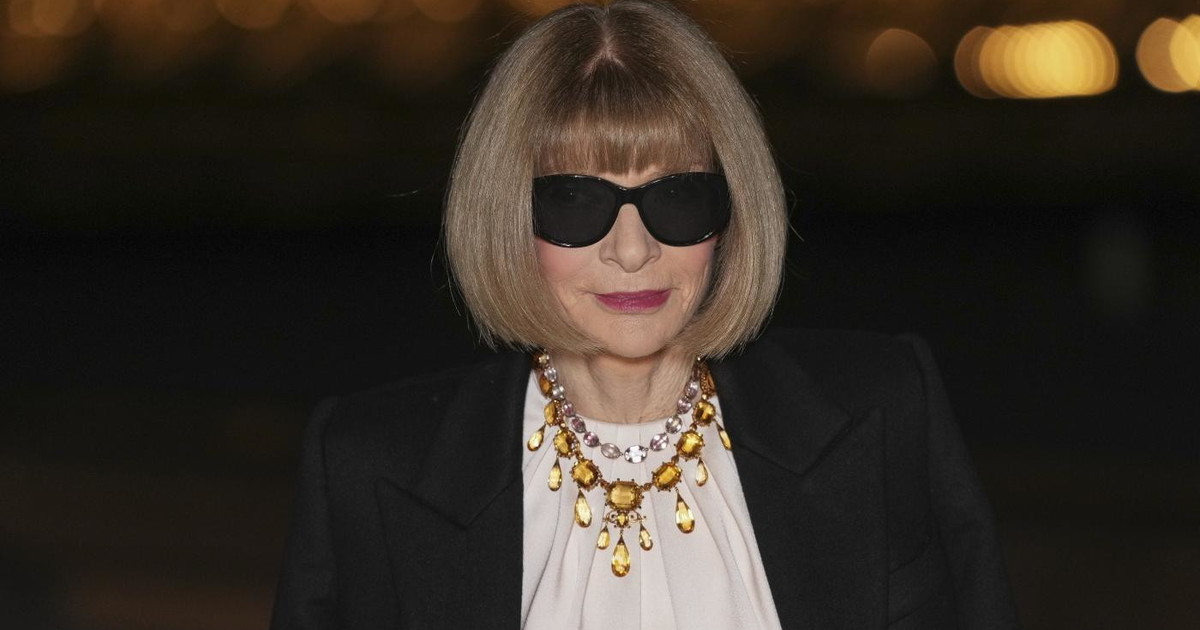
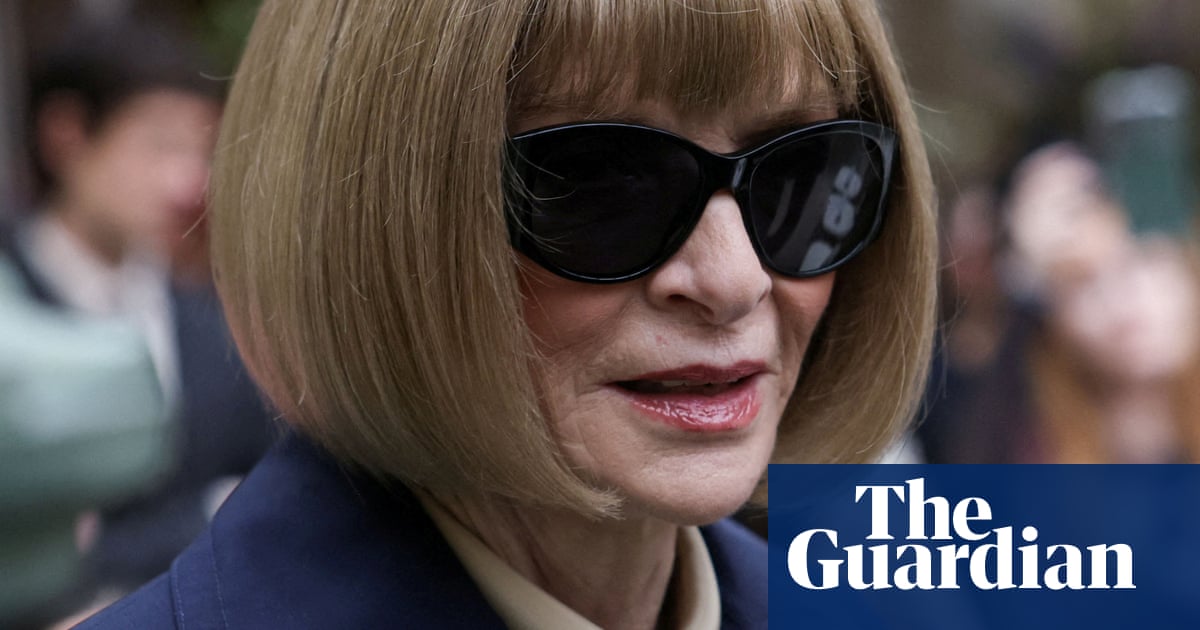
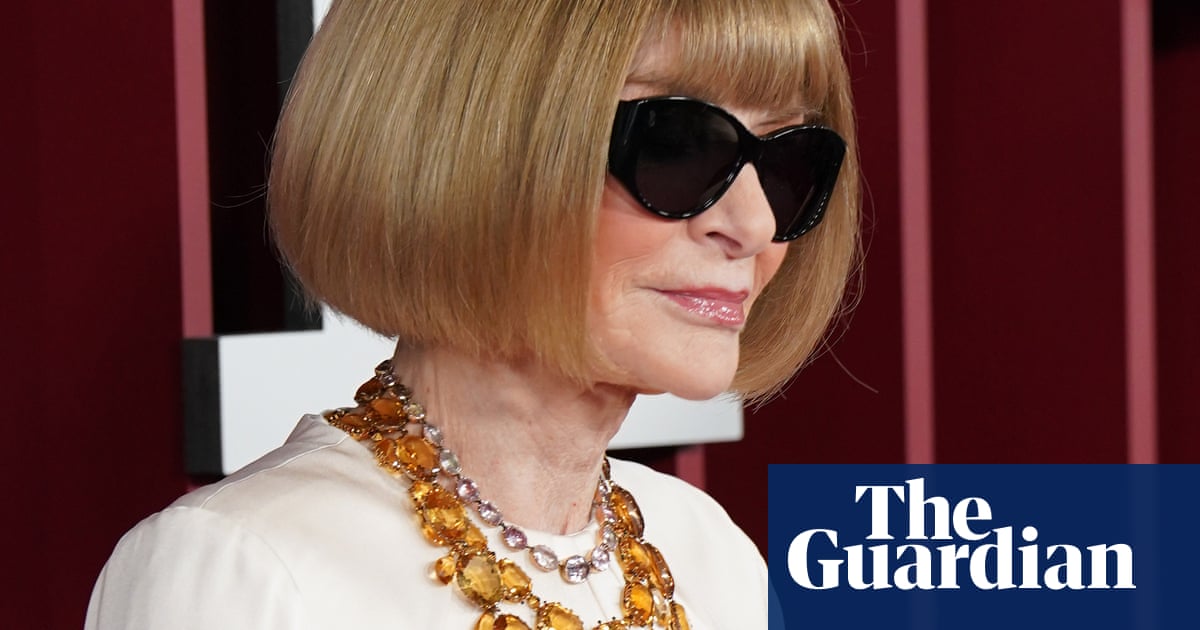
For more than three decades, Wintour has held the official title of editor-in-chief of American Vogue – and an unofficial, but widely acknowledged, title of queen of fashion. At any catwalk show, the best seat in the house is automatically Anna’s. Like Beyonce and Madonna, Anna has no need of a last name; everyone refers to her simply as “Anna”, although few are bold enough to address her directly. She has been a constant, regal presence, crowned by the signature glossy bob and ever-present sunglasses.
Wintour’s status has been built not just on ego, but on how much she has done for fashion. She has amplified the place of fashion in culture beyond all recognition. The ambition and bravado of fashion today – from Louis Vuitton hiring the Grammy-winning musician Pharrell Williams as creative director and taking over an entire district of central Paris for his debut show; to blockbuster fashion exhibitions such as the V&A’s Coco Chanel retrospective becoming fixtures on the art world calendar – owes a vast debt to the vision of Wintour. An early instigator of putting actors, pop stars and politicians on the cover of her magazine, she understood instinctively that a Vogue cover bequeathed an intangible but potent “soft power” that celebrities craved, and that Vogue’s role as gatekeeper to that power could be leveraged in Washington and in Hollywood, as well as at the fashion weeks of New York, London, Paris and Milan.