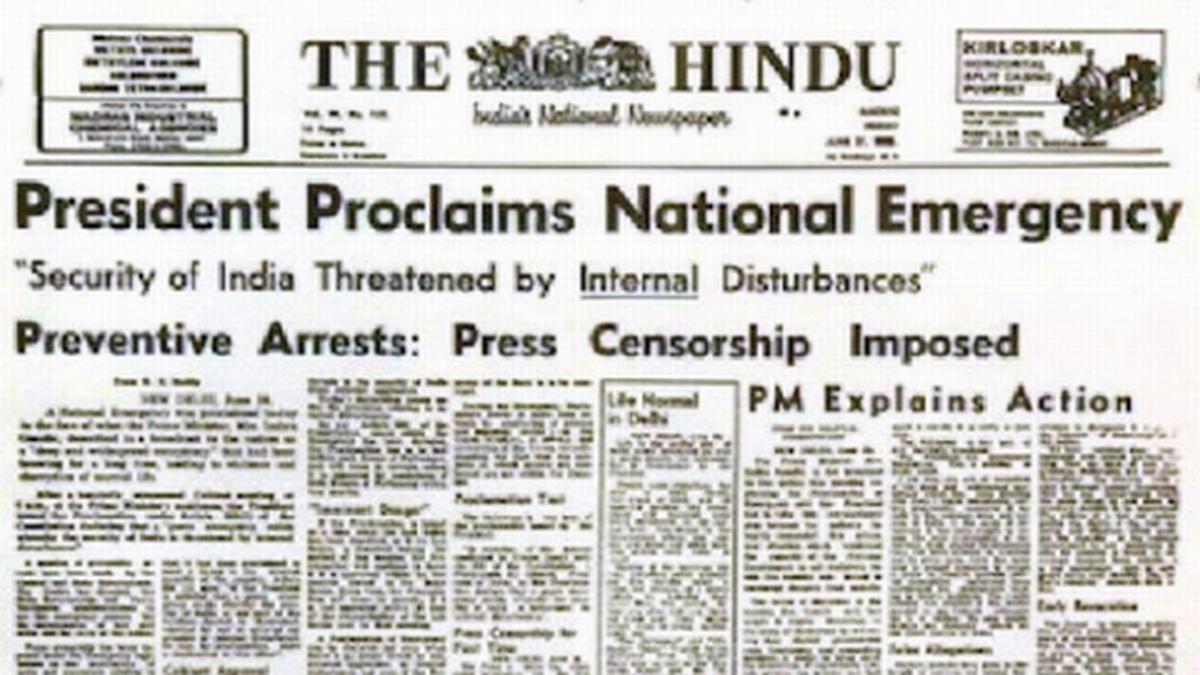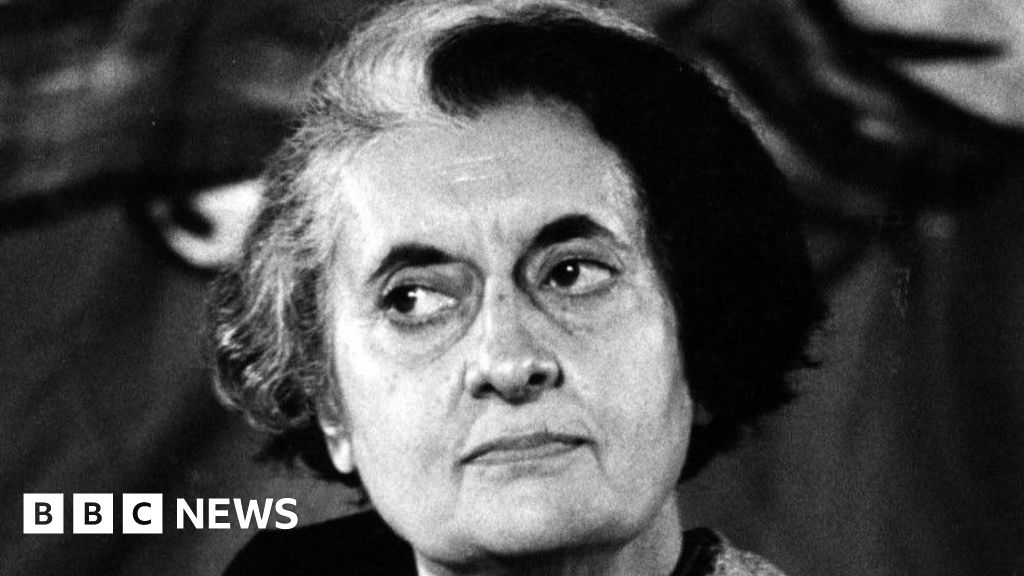
At midnight on 25 June 1975, India - a young democracy and the world's largest - froze.
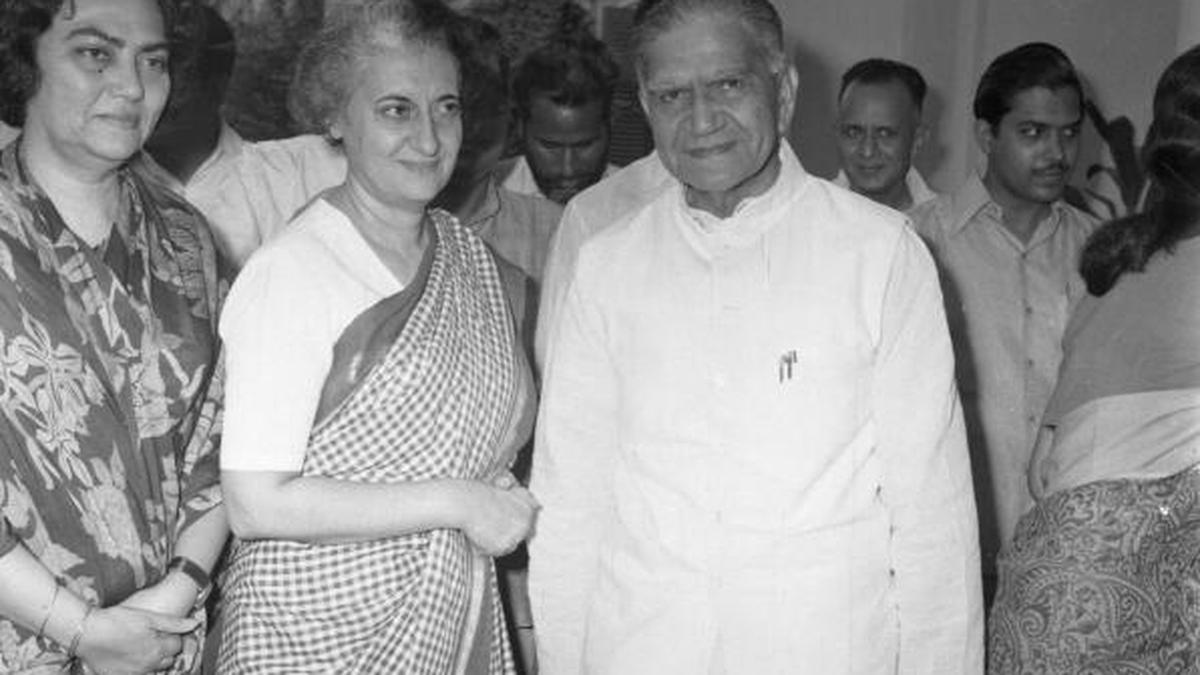
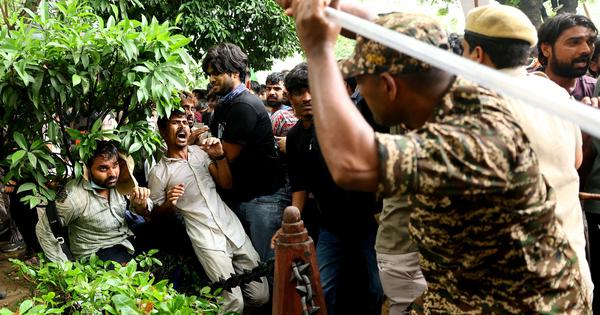
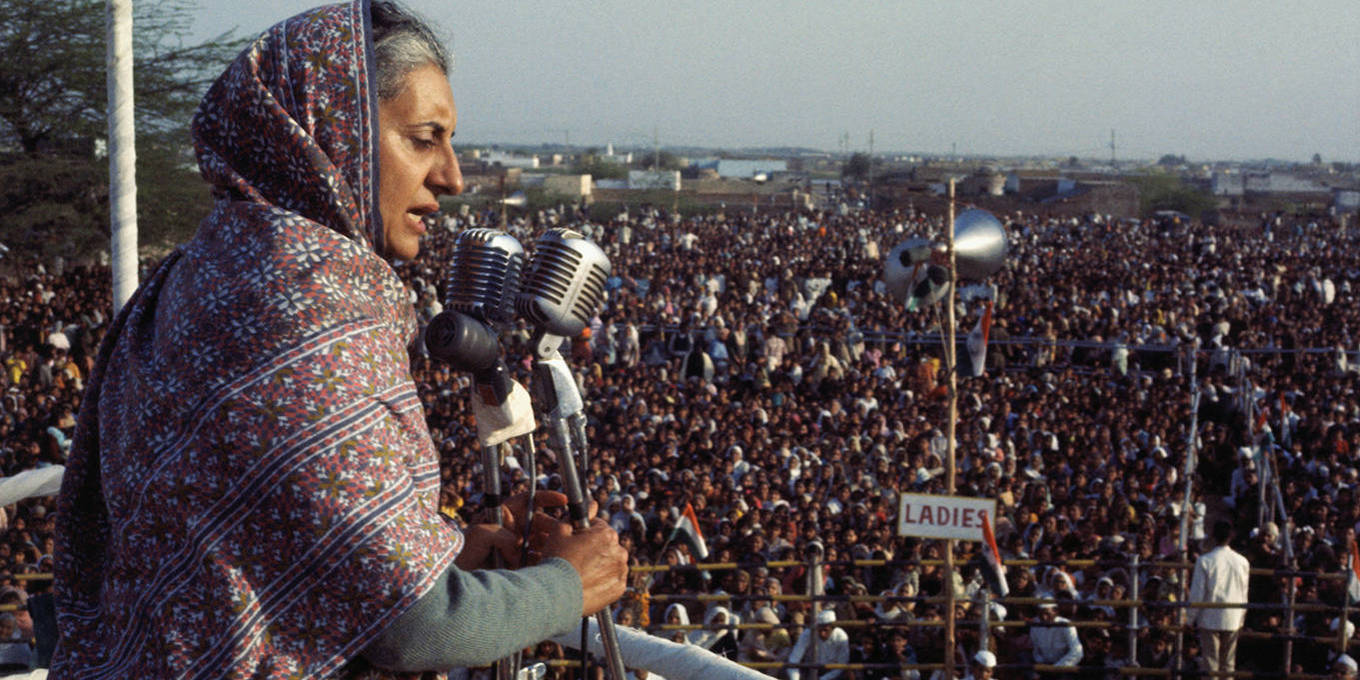
Then prime minister Indira Gandhi had just declared a nationwide Emergency. Civil liberties were suspended, opposition leaders jailed, the press gagged, and the constitution turned into a tool of absolute executive power. For the next 21 months, India was technically still a democracy but functioned like anything but.
The trigger? A bombshell verdict by the Allahabad High Court had found Gandhi guilty of electoral malpractice and invalidated her 1971 election win. Facing political disqualification and a rising wave of street protests led by veteran socialist leader Jayaprakash Narayan, Gandhi chose to declare an "internal emergency" under Article 352 of the constitution, citing threats to national stability.
As historian Srinath Raghavan notes in his new book on Indira Gandhi, the constitution did allow wide-ranging powers during an Emergency. But what followed was "extraordinary and unprecedented strengthening of executive power... untrammelled by judicial scrutiny".
Over 110,000 people were arrested, including major opposition political figures such as Morarji Desai, Jyoti Basu and LK Advani. Bans were slapped on groups from the right-wing to the far-left. Prisons were overcrowded and torture was routine.