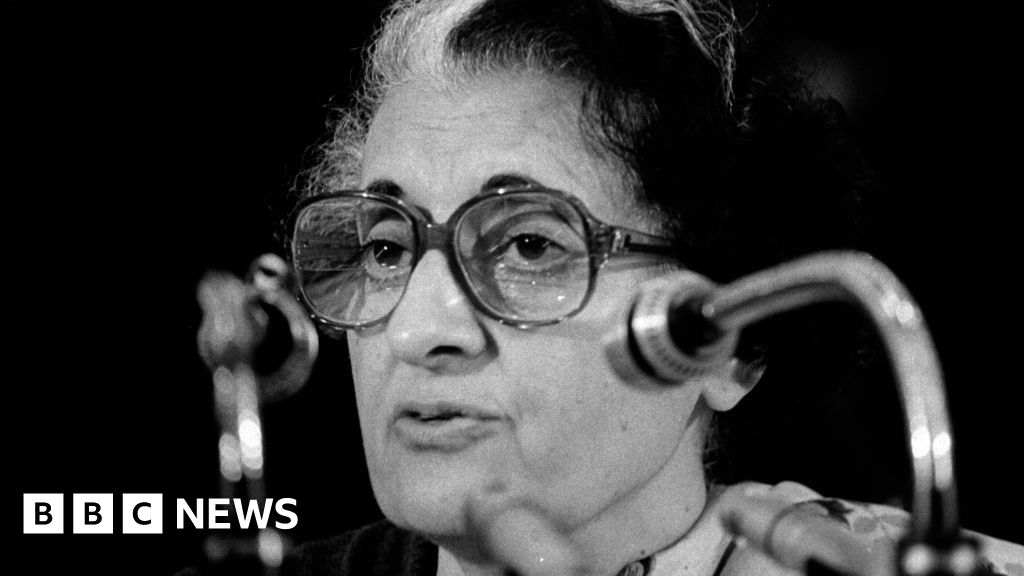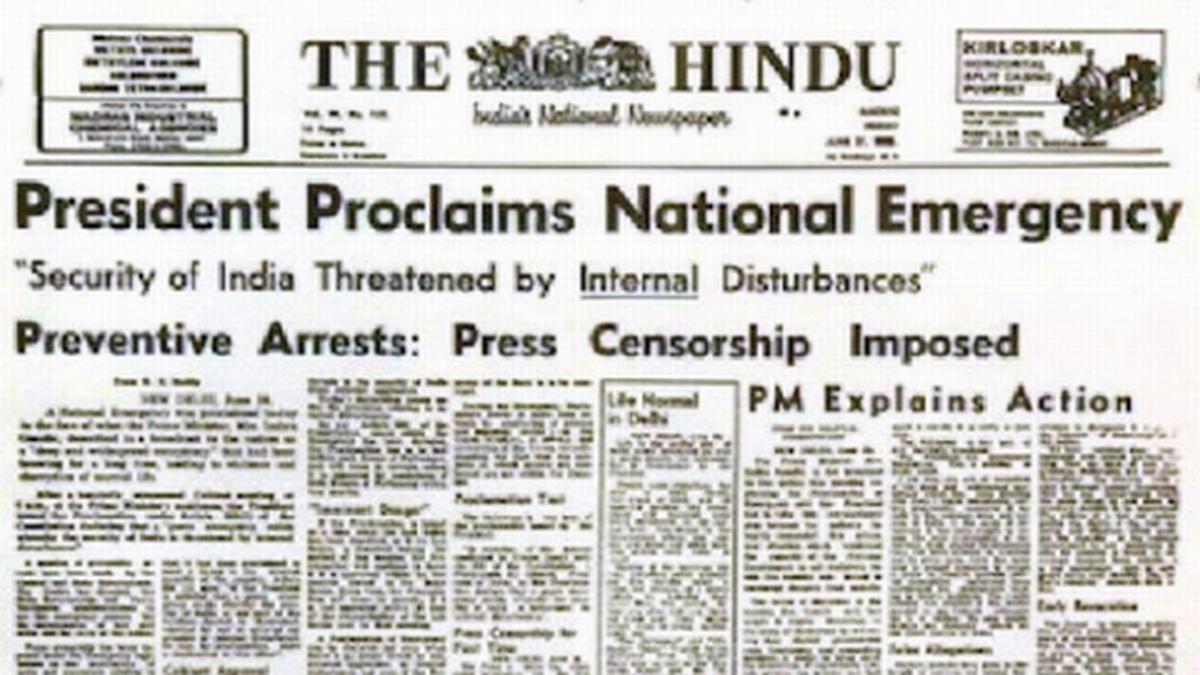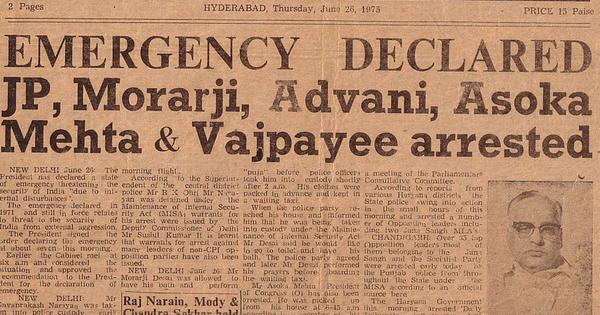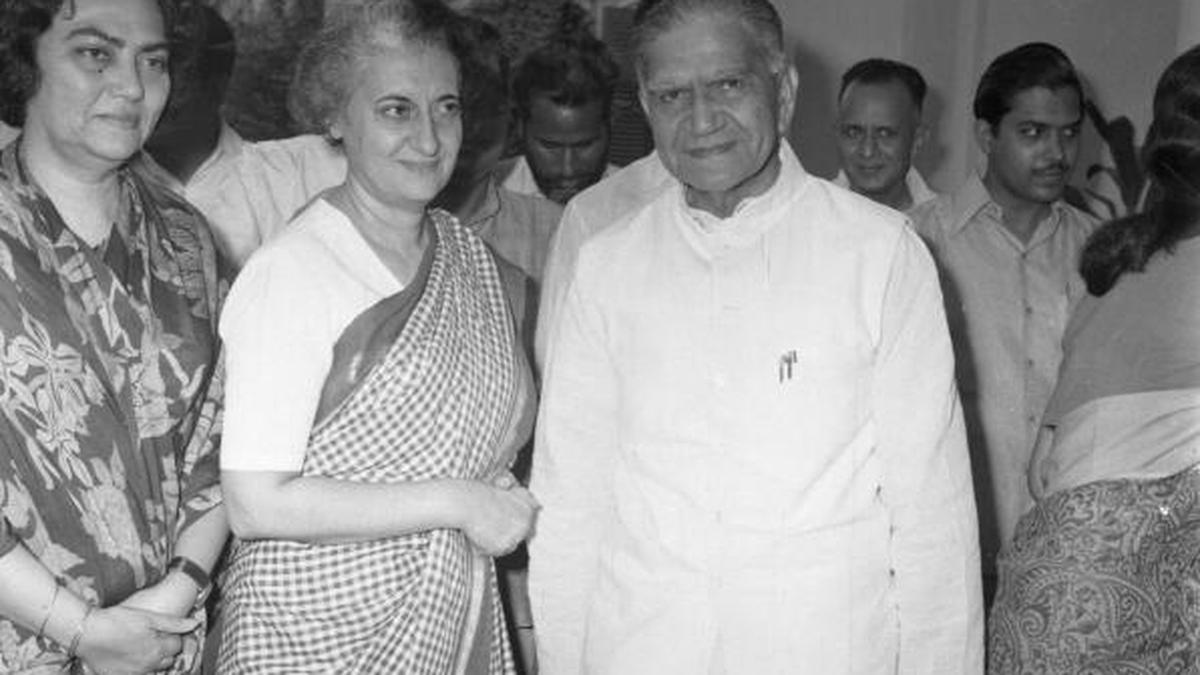
Home Minister Kasu Brahmananda Reddy reached the residence of Prime Minister Indira Gandhi at 10.15 p.m. on June 25, 1975. Within 15 minutes, he drafted a letter with the minutes of the earlier meeting between the PM and the President and appended a draft proclamation for State of Internal Emergency to be signed by Fakhruddin Ali Ahmed. By midnight, the proclamation of emergency was out.
On June 22, 1975, Andhra Pradesh Chief Minister J. Vengal Rao was summoned to Delhi by then personal secretary to Prime Minister, R.K. Dhawan in time for the verdict on Indira Gandhi’s election from Raibareli in Uttar Pradesh. The stage was set in Delhi and Andhra Pradesh.
A different face
While it was midnight knocks and detention of political leaders elsewhere in the country, the iron fist of Emergency was felt by student leaders and Naxalites in Andhra Pradesh.
According to the Shah Commission, which inquired into the Emergency period, Andhra Pradesh had 1,135 détenus under Maintenance of Internal Security Act (MISA), 45 under Conservation of Foreign Exchange and Prevention of Smuggling Activities Act (COFEPOSA) and 451 under Defence and Internal Security of India Rules (DISIR).