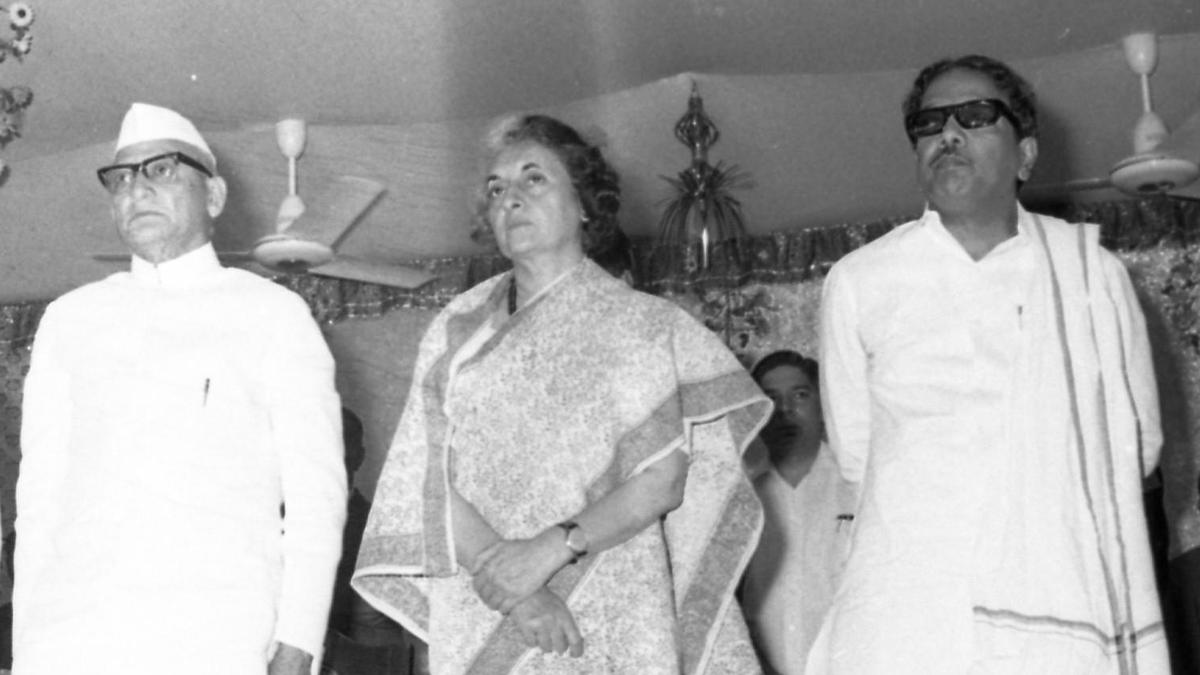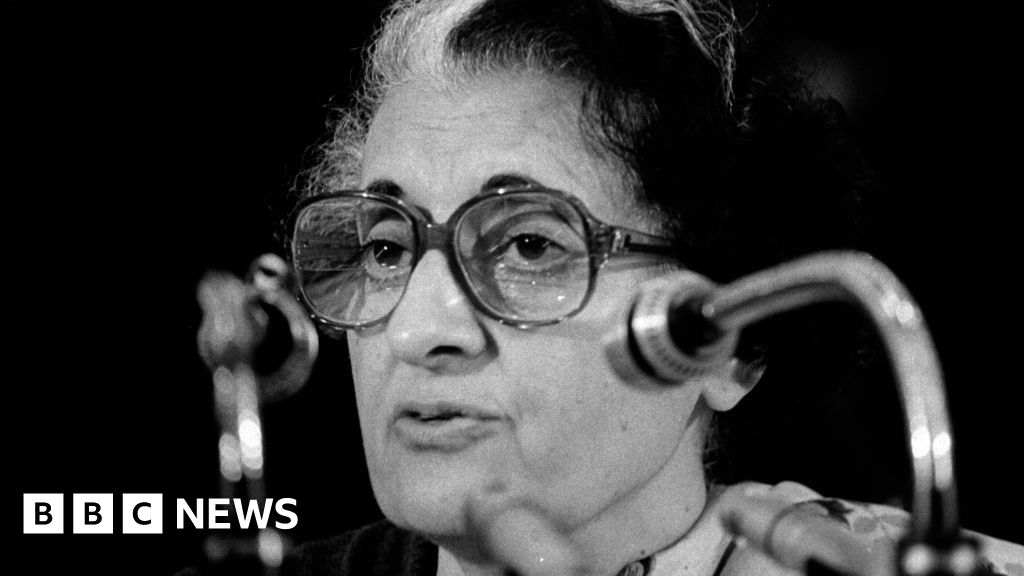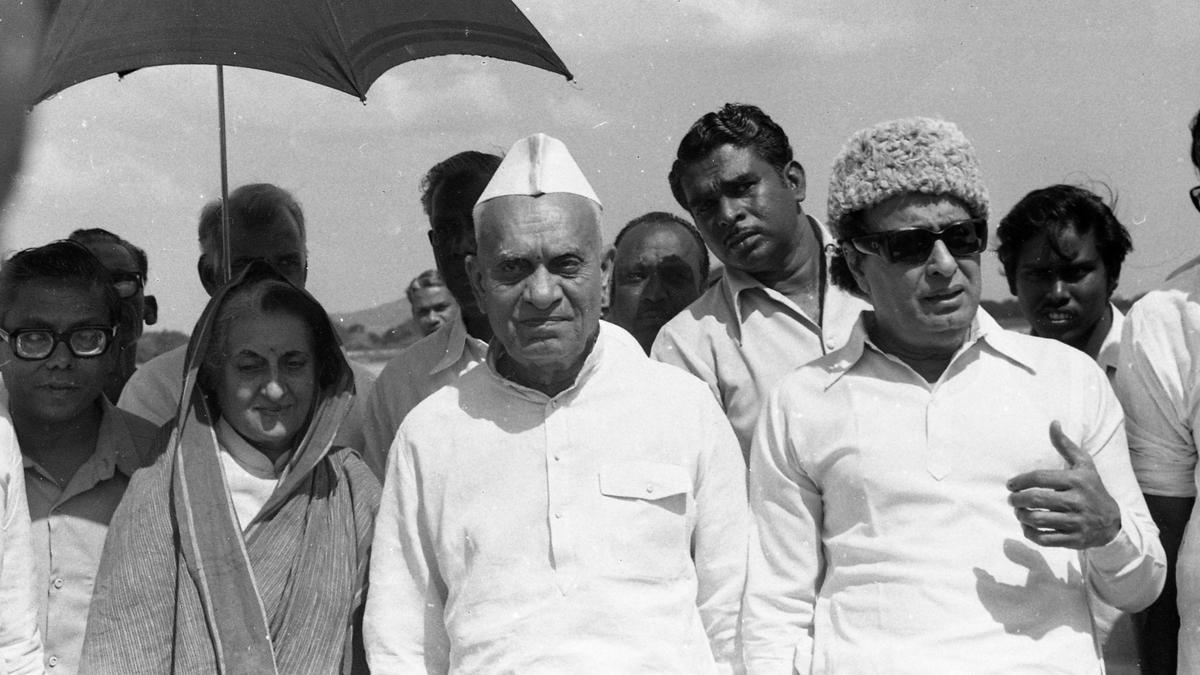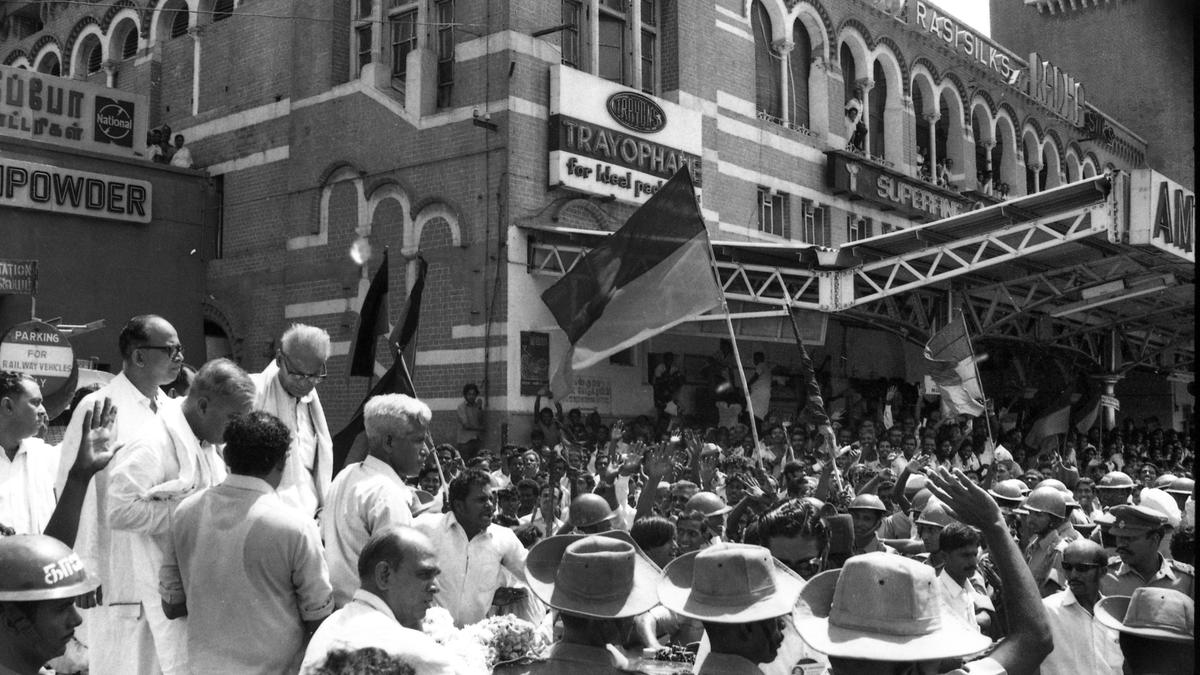
On the afternoon of January 31, 1976, Prime Minister Indira Gandhi convened a meeting of the Union Cabinet. The Internal Emergency proclaimed seven months ago, severely curtailing political and civil liberties in India, was still in force. Earlier that day, Tamil Nadu Governor K.K. Shah – who once even jocularly remarked his initials stood for Kalaignar Karunanidhi – had sent a lengthy report to the Union government.
Shah, in his report, said he was satisfied that a situation had arisen in which the government of the State could no longer be carried on in accordance with the provisions of the Constitution. The government was headed by Chief Minister M. Karunanidhi.
The Cabinet recommended the acceptance of Shah’s report. That night, President Fakhruddin Ali Ahmed issued a Proclamation under Article 356 of the Constitution, dissolving the Tamil Nadu Assembly and placing the State under President’s Rule. The State government headed by Karunanidhi was “deemed to have vacated office” following the Presidential Proclamation.
Governor’s report
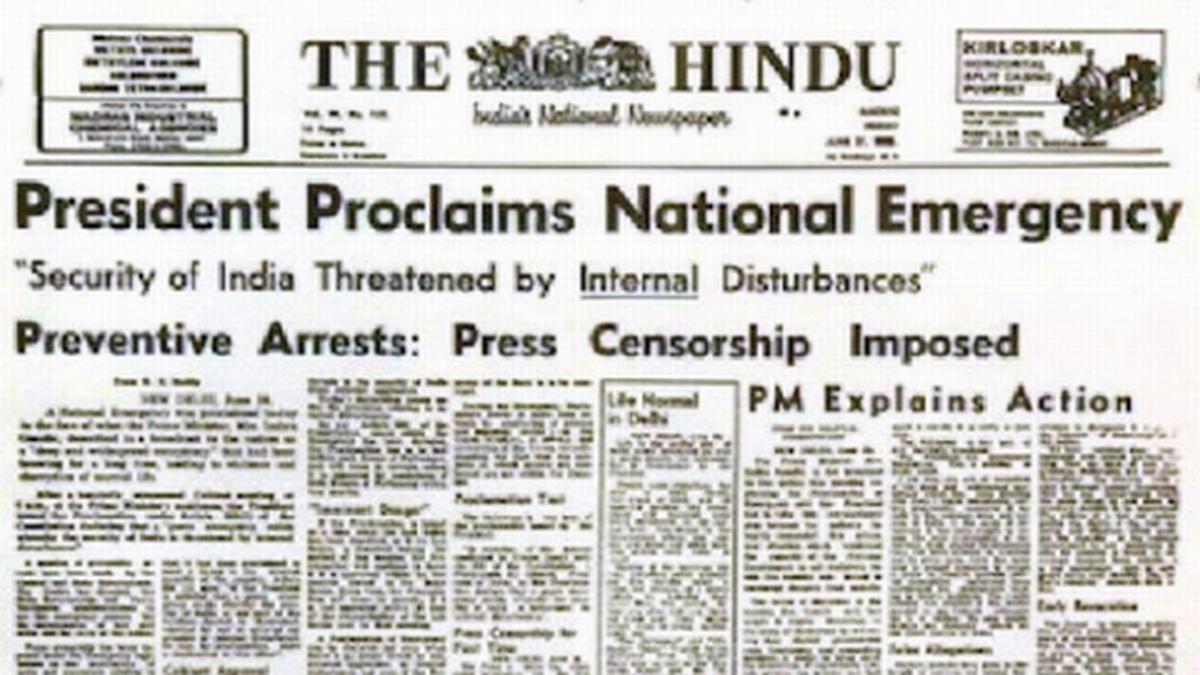
“This is the first time that Tamil Nadu has been brought under President’s Rule. Though the five-year term of the State Assembly was due to expire on March 21, the Centre has taken this action to dissolve it because of the serious situation that has arisen in the State in terms of the Governor’s report,” The Hindu’s New Delhi Correspondent G.K. Reddy reported on the front page of its edition dated February 1, 1976.