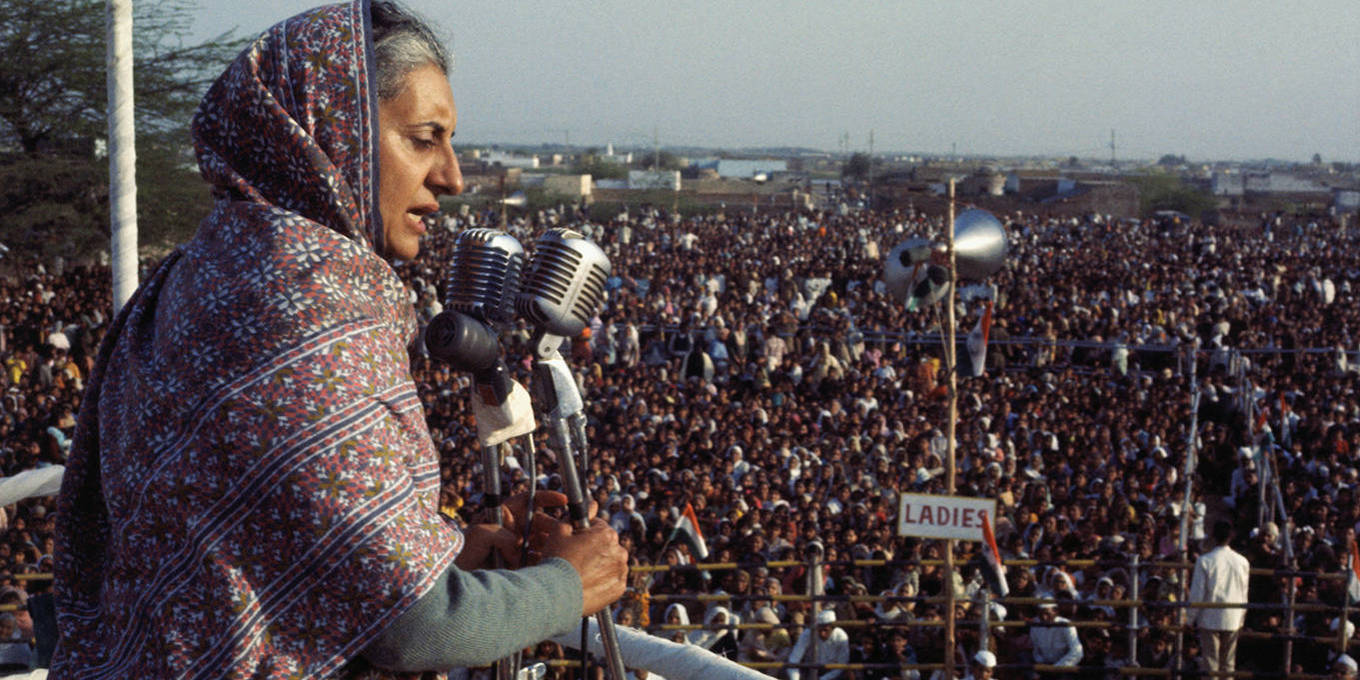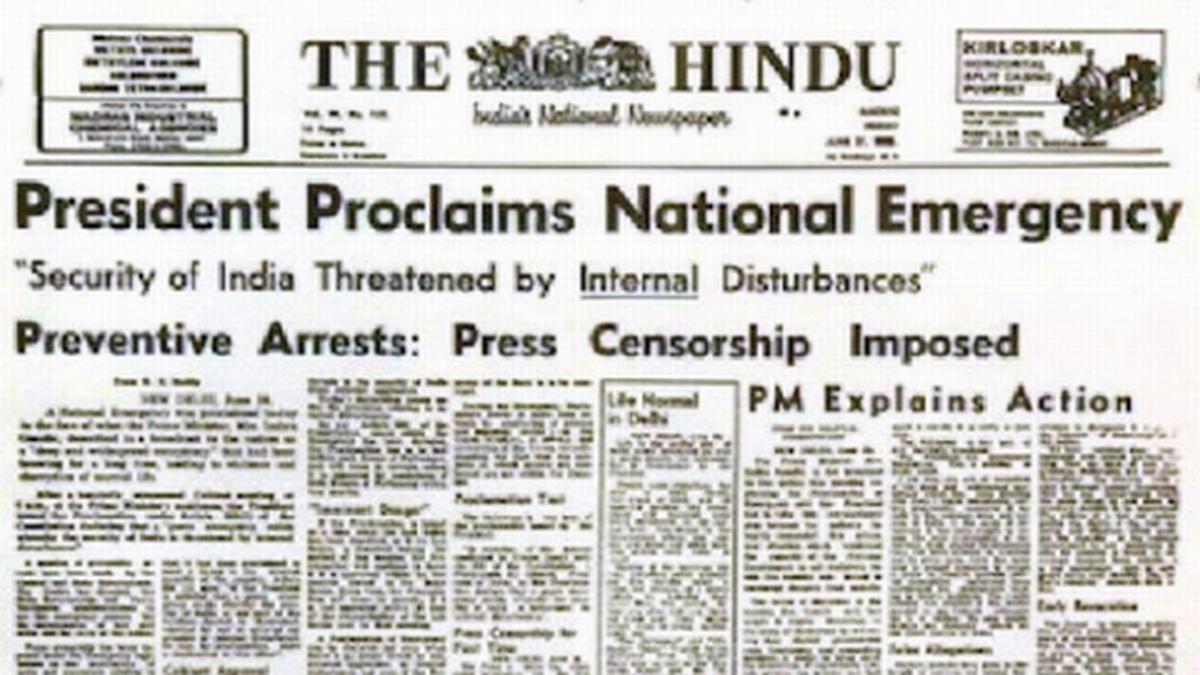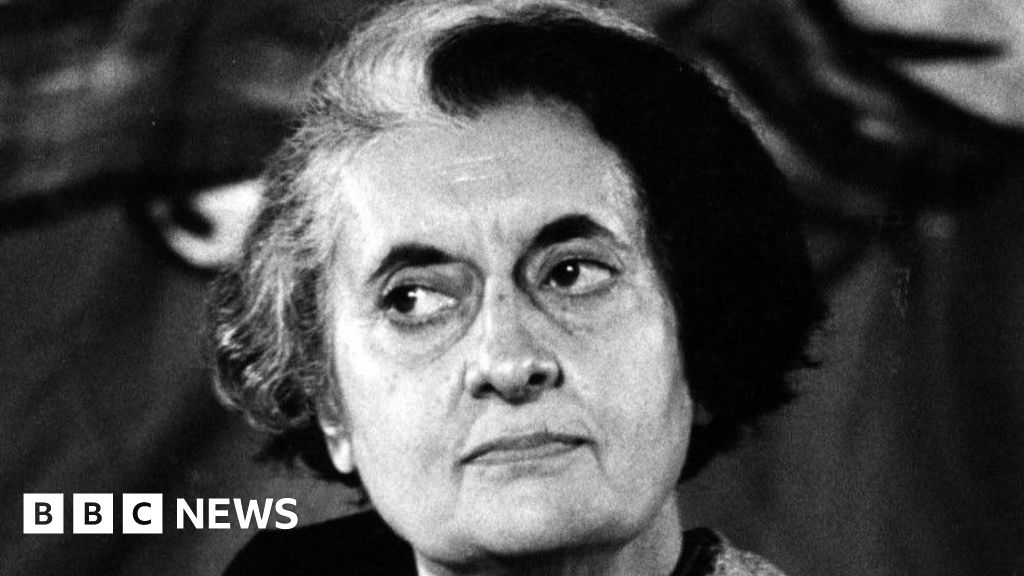
During the mid-1970s, under Prime Minister Indira Gandhi's imposition of the Emergency, India entered a period where civil liberties were suspended and much of the political opposition was jailed.
Behind this authoritarian curtain, her Congress party government quietly began reimagining the country - not as a democracy rooted in checks and balances, but as a centralised state governed by command and control, historian Srinath Raghavan reveals in his new book.
In Indira Gandhi and the Years That Transformed India, Prof Raghavan shows how Gandhi's top bureaucrats and party loyalists began pushing for a presidential system - one that would centralise executive power, sideline an "obstructionist" judiciary and reduce parliament to a symbolic chorus.
Inspired in part by Charles de Gaulle's France, the push for a stronger presidency in India reflected a clear ambition to move beyond the constraints of parliamentary democracy - even if it never fully materialised.
It all began, writes Prof Raghavan, in September 1975, when BK Nehru, a seasoned diplomat and a close aide of Gandhi, wrote a letter hailing the Emergency as a "tour de force of immense courage and power produced by popular support" and urged Gandhi to seize the moment.