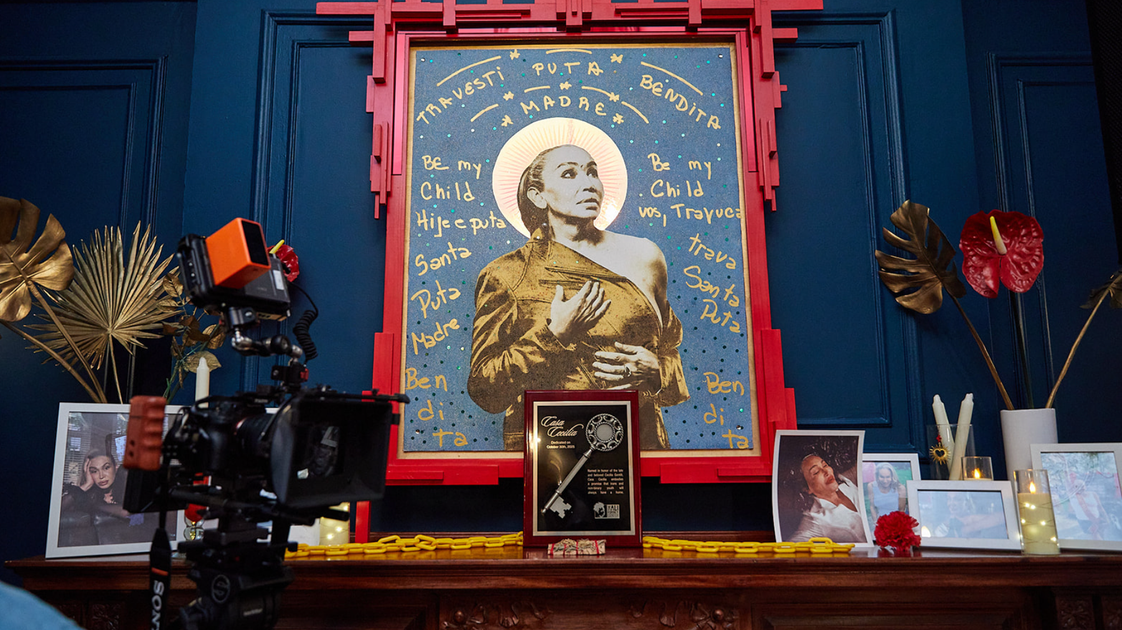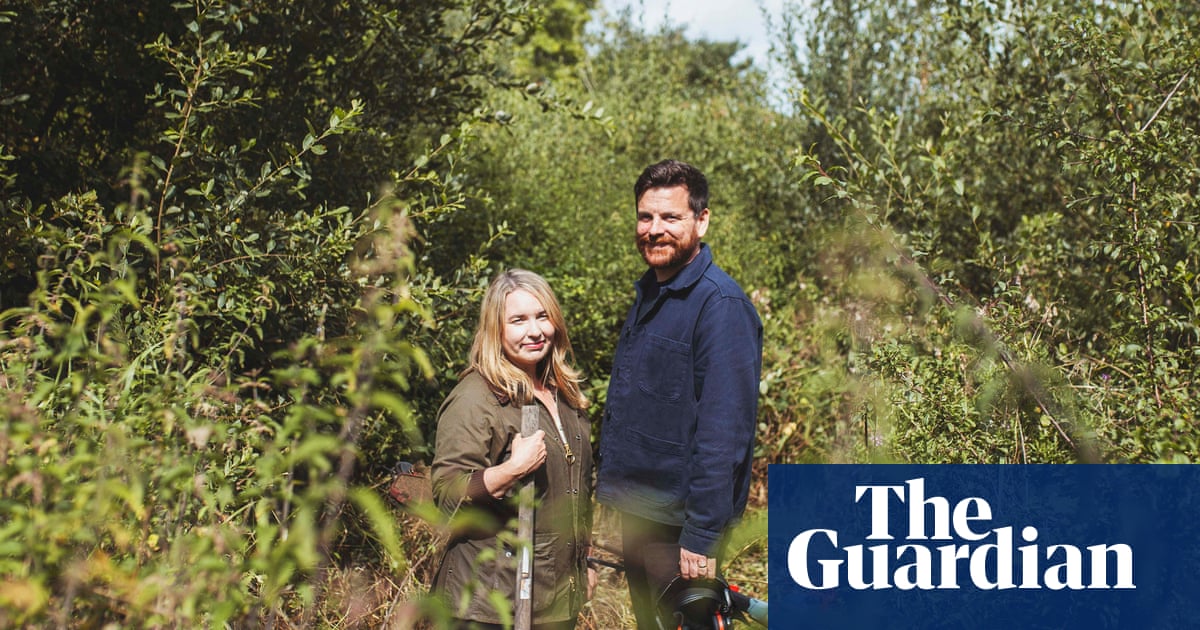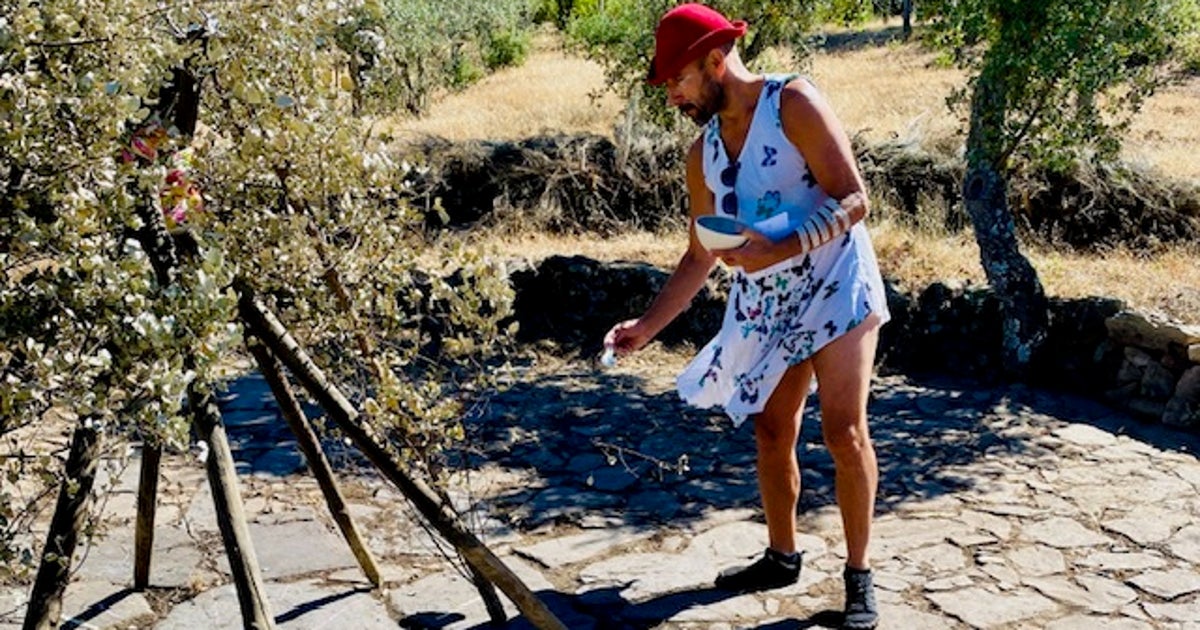
At Quinta , a queer-run permaculture farm in rural Portugal, karaoke nights follow compost mornings. At a Radical Faerie house in Portland, Oregon, sex, spirit and politics swirl through residents’ daily rituals. These aren’t retreats from society — they’re blueprints for how to live differently within it.
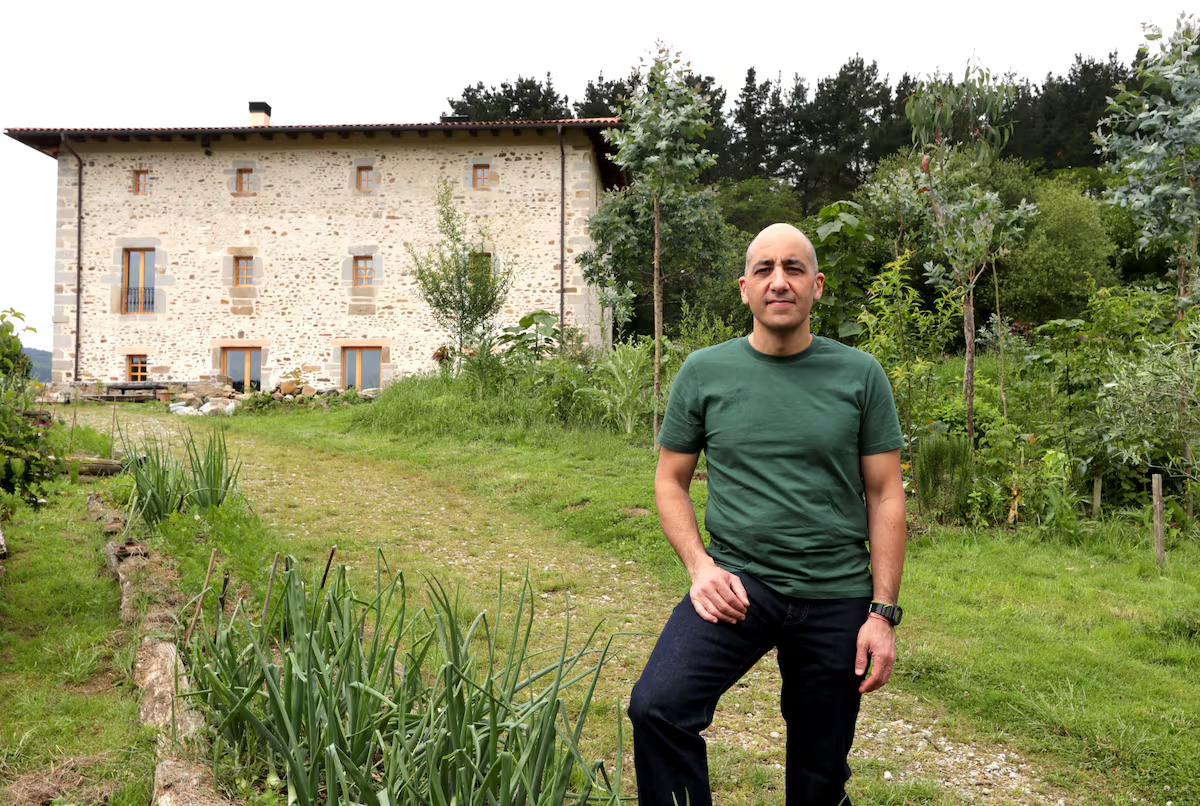
“We’re not recreating an alternative system,” says Stephan Dahl, 41, a co-founder of Quinta. It isn’t some sealed-off queer biosphere with its own infrastructure. It’s a world of its own, yet still deeply embedded in the rural community around it.
These queer utopias, some rural and others urban, share a quiet rebellion. Joy-centered and anti-normative, they’re scrappy, spiritual and slyly political. They’re about care, not performance. Structure, not hierarchy. So yes, they’re utopias — but you don’t have to leave the world (or even the city) behind to be part of them.
“You can stick your toe in,” says Terry Cavanagh, 68, co-founder of the Portland Faerie house. “You don’t have to move to the woods.”
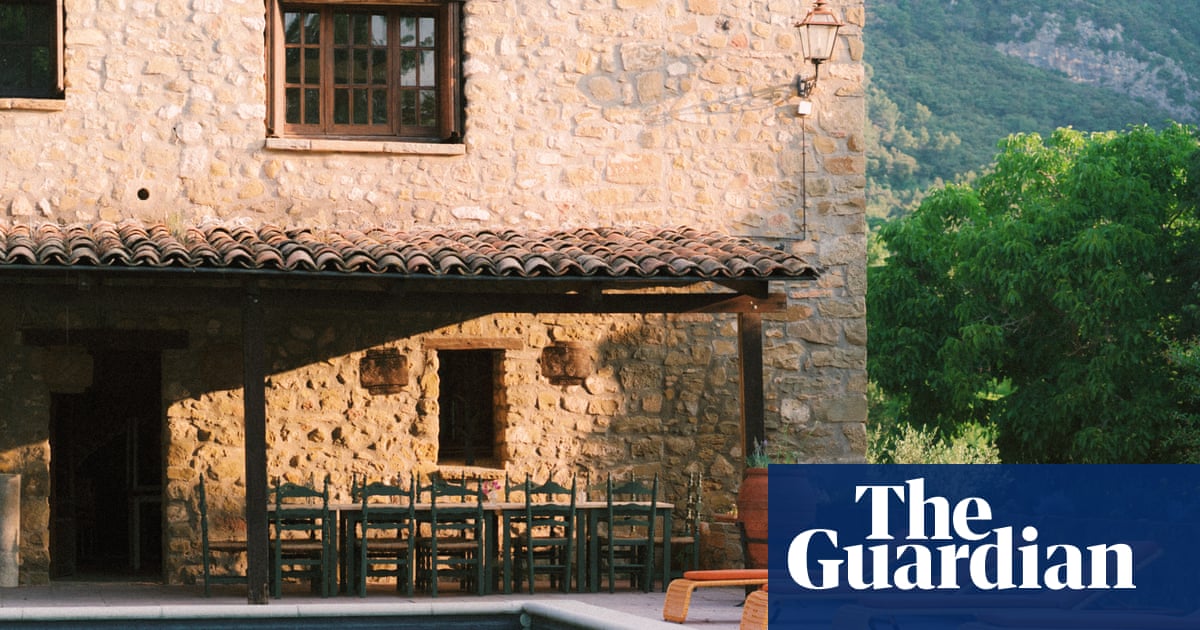
Still, there’s something about the land — the dirt under your nails, the fire circle, the garden that needs tending — that calls to queer folks building something new. Quinta, a 5.5-hectare organic wine farm nestled in Portugal’s São Mamede Natural Park, folds queerness into ecology, ritual and daily life. “We are part of nature, and we’re going forward with nature,” he says.