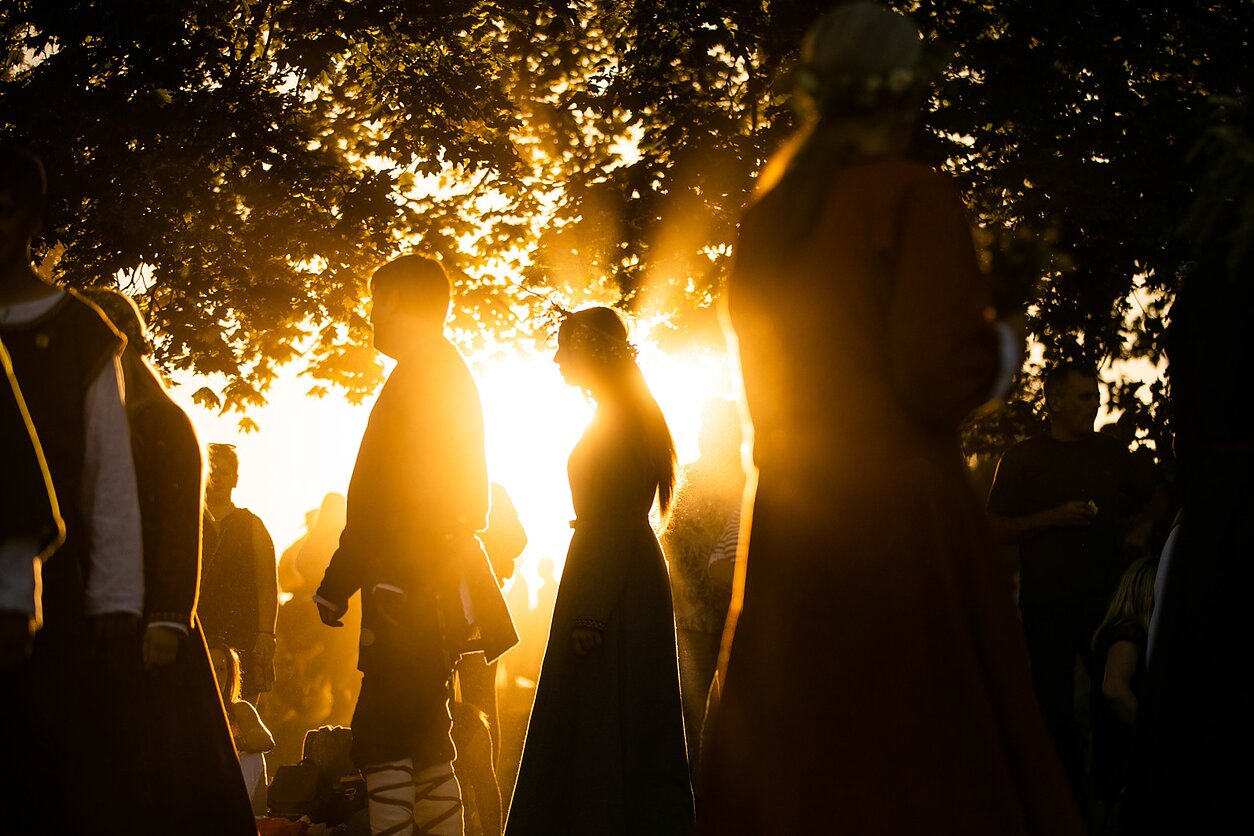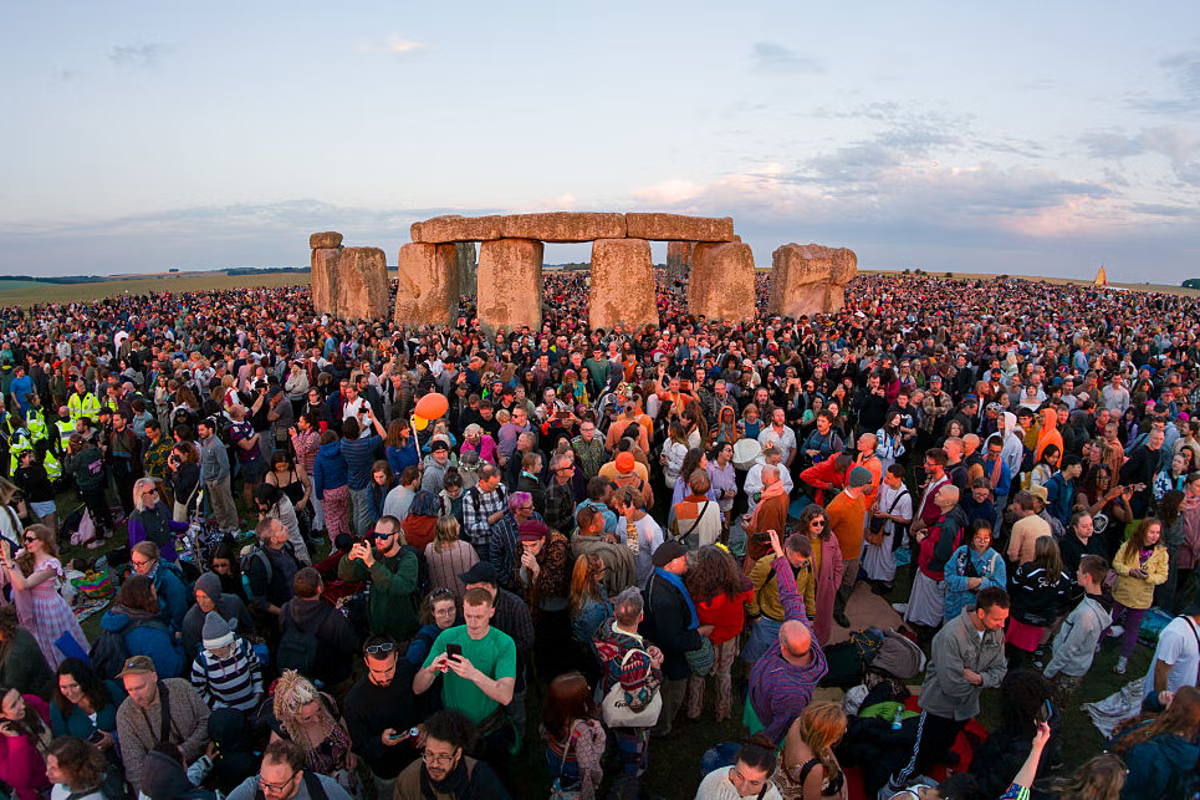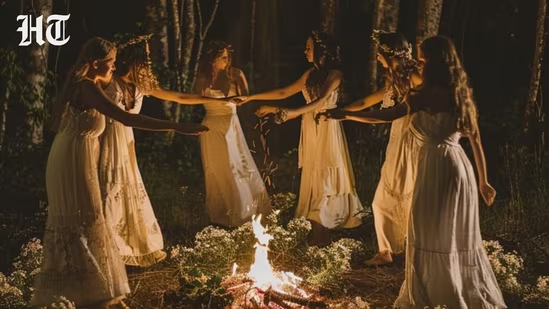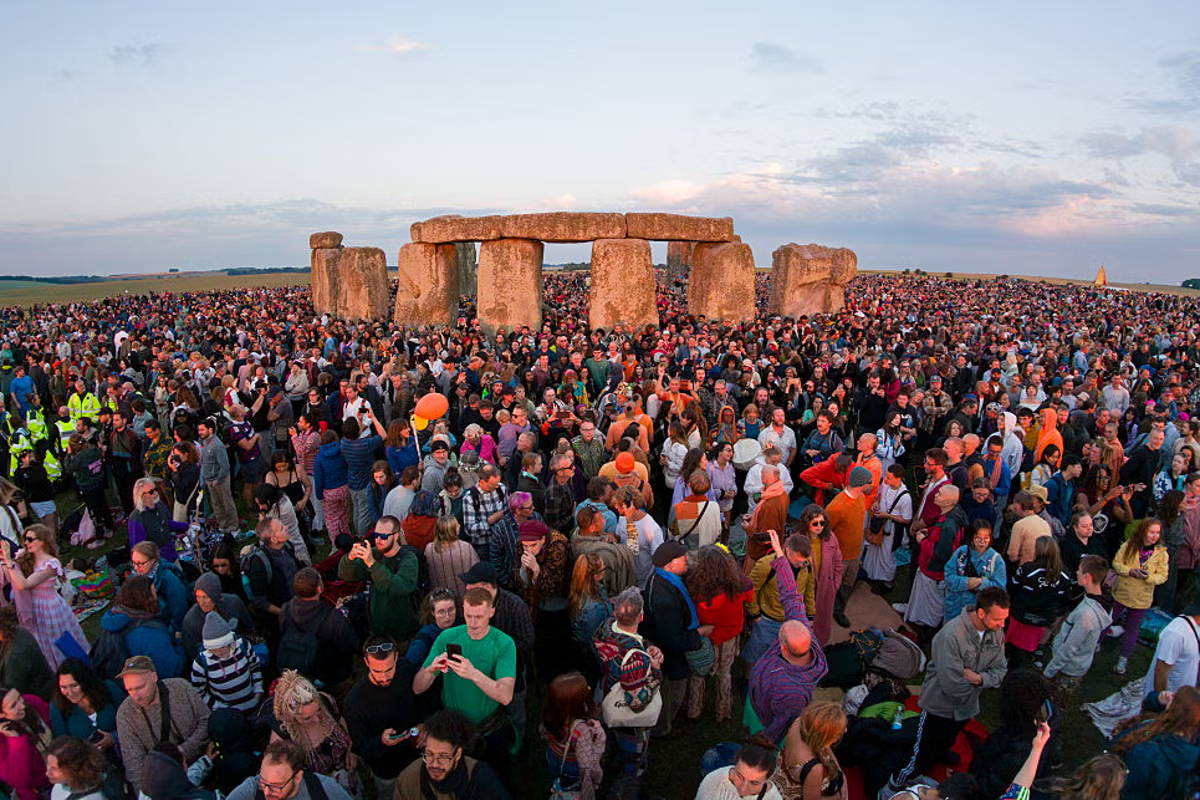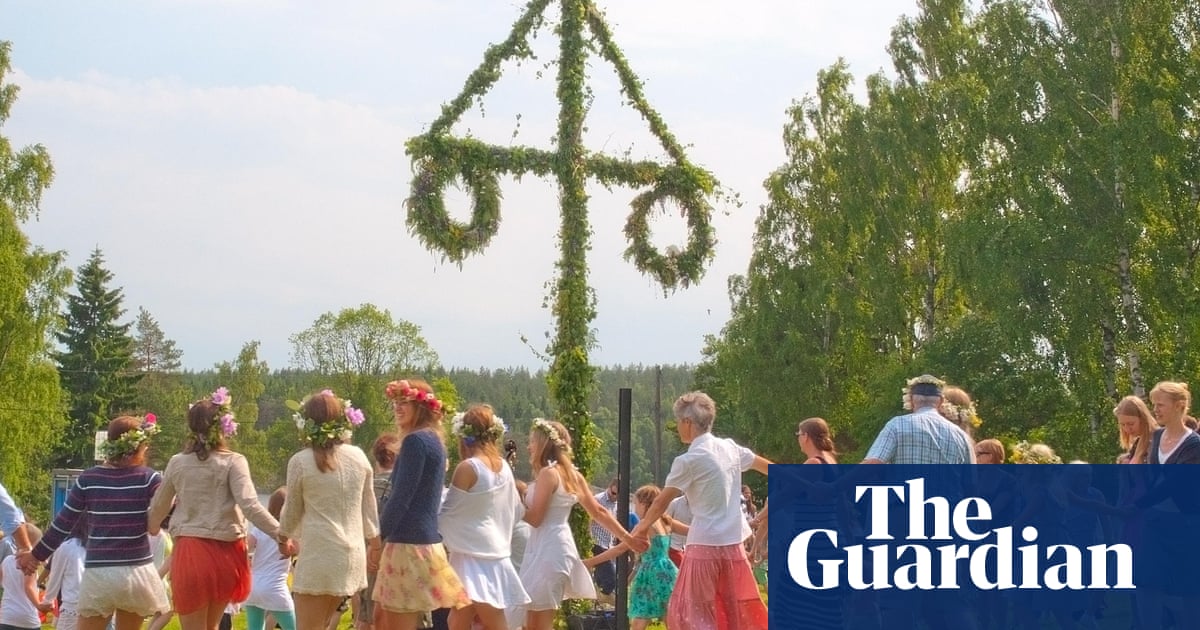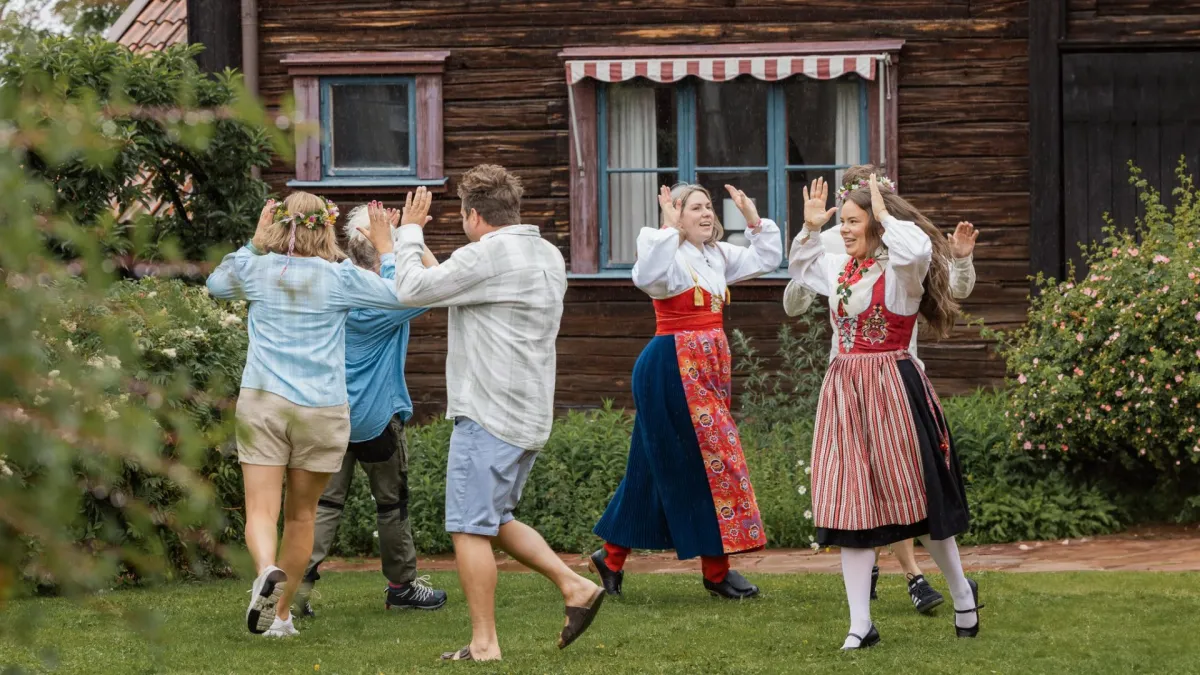
In the Baltic nations, midsummer celebrations are rooted in pagan traditions around fire and fertility. They are also a good excuse to meet up with family and friends for a party in the forest
T
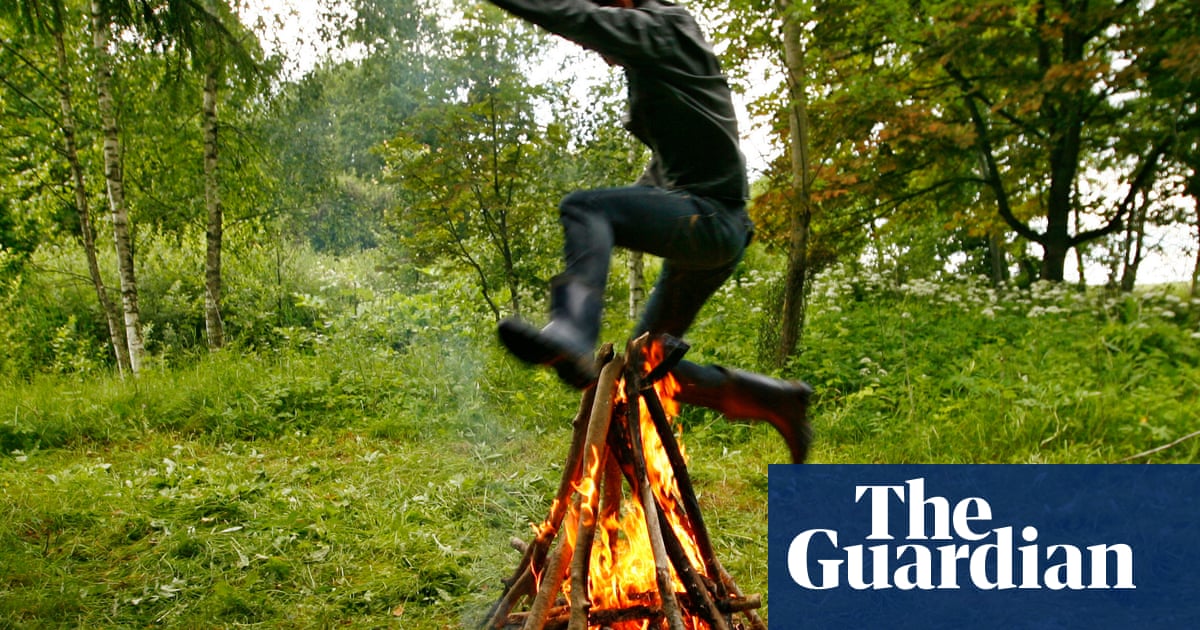
owards dusk a bonfire was lit and, one after another, the friends we were eating and drinking with hurdled the leaping flames, a pagan ritual thought to provide benefits including improved physical and mental strength, prosperity and fertility.
Further heat came from a sauna we made using five sacks of logs – too many, we agreed afterwards. When it got too hot, we escaped into the cool shallows of the pond just a few metres away, repeating this cycle several times.
As we soak up the long, light days of summer, I’m reminded of this magical time I spent in Lithuania celebrating the summer solstice, or Joninės as it’s called there. A suitable translation is Saint John’s festival, a public holiday celebrated each year on 23 and 24 June. The name pays homage to John the Baptist and coincides with his feast day, yet the traditions of Joninės are deeply rooted in the pagan celebration of midsummer, predating Christianity.