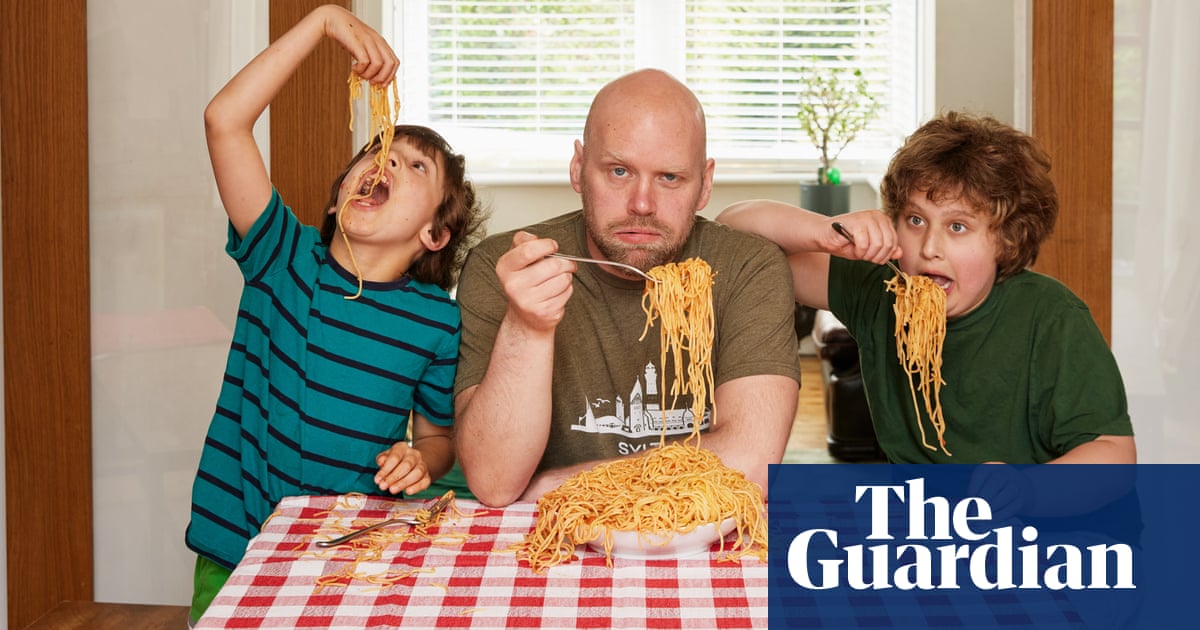
How easy is it to adapt to the continental rules of child rearing?
Stuart Heritage embraces Italian family life
“Gender roles have not changed very much,” says Manuela Naldini, professor of sociology of the family at University of Turin, of the Italian method of parenting. “Certainly not as much as we would like them to have, and not to the same degree as other European countries.” In practical terms, she says the result of this is that “it is seen as very important for the mother to stay with their child, especially when they are very small”.
Italy, she explains, has one of the lowest marriage rates in Europe. Due to financial constraints and high unemployment, children don’t leave the parental home until they are, on average, 30 years old. “This means that they postpone forming a couple, become parents quite old and have fewer children,” says Naldini.
The state of the labour market also means that men are far less likely to take parental leave. “If you do that as a father, you are seen as not a very trustworthy person,” says Naldini. So typically mothers find themselves becoming the default parent. “This reinforces the gender division of household work, and the father’s participation remains a little bit circumscribed, especially when the children are very young.”