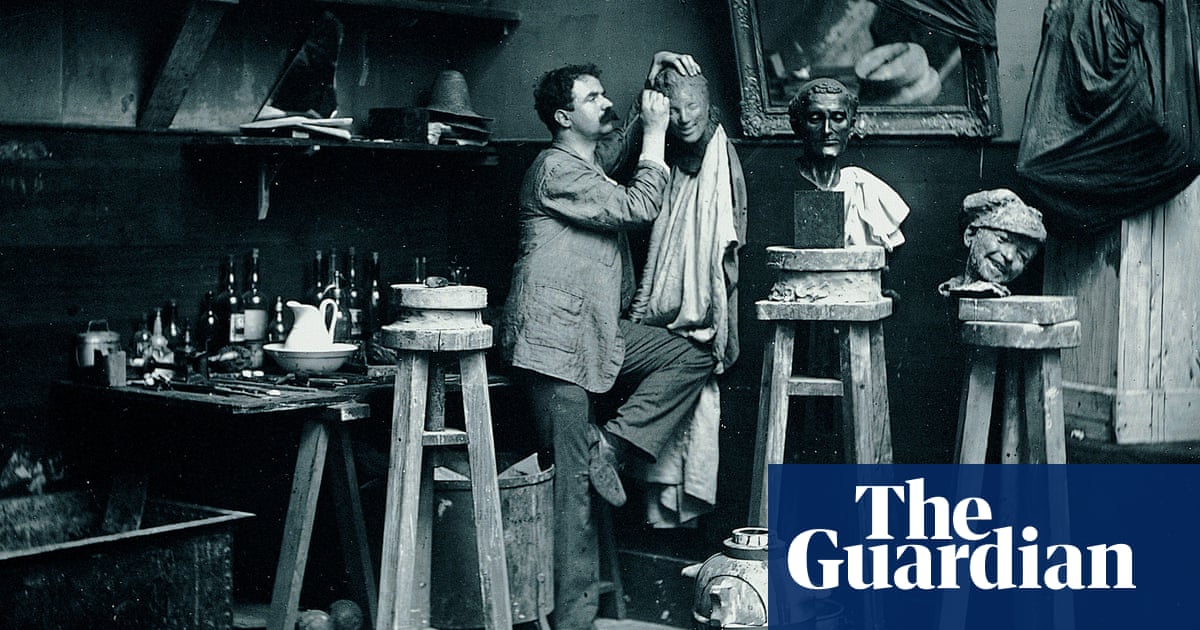
A new retrospective shines a light on the turn-of-the-century Italian artist, one of the art world’s most obscure yet revered figures, whose legacy was eclipsed by his contemporaries
I
f you ask art dealers and auctioneers about the legacy of the turn-of-the-century sculptor Medardo Rosso, you are likely to be met with a uniform reply: “Medardo who?” There’s no judgment here. I’ve worked in and around the art world for 20 years, and until recently I hadn’t heard of Rosso either.
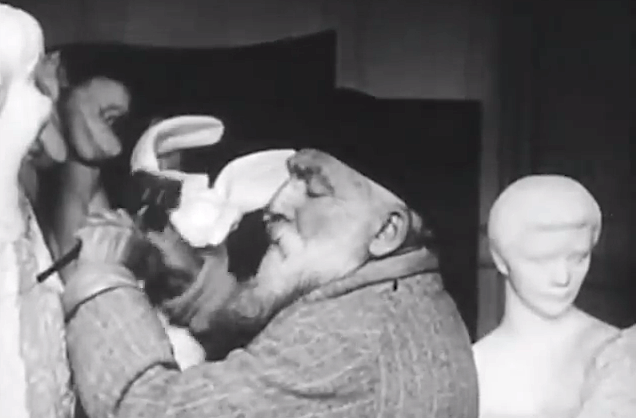
In artists’ ateliers, however, Rosso has long been a familiar and revered name. Auguste Rodin, the father of modern sculpture, was his champion and friend until the pair’s fallout. Émile Zola was a fan. The playwright Edward Albee owned a version of his sculpture Enfant Juif; French poet Guillaume Apollinaire described him as “without a doubt the greatest living sculptor”.
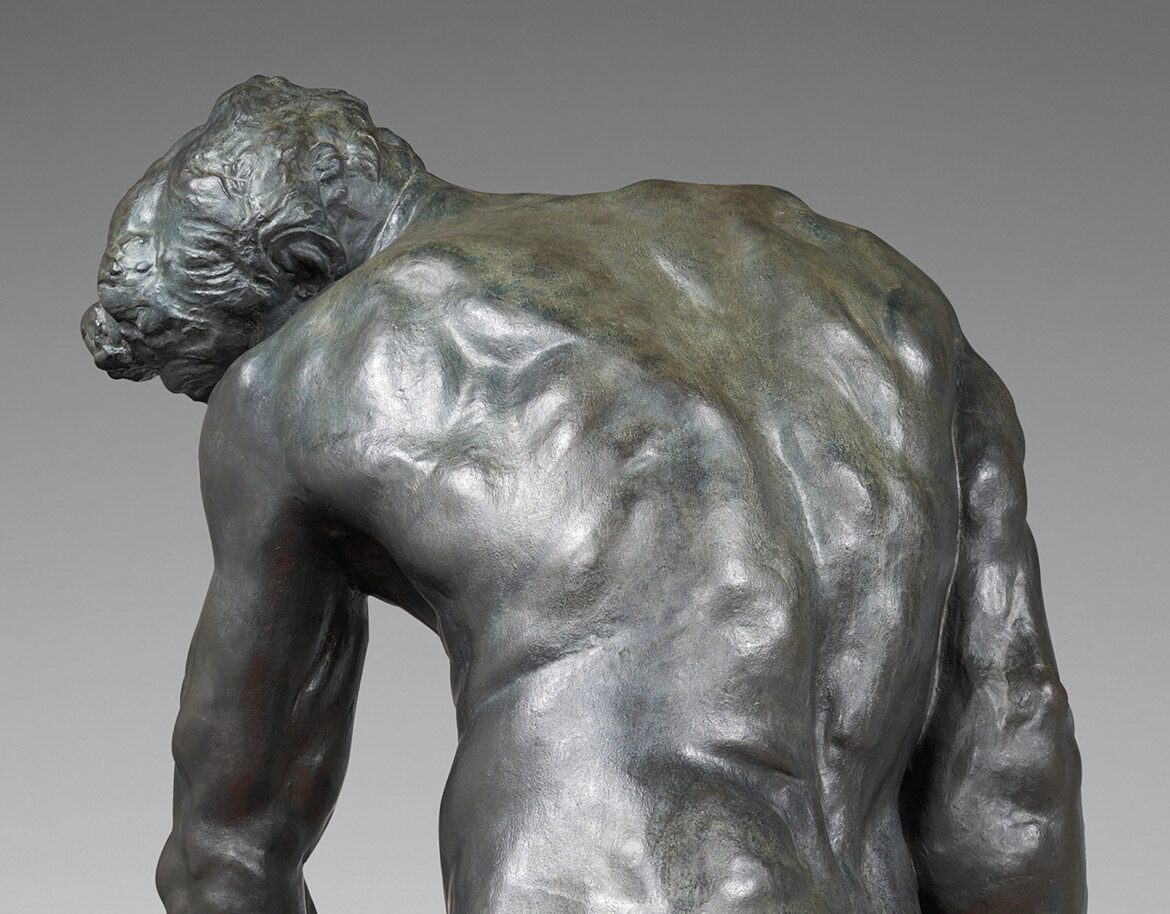
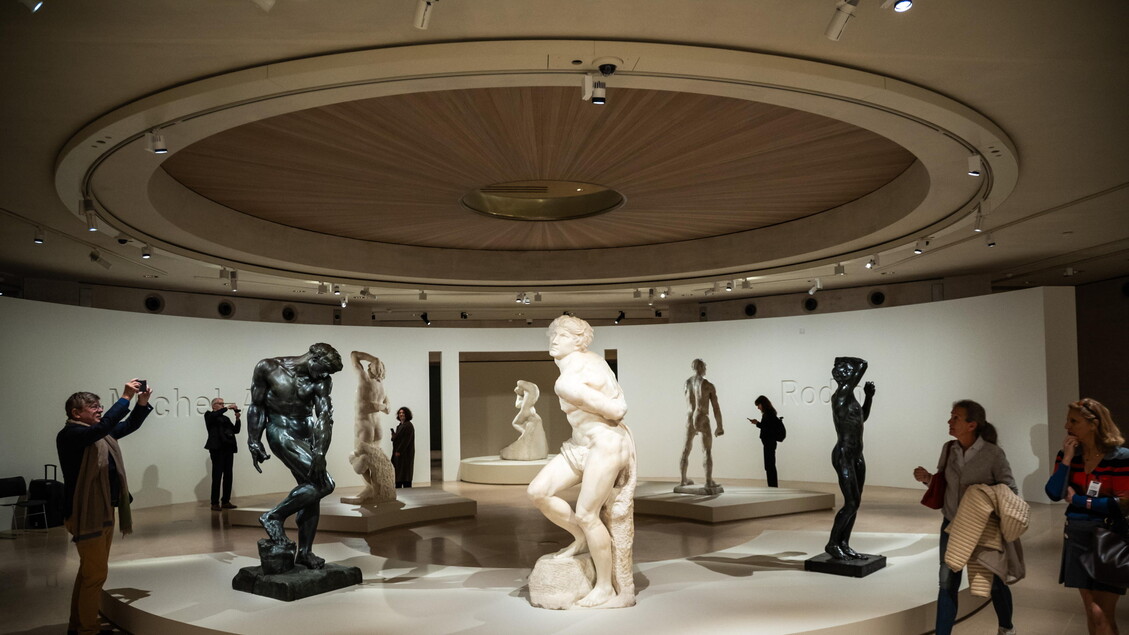
Rosso, a new retrospective at Kunstmuseum Basel, contends he brought sculpture into the modern era with busts and figures that seemed to materialise organically out of his materials – wax, plaster, bronze – like spectres in motion. The Swiss art institution has had no trouble finding 60 contemporary artists who feel a kinship with his sculptures, photographs and drawings, his fleeting impressions of street scenes, cafes and clouds – from Louise Bourgeois’s textile sculptures that look like entrails to Francesca Woodman’s wraithlike photographs.