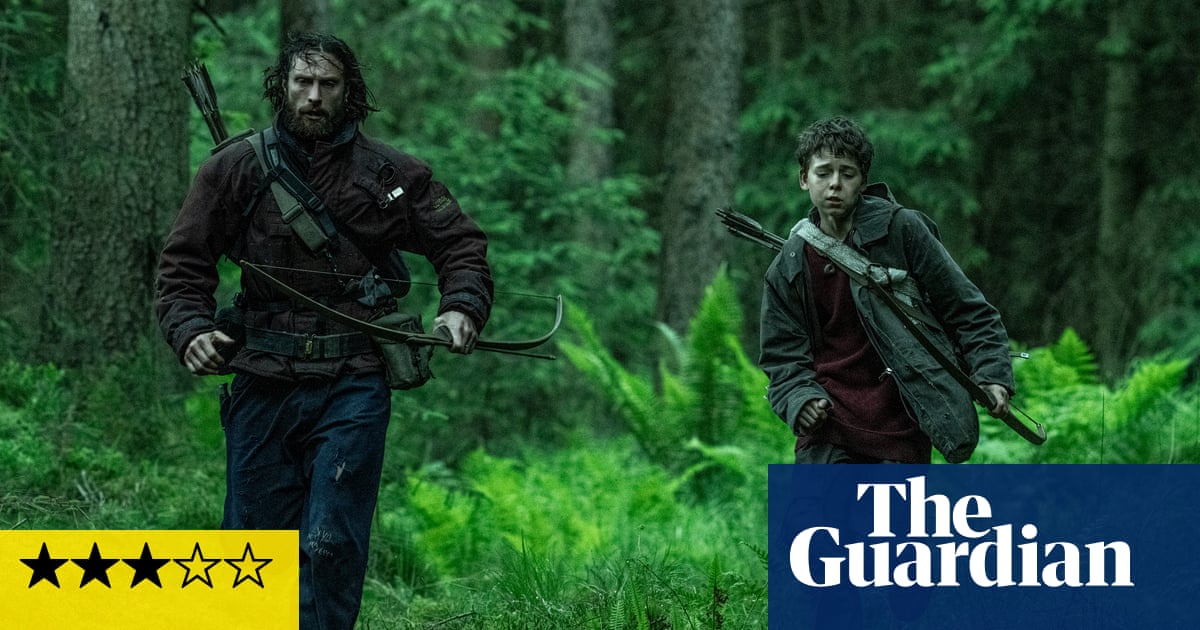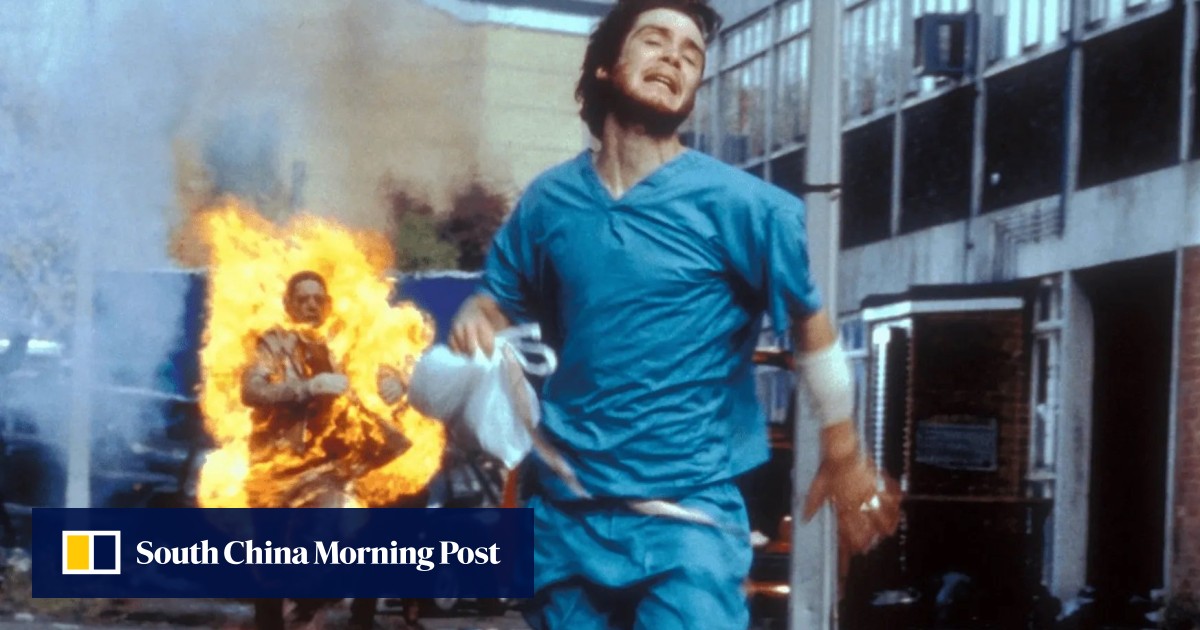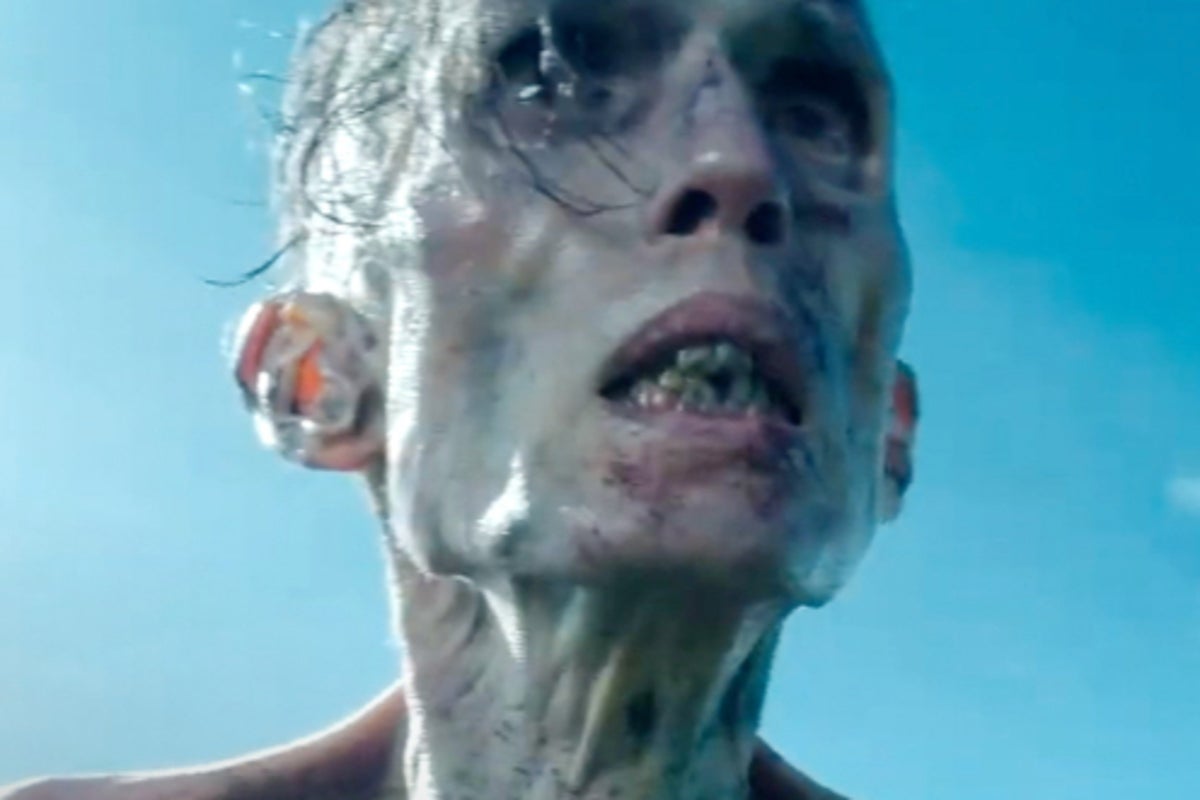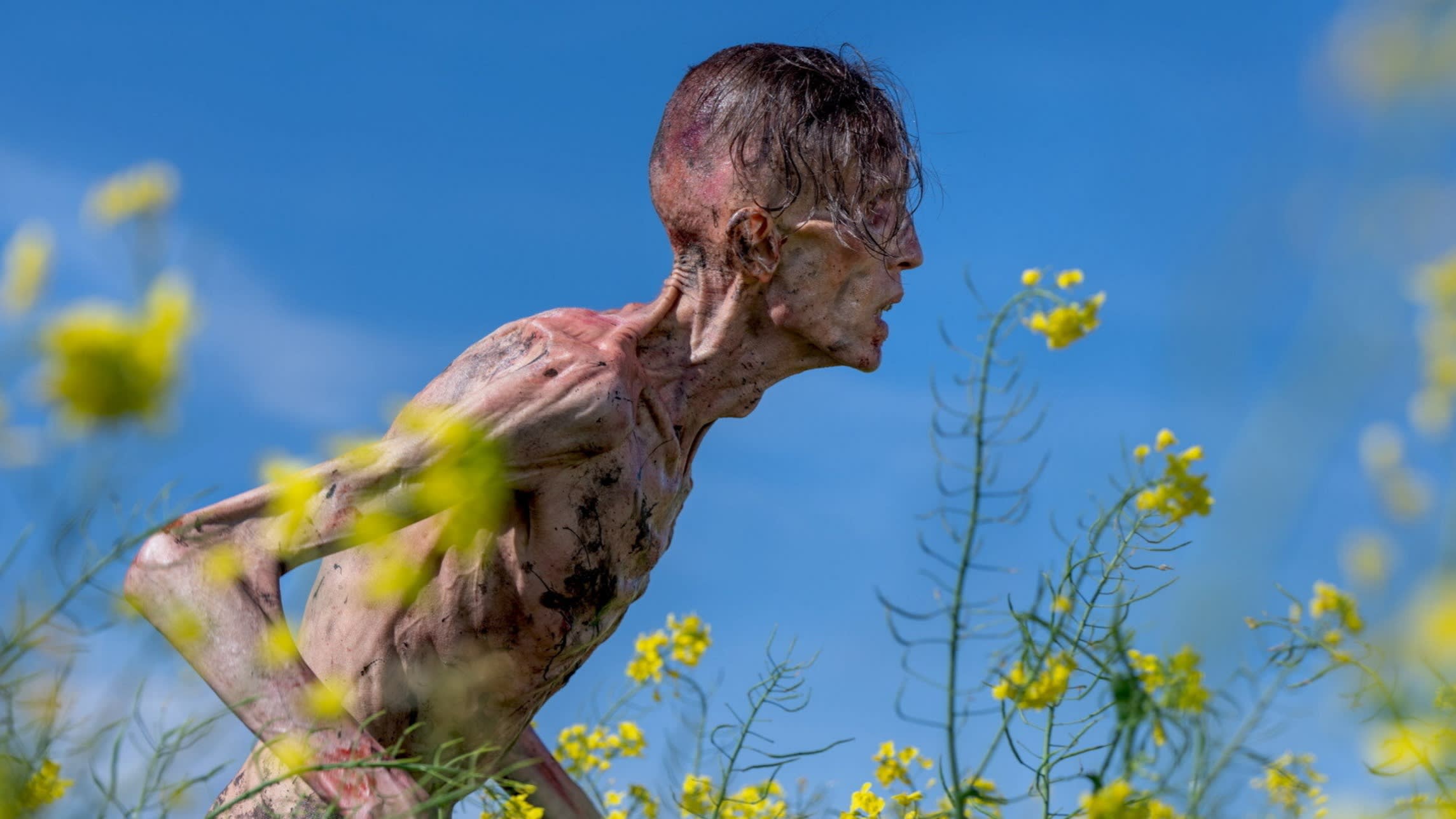
When 28 Days Later hit screens in 2002, it unleashed a new tangible sense of everyday terror, as Cillian Murphy stumbled around London's chillingly deserted streets and landmarks, emptied by a zombie virus outbreak.
In March 2020, the dystopian nightmare became reality when the Covid pandemic transformed the capital into a ghost town. Whereas Murphy's character saw Oxford Street awash with "missing" posters, today a memorial wall stands opposite Parliament to commemorate the 200,000 UK dead.
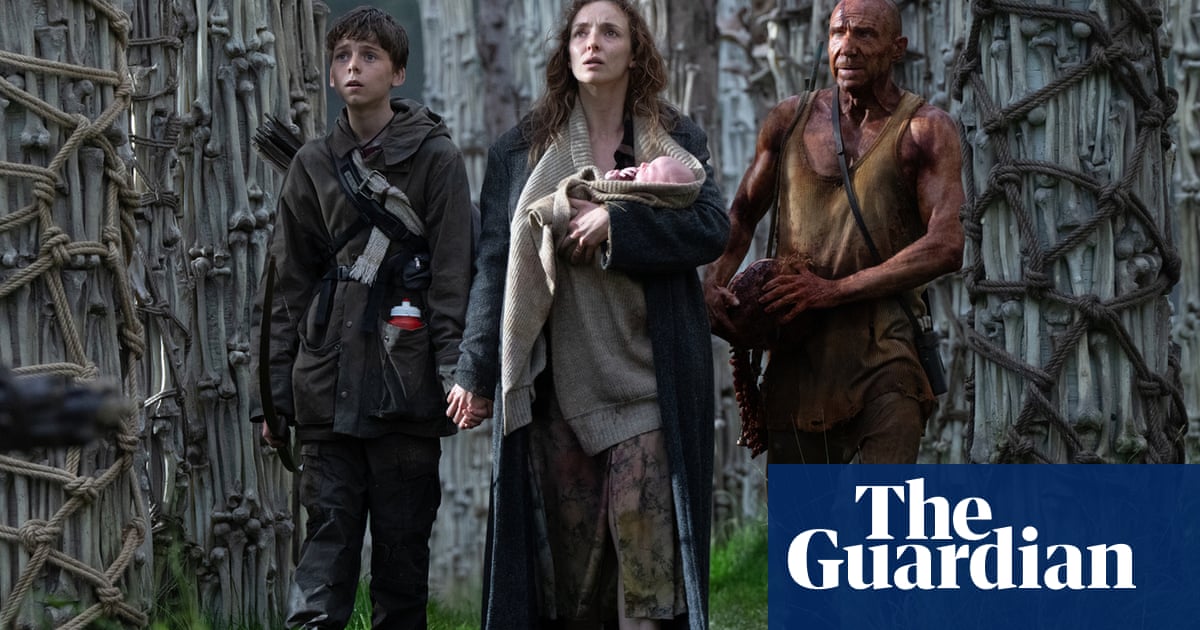
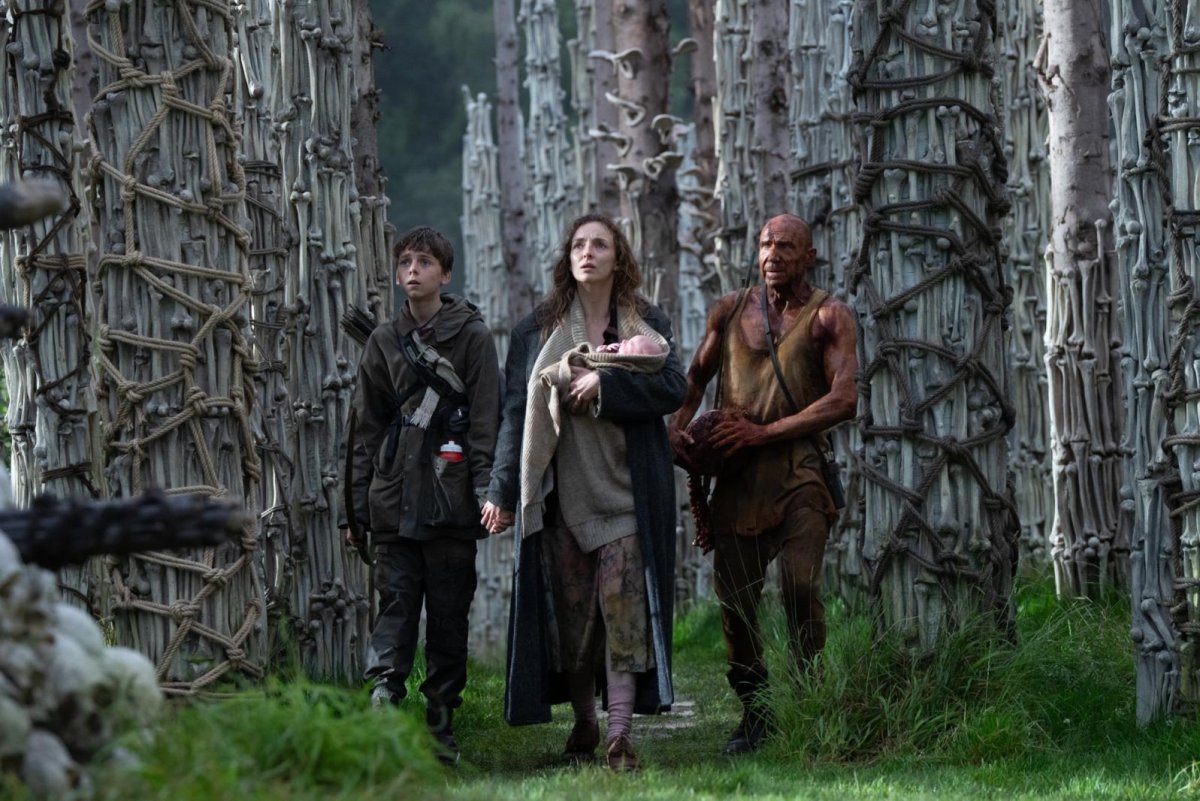
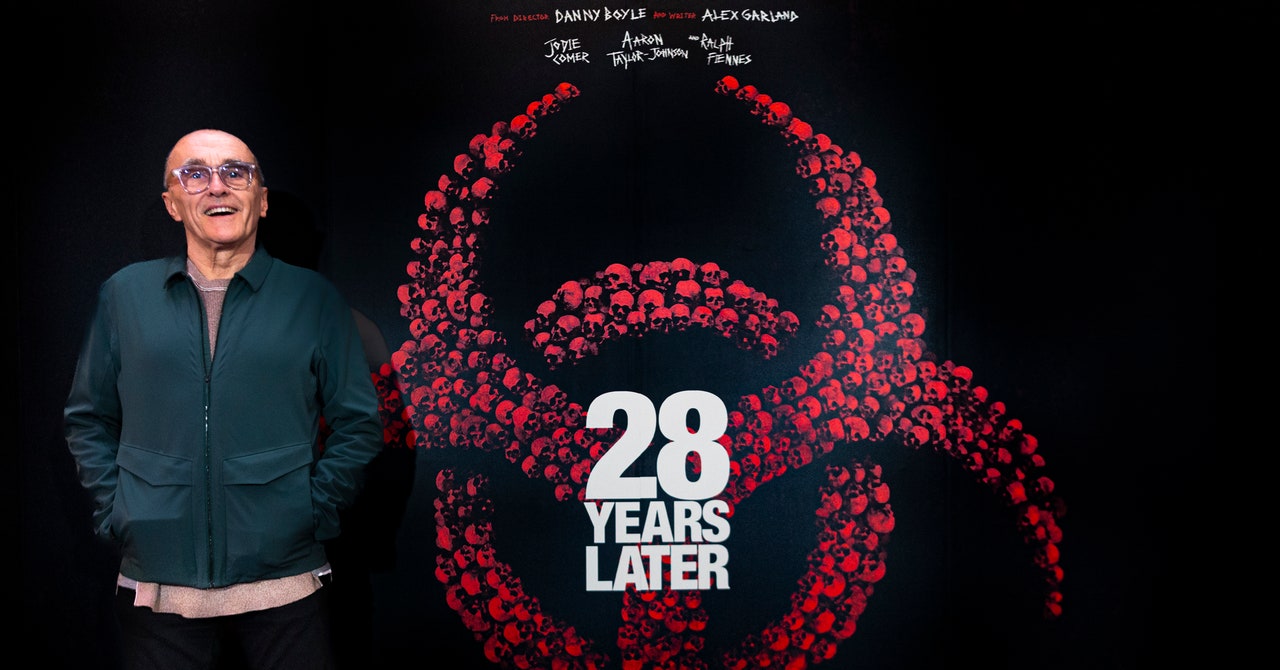
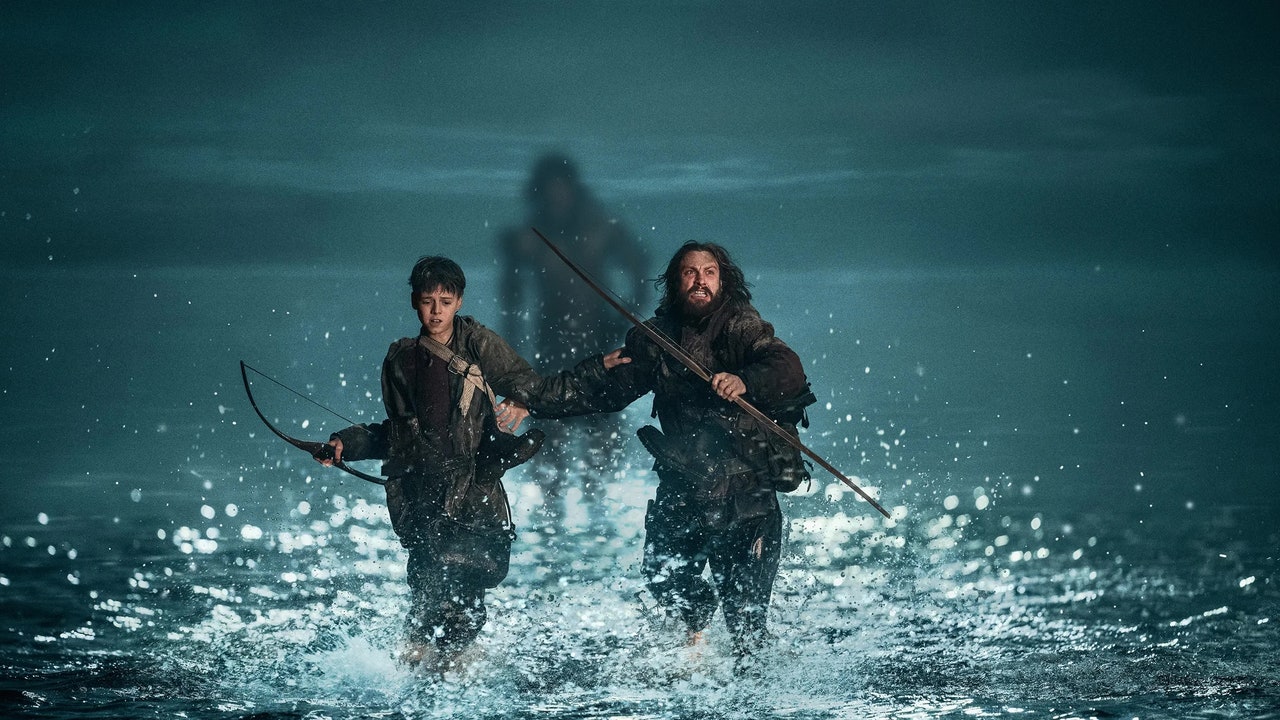
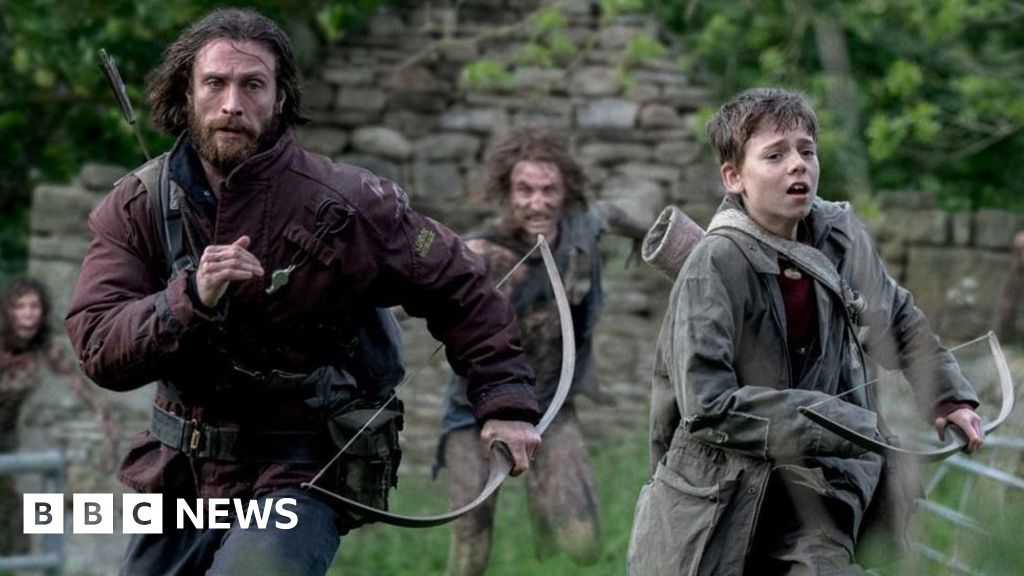
It is in this ever-changed climate that original director Danny Boyle and writer Alex Garland have returned to their virus-filled world with 28 Years Later.
Speaking to BBC News, Boyle says that for audiences, going through a sudden life-threatening transformation - even without zombies - has intensified the terror, because "what we used to think only belonged in movies" now "feels more possible".
But it is the way we adapted to Covid, and learned to live within the confines of an unstable, vulnerable reality, that he says is central to the new film.