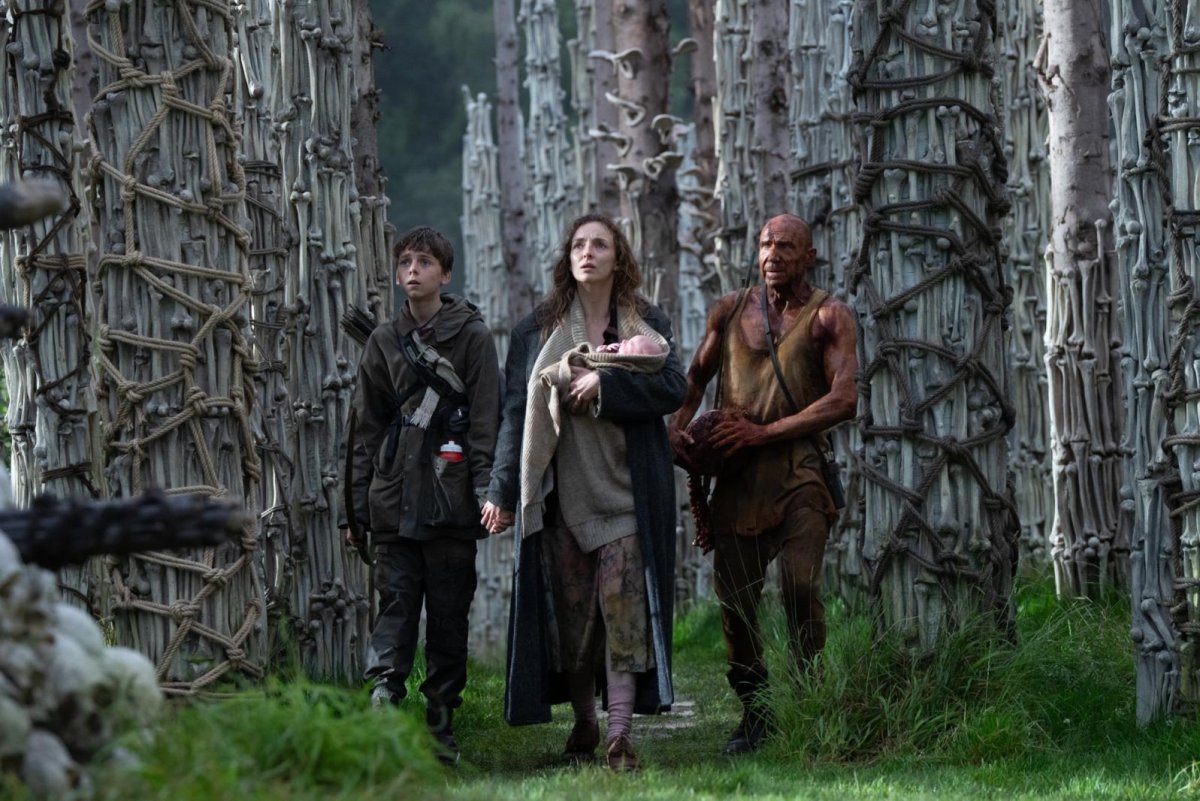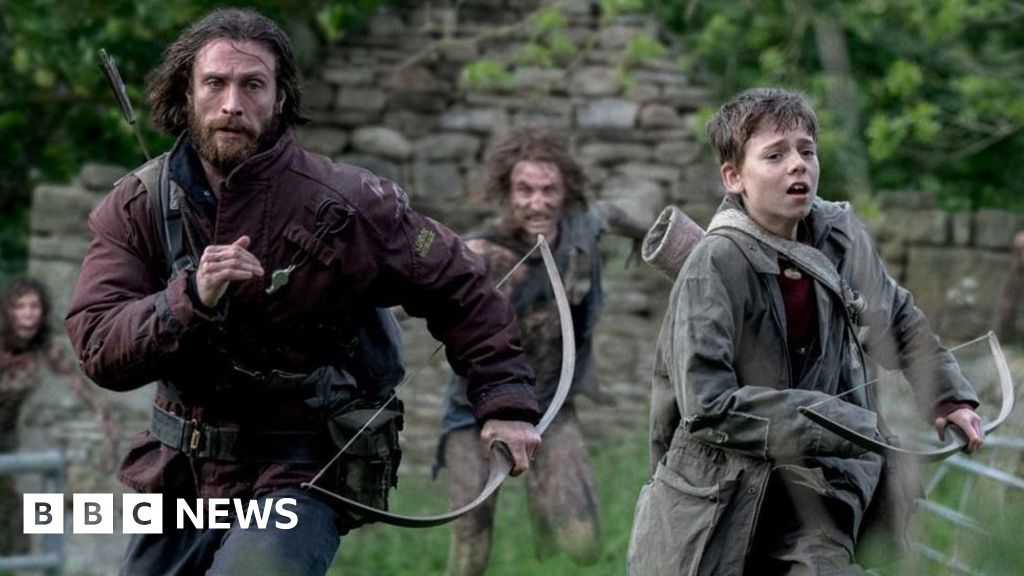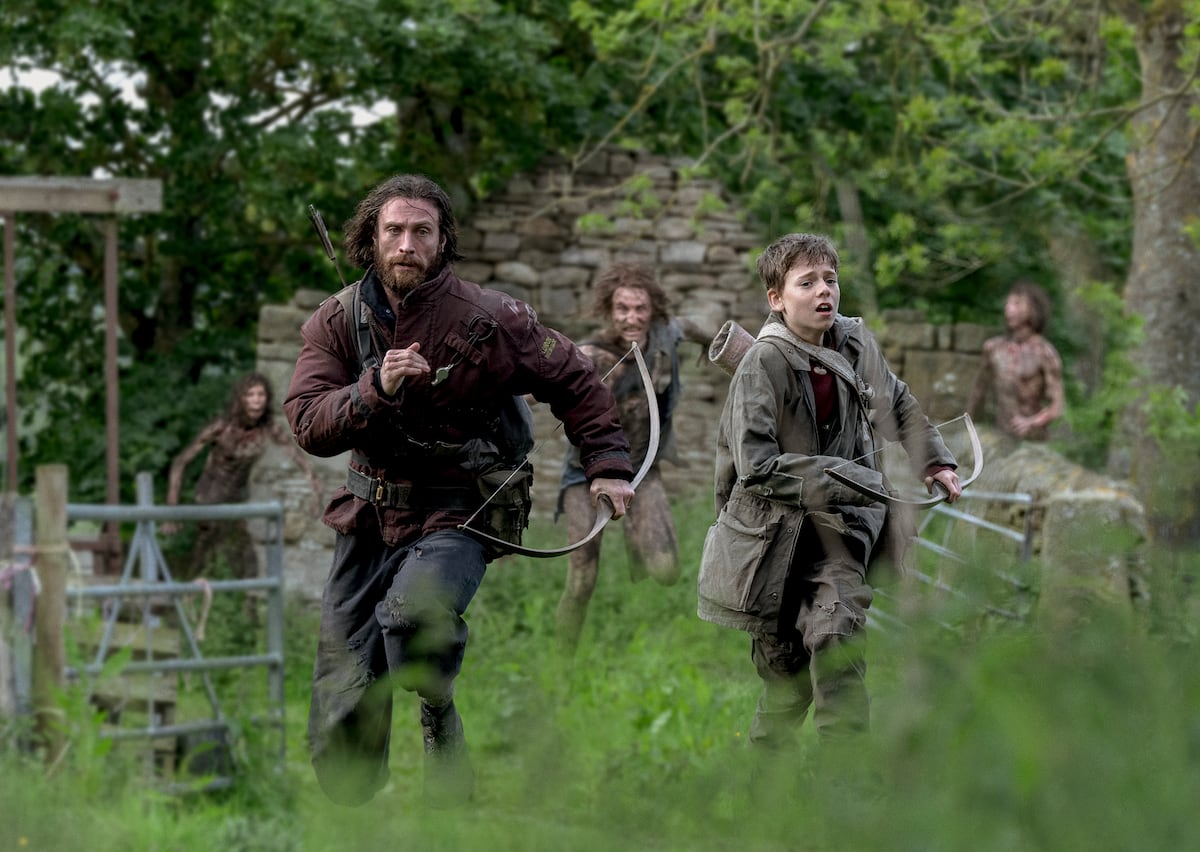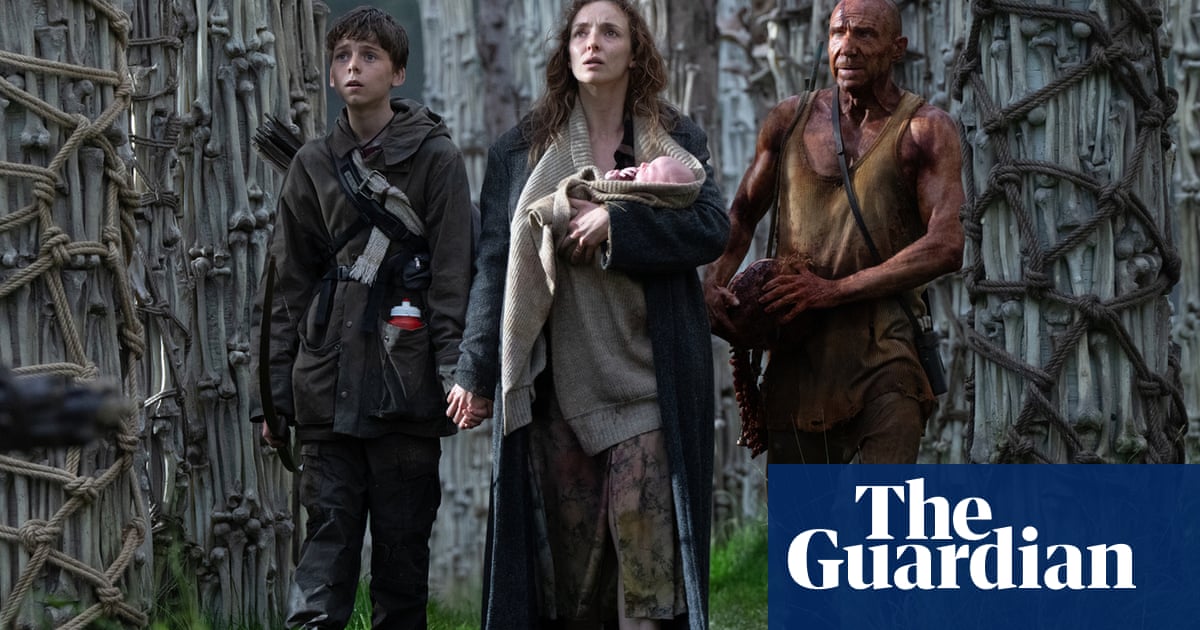
Danny Boyle’s much-anticipated sequel kicks off a new trilogy filled with surprises but what does it all mean and what can we expect next?
This article contains spoilers for 28 Years Later
anny Boyle and Alex Garland have done it again. In the early 2000s, 28 Days Later became the most popular and influential zombie movie in decades, with its fast-moving, virally infected, not-quite-undead marauders rampaging through a post-apocalyptic England. Now Boyle and Garland have reunited with 28 Years Later, easily the most talked-about horror movie since Sinners, and the biggest zombie movie since the PG-13 dilutions of World War Z back in 2013. Compared with the countless familiar zombie movies and TV shows that have popped up since the original movie, 28 Years Later is a thorny, challenging, unpredictable work, which means there’s plenty to discuss now that it’s spent a well-attended weekend in wide release. Here are some major spoiler-heavy topics related to the film’s style, themes, sociological implications and, of course, that ending.
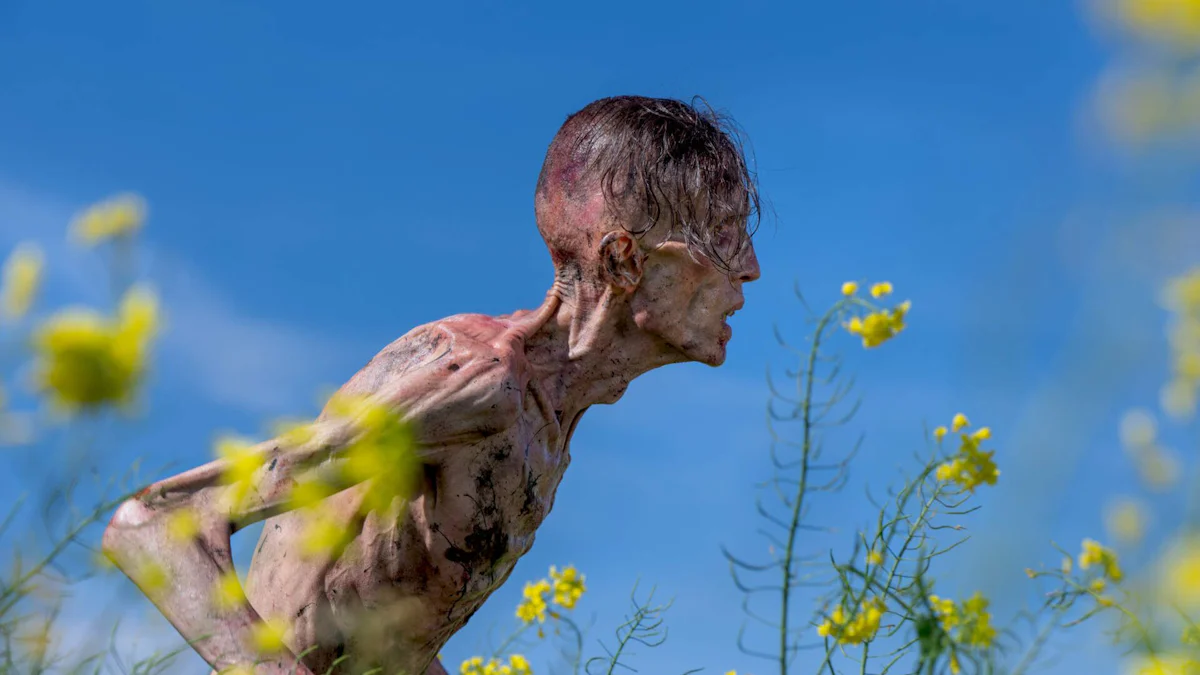
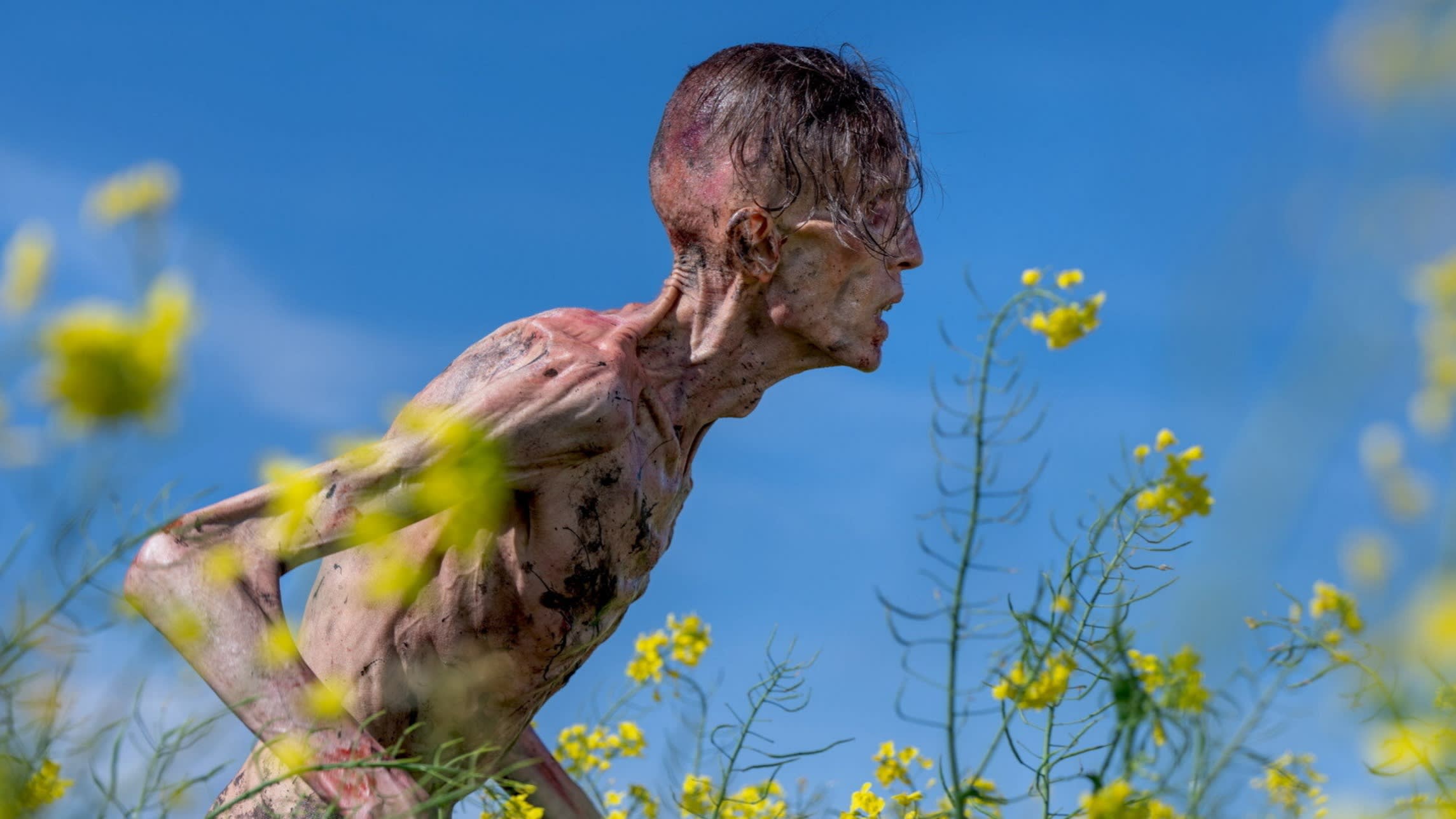
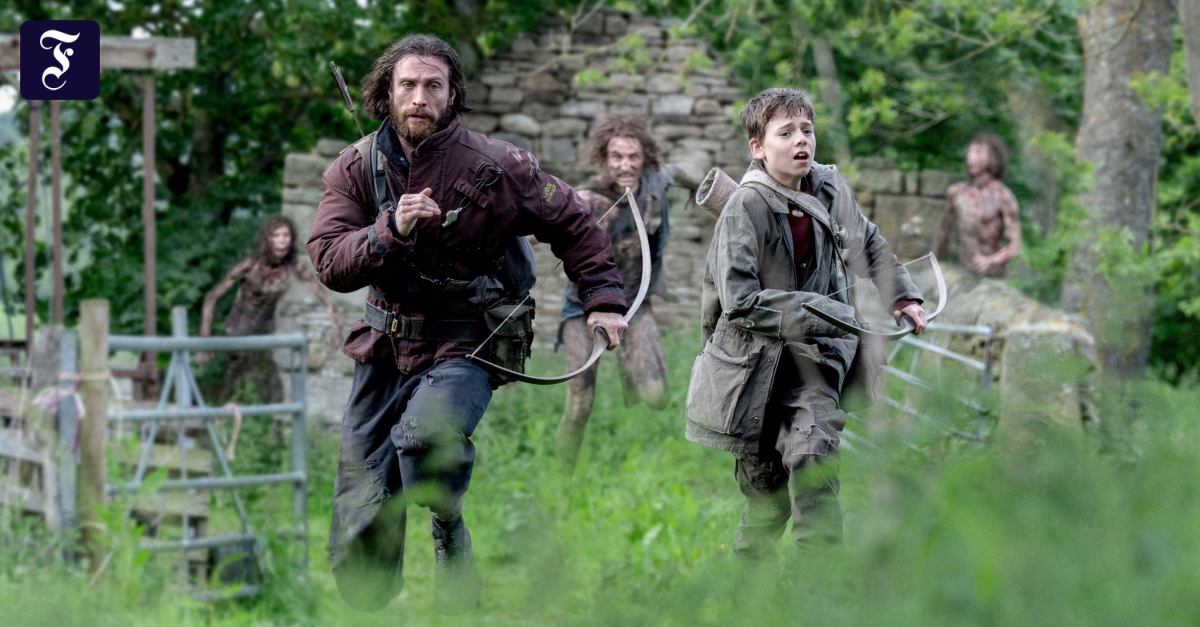
The original 28 Days Later is notable for its zombie efficiency. Rather than the slow shuffling and gradual, varying levels of undead decay often seen in zombie classics from George A Romero (and the many movies influenced by his films Night of the Living Dead, Dawn of the Dead and so on), these zombies aren’t technically zombies at all. They’re victims of a lab-leaked “rage” virus (with the hilariously dodgy origins of … showing monkeys violent news footage?!) that seems to be spread by virtually any exposure to an infected person’s blood or saliva. Within a minute or two, the newly infected will be vomiting blood and attacking anyone around them in a deranged frenzy. The victims are analogous to zombies because of their seeming thirst for human carnage (though it’s never clear whether they’re truly “feeding” on humans) and the mindlessness with which they pursue it, but they’re a less supernatural variation than some of their ancestors. The same was true for the 2007 sequel 28 Weeks Later.