Sharp edges of bitter history keep jutting through Wes Anderson’s whimsical intrigues that turn international tragedy into light comedy
T
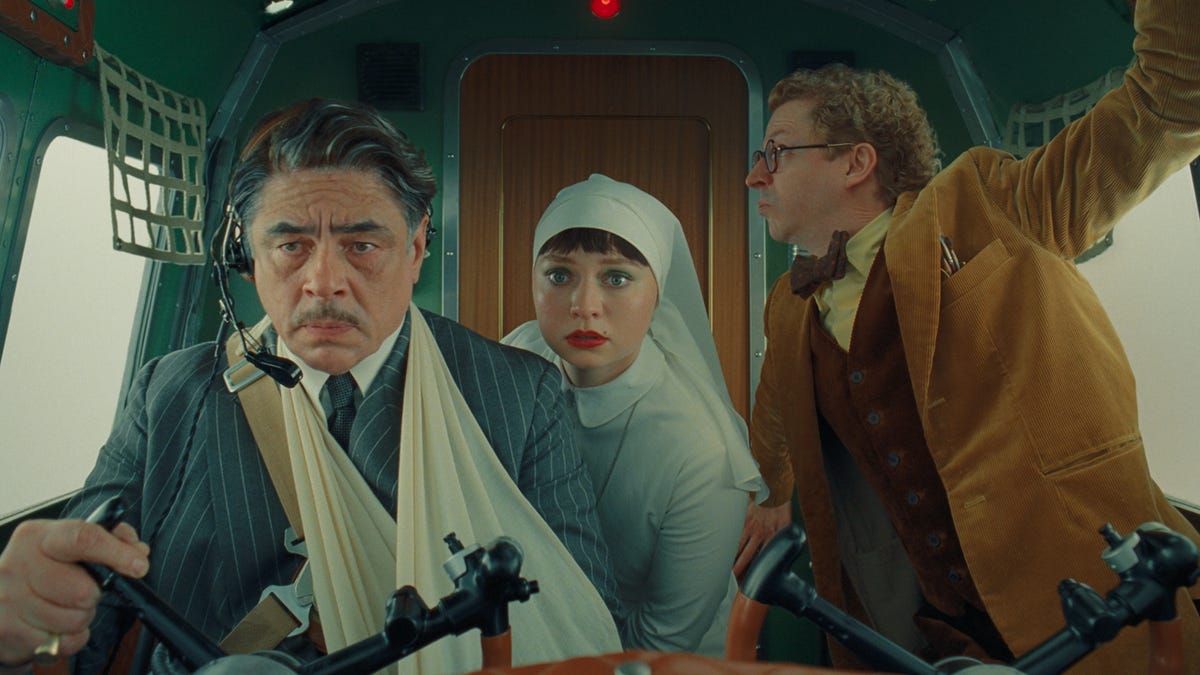
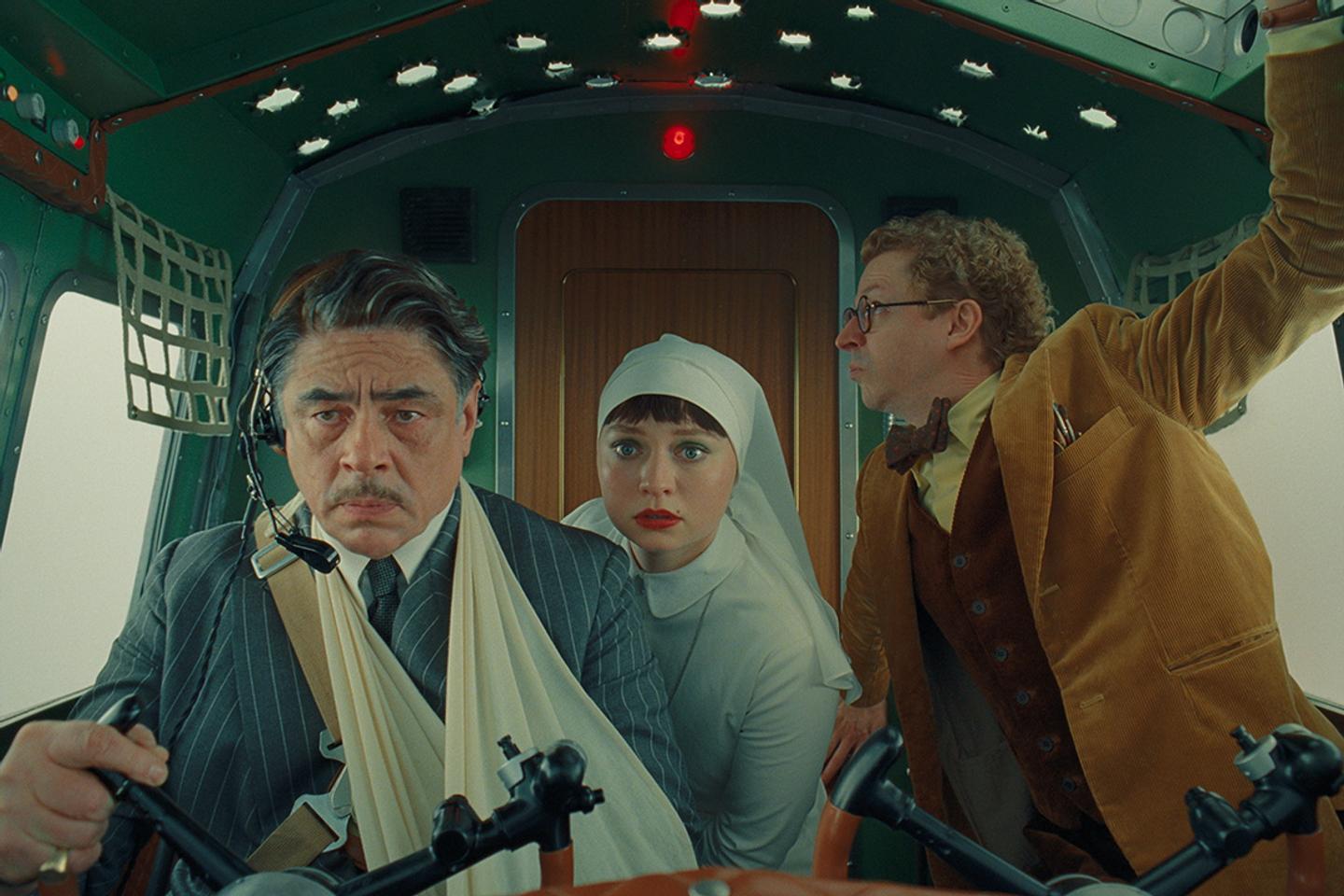
he Phoenician Scheme, Wes Anderson’s makebelieve treatment of the war-ravaged near east, reimagines the region as a sunlit Levantine fantasia of cypress trees, fez hats, camel-riders and kitsch hotels, all photographed with the lustre of an Ottolenghi cookbook. Meanwhile, livestreamed daily to our news feeds, the warlords of the Holy Land exhibit for us an equally spectacular dystopia of cities pummelled into sawdust, of skies scarred with scorching white phosphorus and gun-toting paragliders.
How could these images be of the same place? What does it mean that they have been produced at the same time, and that we are consuming them alongside each other?
The film is set in the Middle East of a parallel universe. It’s 1950, but decolonisation, the Holocaust, the world wars – none appear to have taken place; history has stalled in a kind of perpetual belle époque, leaving only a pastiche of the orient in its imperial heyday, meticulously reconstructed in the film’s geography and production design, its storylines and characters.