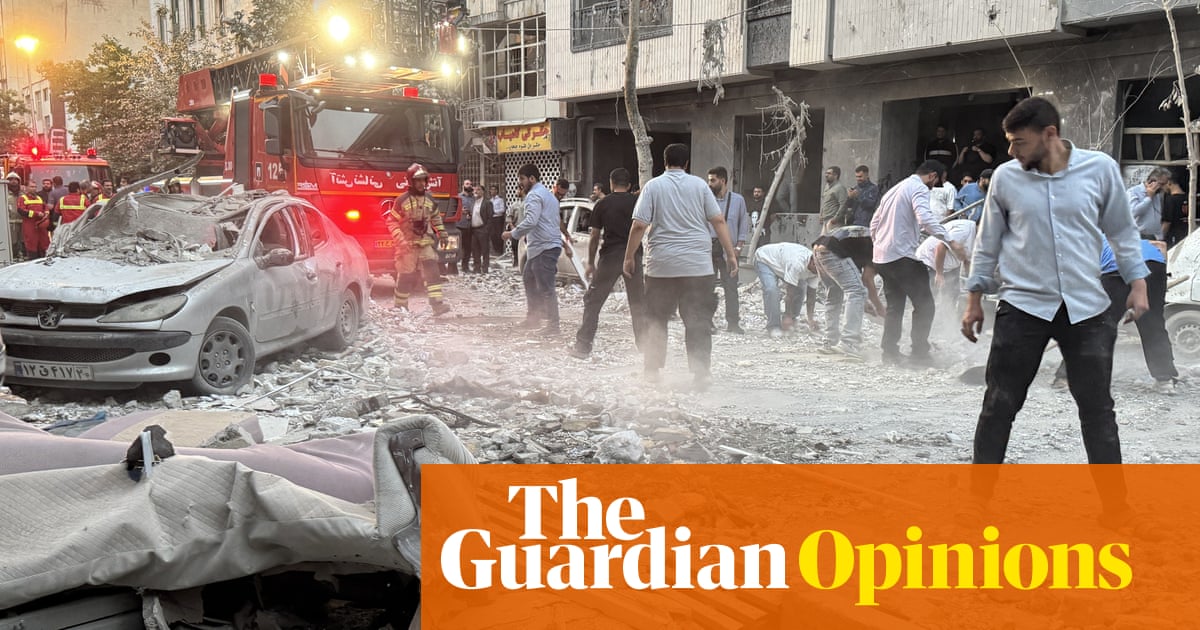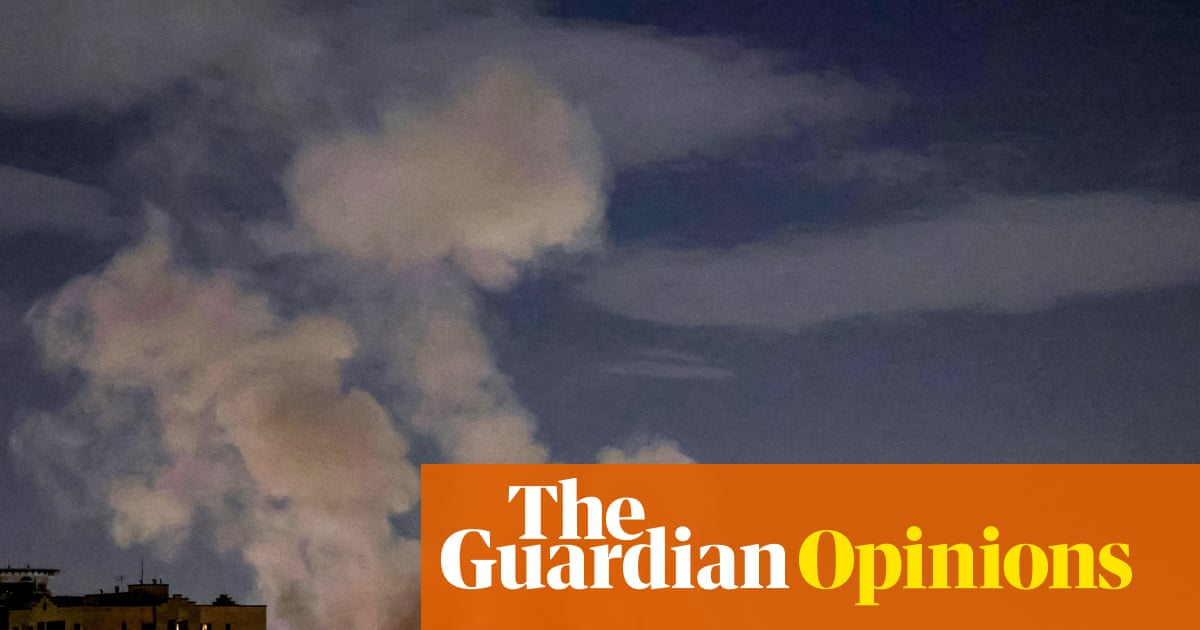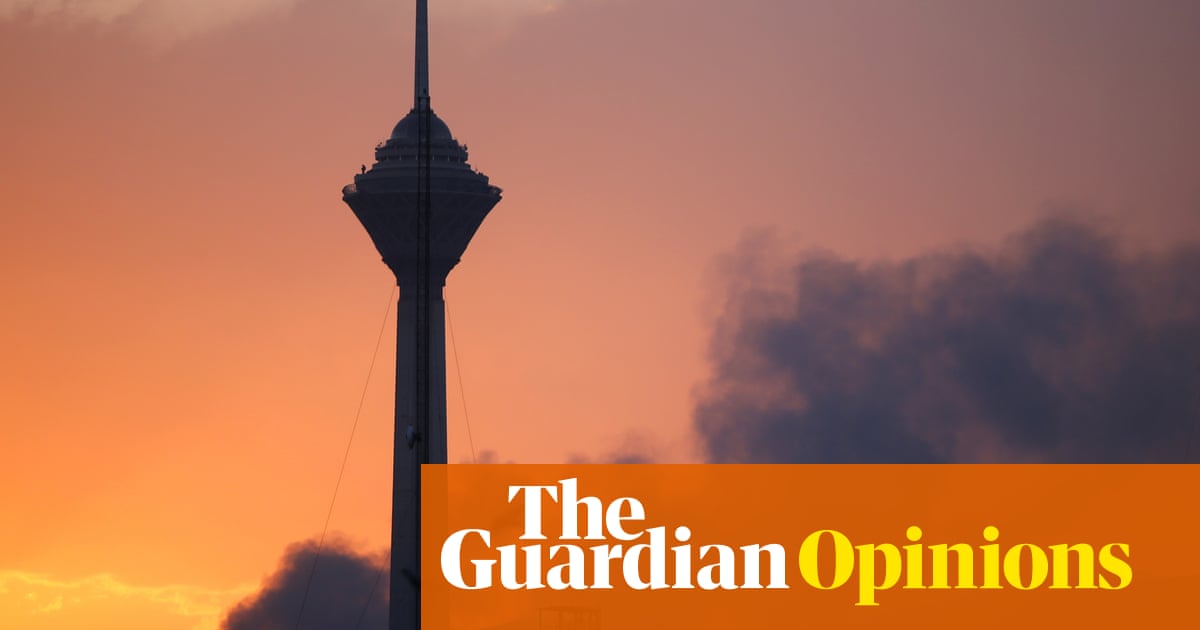
Israel’s strikes against Tehran risk spiralling conflict, flout legal norms and may permanently bury the last chance for nuclear diplomacy
I
n late 2020, Gen Mark Milley – then chairman of the US joint chiefs of staff – urged Donald Trump not to attack Iran and to ignore pressure from the Israeli prime minister, Benjamin Netanyahu, who was pushing hard for military action. Mr Trump backed down after the general warned that attacking Iran would start a war, with the risk of US officials being “tried as war criminals in The Hague”.
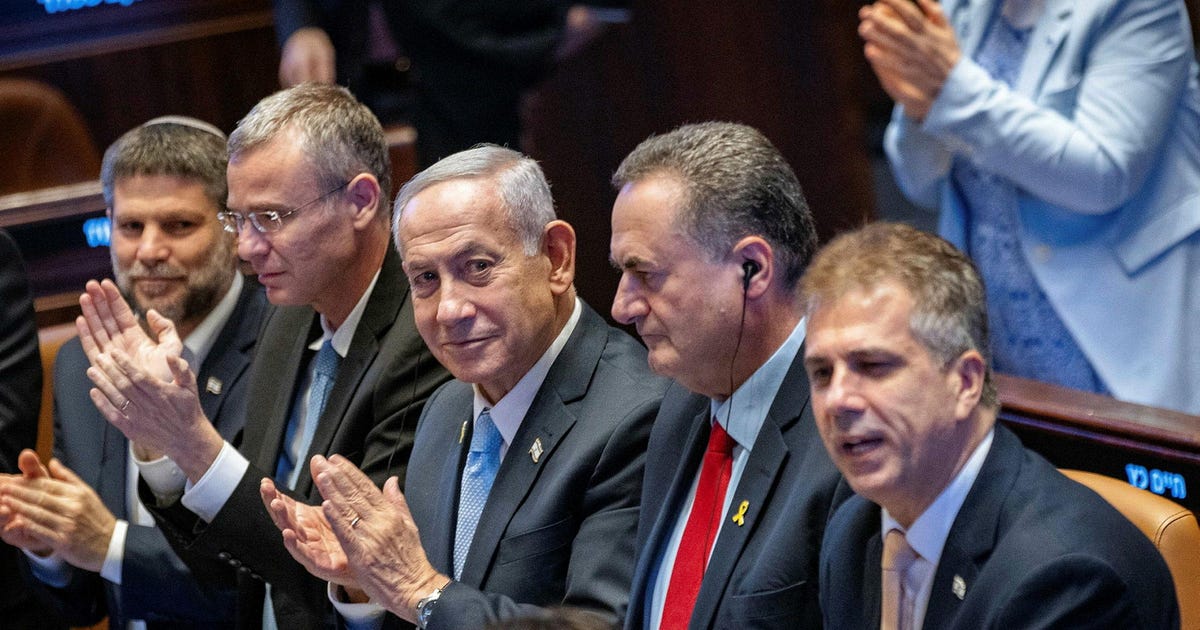
Five years on, Israel’s prime minister has the fight with Tehran that he has spent decades preparing for, bolstered by Mr Trump’s claims that international law no longer applies. After all, why worry about red lines when The Hague’s already got a warrant out for you and your allies pretend not to notice? It helps when the US treats the international criminal court like a rogue actor. Mr Trump has even gone after the court’s judges and prosecutor for daring to scrutinise “our close ally” Israel over Gaza. Legal norms? Apparently, those are for enemies, not friends.
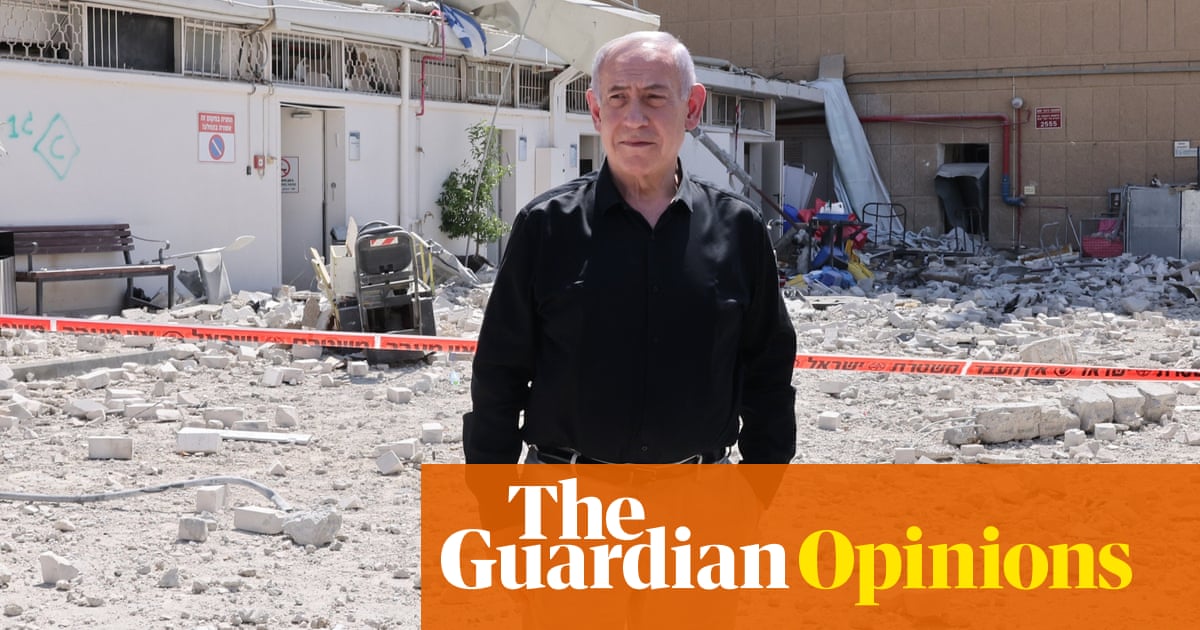
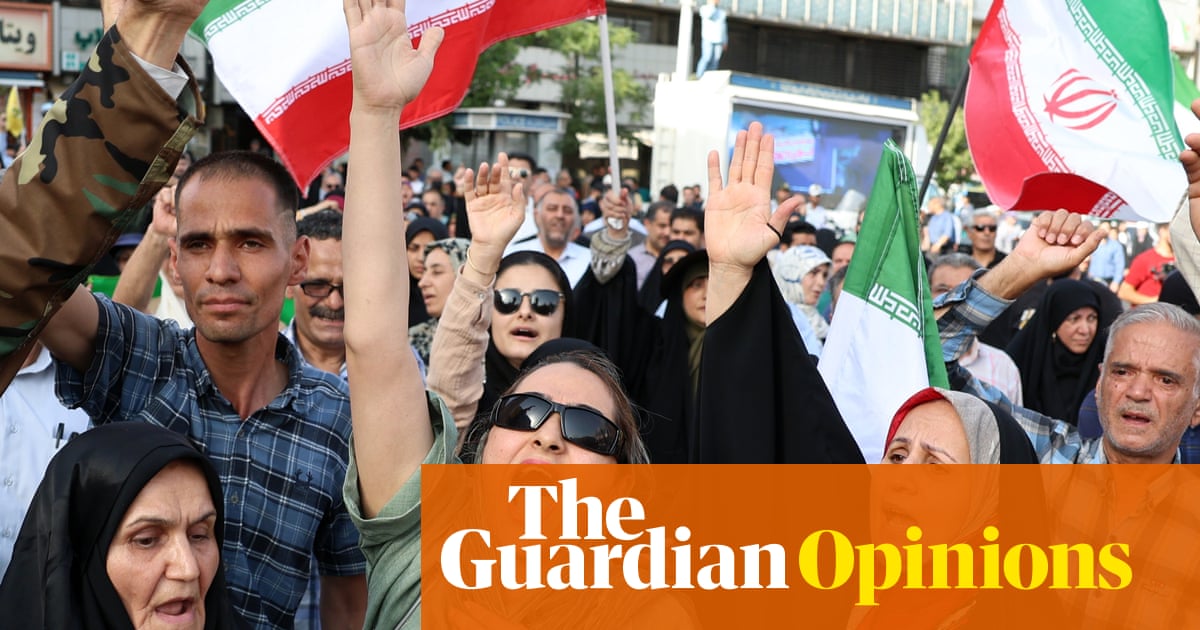
As the UN charter is typically interpreted, the use of force is allowed against an actual or imminent attack in self-defence – but it must be necessary and proportionate. With Mr Netanyahu’s expanding aims – regime change, strikes on energy infrastructure and bombing residential areas – the action no longer even pretends to be self-defence. In response, Iran has launched 10 waves of ballistic missiles, killing Israeli civilians and targeting its oil and gas facilities.