The conflict in Iran has absorbed global attention, but attacks on civilian infrastructure and occupation threats must be challenged
T
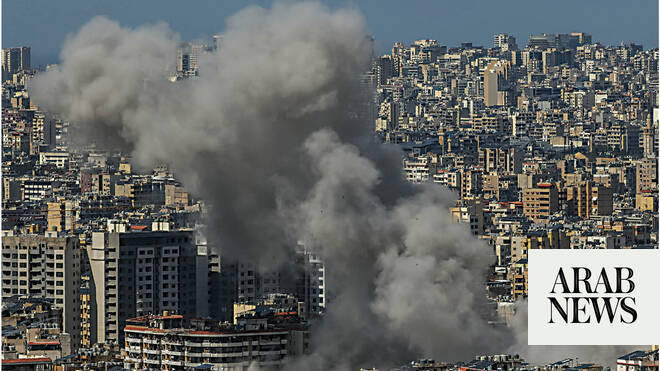
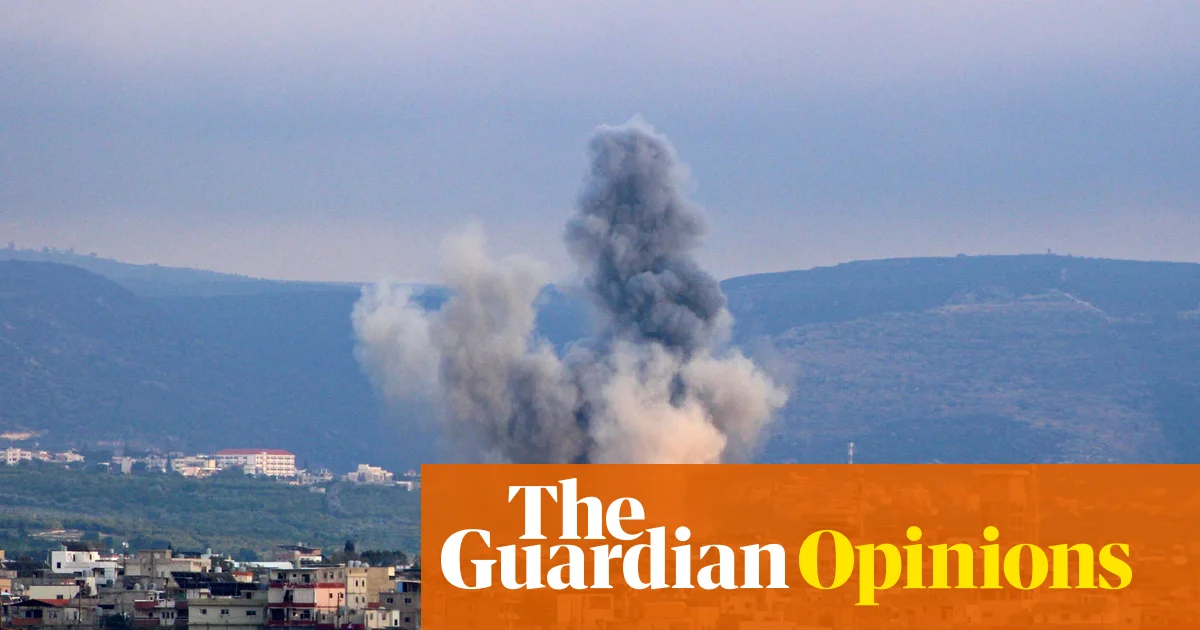
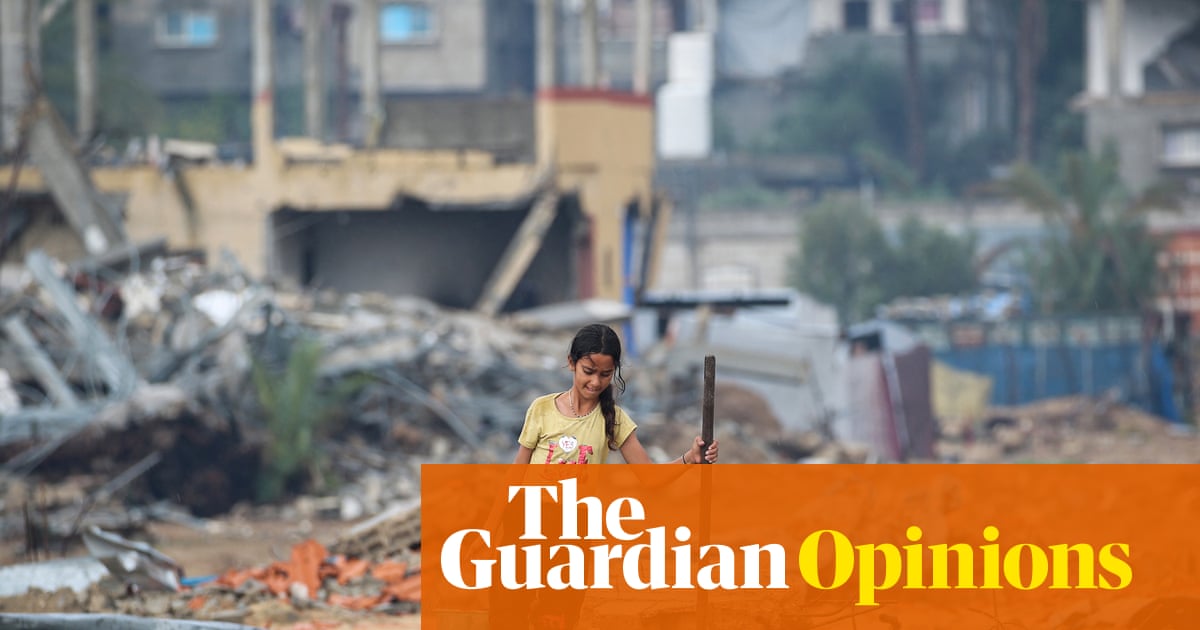
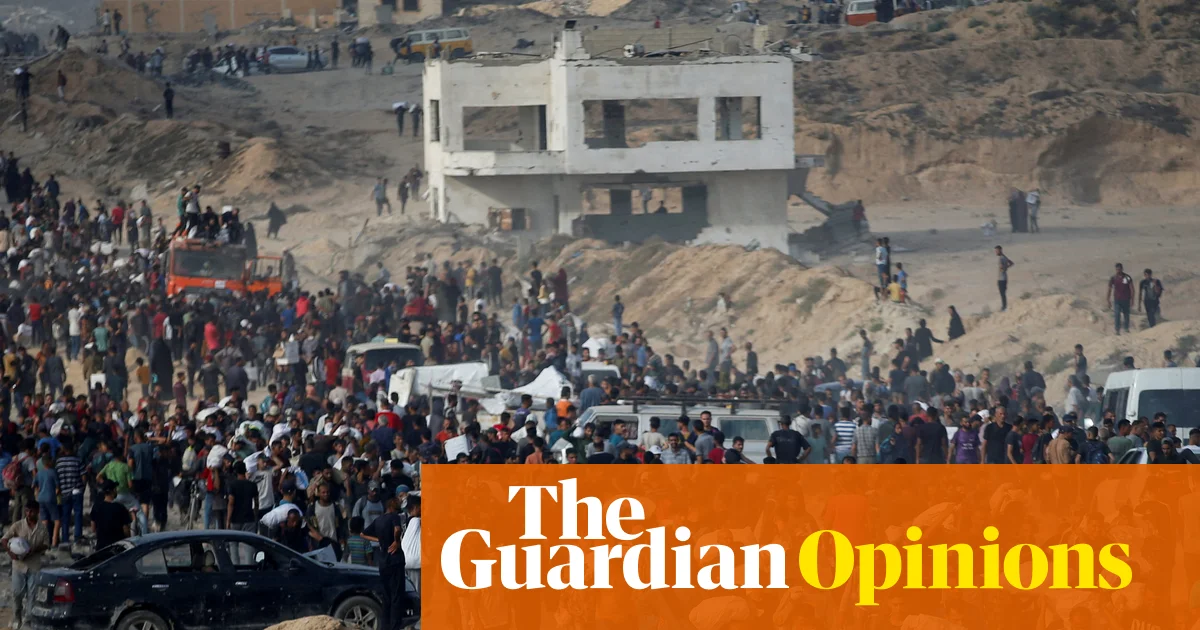
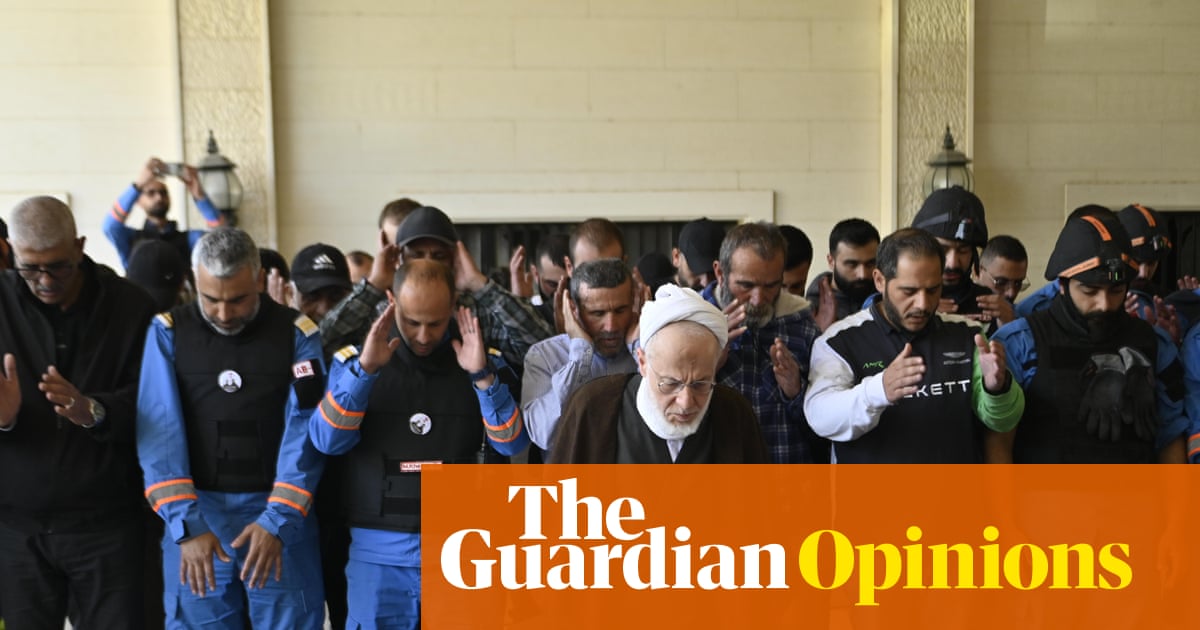
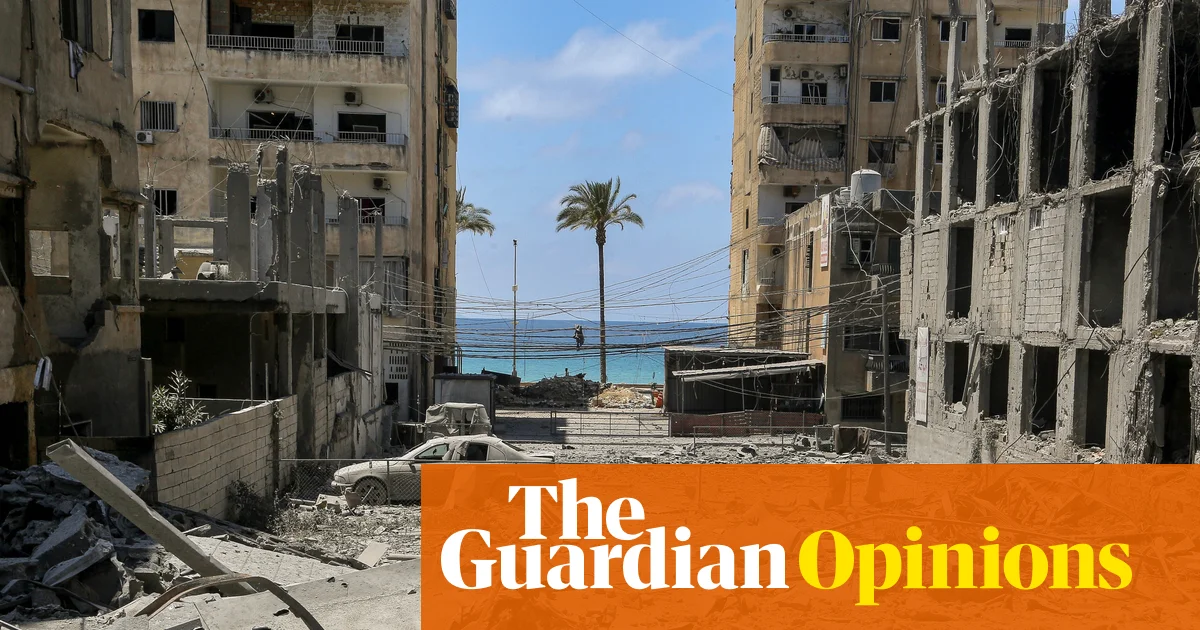
he intense focus on Donald Trump and Benjamin Netanyahu’s war on Iran has meant scant attention paid to the Israeli war in Lebanon. Yet almost 1,100 people have now been killed there by strikes, according to the health ministry, and a fifth of the population has been displaced.
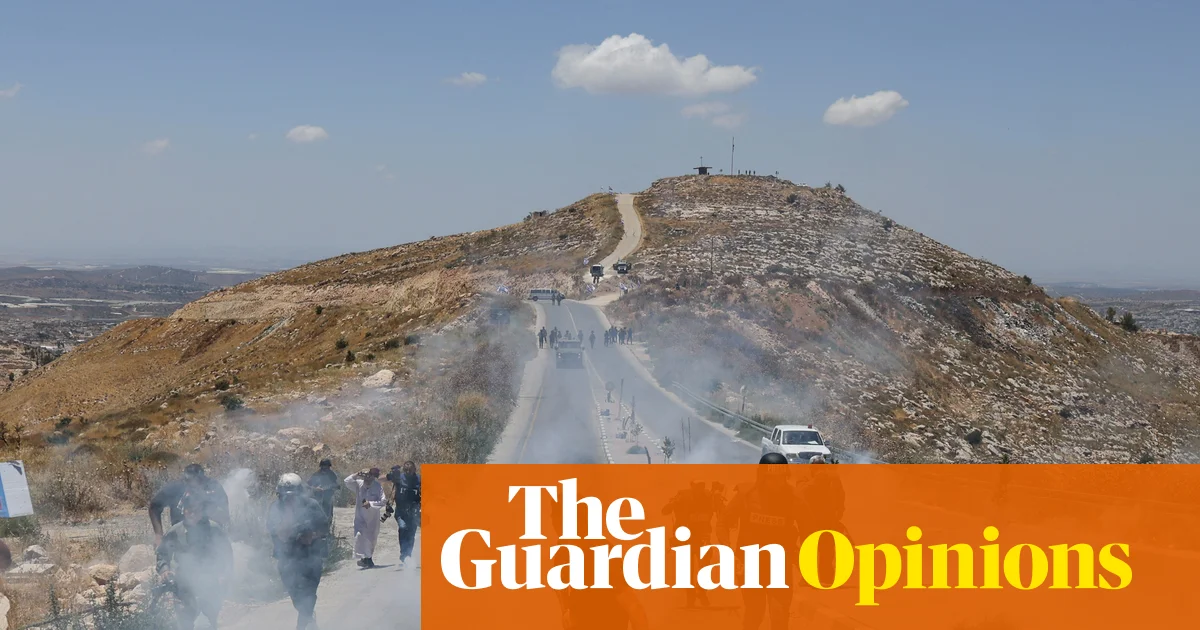
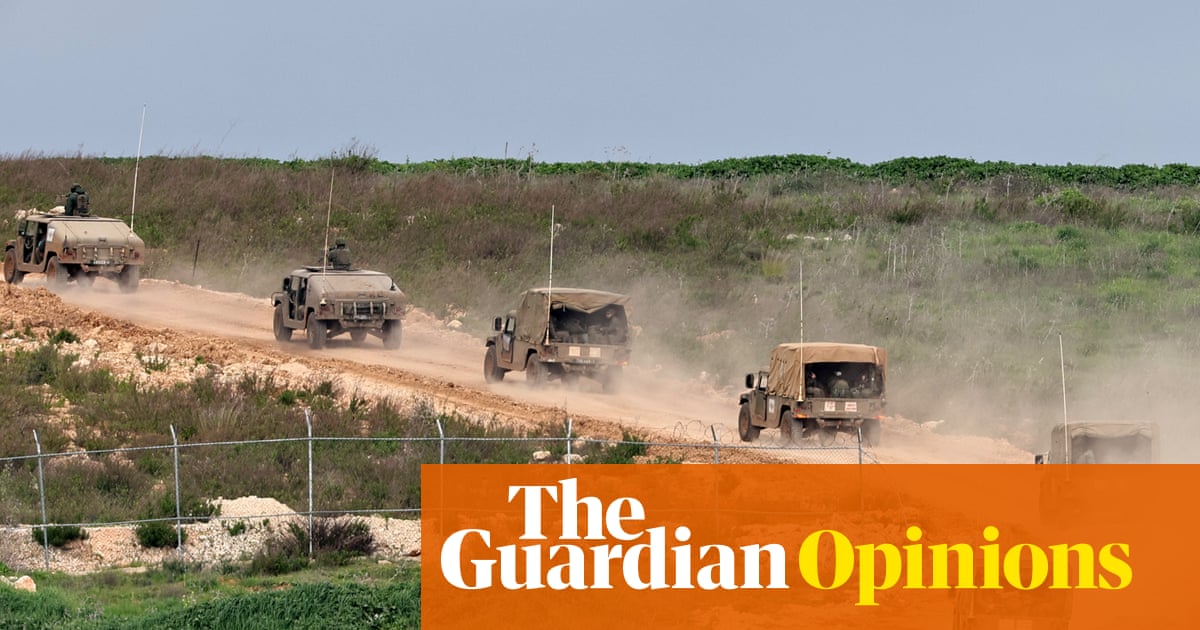
When Hezbollah fired rockets into Israel shortly after the attack on its patron Iran began, Israel responded with what it called “precise and targeted strikes”. But the offensive quickly escalated. On Tuesday the Israeli defence minister, Israel Katz, announced another occupation of Lebanon – describing a “defensive buffer” running up to the Litani river, about 30km north of the border, and by implication likely to be prolonged. That would be illegal in itself. Bezalel Smotrich, Israel’s far-right finance minister, has called for annexation outright.
Israel says it must protect communities in its north. The international court of justice ruled that self-defence did not justify occupying Gaza. Israel sees an opportunity to finally eliminate Hezbollah – isolated without Syrian support or help from Iran, and still recovering from the decapitation of its senior leadership by the Mossad in September 2024. Yet Hamas has endured through the devastation in Gaza. Hezbollah itself was born of the 1982-2000 Israeli occupation of southern Lebanon.