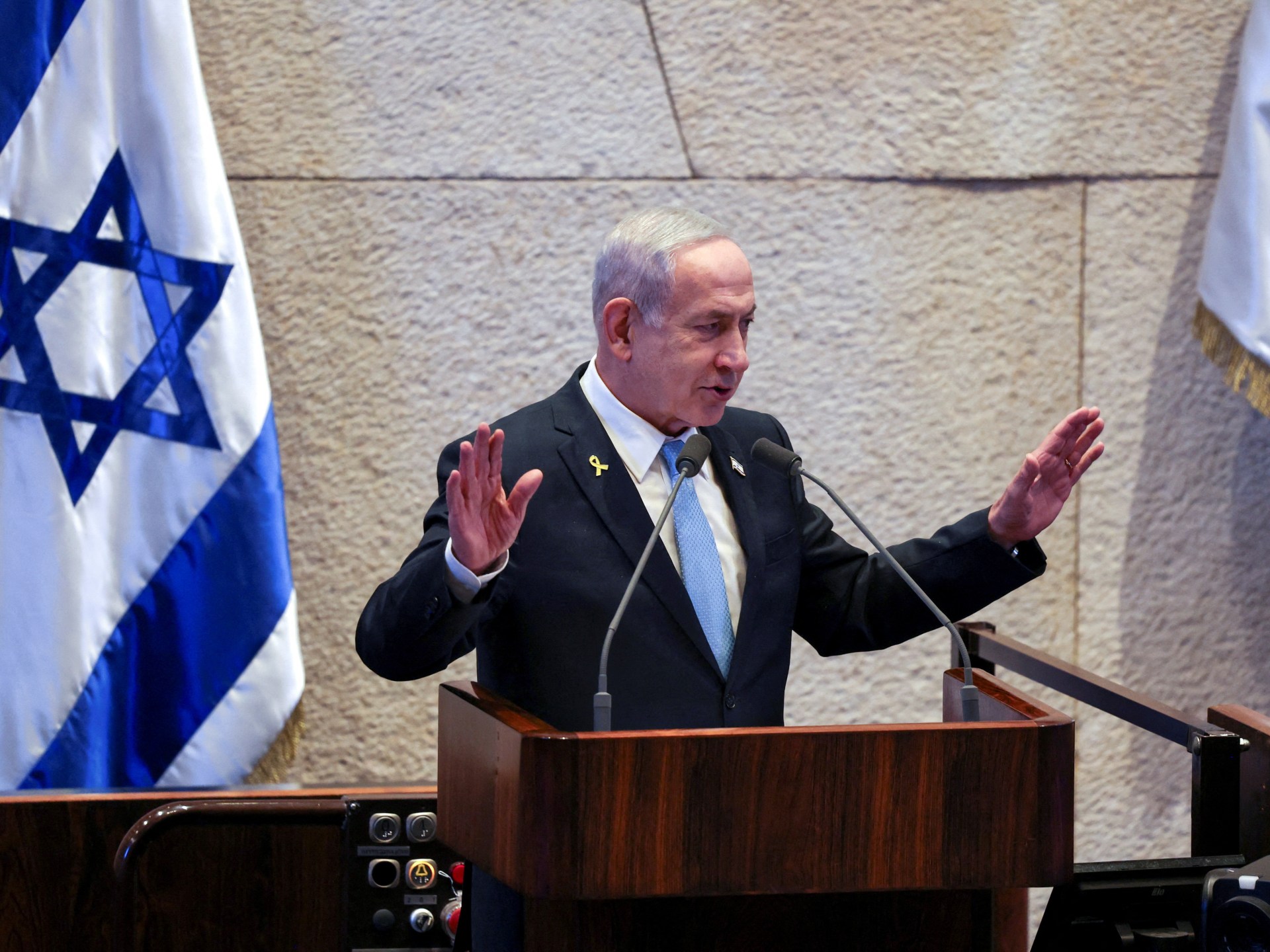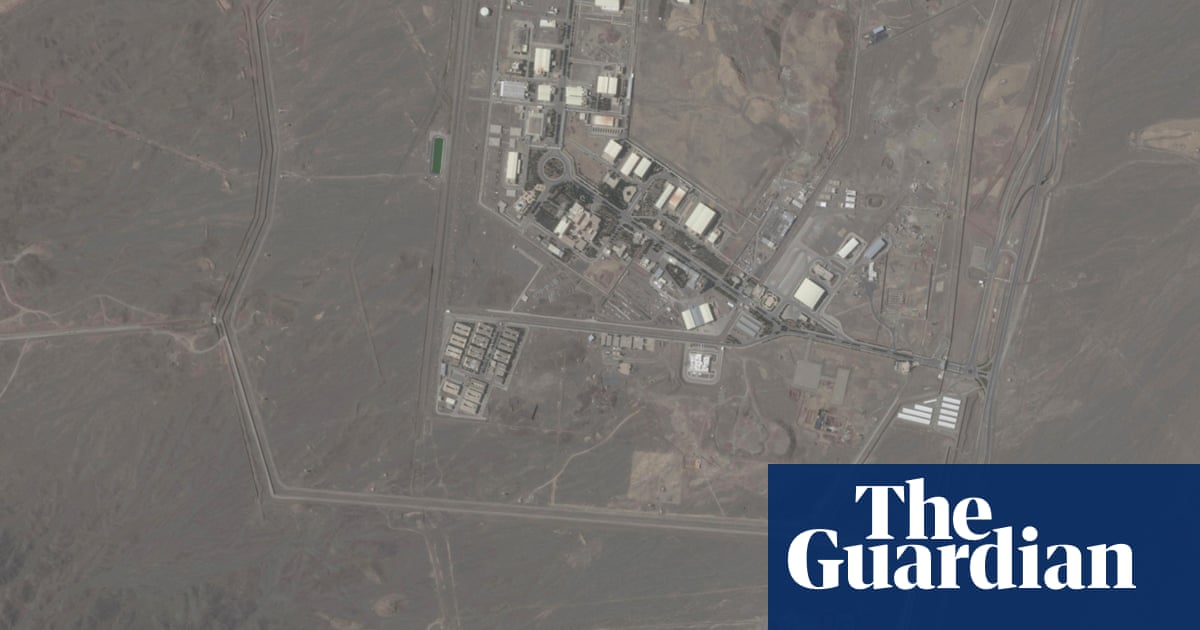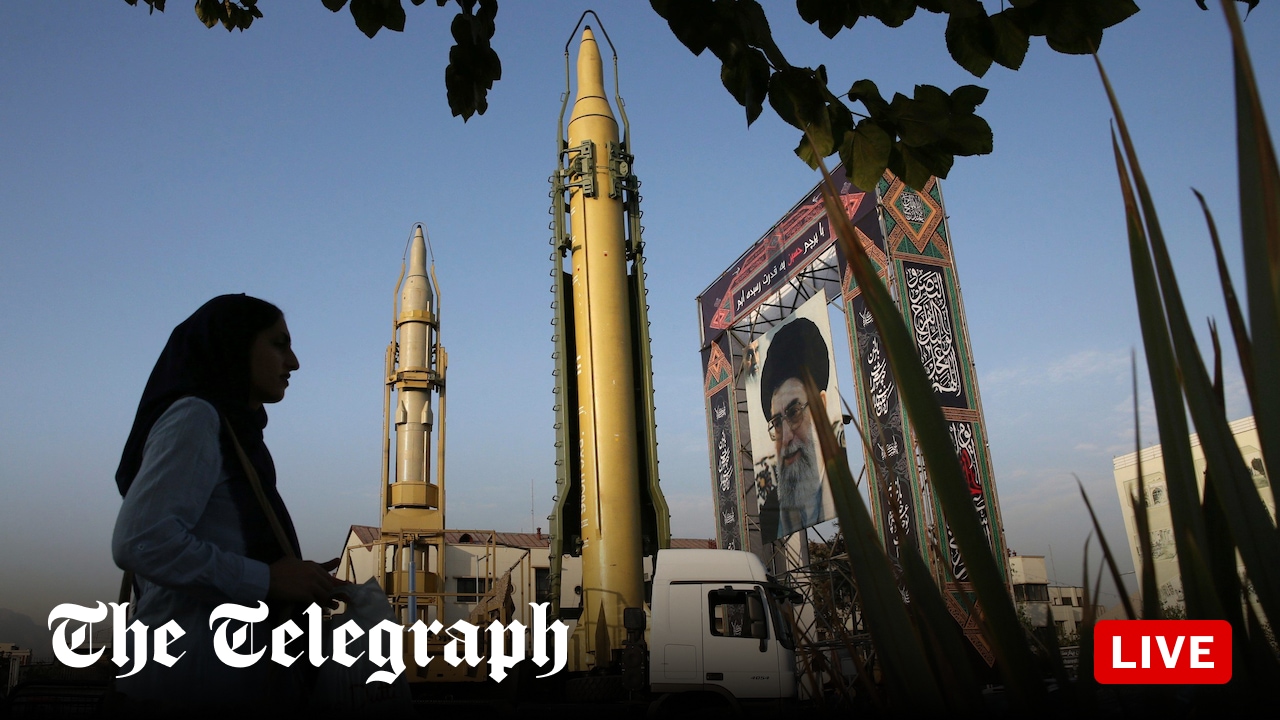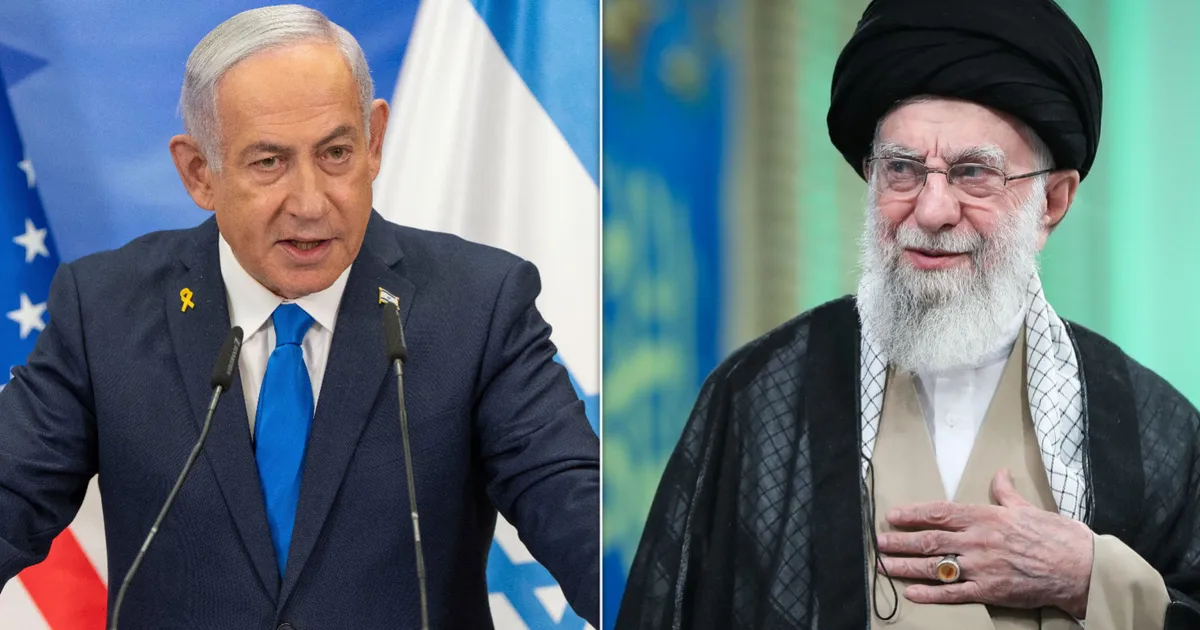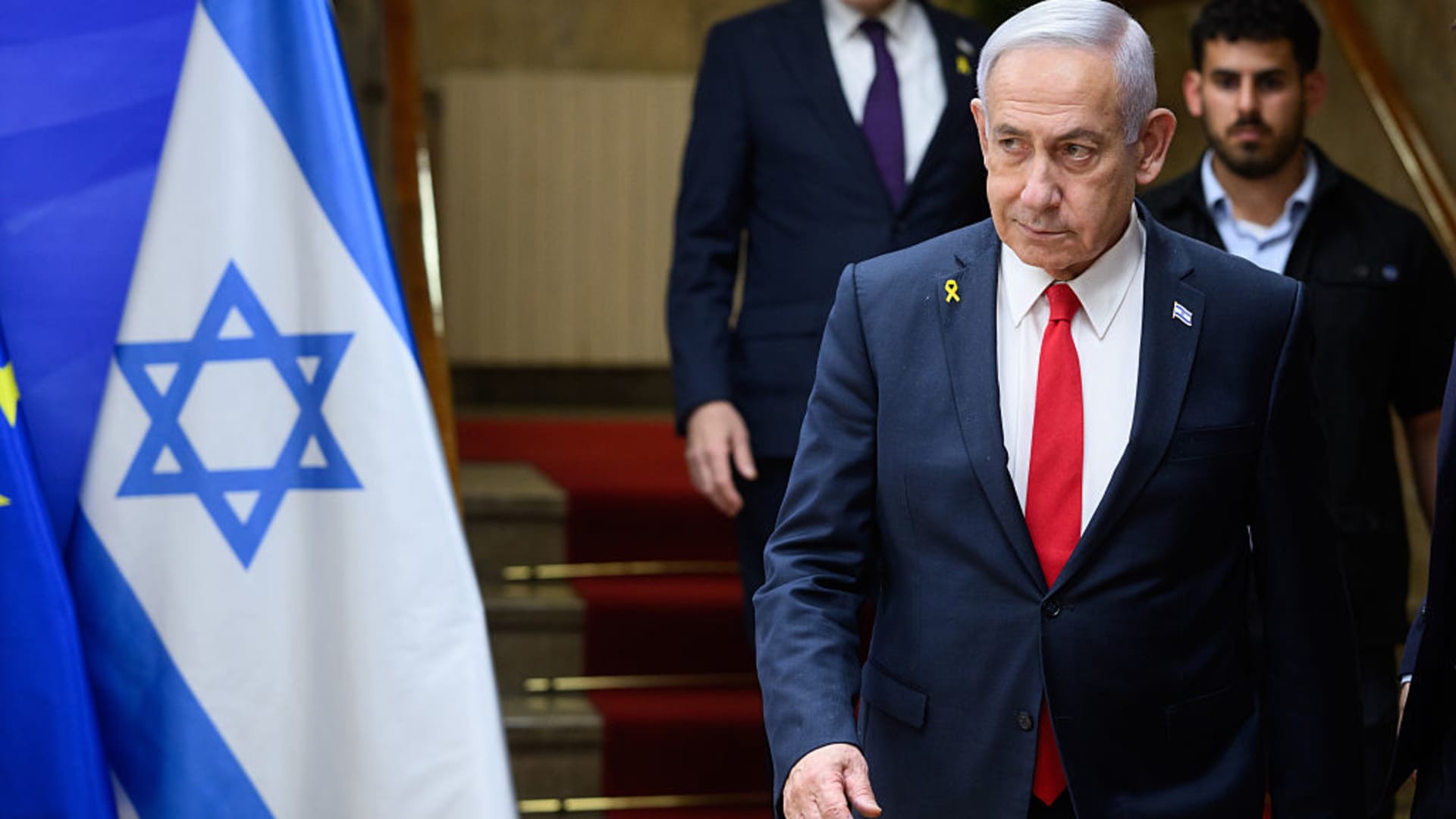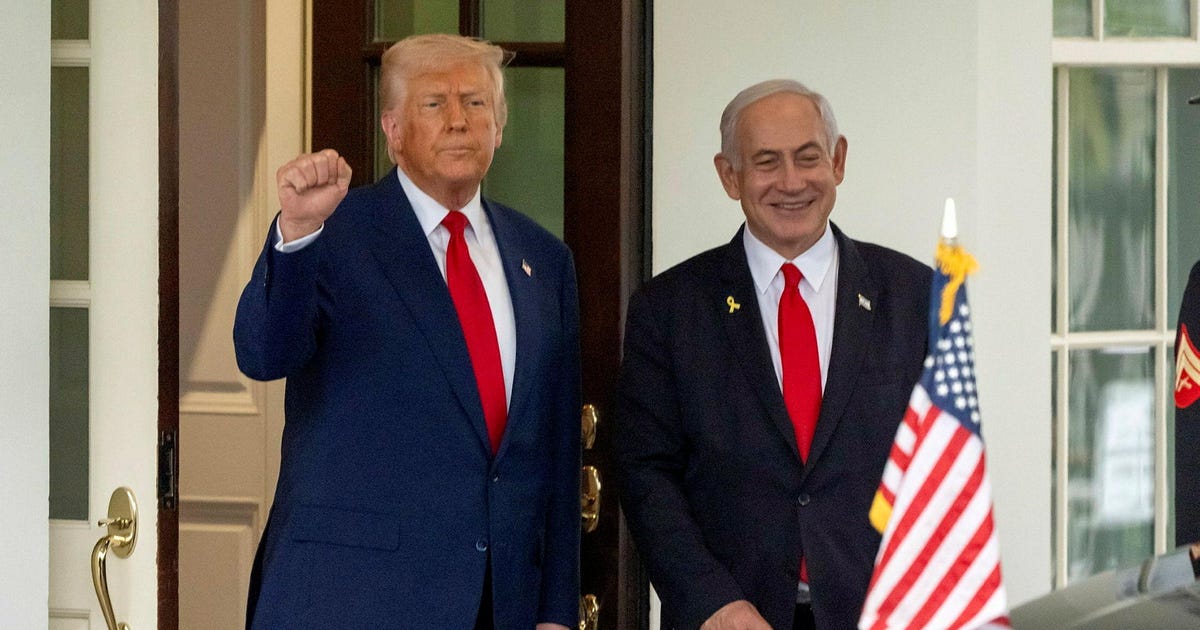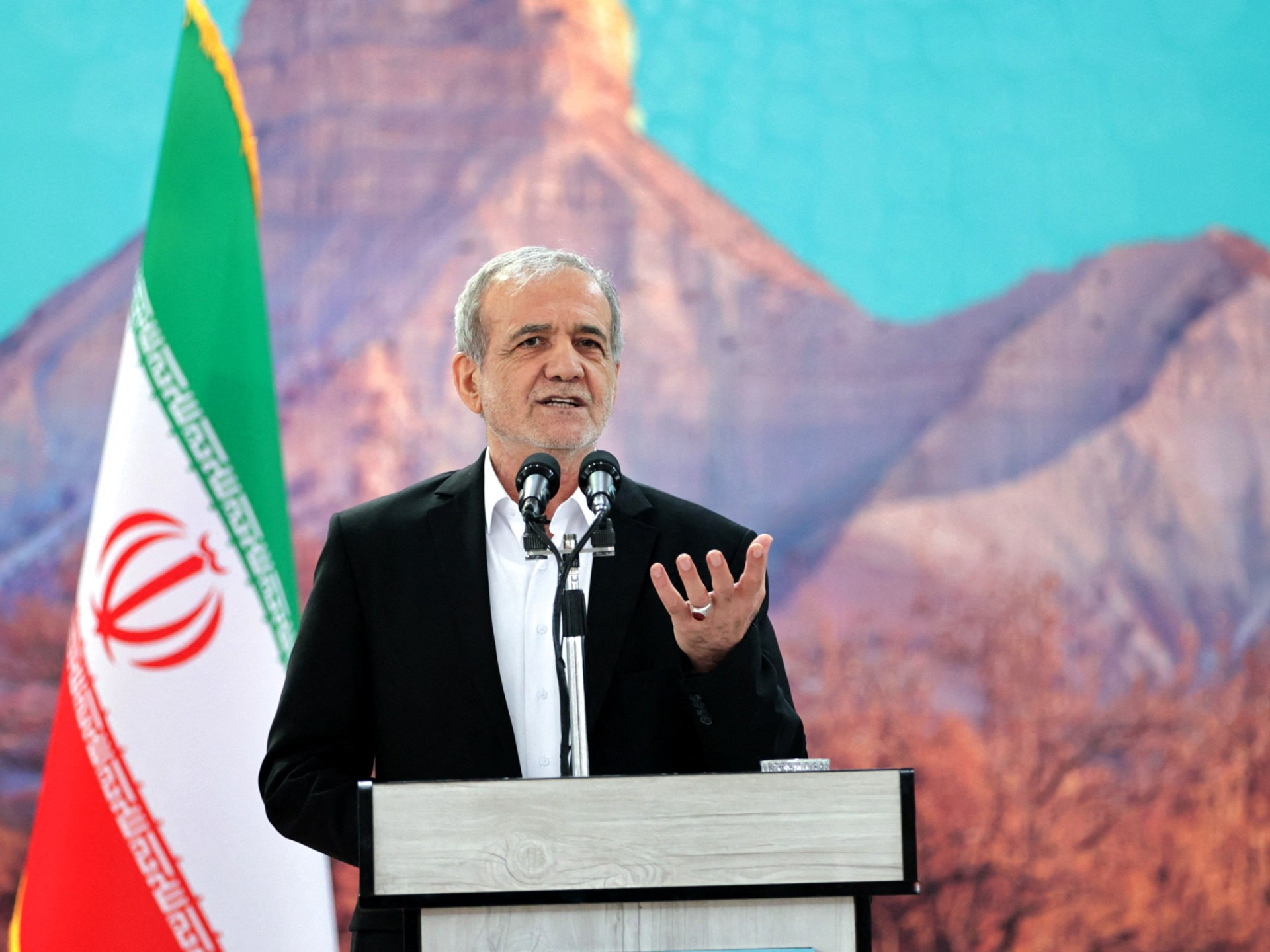
An Israeli military strike on Iran remains on the table, former Israeli officials insist — a risk the global energy sector cannot ignore.
To that end, the US this week started moving nonessential personnel out of Iraq, reportedly in response to concerns Israel was preparing to take action against Iran — even as US-Iran nuclear talks are ongoing.
Late last year, Israel was riding high as its nemesis, Iran, reeled from a series of setbacks, including the dramatic fall of the Al-Assad regime in Syria and the humbling of Hezbollah, its main proxy in Lebanon. The incoming Trump administration was ultra-hawkish toward Tehran, ushering in the possibility that Israel and the US could reshape the region to their advantage. Six months on, Israel's influence over US policy is in question and its international isolation deepening. True, staunch US support for Israel persists despite irritation over Prime Minister Benjamin Netanyahu’s inflexibility on the Gaza war. Washington is reportedly pressuring allies not to attend a UN summit in New York next week on a two-state solution co-sponsored by France and Saudi Arabia. But in the Middle East, Israel looks trapped in a role of reacting to rather than influencing events — and could become more unpredictable.