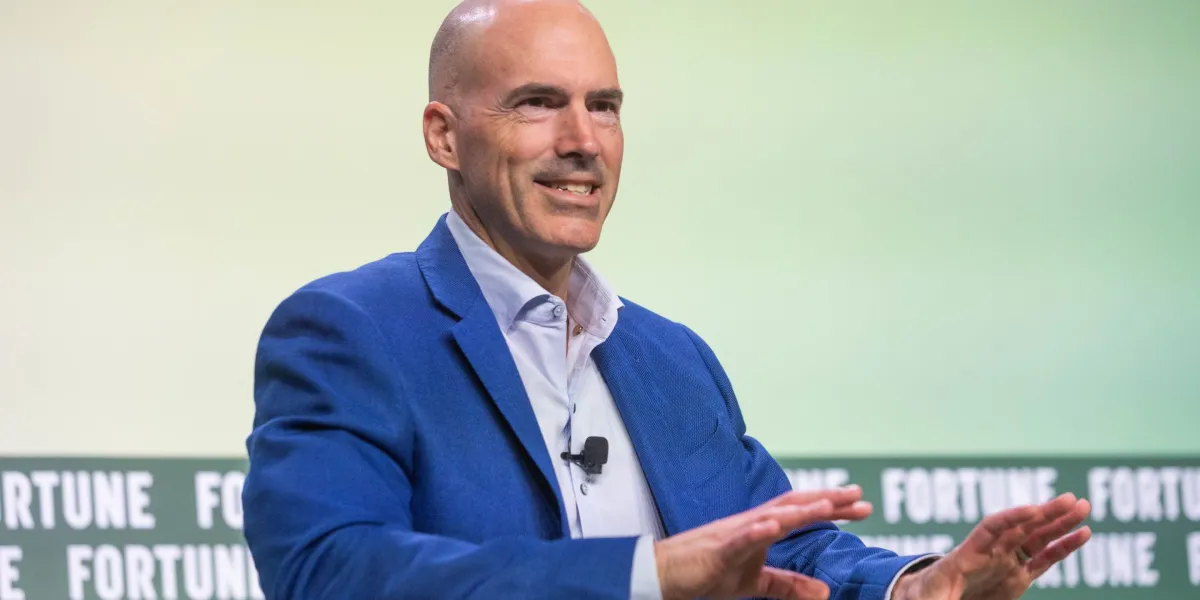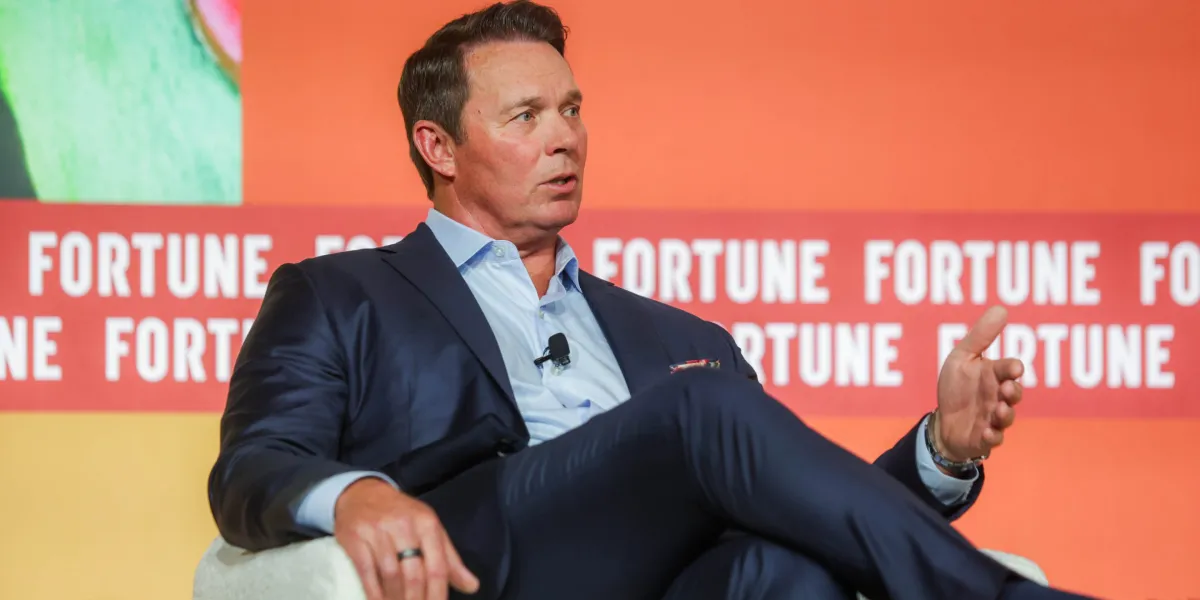
Scott Boatwright always aimed to be a CEO. Not just any CEO but the leader of a Fortune 500 company. That moment arrived in late 2024 when he was elevated to the top job at Chipotle after Brian Niccol left to lead Starbucks. But as Boatwright shared at the recent Fortune COO Summit, the jump from second-in-command to chief executive is less a step up and more a transformation.
A CEO today has to run a great business, manage a great stock, and, ultimately, shape a lasting organizational legacy, Boatwright said. As COO, he and Niccol were a strong pairing, he said, because he focused on operations, while Niccol excelled at communicating the company’s growth story to investors. One of the hardest adjustments as CEO, Boatwright admitted, is shifting from pulling the levers himself to managing outcomes through others—and doing so while building investor confidence and long-term vision. “It’s just a completely different job,” he said.
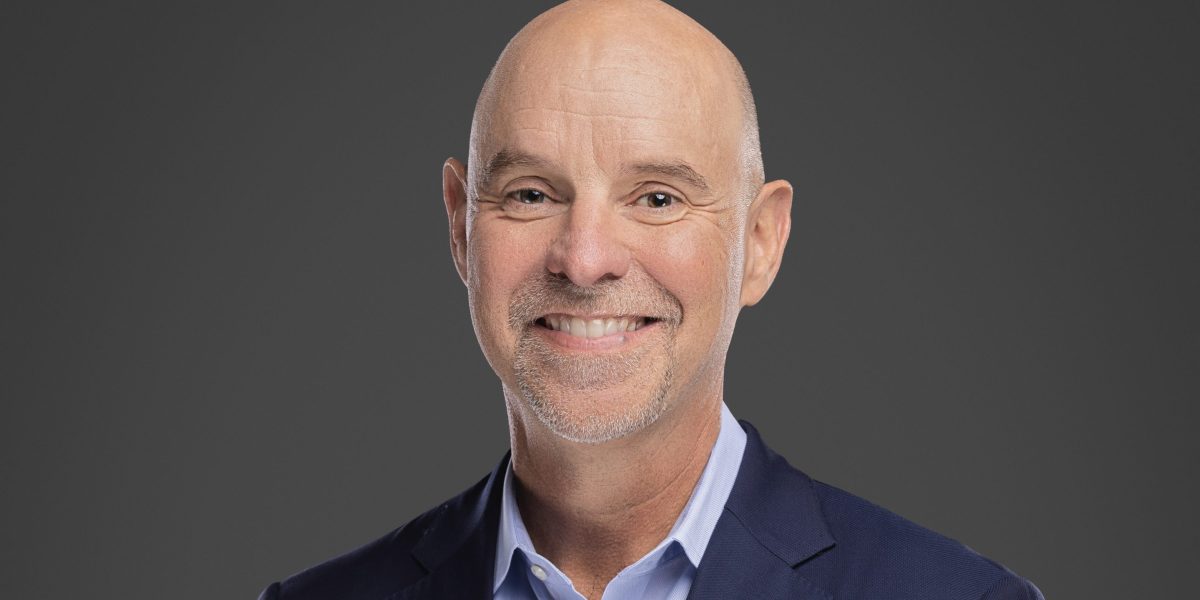
Other newly minted CEOs echoed that learning curve. Howard Hochhauser, the CEO of Ancestry.com and its former COO and CFO, stepped into the role earlier this year at the private equity-backed company. Although he’d previously served as interim chief executive, the weight of the job still caught him off guard once permanently in the role. “Everybody wants a successful exit,” he said. “To do that, you have to grow the company. And now I’m spending 110% of my time on growth.”