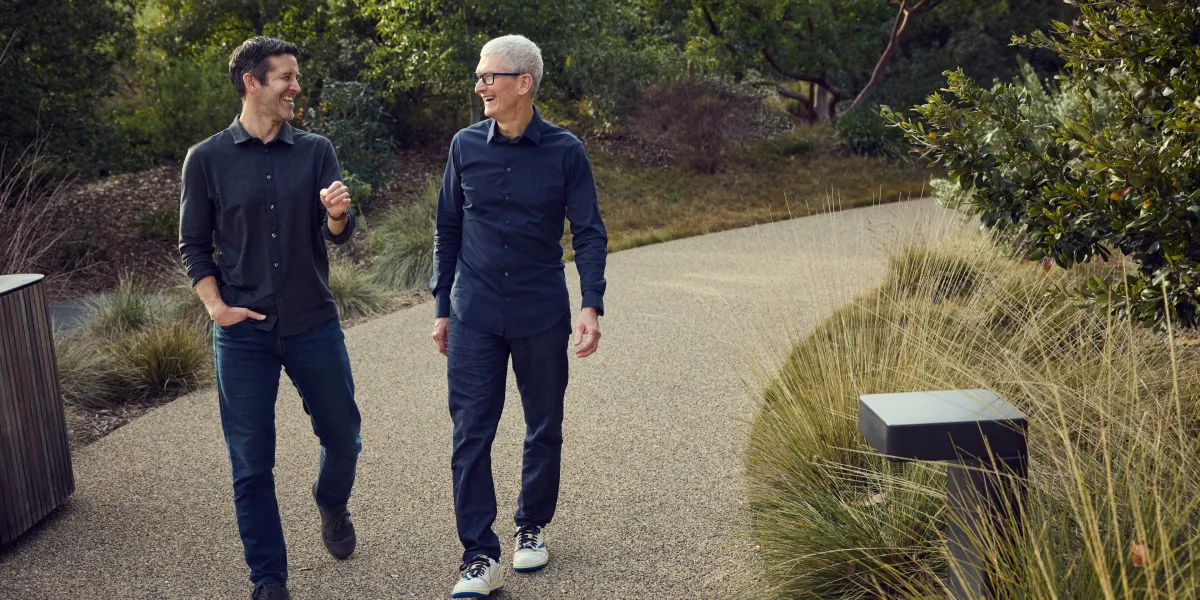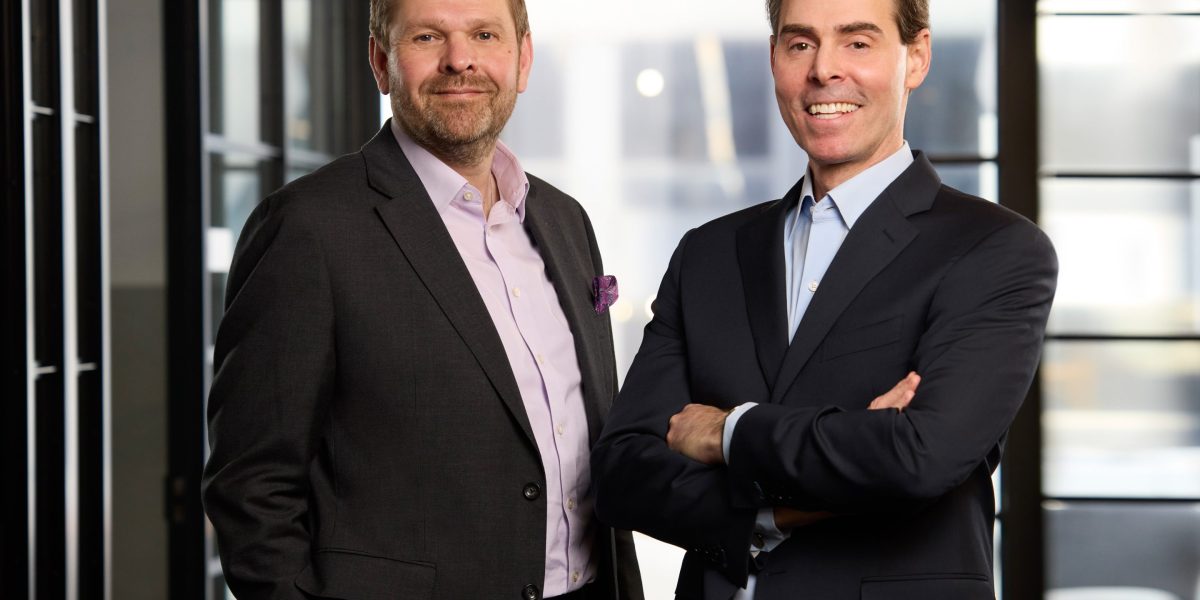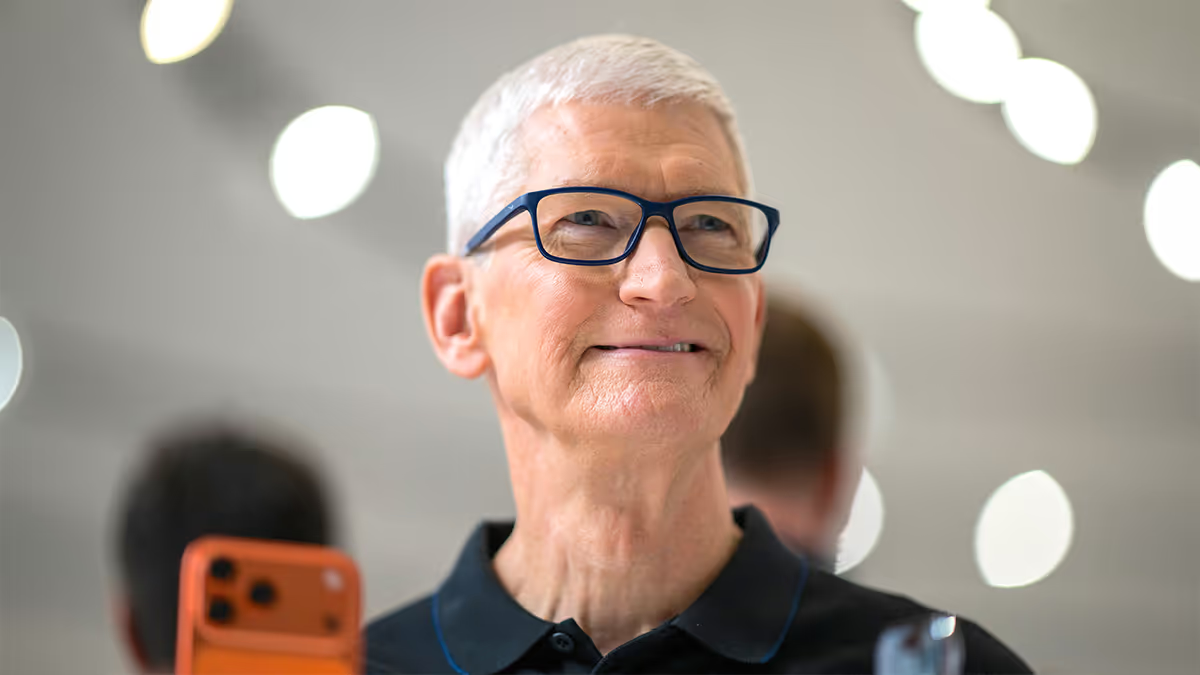
There’s no one way to set a career path. There are people who want to lead software companies who find themselves climbing the corporate ladder with different companies in the software space. But there are also those who find themselves getting there through stints at CPG, retail and healthcare companies.Tariq Shaukat, CEO of code verification company Sonar, said that his executive journey wasn’t necessarily direct—he was an executive at casino and hospitality giant Caesars Entertainment, a president at Google Cloud, a president at dating app Bumble—but there’s been a lot to learn from different corporate perspectives about big areas that all businesses work through, including technology and sales. He talked to me about his industry-hopping executive journey, and an excerpt from our conversation is later in this newsletter.Until next time.This is the published version of Forbes’ CEO newsletter, which offers the latest news for today’s and tomorrow’s business leaders and decision makers. Click here to get it delivered to your inbox every week.CEO STRATEGYUnited Airlines CEO Scott Kirby, left, and American Airlines CEO Robert Isom in Washington, D.C. last October.Kevin Dietsch/Getty ImagesSometimes, hinting at a merger—even if it’s not likely to happen—could be a strategy to get the world to pay attention to your company and the issues it’s going through. But, as United Airlines CEO Scott Kirby is seeing, it can also blow up in your face. As jet fuel costs skyrocket because of the war in Iran, Kirby reportedly floated a potential merger with American Airlines earlier this month. American CEO Robert Isom—someone with whom Kirby has developed an adversarial relationship over the years, Forbes senior contributor Ted Reed writes—quickly responded there are no merger talks underway and American is focused on its own business internally.Reaction to Kirby’s comment spiraled beyond the quick shutdown by American Airlines. Discussion dominated airline business blogs. Last week, Sen. Elizabeth Warren (D-Mass.) and Sen. Mike Lee (R-Utah) sent a letter to the CEOs flagging that the merger could be a bad deal for customers, Reed writes. And Trump—often a fan of big business mergers—told CNBC last week “I don’t like” the proposed tie-up. Talk of the potential merger took over the news cycle about these companies last week—and strong earnings reports from both companies did not get the attention they may have otherwise. And this morning, Kirby issued a statement officially ending negotiations—but defending the merger idea.FROM THE HEADLINESThe announcement that the tech world has been buzzing about for some time officially came last week: Tim Cook is stepping down as Apple CEO and will become its executive chairman on September 1. Apple’s next CEO will be John Ternus, who has been the company’s senior vice president of hardware engineering since 2013. Ternus joined Apple in 2001, and the company said he was instrumental in several of Apple’s signature products, including the iPad, AirPods, several iPhone models and the company’s new MacBook Neo.Cook, who was personally recruited by Steve Jobs, has led Apple for 15 years and is best known for turning the company into a global business juggernaut. Under Cook, Apple’s market cap skyrocketed above $4 trillion—a 1,932% stock value increase, notes Forbes senior contributor Peter Cohan—and it’s currently the world’s third-largest company. Ternus isn’t going to be the only new Big Tech and media leader, so new people and different viewpoints may reshape the entire landscape—especially around AI, writes Forbes senior contributor David Bloom. Adobe’s longtime CEO Shantanu Narayen announced last month he would step down as soon as a replacement could be found, while Disney CEO Josh D’Amaro took over his company last month. And while Netflix cofounder Reed Hastings had been on the company’s board, he also announced his departure this month. TOMORROW’S TRENDSWhat Casinos, Cloud Technology, Dating Apps And Coding Have In CommonSonar CEO Tariq Shaukat.Sonar, GettyCode verification company Sonar’s CEO Tariq Shaukat studied technology and engineering in college, but had a much more winding path to get to where he is today. Before his current job, he was the chief commercial officer of casino and hospitality giant Caesars Entertainment, a president at Google Cloud, and president at dating app Bumble. I talked to him about what he’s learned from different industries through the course of his career and how it led him to the corner office at Sonar.This conversation has been edited for length, clarity and continuity.Every industry has distinct and important aspects to learn. How did you find out about them as you got into the job?Shaukat: I was chief marketing officer and chief commercial officer at Caesars. I don’t smoke, drink or gamble, and yet I became one of the top executives at the [then] largest company in the world engaged in the smoking, drinking and gambling business. A large part of it was how do I learn? How do you make sure you’re listening? How do you respect the teams who are there, spending their lives actually doing this? How do you make sure that you know how to work with them? I’m very careful to not come in and try and know more than they do, because I do not. The president of Caesars when I joined was a guy named Tom Jenkin who had started years and years ago as a fry cook. He rose up to being the number two person in the largest casino company in the world, and I made it a mission to go on every property tour with him, to walk the floors on a Saturday night with him to meet customers, because that’s how you learn. I was never threatened by the fact that he knew more than I did about every aspect of the casino business. I knew more about technology, I knew more about marketing analytics. It’s really important to be able to listen and have respect for the folks who came before. Same thing in the cloud world. I had been a consumer of cloud. I remember talking to [former Google Cloud CEO] Diane Greene, and she said, ‘Have you ever run sales?’ I said, ‘Yeah, I’ve run small sales teams, but I’m a fast learner.’ And I showed up on day one—she found it very funny—with a whole bunch of books on how to run sales. I don’t think you can ever know enough. That’s the most important thing here: just being ready and eager to learn and listen, and be curious about what’s going on.How do you talk about the types of skills that you got at Caesars, at Bumble, at Google—and how do they translate from one situation to the next?There’s a wonderful book called Range [by David Epstein] about the power of generalists. That’s how I describe myself. It validates me. I don’t walk in and say I don’t have any skills. I think I have a lot of skills, but the skills are not the way you typically look at it. One of my clients at McKinsey told me at one point: ‘Tariq, if I wanted somebody who knows credit cards, I have an entire building full of people who know credit cards. What I don’t have are people who are experts in consumer subscription businesses, who are experts in the evolution of mobile technology, experts in data analytics applied to these areas.’ What I have done in my career is find some of these areas that have interested me, but are horizontal things—like technology evolution; and how do you use big data, analytics, machine learning and AI to influence traditional businesses. This is something I’ve done in every case: How do you do transformations of businesses? Caesars: Moving from gambling to a broader hospitality and entertainment business. Google: How do we start a cloud business? How do you have that subscription mindset where you focus on lifetime value, customer acquisition and retention? If you look at every role that I’ve done, they look very different—until you say: Are they a subscription business? Every single one has been, or they’ve been a recurring revenue business—meaning people come to Las Vegas once a year like clockwork. Acquisition and retention gain, is it heavily influenced by technology, particularly data analytics, technology and predictive analytics? Every single case, that has been true. There’s been some element of transformation and reinvention of the business model. That’s how I talk about why they should be interested in having me do the job.What advice would you give to CEOs—and those who aspire to get there—about changing industries?Challenge yourself. I wouldn’t tell you that it is a terribly peaceful existence. Switching industries all the time, I have a fair amount of imposter syndrome. When you go in, you have to have a pretty open mind and a fairly thick skin—but what’s the worst that can happen? Generally speaking, it’s not that bad, and most of the time you’re being put in these situations because you’ve got real skills from other places. Have self confidence, but willingness to learn and ask the questions. I’ve seen so many people mess this up because they go in assuming that they have to have the answer: ‘I must have been hired as CEO because I know everything about X, and so I’m going to fake it till I make it.’ That’s a horrific strategy in most cases. When you get an uncomfortable opportunity that’s really big, just take it and not be overly worried about it. I moved my family to Las Vegas more or less sight unseen, despite the fact that I said that was a silly, crazy idea. And because sometimes you just have to say yes when you get very lucky.COMINGS + GOINGSConsumer electronics retailer Best Buy named Jason Bonfig as its next chief executive officer, effective November 1. Bonfig joined the retail giant in 1999 and currently works as the company’s chief customer, product and fulfillment officer. He will succeed Corie Barry.Athletic apparel retailer Lululemon selected Heidi O’Neill as its next chief executive officer, effective September 8. O’Neill joins the company after spending 26 years with Nike, where she most recently worked as president of consumer, product and brand.Logistics and supply chain provider DP World appointed Terry Donohoe as chief executive officer of its operations in Mexico, effective April 21. Donohoe most recently worked as the company’s senior vice president of freight forwarding for the Americas.STRATEGIES + ADVICEBeing comfortable in a room full of people, speaking to large groups and quickly connecting with others are often seen as key skills for CEOs to have—and are skills commonly associated with extroverts. But stereotypical skills of introverts are also important, including being a good listener, carefully and quietly analyzing situations, and thinking before acting. Here are some tips to capture both skillsets.CEOs need to lead through everything—from problems that crop up because of business decisions, to macroeconomic, geopolitical and environmental issues they had no part in creating. These external issues need to be absorbed and dealt with. Here are three habits that make it easier.QUIZWhich restaurant is now making deliveries by drone in Wylie, Texas?A. Little CaesarsB. Papa JohnsC. McDonald’sD. Chick fil-ASee if you got the answer right here.
A CEO’s Guide To Industry Hopping
Also in the Forbes CEO newsletter: United CEO walks back suggestion of merger, Tim Cook will hang up his iPhone.
1,843 words~8 min read