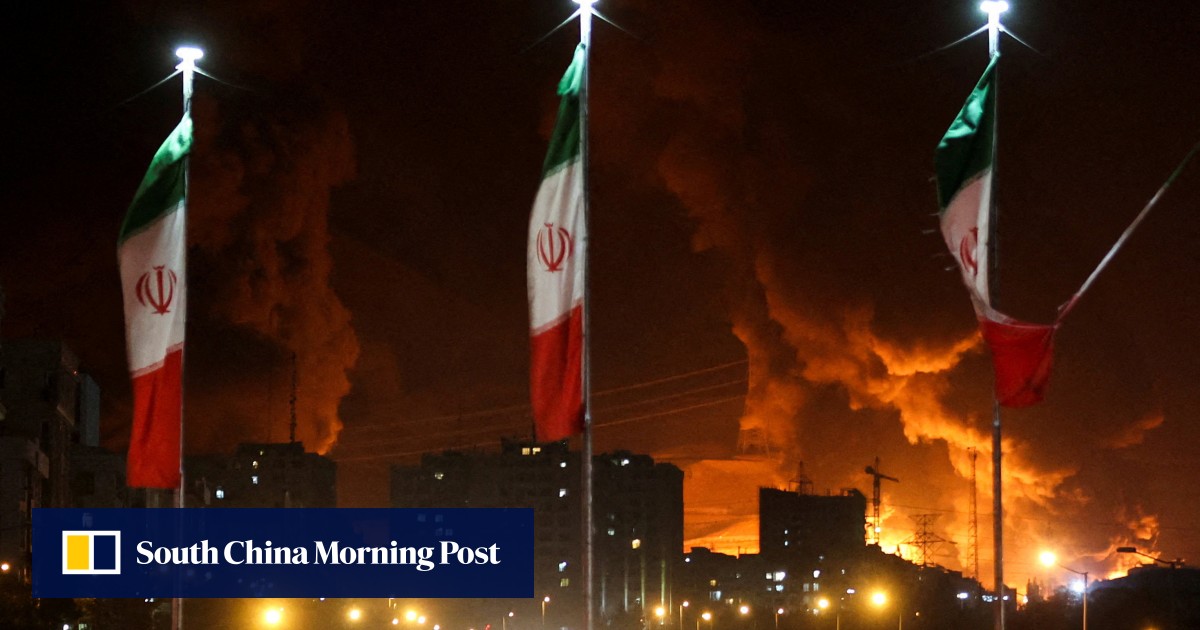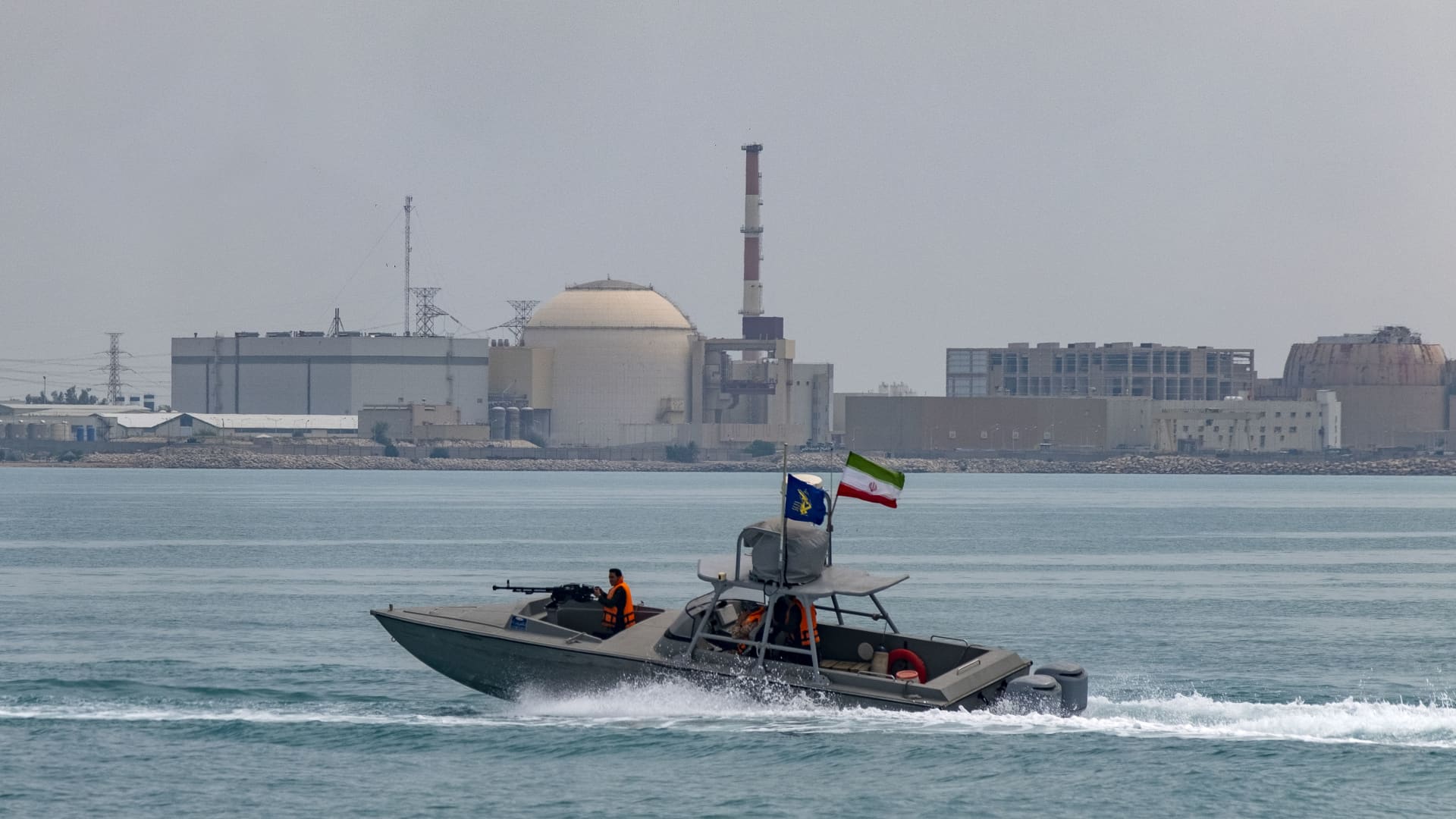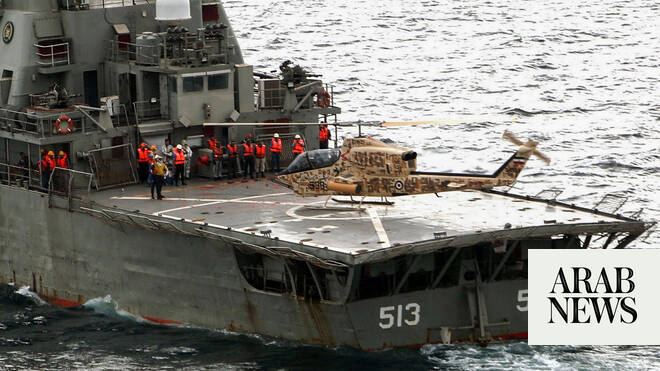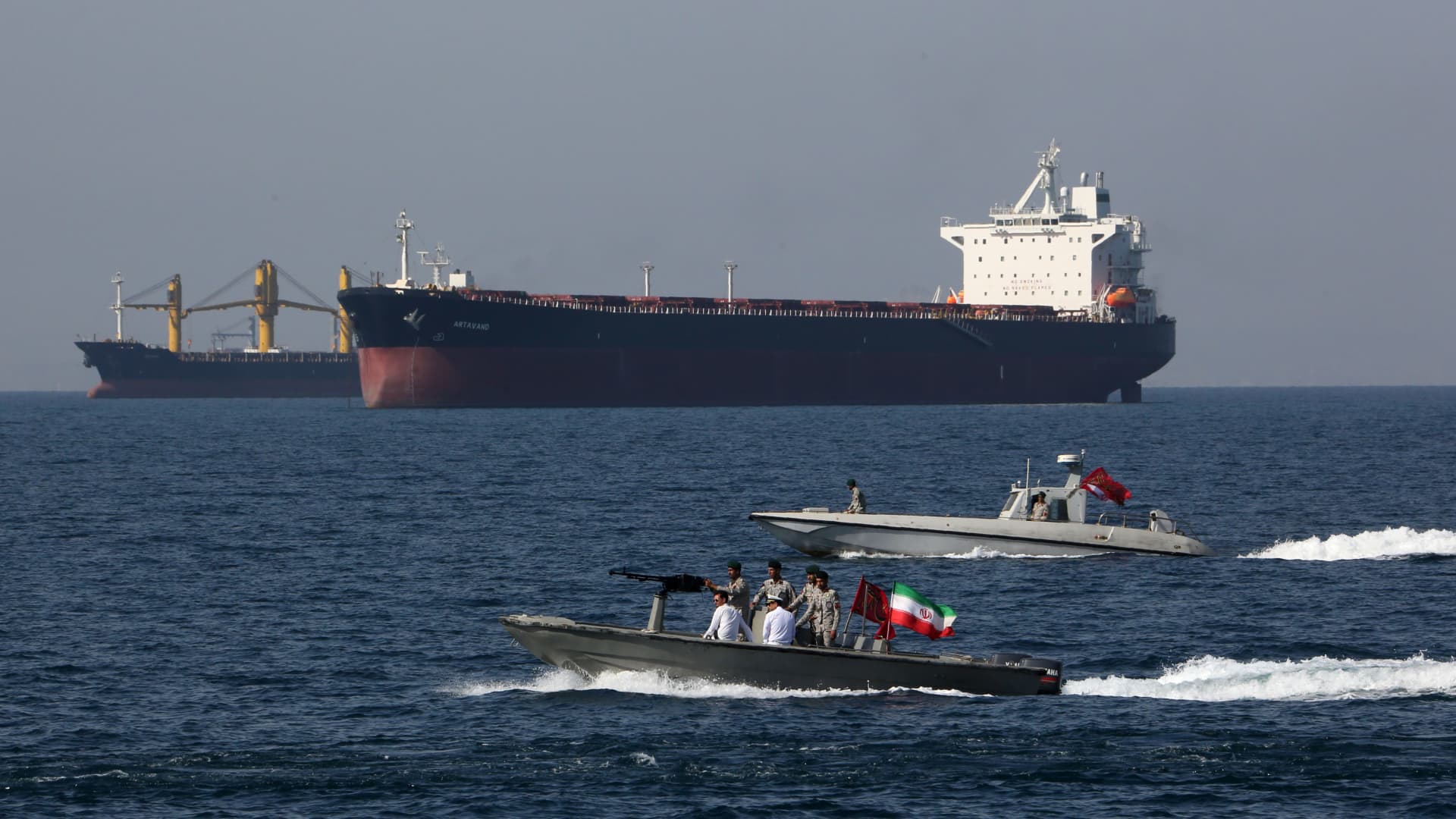
Commercial traffic including critical global oil trade continues to flow through the Strait of Hormuz after Israel’s attack on Iran, but maritime shipping experts say there will be ongoing risk that safety measures taken by ship owners act as a de facto Strait of Hormuz slow down, if not outright closure.
The situation is very tense, according to Jakob Larsen, chief safety & security officer at the Baltic and International Maritime Council, one of the largest international shipping associations, and he said BIMCO is receiving reports that more shipowners are exercising extra caution and are opting to stay away from the Red Sea and the Persian Gulf.
And those tensions are only growing, with Iran launching missiles toward Israel late Friday local time and with it not participating in the sixth round of nuclear negotiations with the United States scheduled for this weekend.
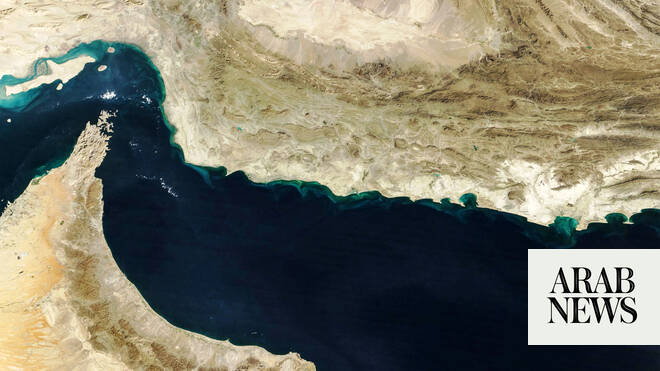
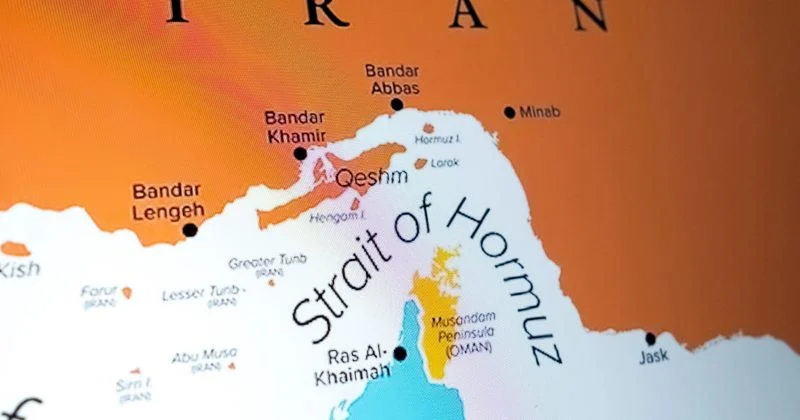
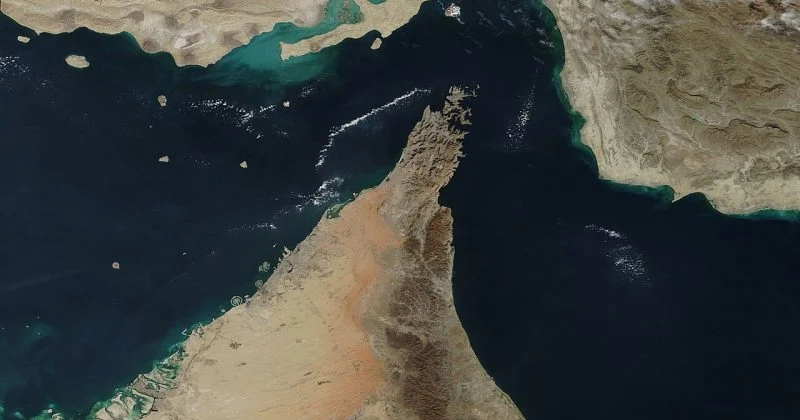
The Strait of Hormuz, which is 35 to 60 miles (55 to 95 kilometers) wide, and connects the Persian Gulf and the Arabian Sea sees roughly 20 million barrels per day of oil and oil products pass through, accounting for nearly one-fifth of global oil shipments.
There are reasons Iran may not close the strait, which has handled 34% of all seaborne-traded oil so far this year, according to a post from MarineTraffic. The strait last effectively closed during the Iran-Iraq “Tanker War” in 1984, and remains a critical transit point for global oil and gas shipments, which led to a surge in the price of crude on Friday.