Groundbreaking observations map chaotic patchwork of magnetic activity, said to be key to understanding how sun’s field flips
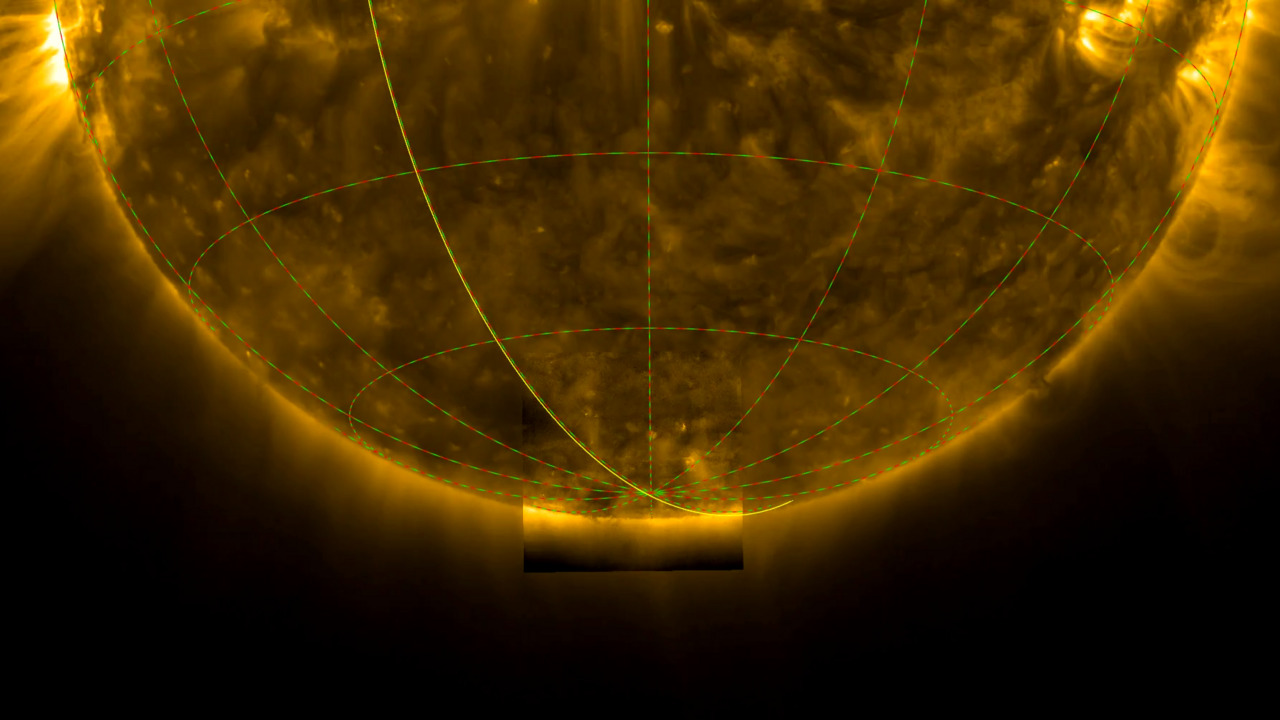
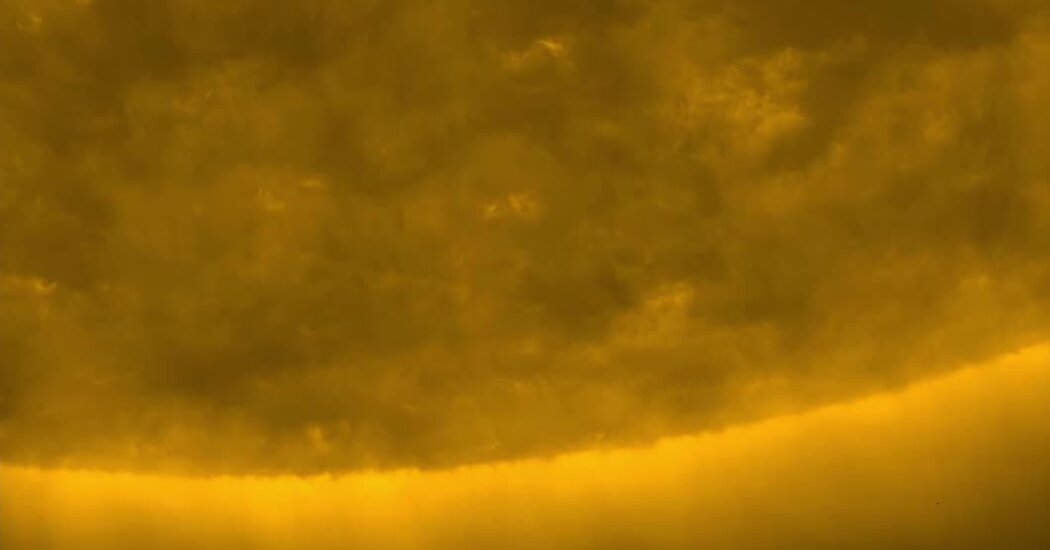
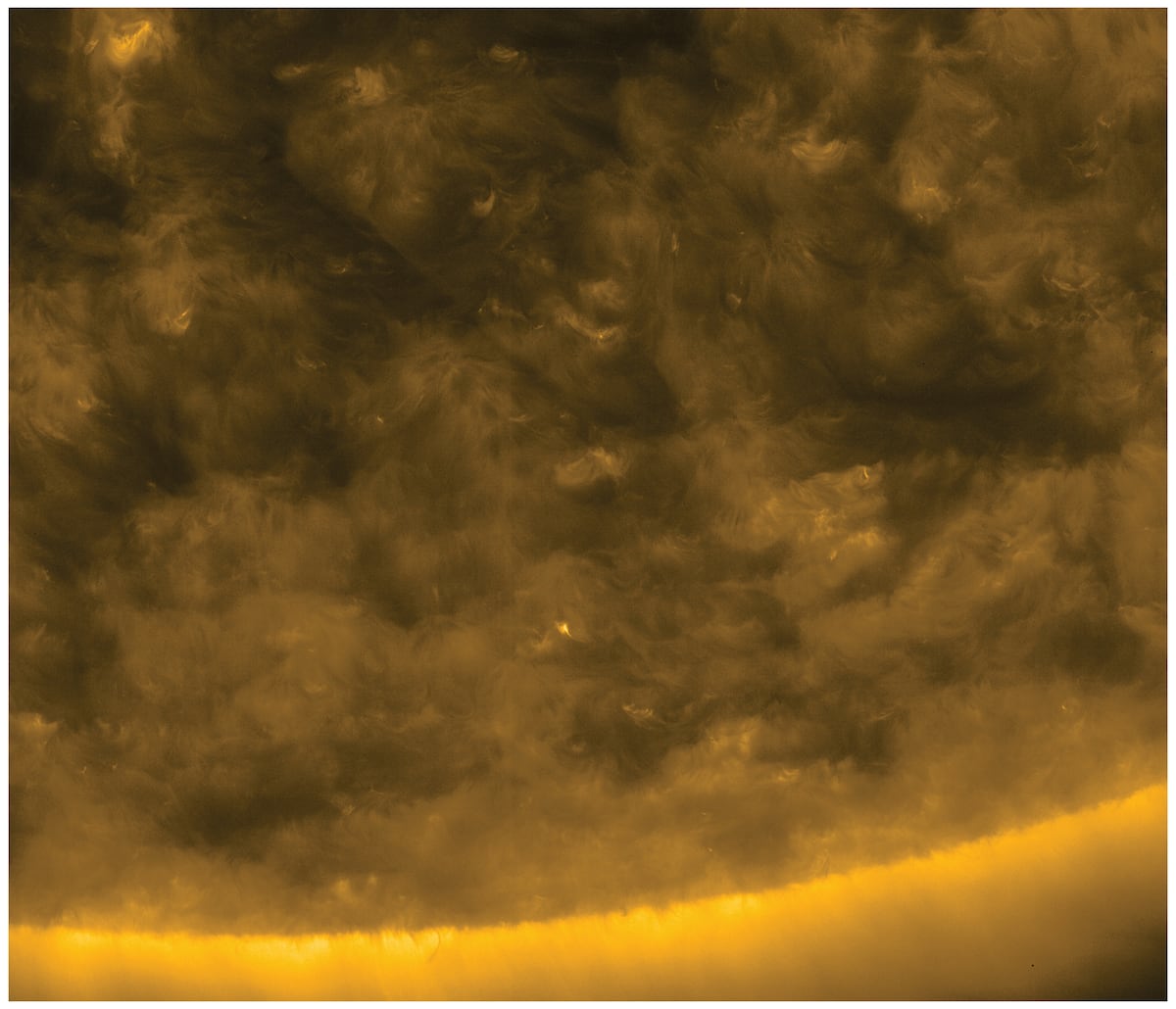
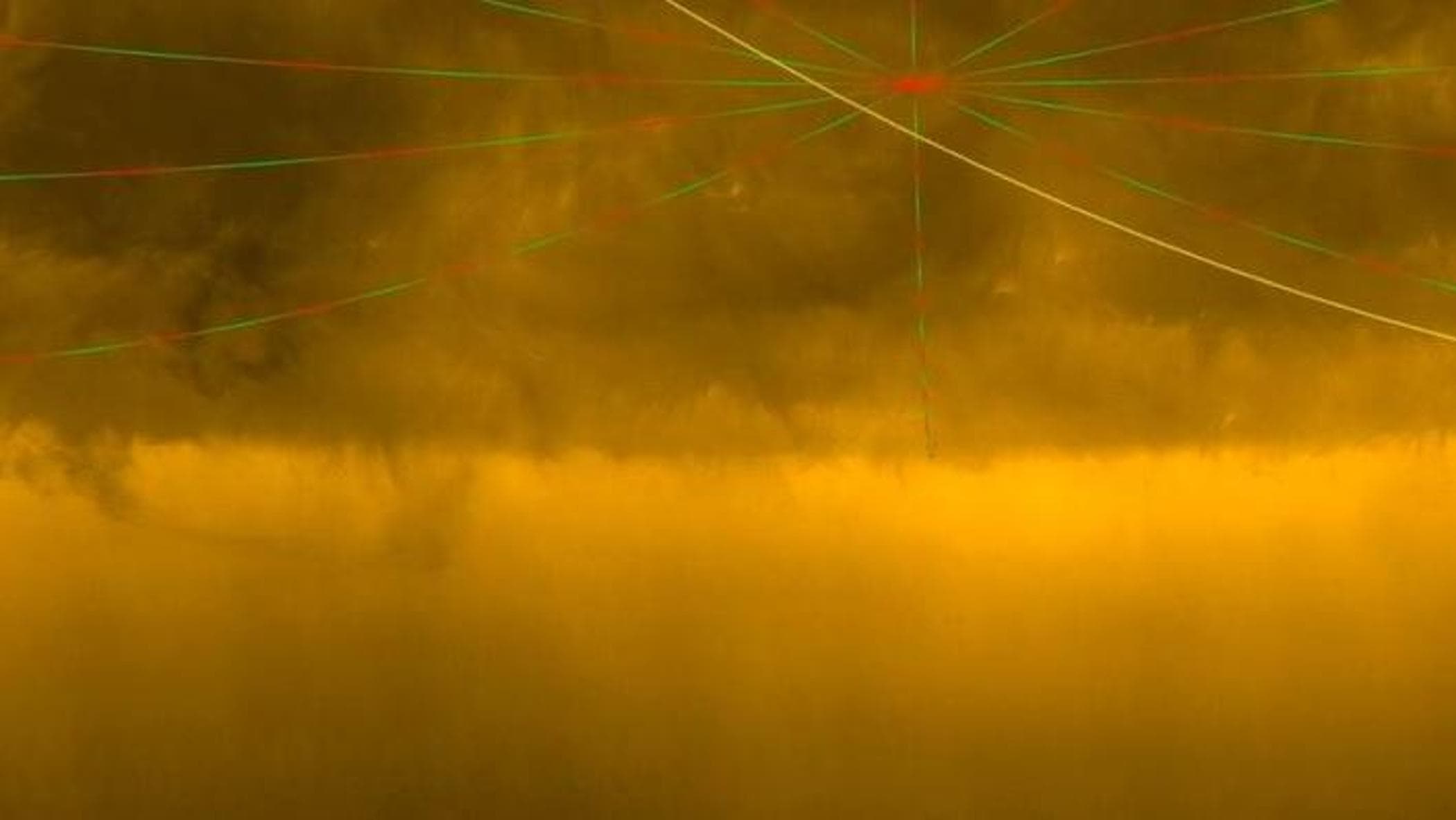
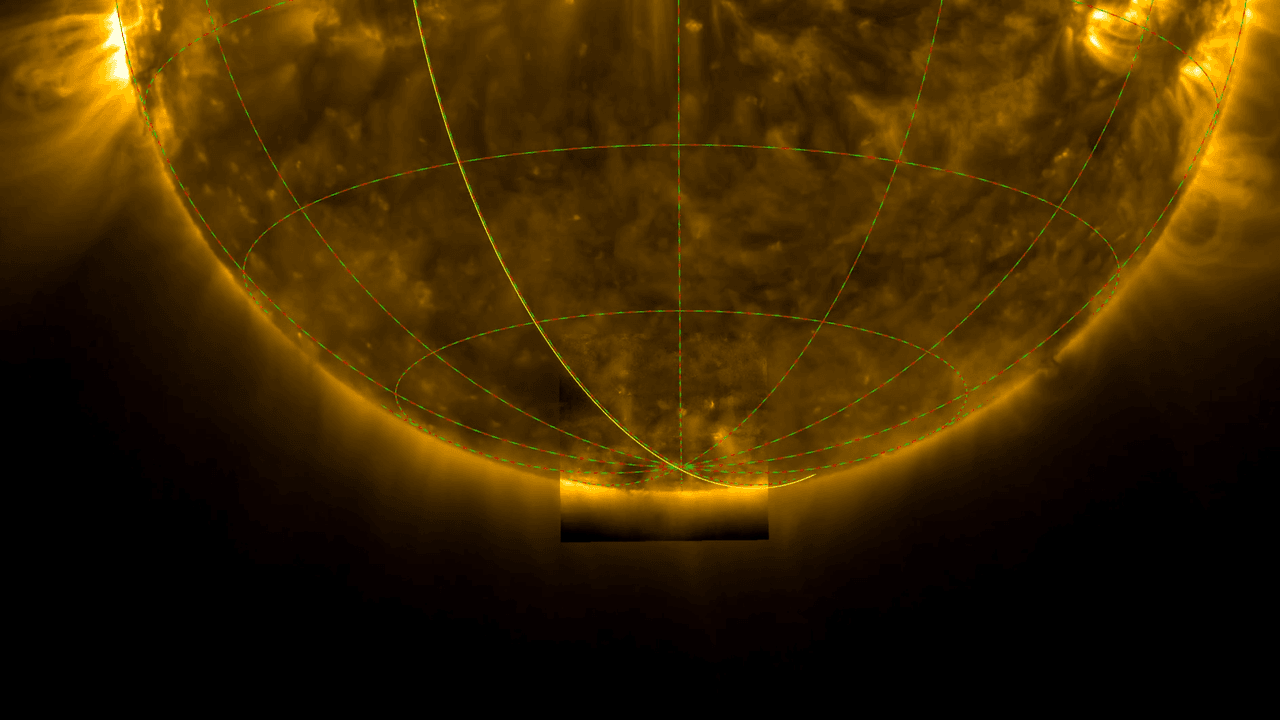
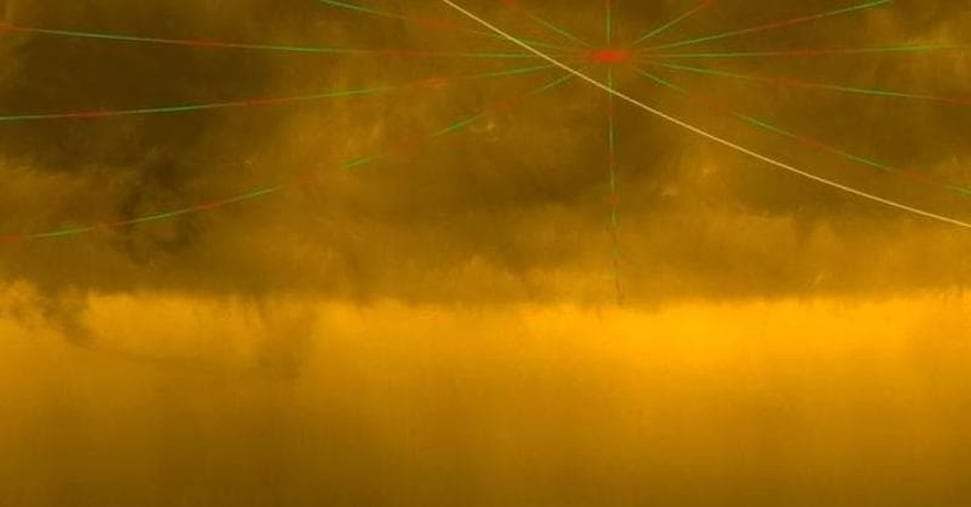
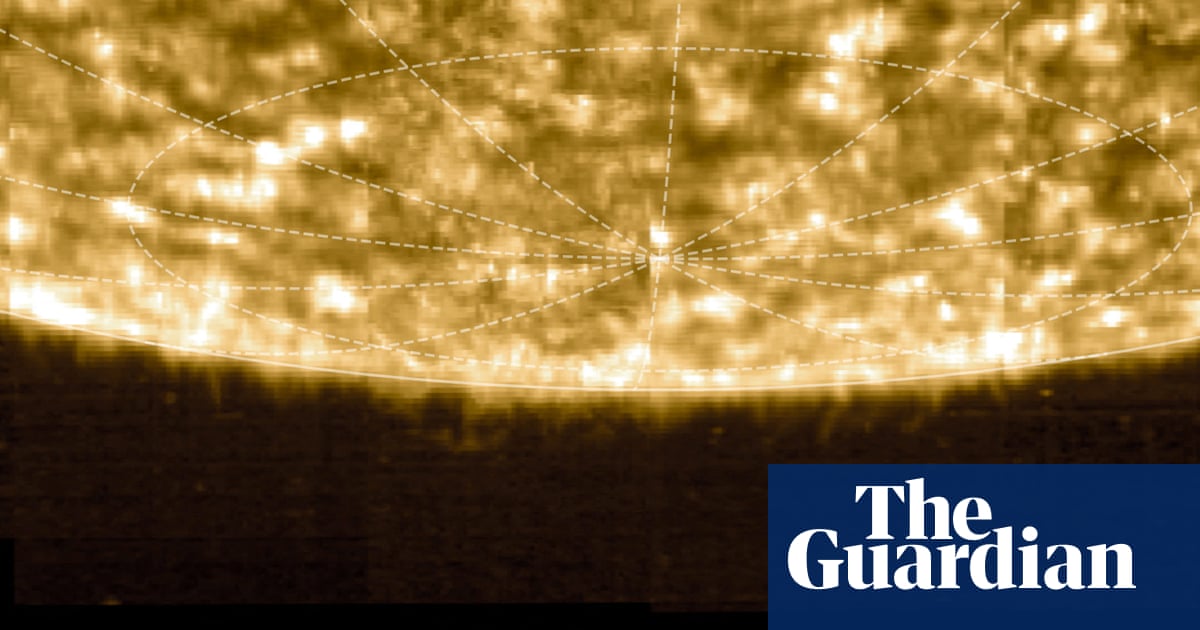
The sun’s uncharted south pole has been revealed for the first time in striking images beamed back from the Solar Orbiter spacecraft.
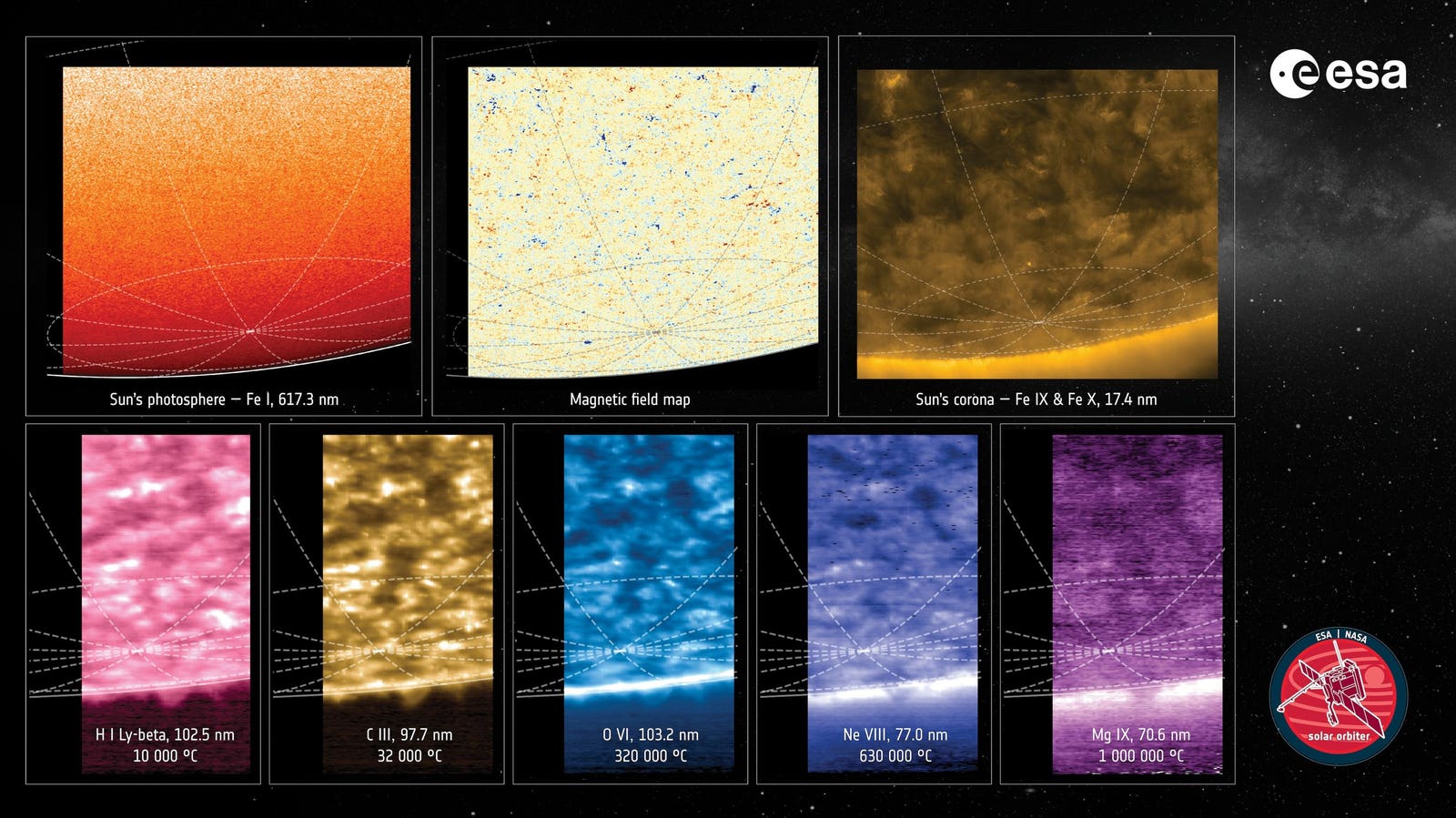
The joint European Space Agency (ESA) and Nasa mission swooped below the planetary plane and, for the first time, captured the sun’s mysterious polar regions. The groundbreaking observations also mapped a chaotic patchwork of magnetic activity at the sun’s pole that scientists say is key to understanding how the sun’s field flips roughly every 11 years.
“Today we reveal humankind’s first-ever views of the sun’s pole,” said Prof Carole Mundell, the ESA’s director of science. “The sun is our nearest star, giver of life and potential disruptor of modern space and ground power systems, so it is imperative that we understand how it works and learn to predict its behaviour. These new unique views from our Solar Orbiter mission are the beginning of a new era of solar science.”
The $1.3bn (£1.1bn) mission, which launched in 2020, shows the sun’s south pole as recorded mid-March, when the craft had dipped to an angle of 15° below the solar equator to perform the mission’s first high-angle observations. While the Earth – like a bar magnet – has a clear north and south, the sun’s magnetism flips roughly every 11 years. The sun is currently at a solar maximum, the period when it builds up to a polarity flip, in which the south pole will become magnetic north and when sun spots and solar flares are most active.