HomeAI · summaries
Storia in 10 fonti
Lindsay Clancy verdict options as jury deliberates in her murder trial
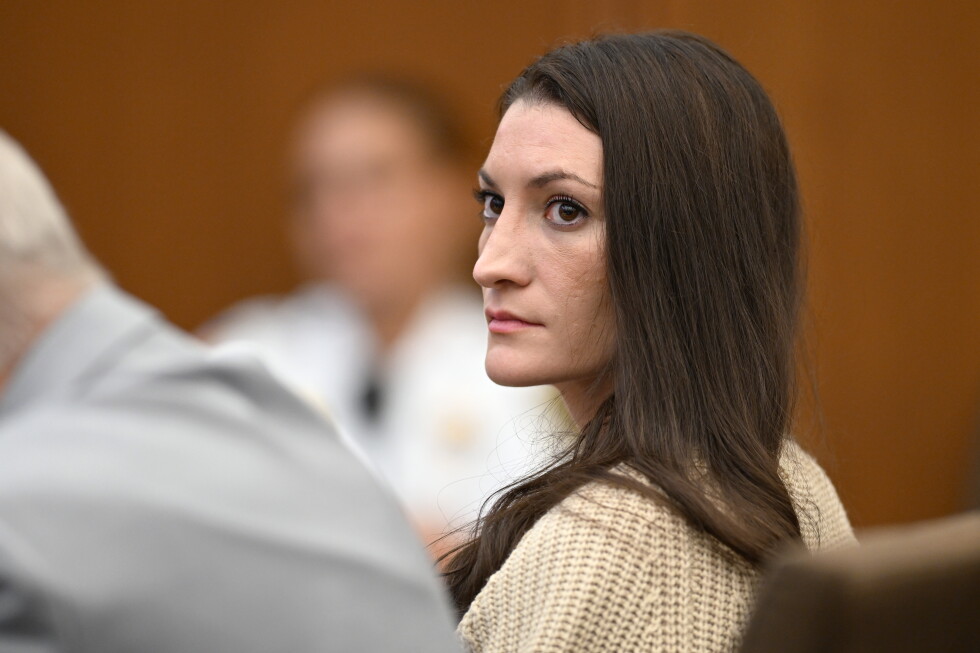
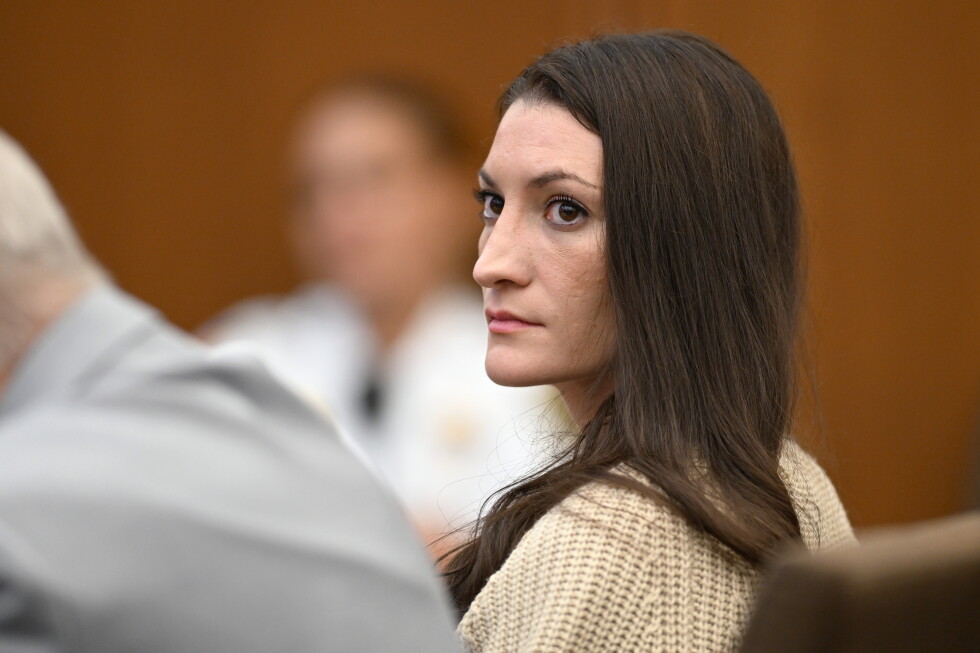
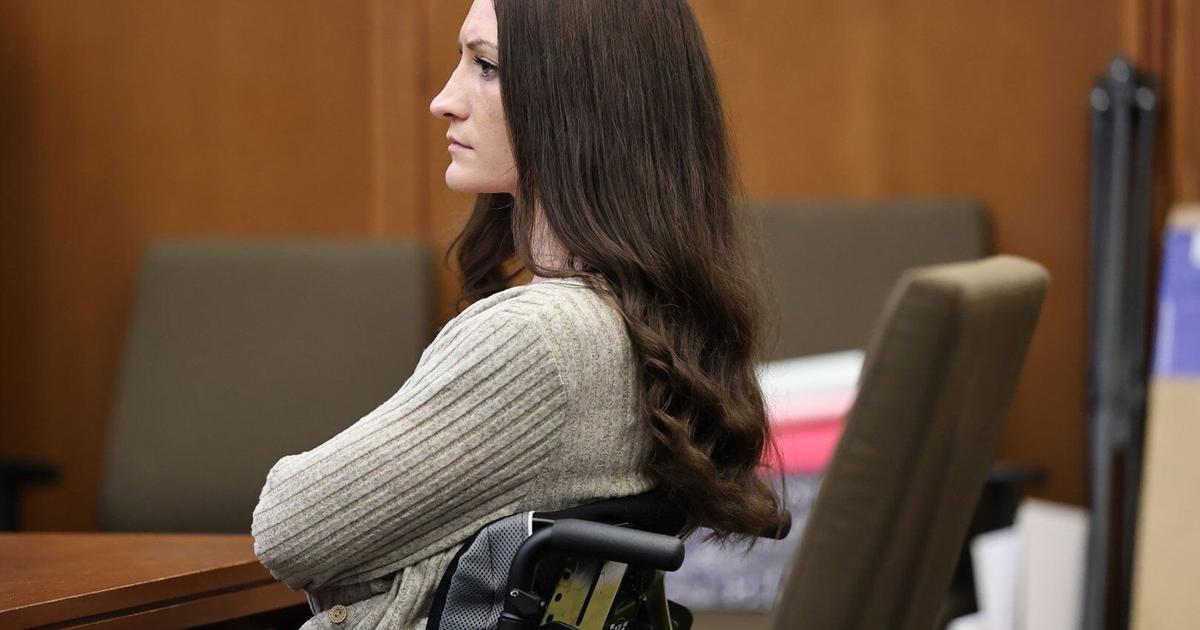
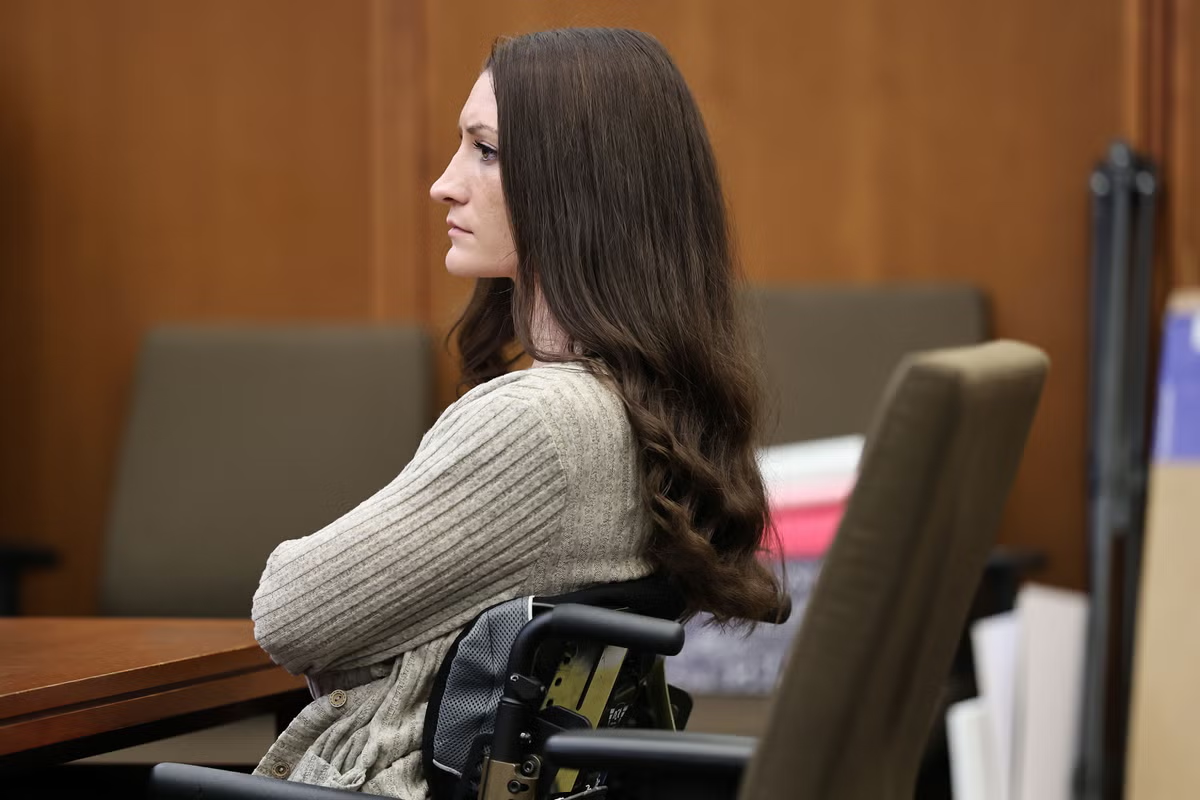
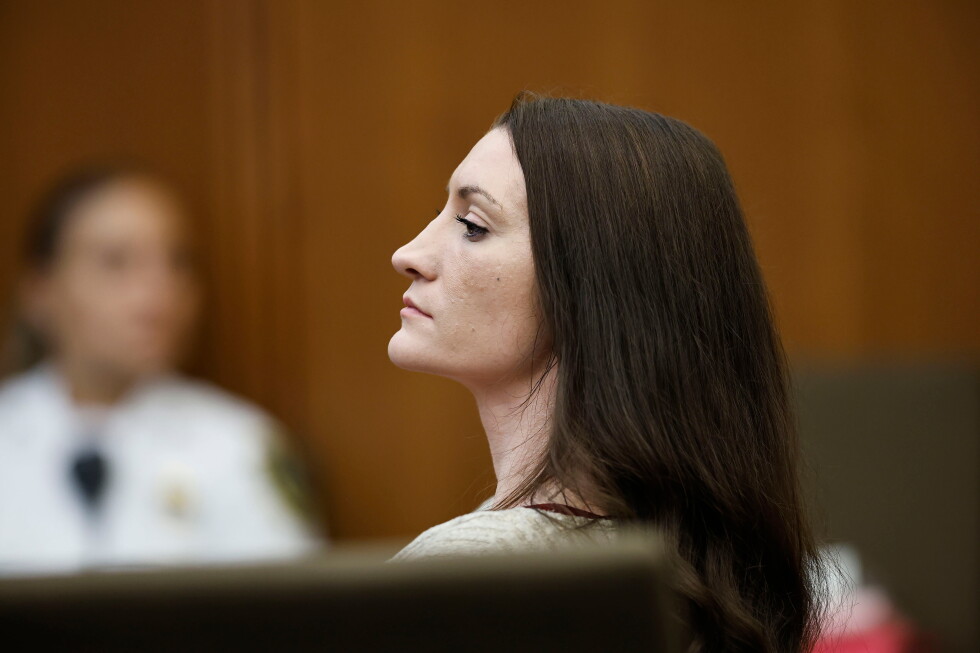
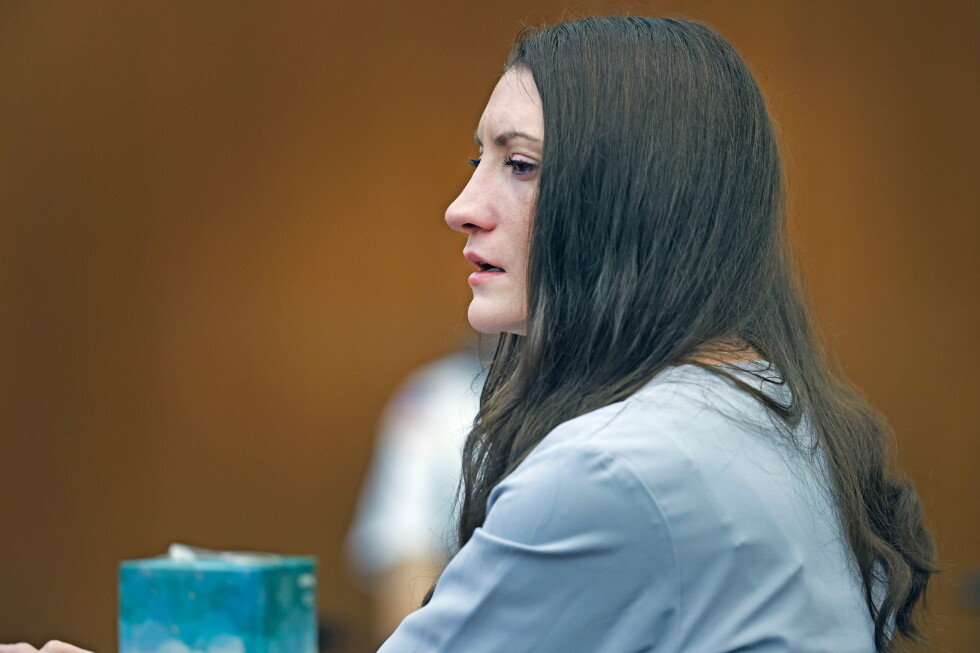
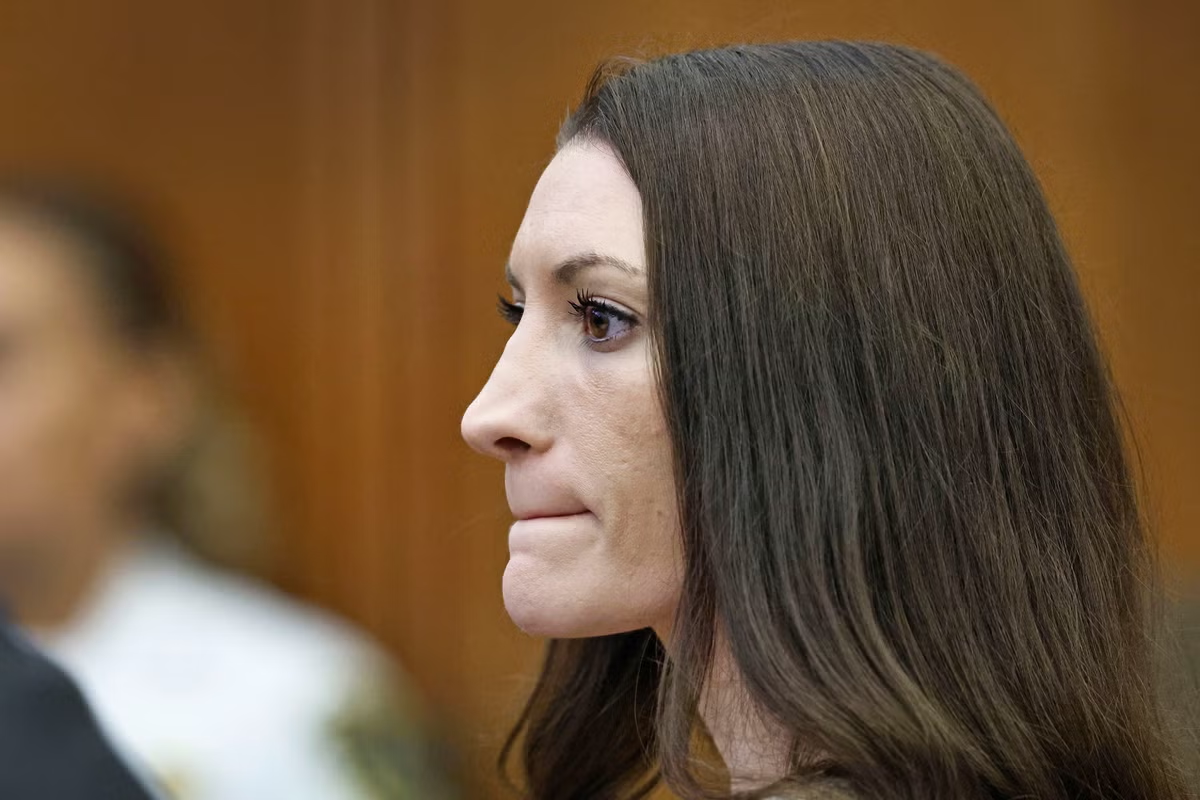
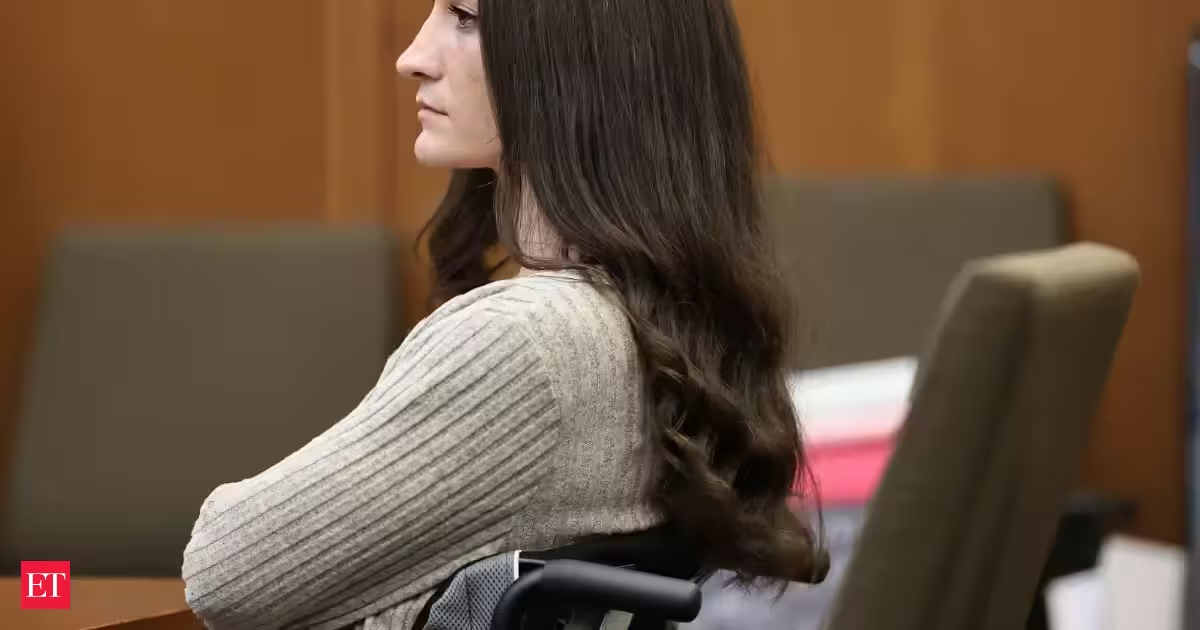
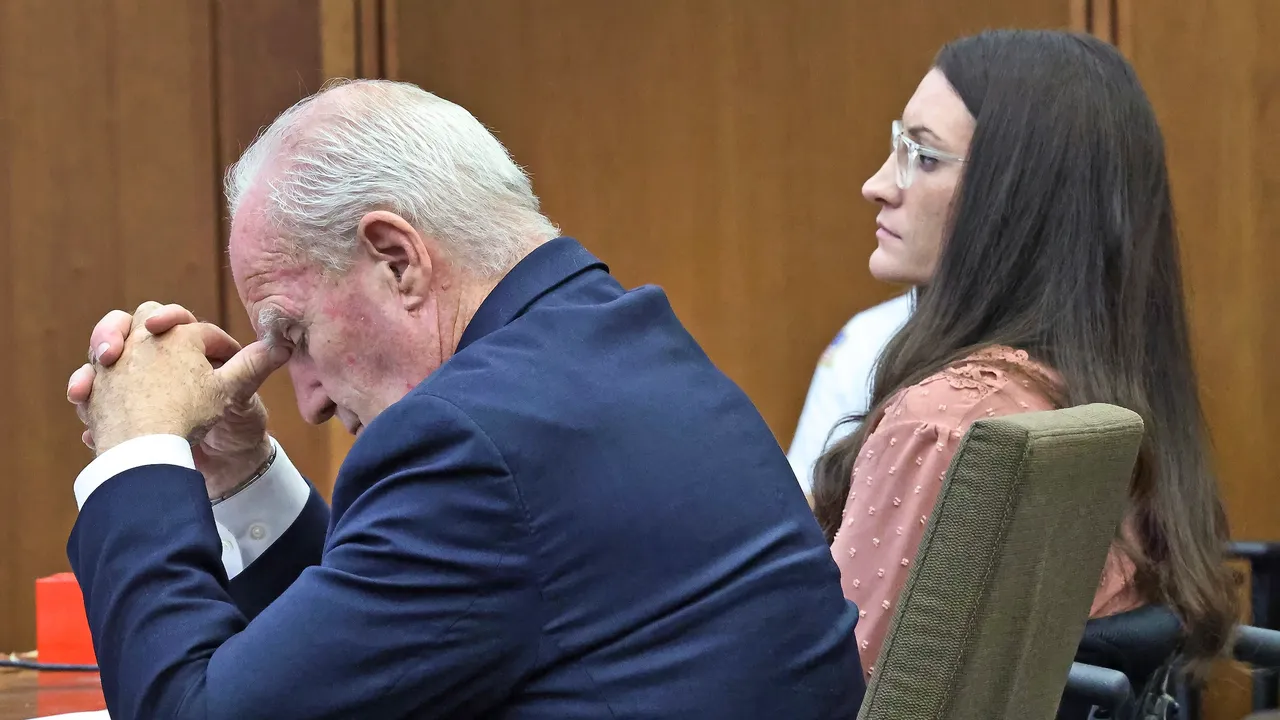
Jump to contentAllNewsSportCultureLifestyleLindsay Clancy listens to testimony during her murder trial in Plymouth, Massachusetts (Greg Derr/Pool The Patriot Ledge)Jurors in Lindsay Clancy’s murder trial must decide whether she committed first-degree murder in each of her children’s deaths. The charge, which requires proof of premeditation and malice, carries a sentence of life without parole. If jurors acquit her of that charge, they must consider lesser charges.Second-degree murder: This carries a sentence of life with the possibility of parole. To be convicted on this charge, the killings must have been deliberate but not planned.Manslaughter: This carries a sentence of up to 20 years in state prison. It is defined as an unlawful killing without intent to cause harm.Not guilty: The jury could also conclude that Clancy killed the children but lacked criminal responsibility due to a mental disease or defect. This is known as the insanity defense.If the jury finds Clancy not guilty, a judge can order an evaluation. If she is found mentally ill and a danger to herself or others, the court can commit her to a state mental hospital for six months. She would be assessed annually, but could remain hospitalized for the rest of her life. If she is no longer considered dangerous or suffering from a mental illness, Clancy would be discharged.In fullLindsay Clancy jury returns Friday to decide her fate after heartbreaking murder trialMore bulletinsThank you for registeringPlease refresh the page or navigate to another page on the site to be automatically logged inPlease refresh your browser to be logged in
Confronto fonti
6 prospettive sulla stessa storiaTimeline cronologica
- ·
cbsnews.com
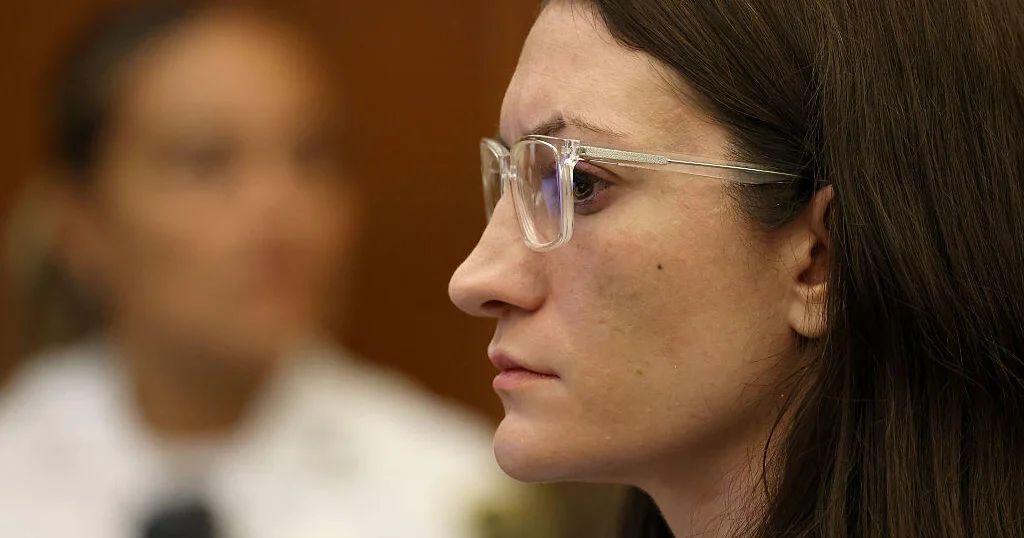
What happens to Lindsay Clancy after verdict in murder trial? Legal experts explain potential outcomes.
Lindsay Clancy has pleaded not guilty to three counts of first-degree murder in the January 2023 strangulation deaths of her children.
- ·
dailymail.com

Lindsay Clancy judge rules mom can be found guilty of MANSLAUGHTER
The charging conference marks a pivotal moment for Clancy, whose defense argues that medication used to treat her postpartum psychosis should give jurors a path to a lesser…