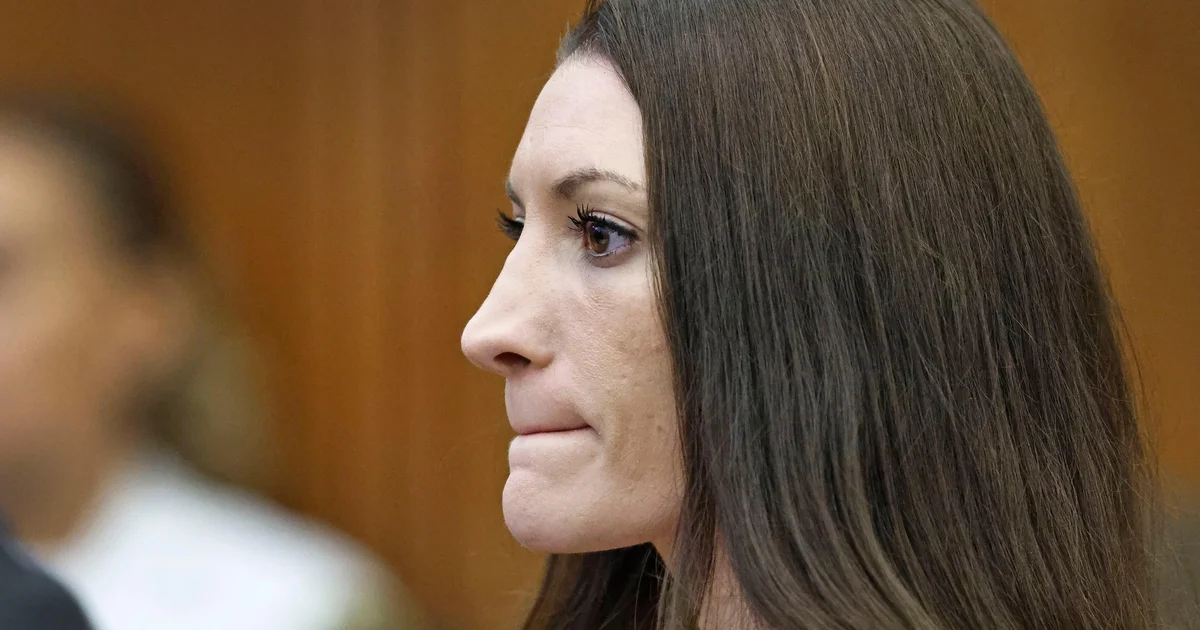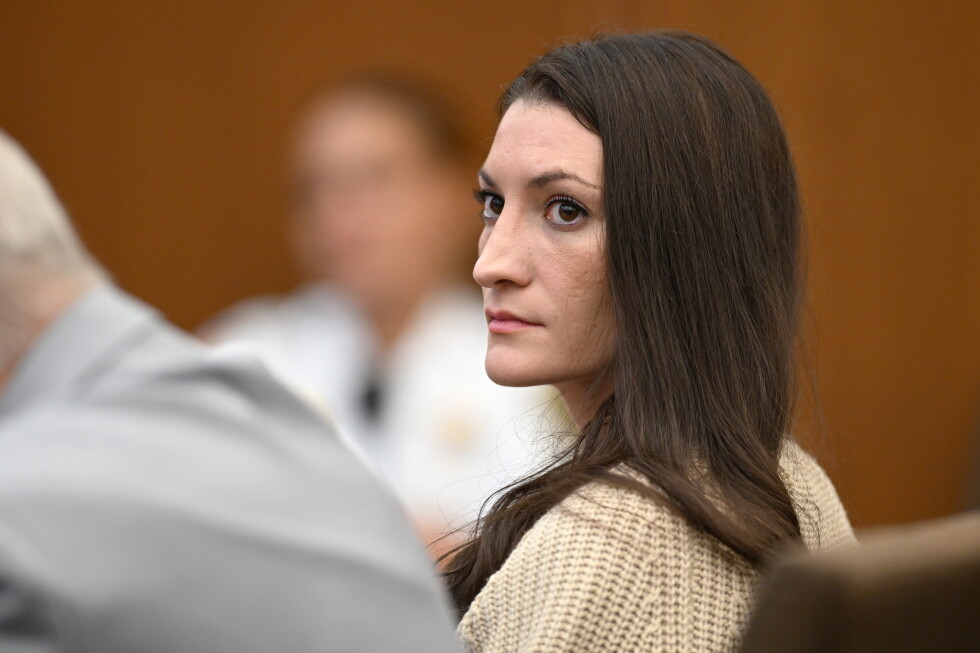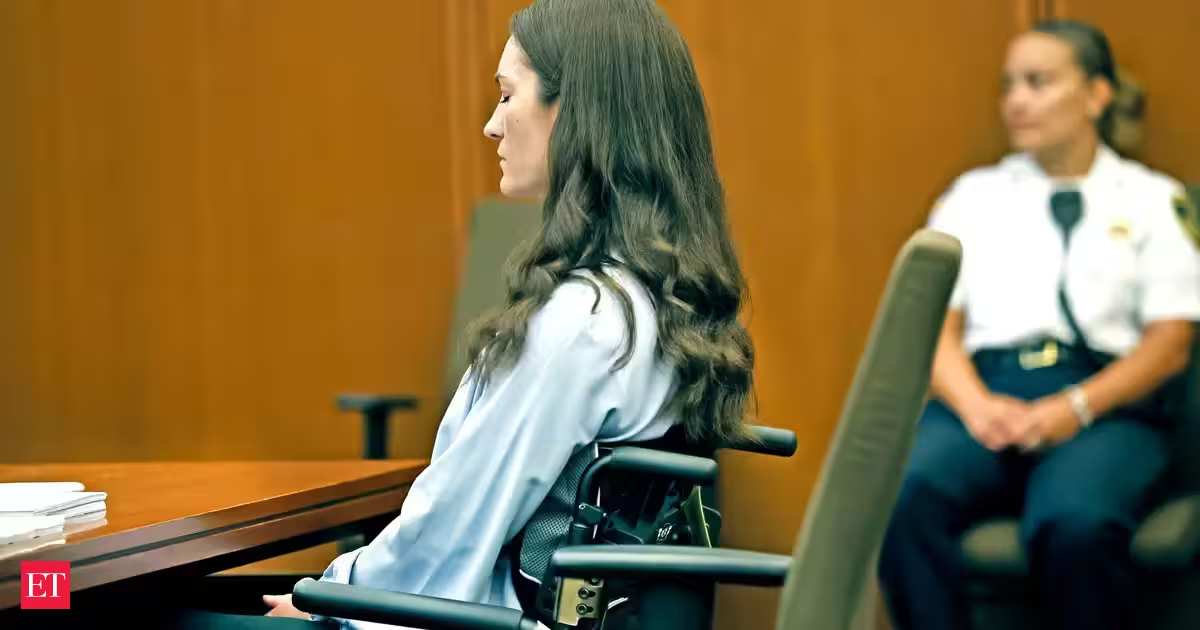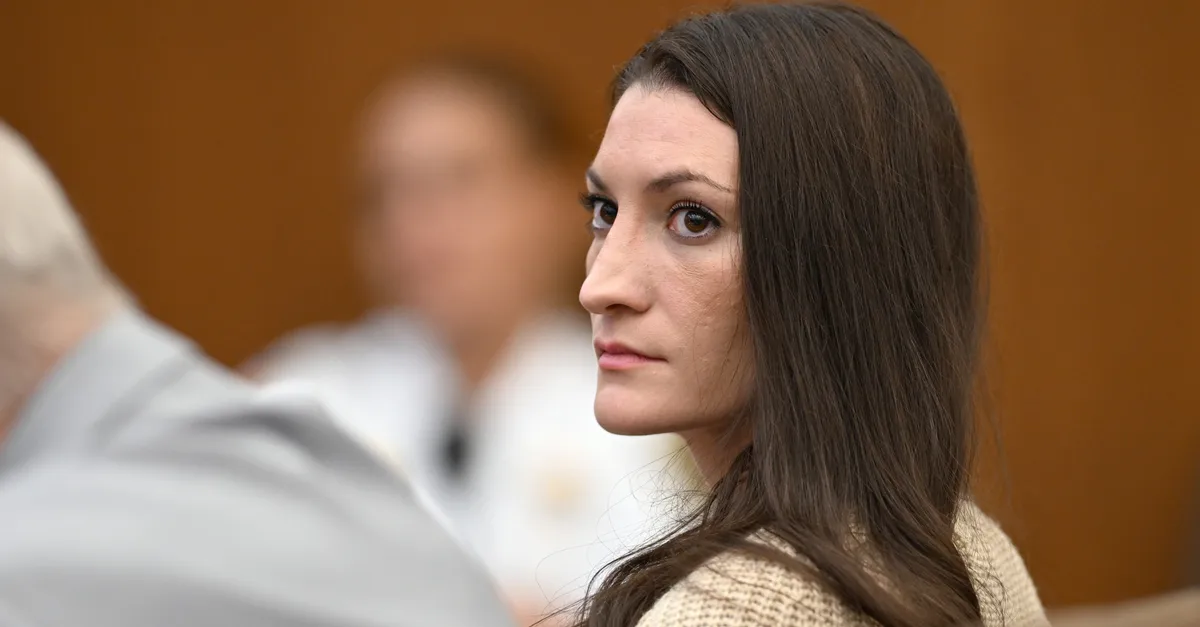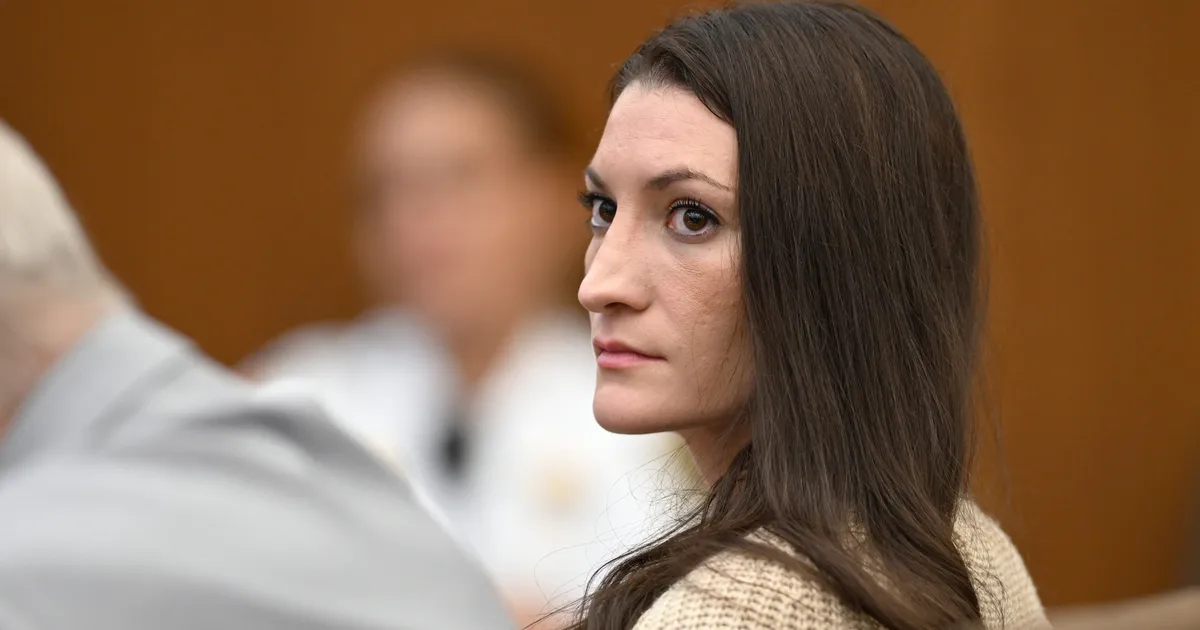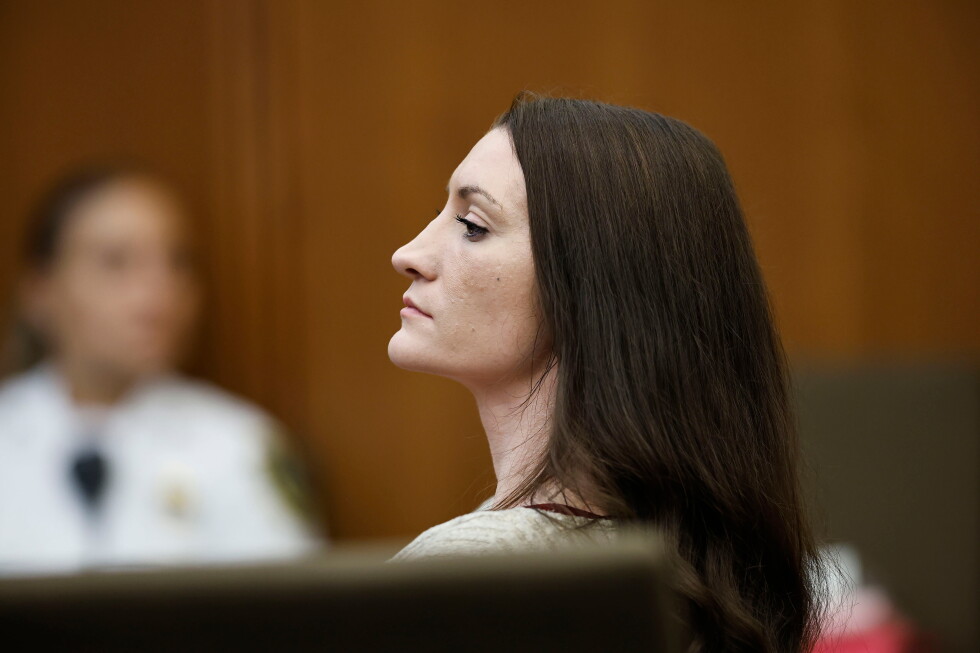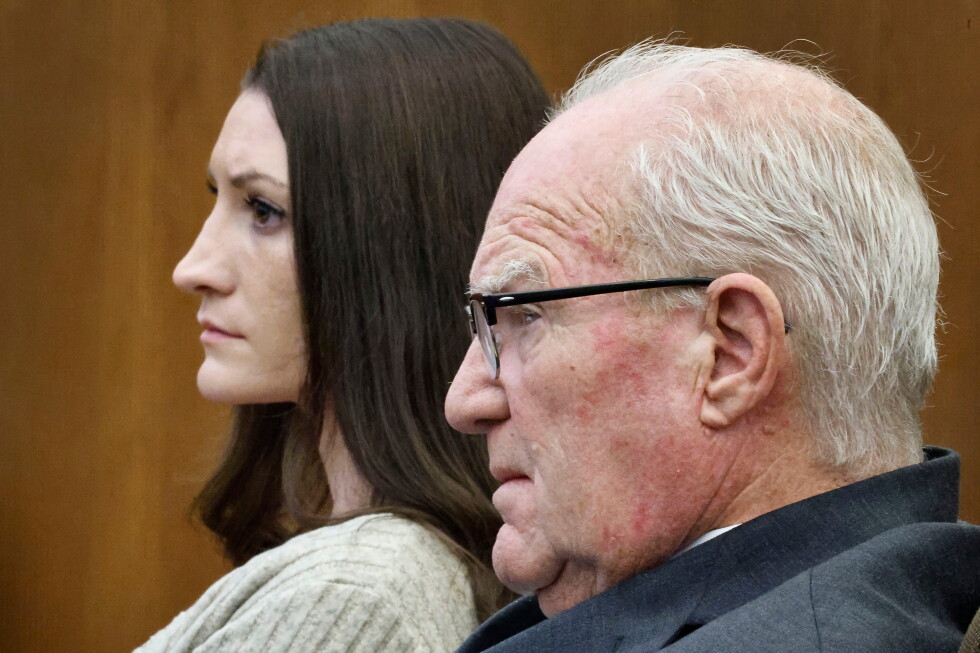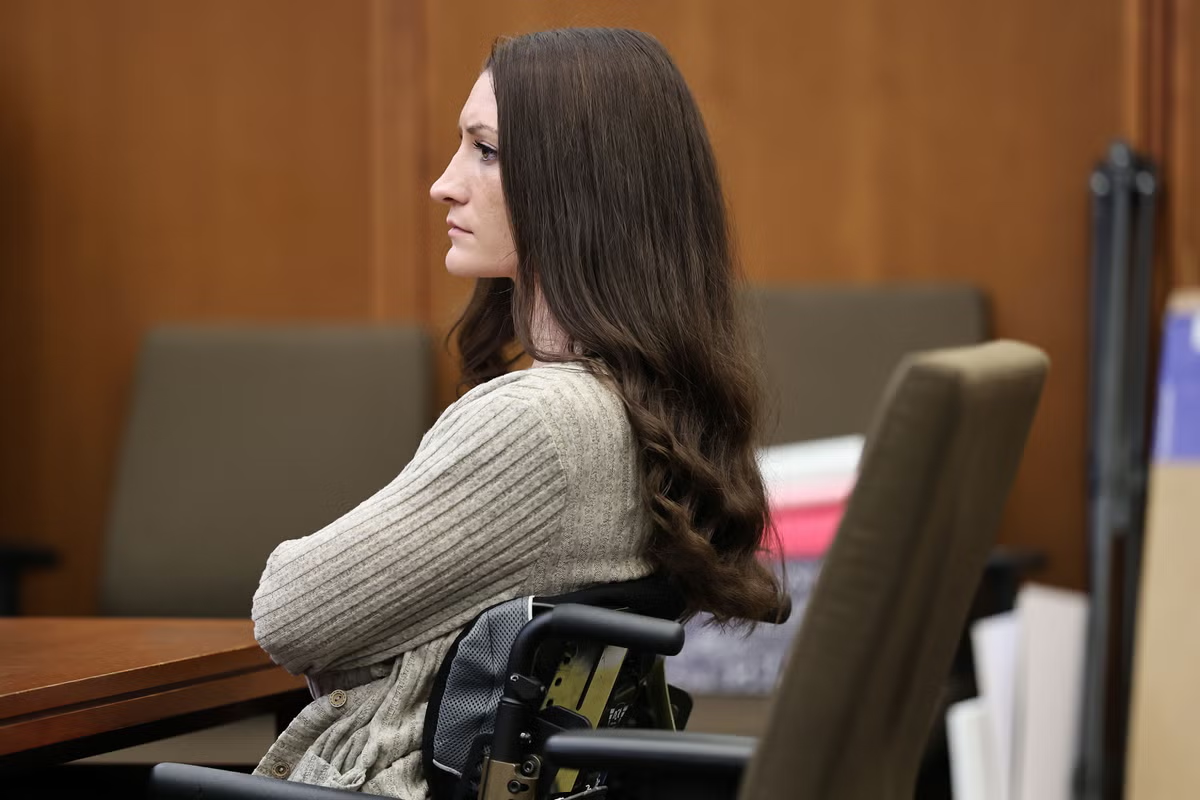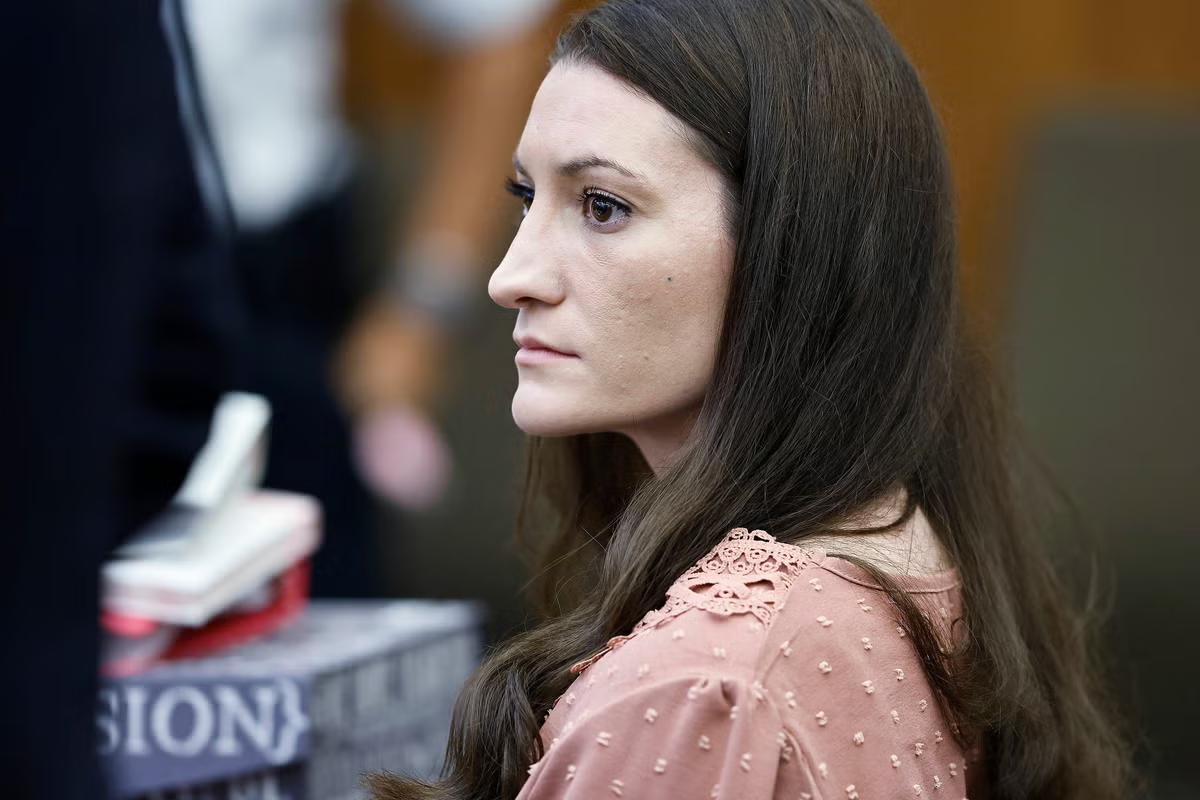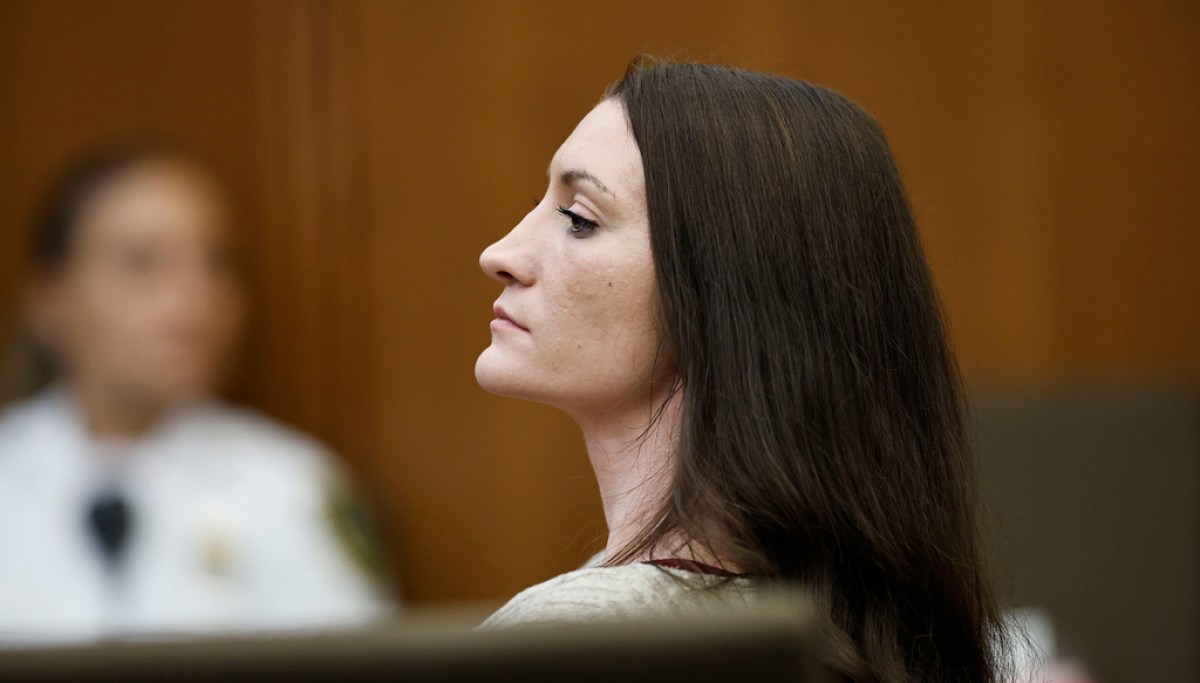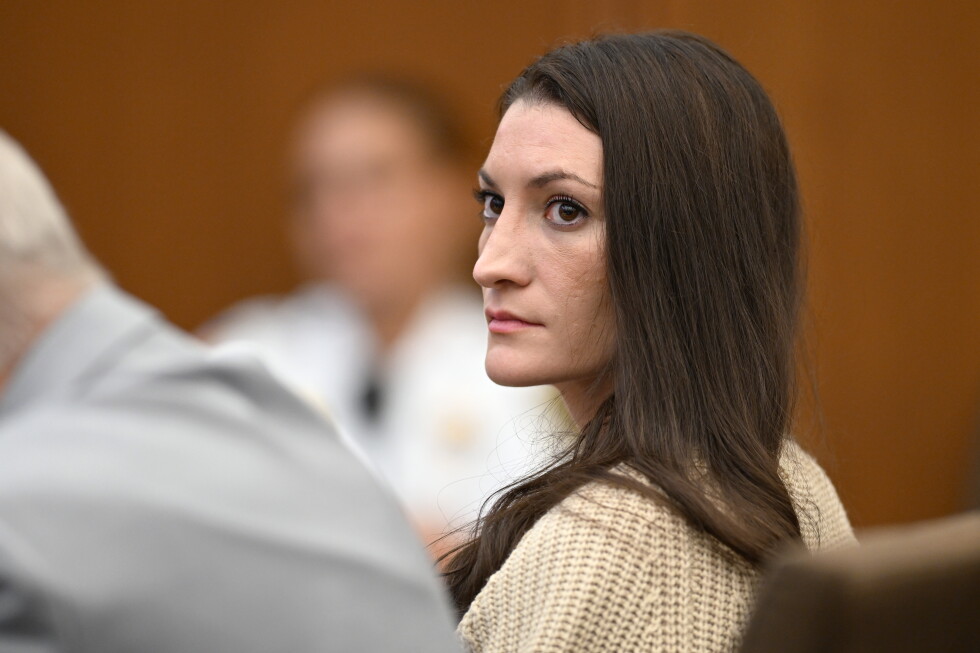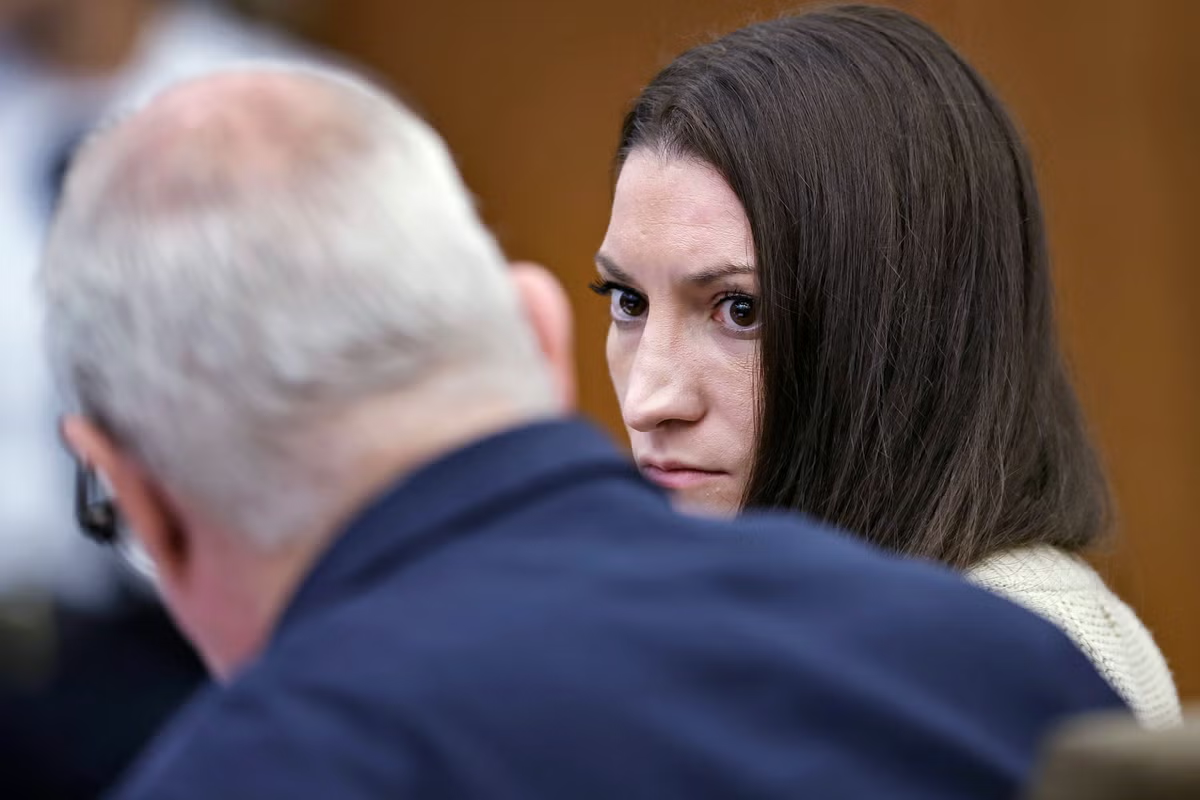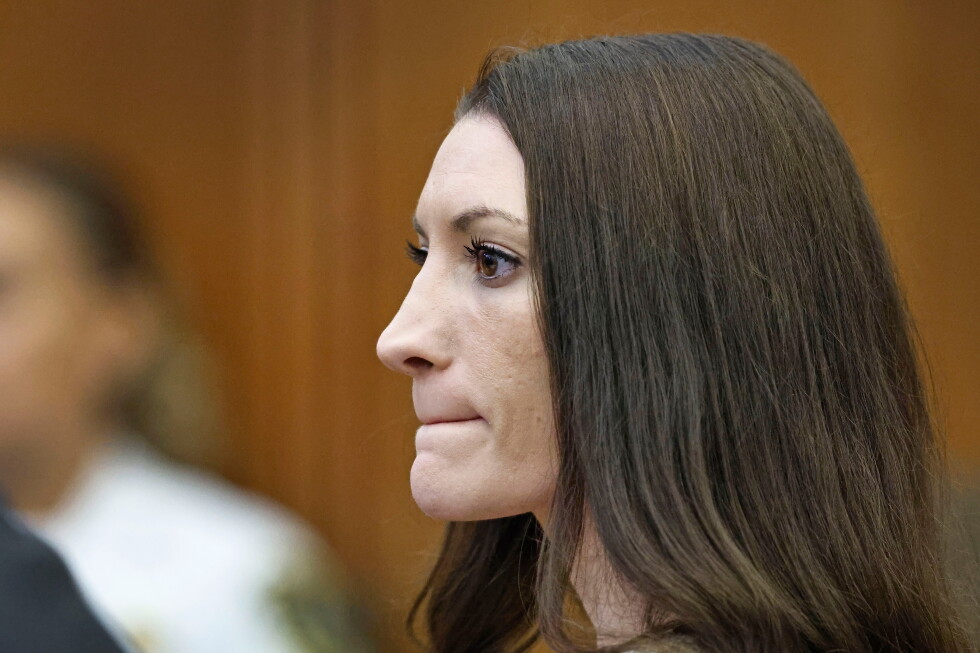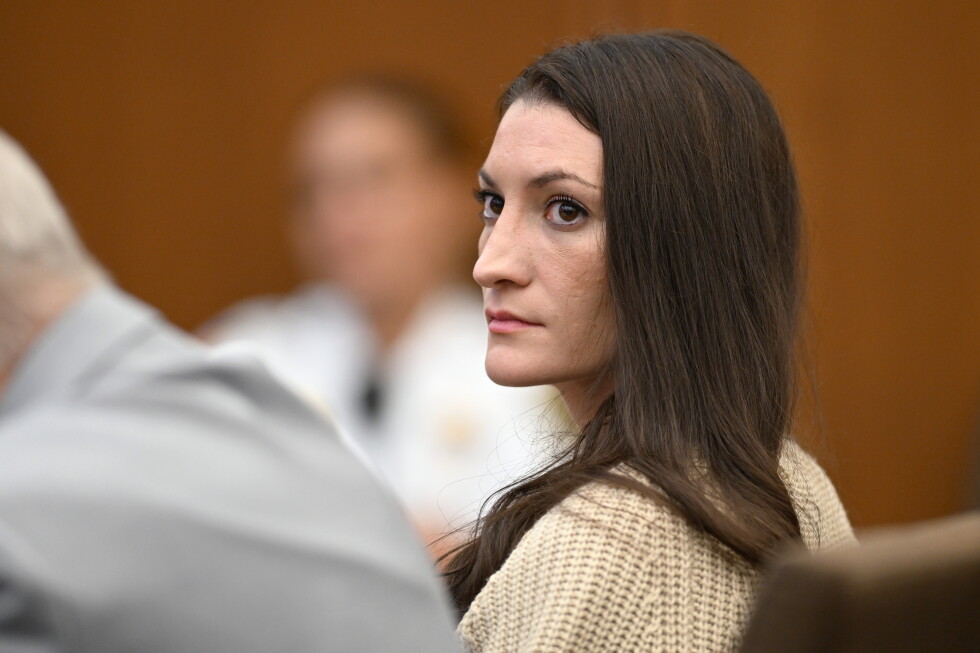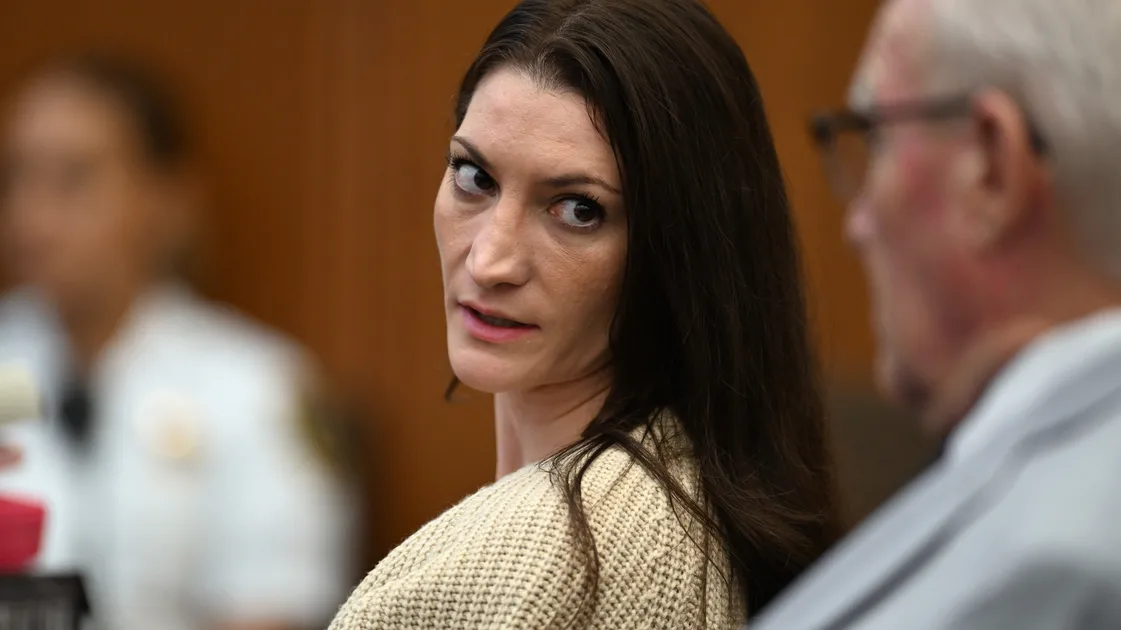
Jurors entered deliberations Thursday after four weeks of testimony in the trial of Lindsay Clancy, the Massachusetts mother whose defense is arguing that Clancy was experiencing postpartum psychosis in 2023 when she strangled and killed her three children — and that she shouldn’t be held criminally responsible.The well-publicized trial has ignited a storm of debates about maternal health and conspiracy theories, and has taken over social media. Many are divided over whether Clancy should be found guilty for three counts of first-degree murder — which would land her in prison for the rest of her life without parole — or if she should be found not guilty by reason of insanity and committed to a mental health facility. The jury can also find Clancy guilty of second-degree murder or manslaughter. Clancy was emotional Thursday as her defense attorney, Kevin Reddington, delivered his closing arguments, re-emphasizing that the three children are the victims in this case and that Clancy was experiencing postpartum psychosis.Reddington added that because of the “lousy medical care she got,” Clancy wasn’t able to get proper help, adding it’s “repulsive” that the prosecution would argue that she killed her kids because she didn’t like them.Lindsay Clancy, center, speaks with her lawyer Kevin Reddington during proceedings in her murder trial, Thursday, Aug. 20, 2026, in Plymouth, Mass. (AP Photo/Josh Reynolds, Pool)via Associated PressHe also ripped into what he called the police’s “lousy investigation,” pointing out that the police didn’t submit Clancy’s bag of medications as evidence.In her closing arguments, prosecutor Jennifer Sprague said the case isn’t about the mental health system, because it’s not up for debate whether Clancy had mental health issues or not. “This wasn’t a woman suffering from a lack of help, lack of resources... She had all of that and more,” Sprague said.The day of the killings, the prosecution argued, Clancy knew right from wrong. Earlier in the day, she went to the doctor, “was able to control herself,” went home, played with the kids, and sent texts to her mom and husband.At around 4 p.m. that day, the prosecution alleges, Clancy started planning the killings when she instructed her husband to grab takeout food from a restaurant 30 minutes away. “She was depressed,” Sprague said. “She was exhausted. She was done. She didn’t want to try anymore. She felt damaged. Those kids were her protective factor. Those kids were keeping her from ending her misery. So she had to remove the protective factor. I’m not saying she was happy with it; I’m saying it’s what she had to do to end her misery. But it was a choice.”She added: “She knew it was wrong.”Clancy broke down in tears on multiple occasions during the trial, including Aug. 13, when medical examiner Barbara Olson described in detail the injuries Clancy’s children suffered.Lindsay Clancy, right, and her attorney Kevin Reddington appear in court briefly before an immediate recess during Clancy's murder trial Wednesday, Aug. 19, 2026, in Plymouth, Mass. via Associated PressClancy’s sobs that day were so loud and distracting that the judge called for a recess until she calmed down. After the recess, Clancy ― paralyzed from the waist down after she jumped from her second-story window in a failed suicide attempt following the killing of her children ― put her head on the table and sobbed throughout the rest of the testimony. Clancy never testified, but her ex-husband Patrick Clancy did. He recalled finding his now-ex-wife lying on the ground outside her house. Lindsay Clancy then told her then-husband the kids were in the basement. He testified that after the killings, she told him that she had heard a man’s voice telling her to kill their children. A few weeks into the trial, a GoFundMe for Lindsay Clancy’s parents was launched to help when the trial is over, and they return to “bills, a home, lost savings, and years of putting their own lives on hold while they stood beside their daughter.” As of press time, it has received more than $1 million. Supporters of Lindsay Clancy gather outside of Plymouth Superior Court on Aug. 20, 2026.Boston Globe via Getty ImagesMany people keeping up with the case have spread conspiracy theories ― the most popular one being that Patrick Clancy actually killed the children and framed his wife. One testimony that helped spur such theories came from Massachusetts State Police Trooper Jonathan O’Loughlin, who testified that Lindsay Clancy’s fingerprints couldn’t be recovered from the exercise bands that were used to strangle the children.Mothers have come forward to offer sympathy to Lindsay Clancy and share their own stories of dealing with postpartum psychosis, an issue this case has thrust into the spotlight. Many have said that while they were able to get the help they needed, they aren’t sure where they would be if they hadn’t.Hundreds have shown up to the trial in Massachusetts to support Lindsay Clancy, wearing pink shirts with “Believe,” “She Needed Help” and “Peace For Lindsay” written on them. The supporters, mostly women, told the Associated Press that they wanted to draw awareness to the case to show how the mental health system treats women. “Women are being dismissed, neglected and ignored when we speak up,” April Vincent, a 52-year-old paralegal from Providence, Rhode Island, told the Associated Press. “We’re scared because nobody takes us seriously.”
Lindsay Clancy Jury Begins Deliberations After Defense Calls Prosecution’s Closing Argument ‘Repulsive’
Clancy has pleaded not guilty by reason of lack of criminal responsibility in the strangulation deaths of her three children in 2023.
884 words~4 min read