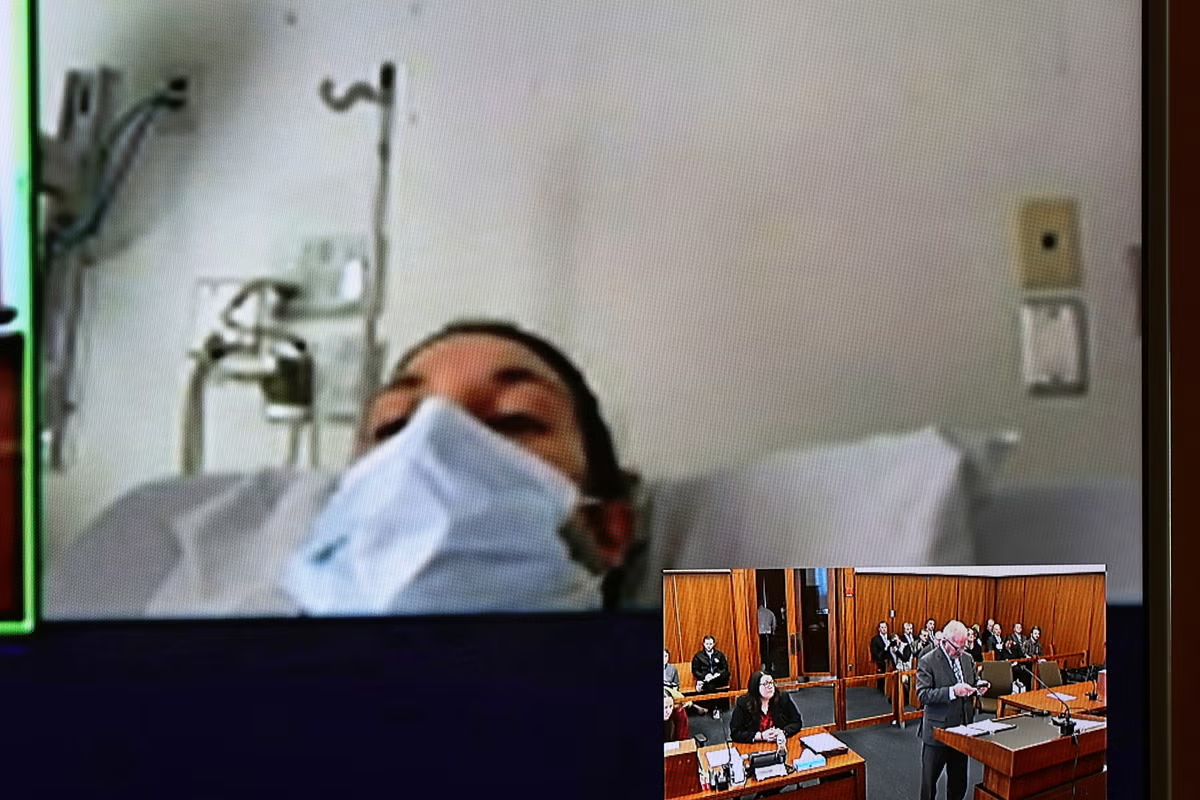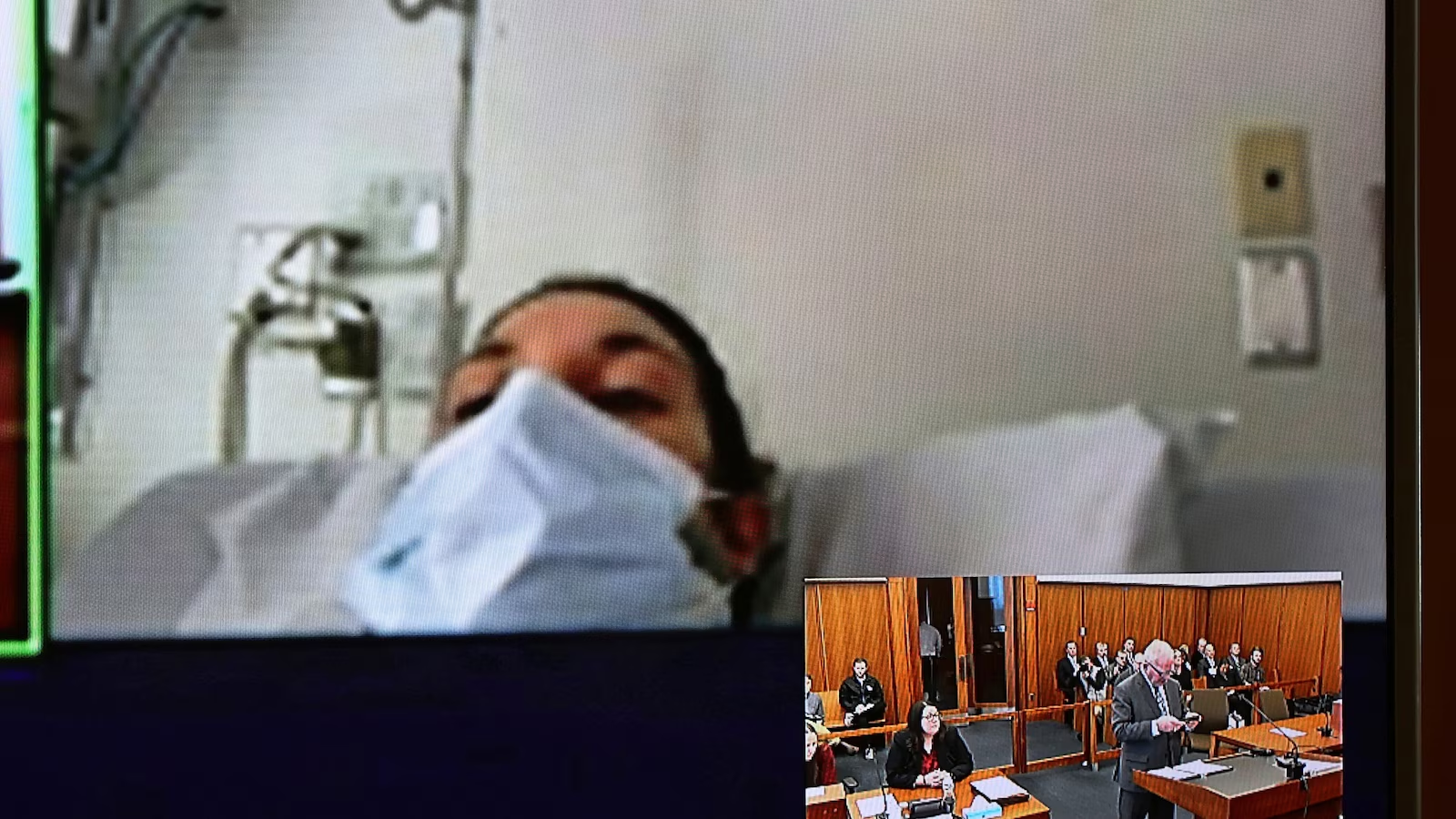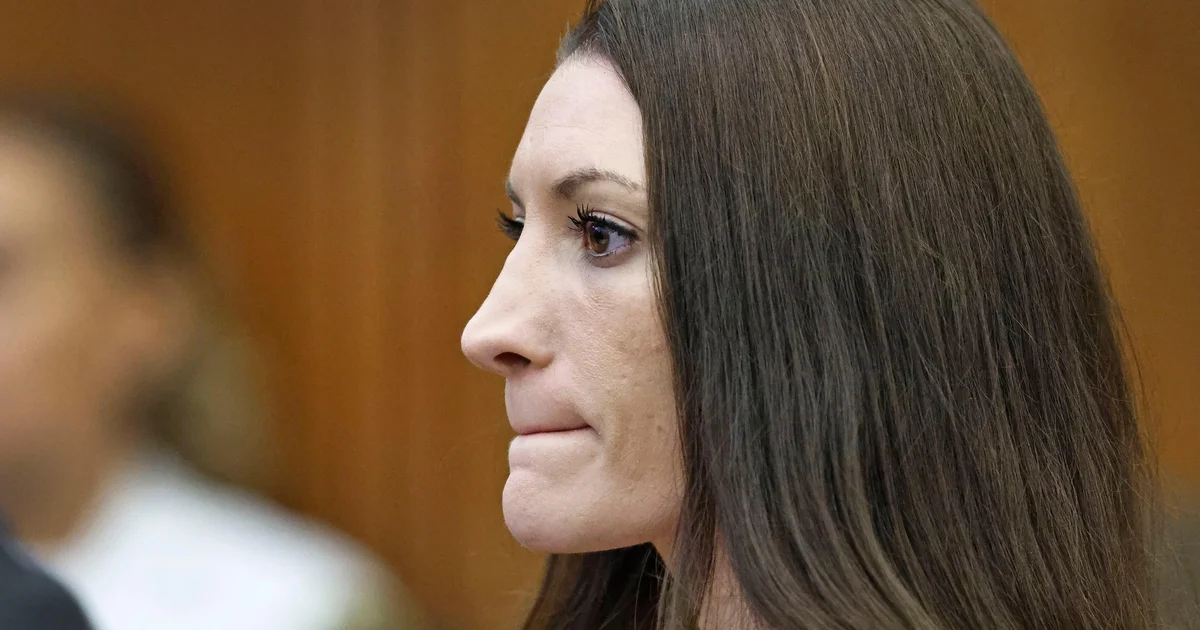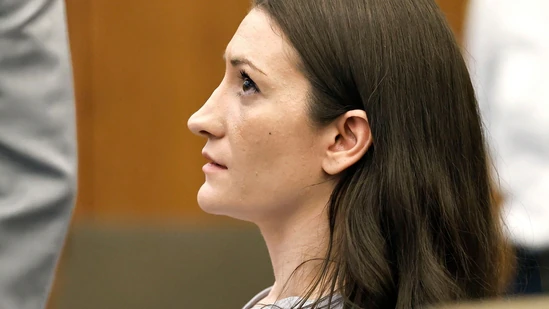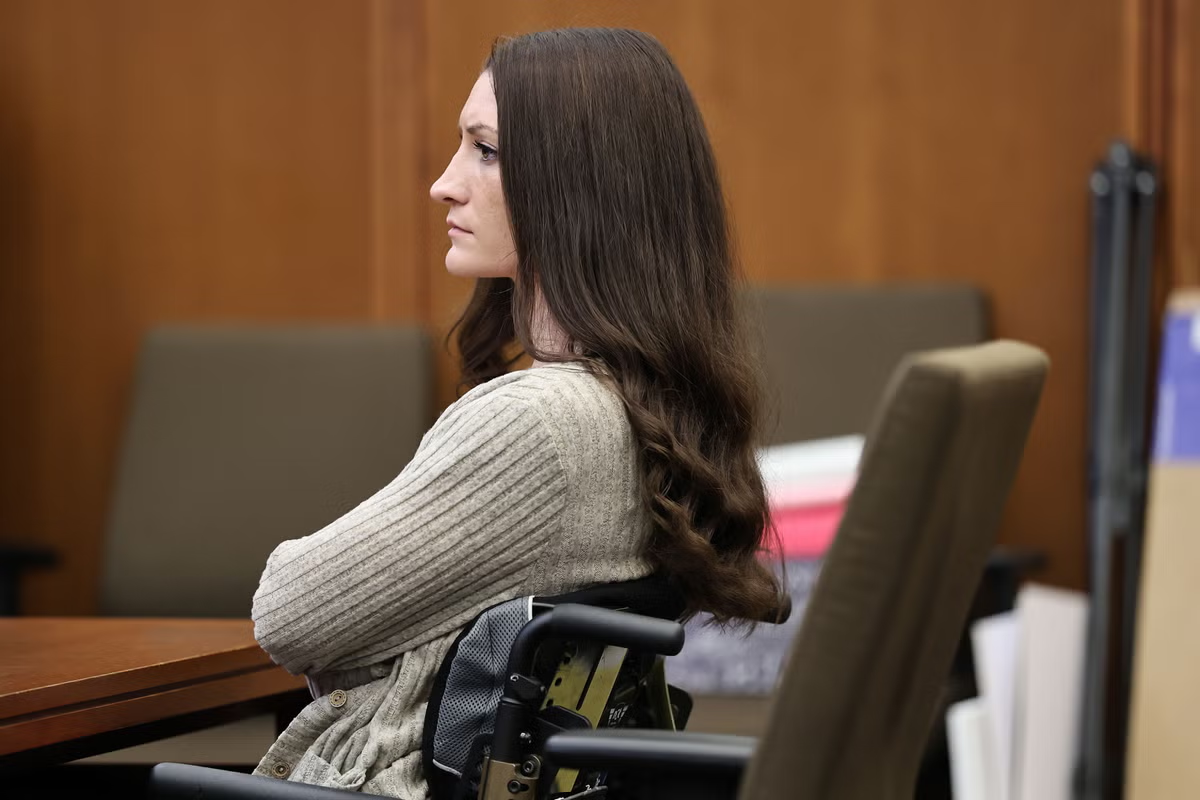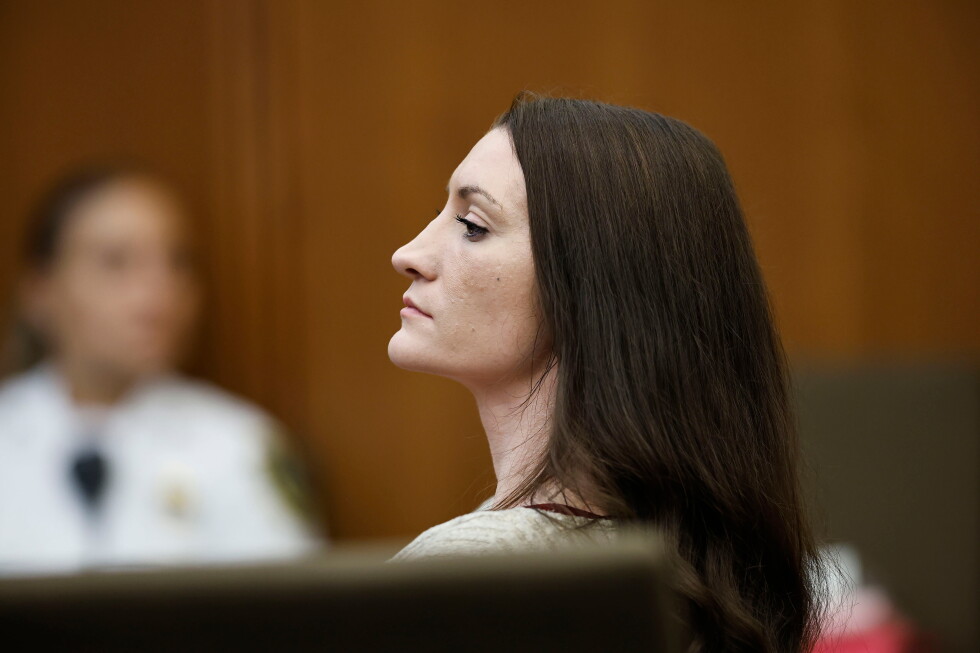
The long-awaited murder trial of Lindsay Clancy, the Massachusetts mother accused of killing her three young children in one of the country's most closely watched criminal cases, officially began on July 20, 2026, with jury selection in Plymouth Superior Court. The trial is expected to last six to eight weeks and is likely to center on a critical legal question: Was Clancy legally responsible for her actions, or was she suffering from postpartum psychosis severe enough to meet the legal standard for insanity? Clancy has pleaded not guilty to three counts of first-degree murder, and her attorneys do not dispute that she caused the deaths of her children. Instead, they argue that she was experiencing a severe postpartum psychiatric illness that rendered her criminally insane at the time of the killings. Prosecutors, however, contend the deaths were intentional and carefully planned. Who is Lindsay Clancy?Lindsay Clancy, now 36, was a labor and delivery nurse at Massachusetts General Hospital, one of the leading hospitals in the United States. She lived with her husband, Patrick Clancy, and their three children in Duxbury, Massachusetts, a coastal town about 30 miles south of Boston. Before the tragedy, friends, colleagues and family described Clancy as a devoted mother and healthcare professional. Her husband later wrote publicly that she had always been "generously loving and caring" toward her family, friends and patients, urging people to remember "the real Lindsay" rather than define her solely by what happened in January 2023, as reported by AP.What happened in the Lindsay Clancy case?According to prosecutors, the incident unfolded on January 24, 2023.Authorities allege that Clancy asked her husband to leave the family home to pick up takeout food and a prescription from a pharmacy. While he was away, investigators say she strangled the couple's three children using exercise resistance bands.The children were:Cora Clancy, 5Dawson Clancy, 3Callan Clancy, 8 months oldAfter the killings, Clancy attempted to take her own life by jumping from a second-story window. She survived but suffered spinal injuries that left her paralyzed and dependent on a wheelchair. She has since been held at a Massachusetts state hospital while awaiting trial. Why has the case drawn national attention?The Clancy case has attracted widespread attention because it sits at the intersection of criminal law, psychiatry and maternal mental health.Rather than disputing the facts of the case, the central issue for the jury is expected to be Clancy's mental state at the time of the killings.Her defense intends to argue that she was suffering from postpartum psychosis, a rare but severe psychiatric emergency that can occur after childbirth and may involve hallucinations, delusions and a loss of contact with reality. Prosecutors, however, argue that Clancy's actions reflected planning and intentional conduct rather than an inability to understand what she was doing. What is postpartum psychosis?Postpartum psychosis is considered one of the rarest but most serious postpartum mental illnesses.According to the Cleveland Clinic and the American College of Obstetricians and Gynecologists (ACOG), it affects approximately 1 to 2 women per 1,000 births.Symptoms can include:HallucinationsDelusional beliefsSevere confusionDisorganized thinkingExtreme mood changesThoughts of harming oneself or one's childMedical experts consider postpartum psychosis a psychiatric emergency requiring immediate treatment, often including hospitalization.Unlike the far more common postpartum depression, postpartum psychosis is rare but carries a significantly higher risk of suicide and infanticide if left untreated.What do the defense and prosecution say?Defense attorney Kevin Reddington has acknowledged that Clancy killed the children but says the evidence will show she was legally insane because of a severe postpartum psychiatric condition. He has described the case as "an extreme tragedy." Court filings from lawsuits later filed by Lindsay and Patrick Clancy allege that she repeatedly sought medical help before the killings. According to those filings, she experienced worsening depression, insomnia and auditory hallucinations, including voices allegedly urging her to harm herself and her children. The lawsuits accuse healthcare providers of failing to properly diagnose, monitor and treat her condition. Prosecutors reject that interpretation and argue that the killings were deliberate rather than the result of someone who had completely lost touch with reality. Their case is expected to focus on evidence they say demonstrates planning and intent. What role has Patrick Clancy played?One of the most unusual aspects of the case is the position taken by Clancy's husband.Patrick Clancy is listed as a potential witness for both the prosecution and the defense. In interviews and public statements after the deaths, he has said that he forgives his wife and believes she was suffering from a severe mental illness rather than acting as the person he knew.He has also filed a lawsuit against her healthcare providers, alleging failures in diagnosing and treating her psychiatric condition before the killings. What happens next?Jury selection began on July 20, with five jurors selected on the first day. The court plans to seat 18 jurors, 12 regular jurors and six alternates, because of the anticipated length and complexity of the proceedings. The trial is expected to feature testimony from psychiatric experts, medical professionals, family members and investigators.
Who is Lindsay Clancy? Inside the Massachusetts mother's case as jury selection begins in trial over deaths of her three children
The murder trial of Lindsay Clancy, accused of killing her three children, commenced on July 20, 2026. Her defense will argue she suffered from postpartum psychosis, rendering her criminally insane. Prosecutors contend the killings were intentional and carefully planned acts. Clancy, a former nurse, allegedly used resistance bands to strangle her children. The trial's central issue is Clancy's mental state at the time of the tragic events.
835 words~4 min read