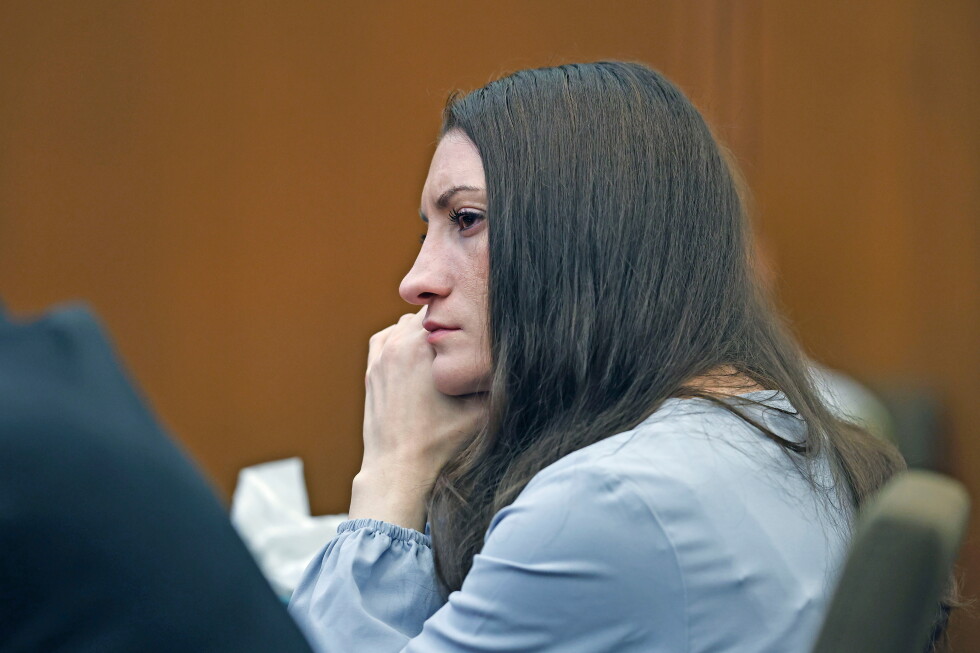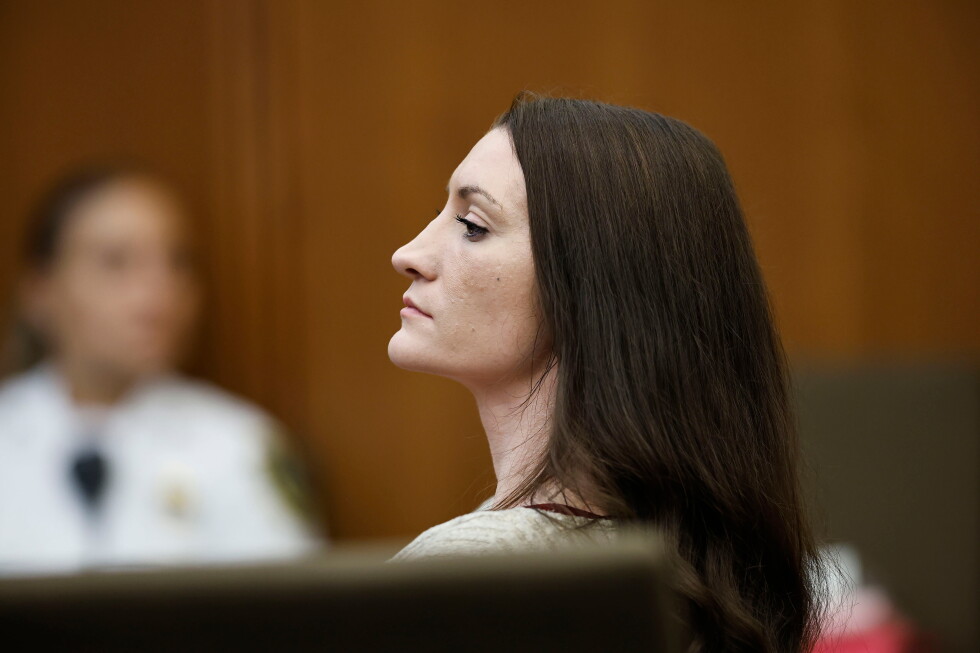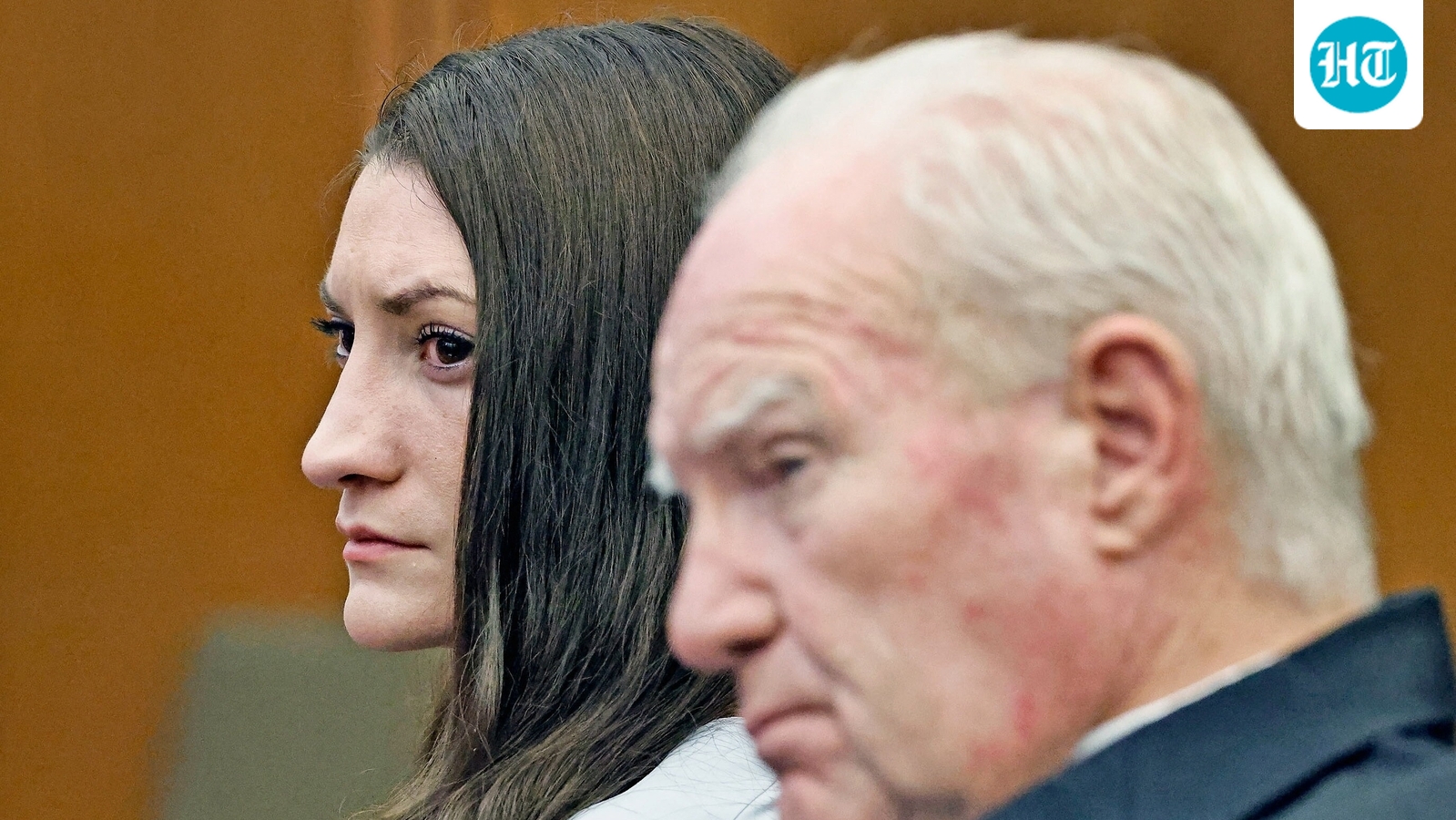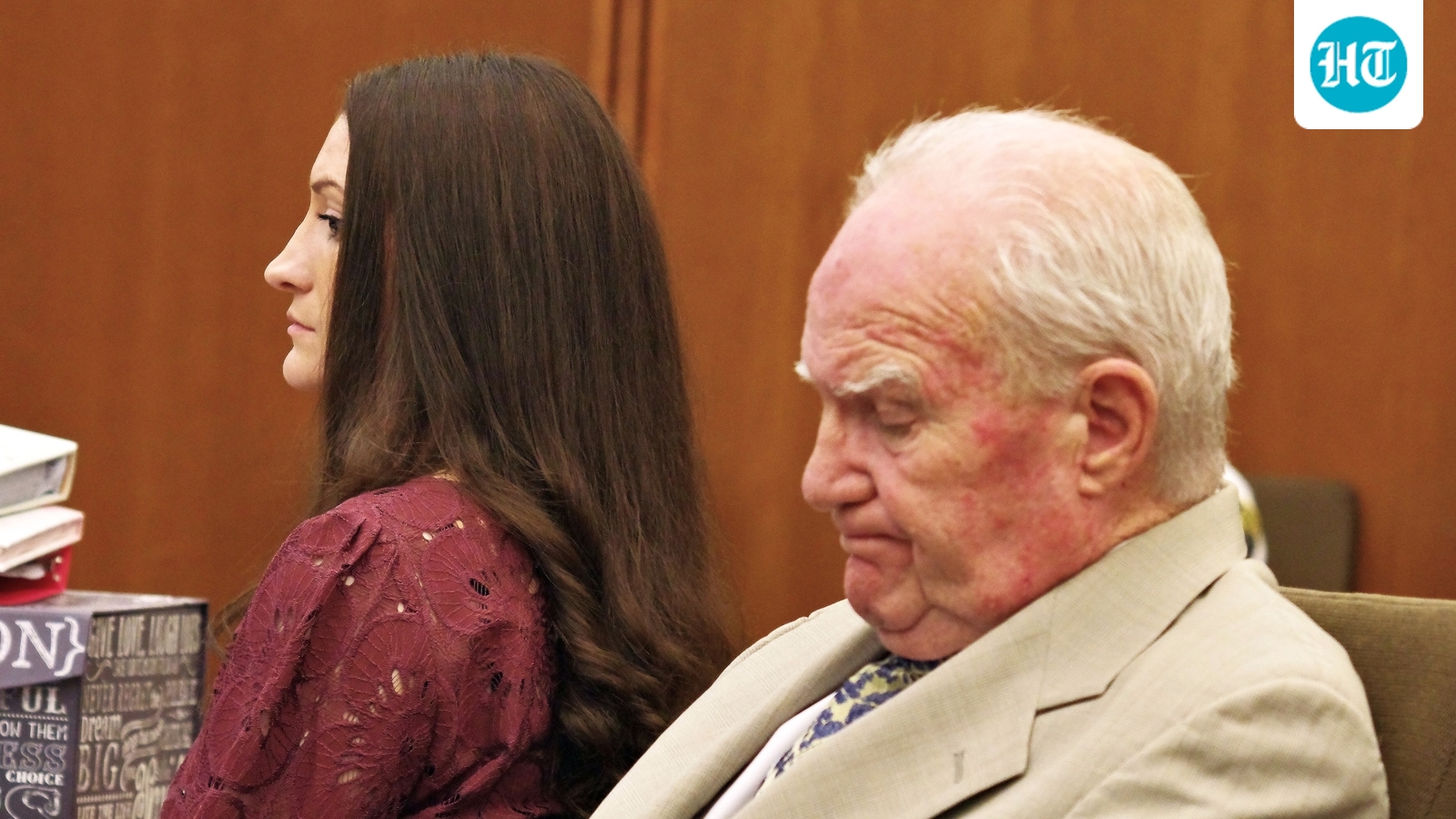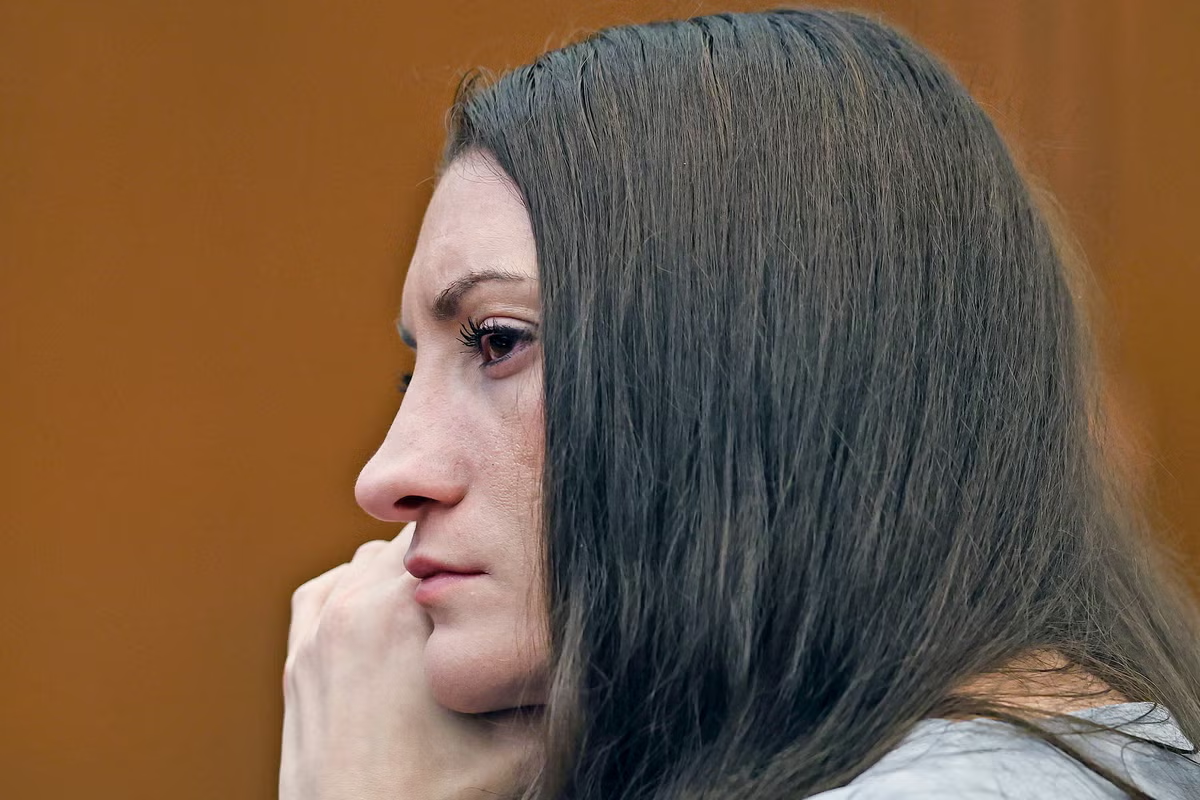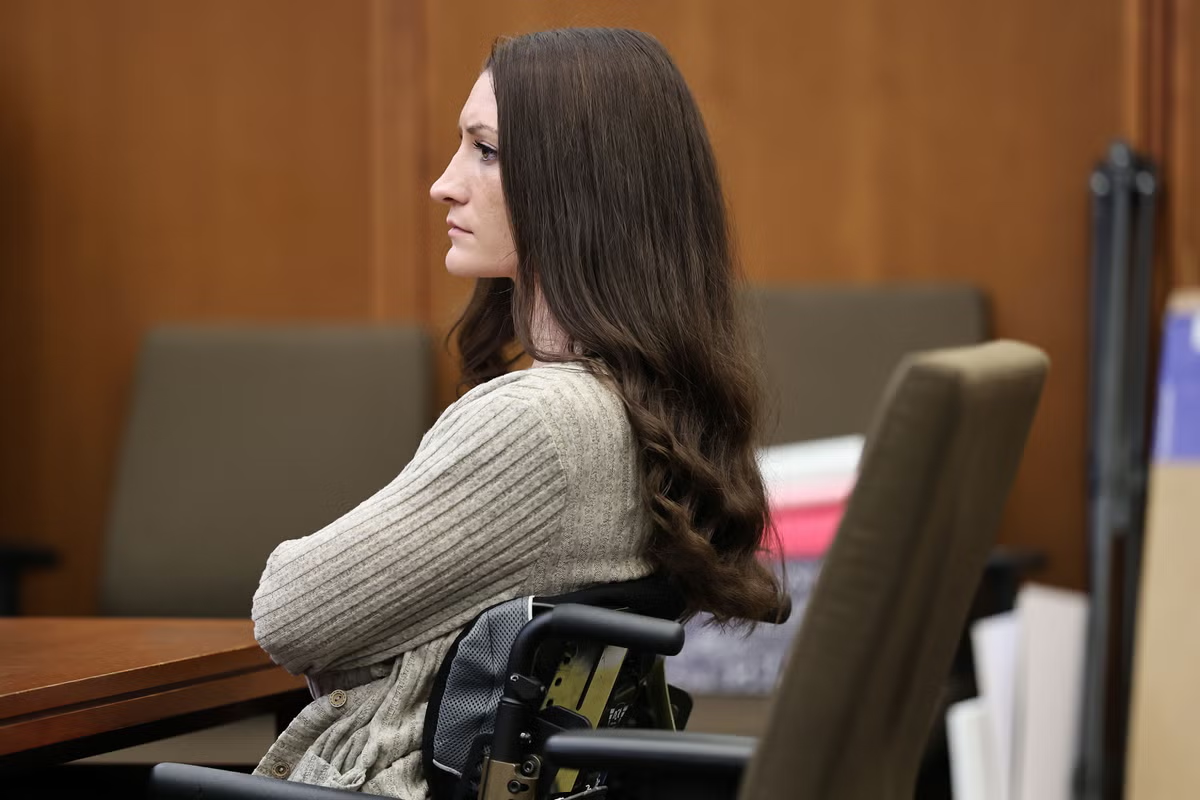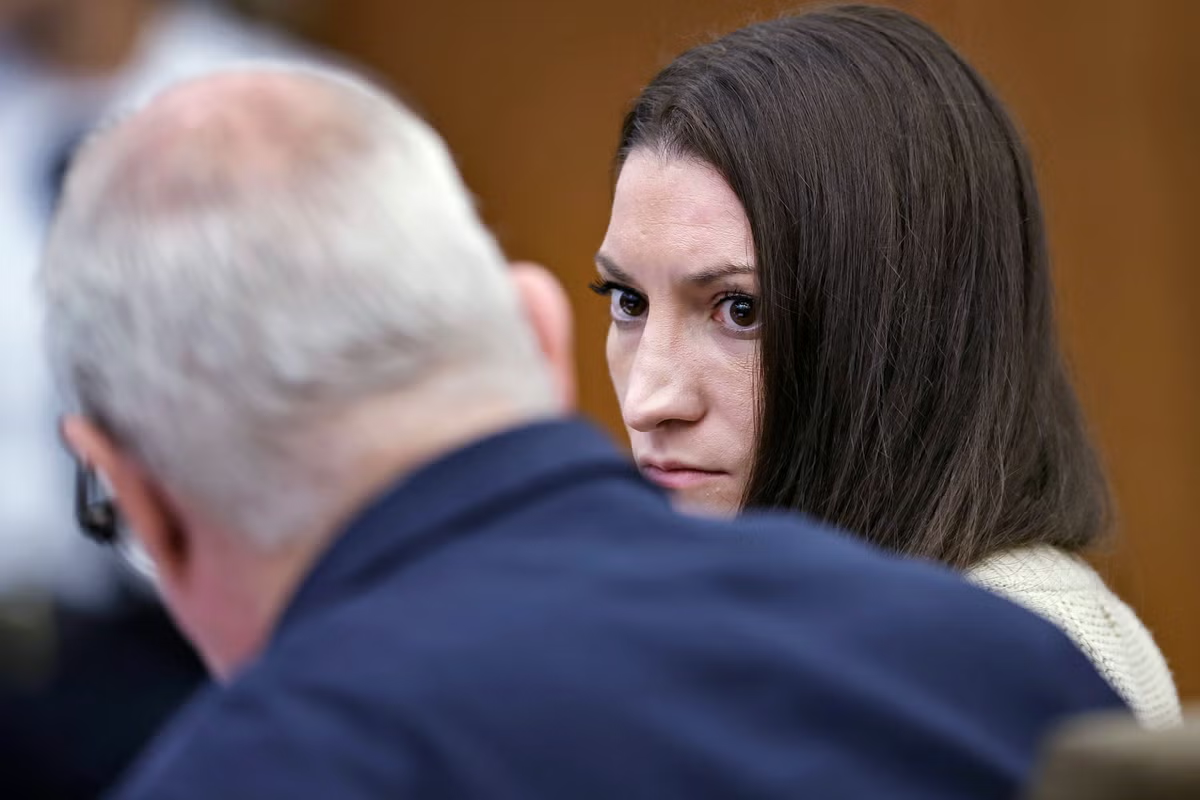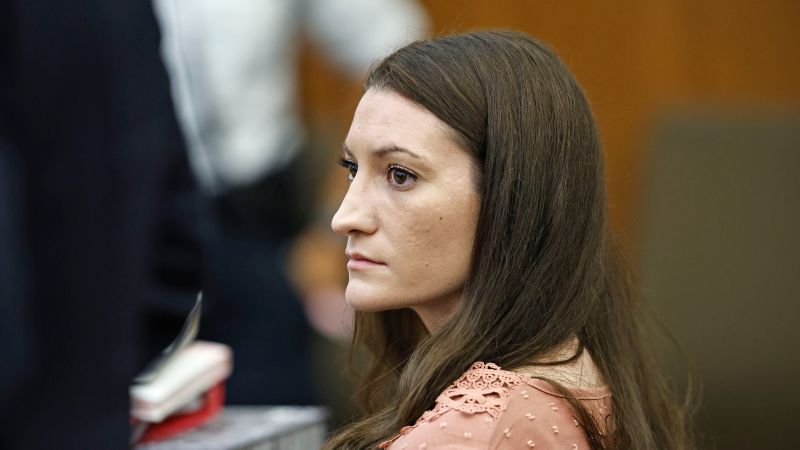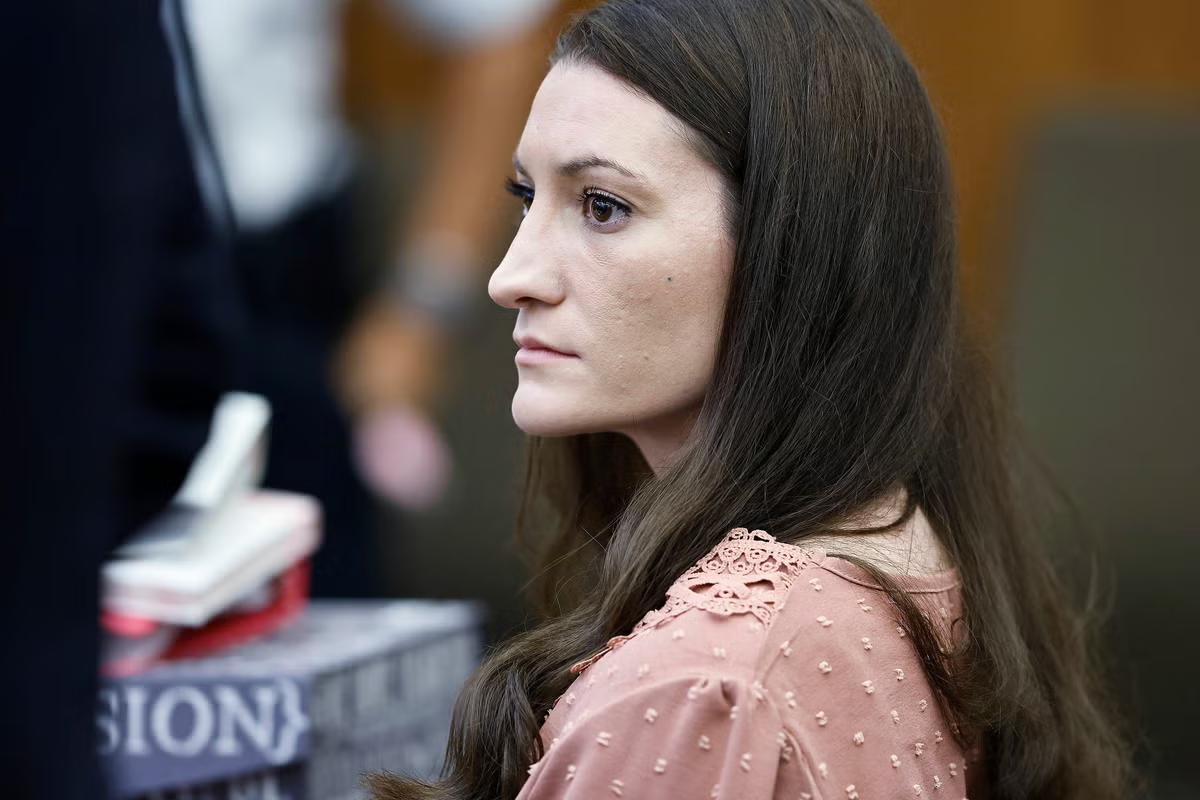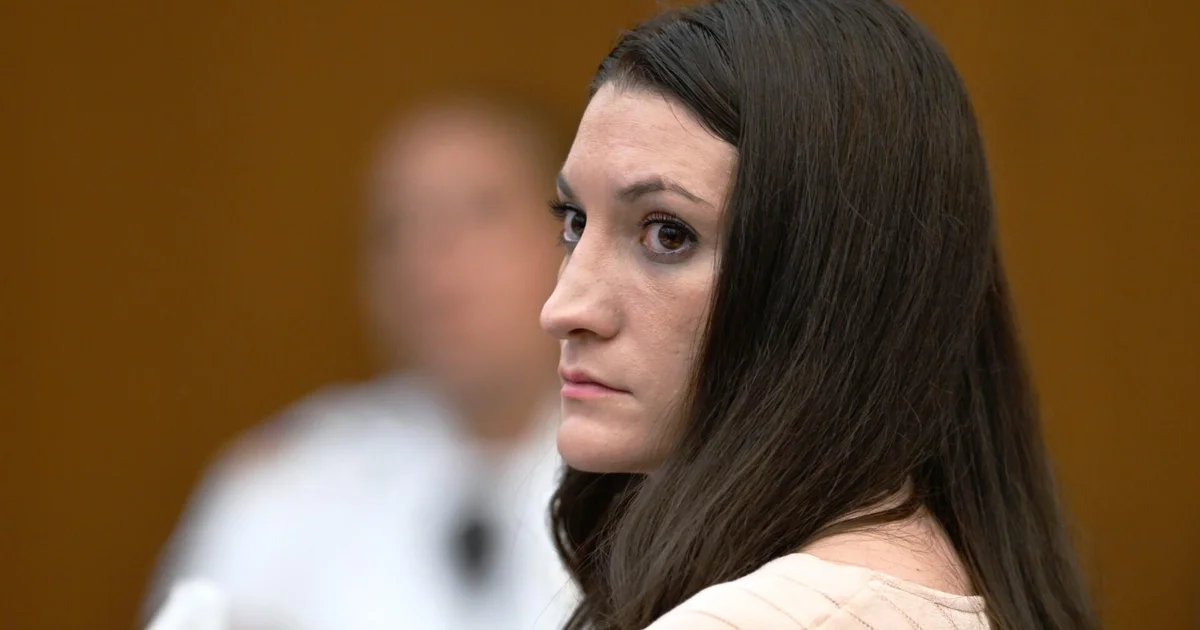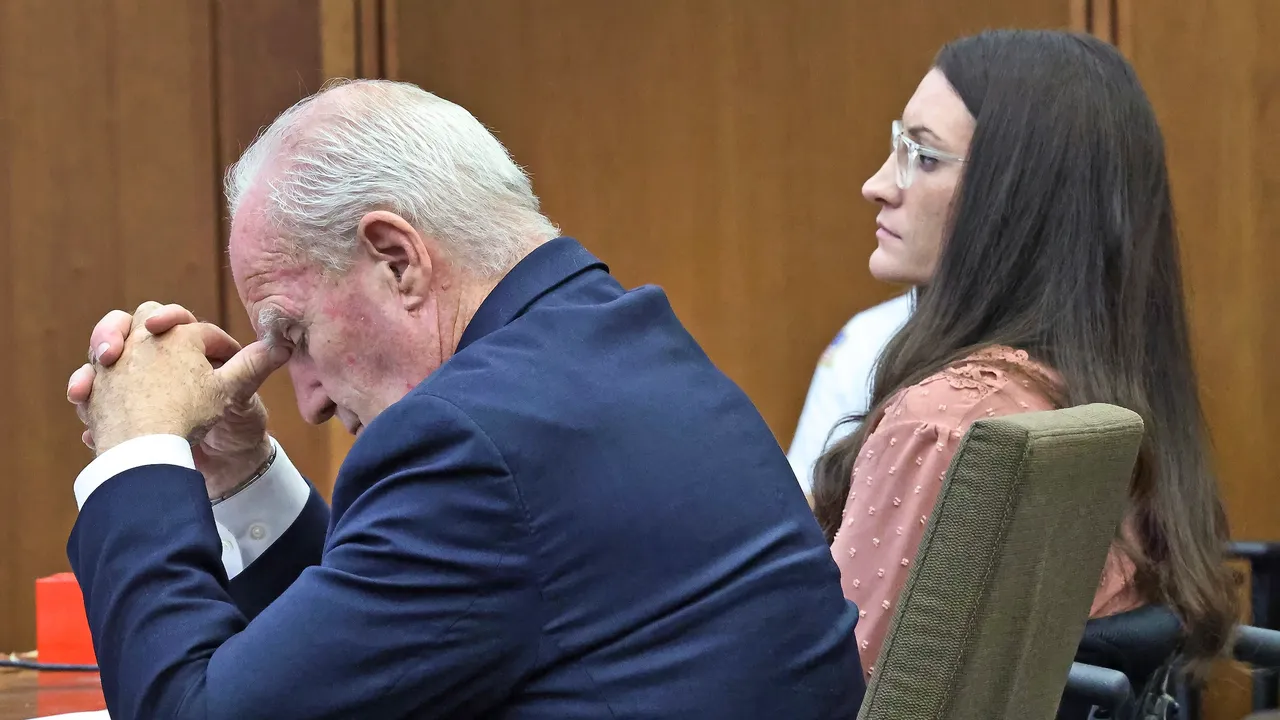
The defense attorney Kevin Reddington seated with his client Lindsay Clancy.Photograph by Greg Derr/ The Patriot Ledger / APOn Thursday, attorneys for the defense and prosecution made their closing arguments in the murder trial of Lindsay Clancy, the woman in Massachusetts who stands accused of killing her three children. The jury is now weighing five possible verdicts: first- or second-degree murder, manslaughter, not criminally responsible (which is the Commonwealth’s version of an insanity plea), or not guilty. The last of these possibilities is also the least likely. Over the course of the trial, Clancy’s attorney, the redoubtable Kevin Reddington, repeatedly acknowledged that his client strangled her children in the basement of her home on January 24, 2023, while her then husband was out running errands. But Reddington contended that Clancy cannot be held criminally responsible, owing to overmedication and to postpartum psychosis, a poorly understood condition related to bipolar disorder that can cause hallucinations, delusions, and dissociation; it poses a known risk of suicide and, in rare cases, filicide.Yet, in his arguments this week, Reddington pressed hard on deficits in the police investigation. “It wasn’t even an atrocious investigation; it was no investigation,” he told the judge on Wednesday. The same day, Reddington also cast skepticism on testimony by Clancy’s former husband, Patrick, who recalled his critically injured wife saying clearly that she had tried to kill herself and that the children were in the basement; a witness for the prosecution, the forensic psychiatrist Gregory Saathoff, acknowledged under cross-examination that in the audio of Patrick’s 911 call, Lindsay can’t be heard uttering much more than what Reddington called “guttural grunts.” Another prosecution witness, the psychologist Kirk Heilbrun, testified on Monday that Clancy said she did not remember—at least not initially—what happened on the night of her children’s deaths, but, rather, that “she was informed of it.”A suboptimal police investigation, questions raised about the testimony of a traumatized father, and uncertainty about the defendant’s recollection of the events in question are not, in themselves, sufficient reason to embrace the more outlandish counternarratives of the case that can be found in some corners of TikTok and Threads, where many trial-watchers purport that Clancy was somehow framed for murder by her husband. But these factors certainly help explain why this awful case was so susceptible to conspiracy theorizing in the first place: because the investigation appeared oriented toward a foregone conclusion, and, by the time of the trial, its central finding seemed no longer subject to meaningful dispute.A lack of curiosity and rigor might have also been discerned among the psychiatric expert witnesses who testified for the Commonwealth, who had relatively few professional bona fides related to postpartum psychosis, and yet evidently felt comfortable opining on the alleged criminal intent of a woman who may have been suffering from the disorder. The forensic psychiatrist Avram Mack, for one, seemed confused about the well-established connection between bipolar disorder and postpartum psychosis. In one baffling exchange with Reddington, Mack appeared reluctant to concede that the defendant would have been troubled overmuch by her severe insomnia and manic symptoms, even during an episode when she went forty-eight hours without sleep. This lack of care and understanding was mirrored in testimony about Clancy’s repeated attempts to seek medical help in the fall and winter of 2022-23, when she told multiple physicians and nurse practitioners about her rapidly deteriorating mental health, to little avail—an experience, in its broadest outlines, that many mothers find to be sadly familiar, even if the extremes of Clancy’s collapse remain foreign to them.As I wrote last week, the Clancy case “is fundamentally a story of who is listened to, who is believed and taken seriously, and who isn’t.” Now we wait to find out who the jury was listening to, and what resonated most clearly.Cover by Nicole Rifkin
The Lindsay Clancy Trial’s Final Days
From the daily newsletter: Now we wait to find out who the jury was listening to, and what resonated most clearly.
774 words~4 min read