HomeAI · summaries
Storia in 8 fonti
Slow emissions cuts put Germany at risk of missing 2026 climate target – think tank
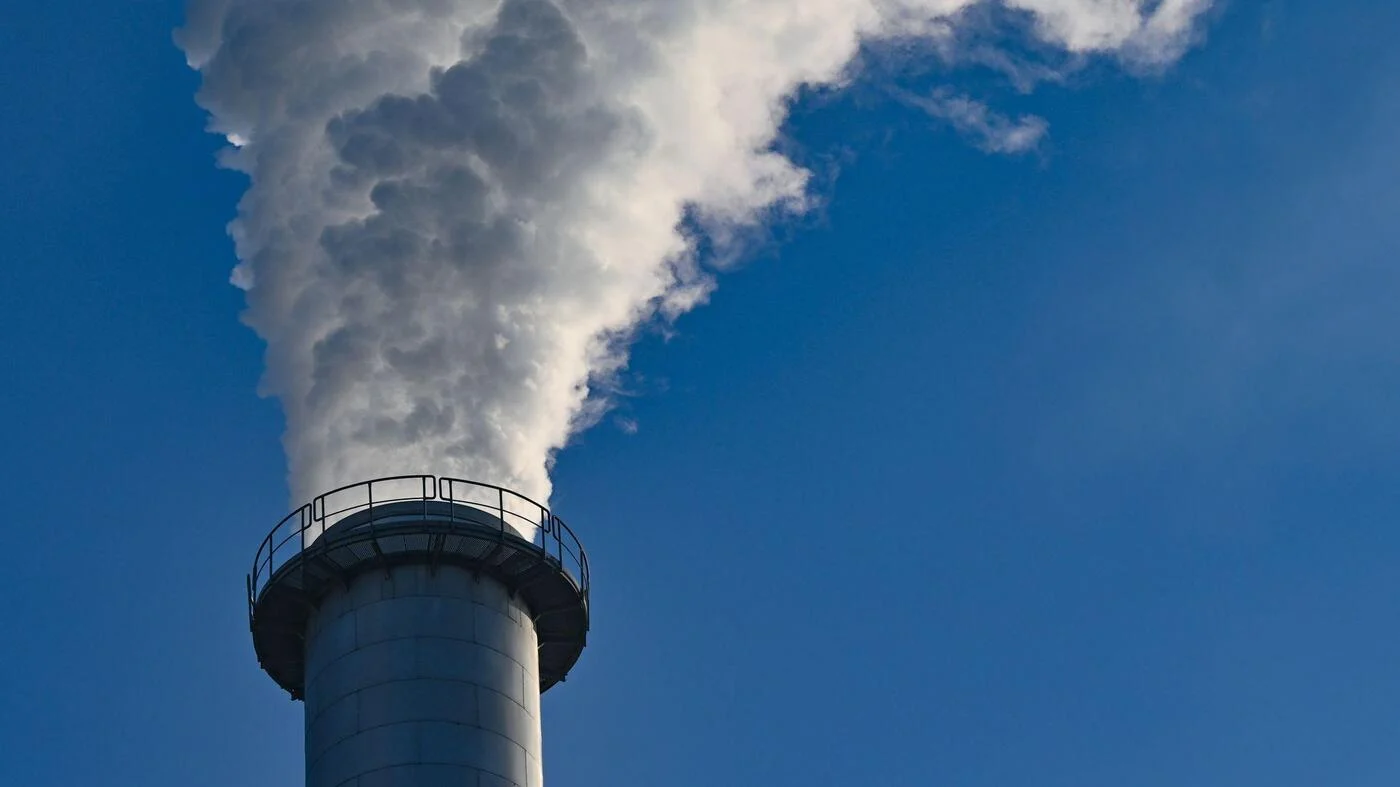
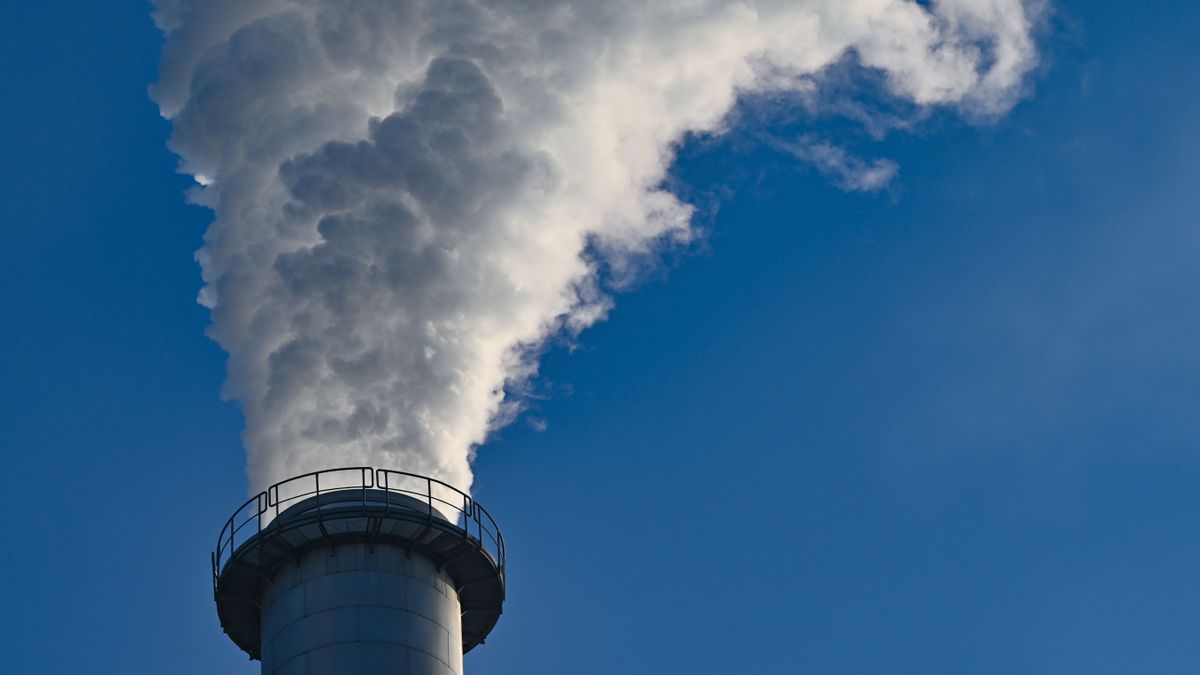
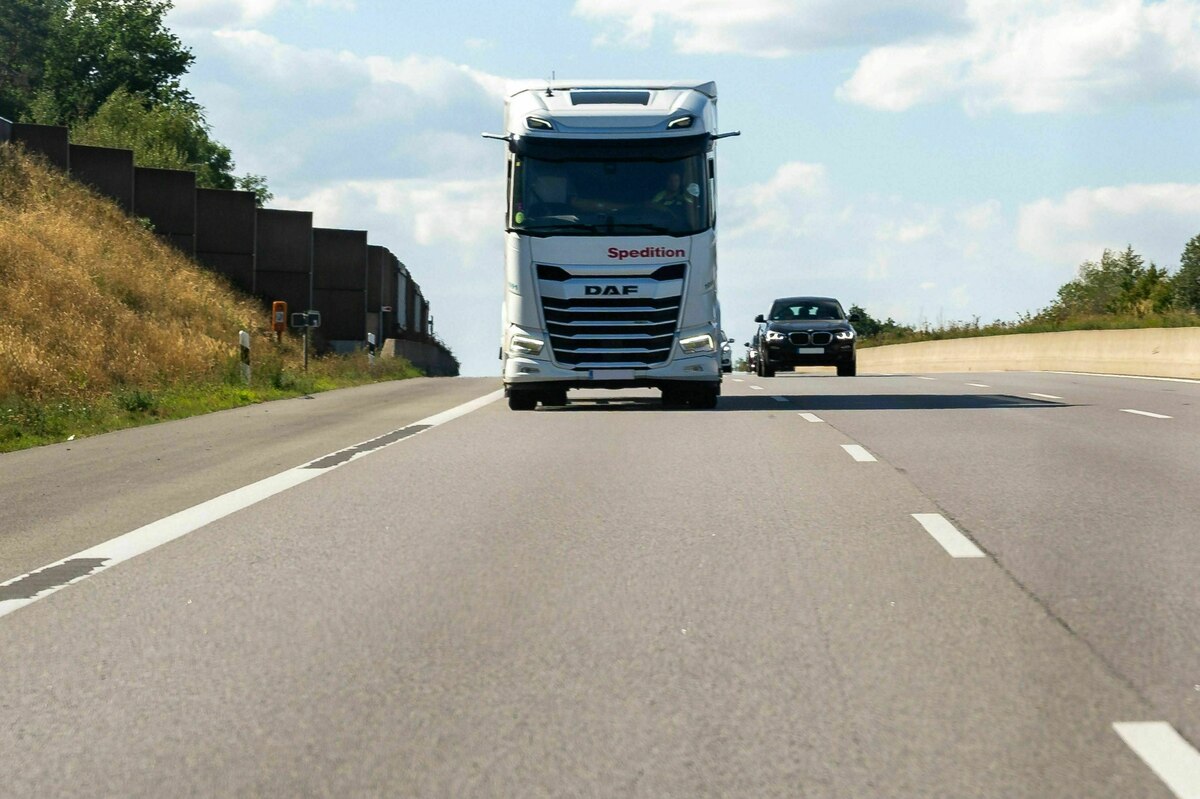
Germany’s greenhouse gas emissions fell only slightly in the first half of this year, a dynamic that puts the country at risk of missing its 2026 climate target, think tank Agora Energiewende has said. It would be the first time that the country misses the overall annual emissions reduction target set in the national climate law, the organisation added. The main driver behind the 2-percent decline in the first six months, compared to the same period last year, was the fossil fuel price crisis triggered by the war in Iran and the blockade of the Strait of Hormuz, said Agora. German manufacturing output fell in the first half of the year, lorry traffic on German roads declined slightly, and sales of light heating oil plummeted, it said. At the same time, heat pumps and electric cars achieved new sales records, with a positive impact on Germany’s carbon footprint. The Agora Energiewende projection suggests that, if the rate of reduction remains the same as in the first half of 2026, emissions would fall just 13 million tonnes of CO2 equivalents (CO₂-eq) this year, to around 635 million tonnes – roughly 10 million tonnes above the 625-million-tonne ceiling the climate law sets for 2026. In order to achieve the 2030 climate target, annual reductions of around 40 million tonnes of CO₂ are required, the think tank said.Germany’s climate law sets binding annual economy-wide emissions limits, as well as headline targets of cutting emissions by 65 percent by 2030 and 88 percent by 2040, both against 1990 levels, and greenhouse gas neutrality by 2045. “The government should capitalise on and reinforce this momentum and consistently align its energy and industrial policies with renewable energy and electrification,” said Julia Bläsius, director of Agora Energiewende Germany. This would be the only way for Germany to become less dependent on fossil fuels and make its economy more resilient to crises.Agora’s calculations are largely in line with early-August data from energy statistics working group AG Energiebilanzen (AGEB), which showed that energy-related carbon emissions – which make up about 85 percent of total greenhouse gas emissions – decreased about 2.5 percent (8 million tonnes) in the first half of 2026, compared to the same period last year.
Confronto fonti
6 prospettive sulla stessa storiaTimeline cronologica
- ·
cryptobriefing.com
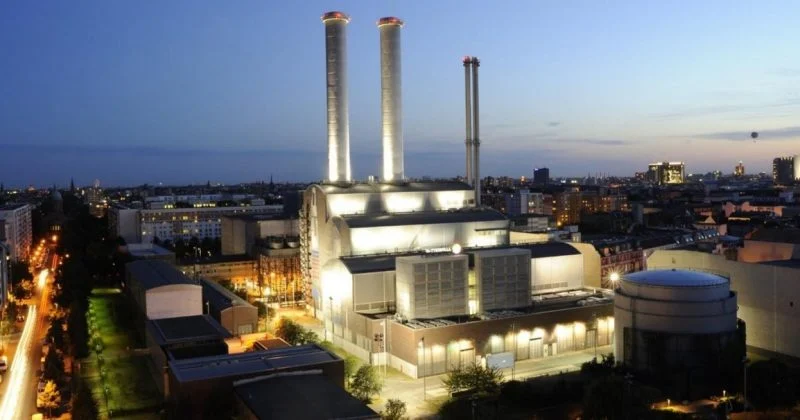
German consumers and industry face billions in energy costs this winter
Germany's gas storage sits at roughly 50% capacity, far below its 71% November target, threatening billions in extra energy costs for consumers
- ·
cleanenergywire.org
Fewer people in Germany ready to accept economic losses to save climate – survey
Fewer people in Germany are ready to accept lower economic growth as a consequence of climate action, a survey by research institute RWI has found. About 52 percent of respondents…