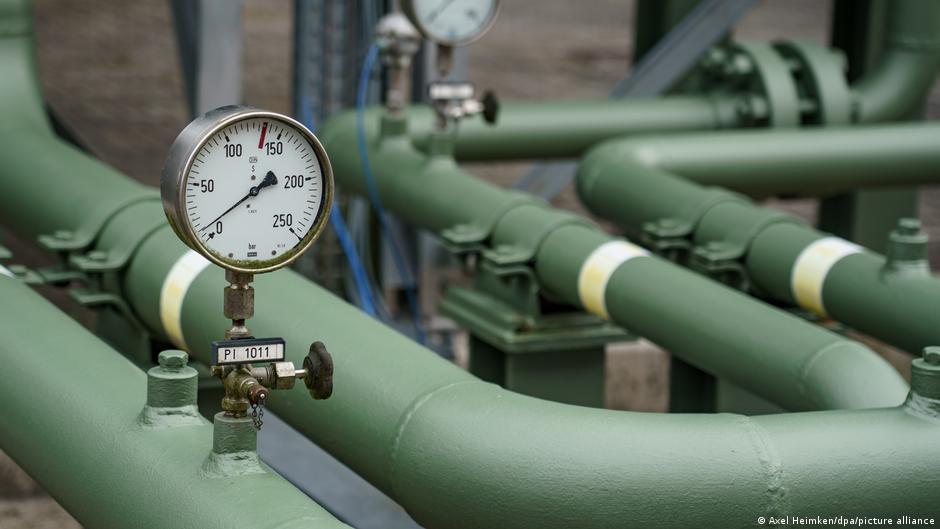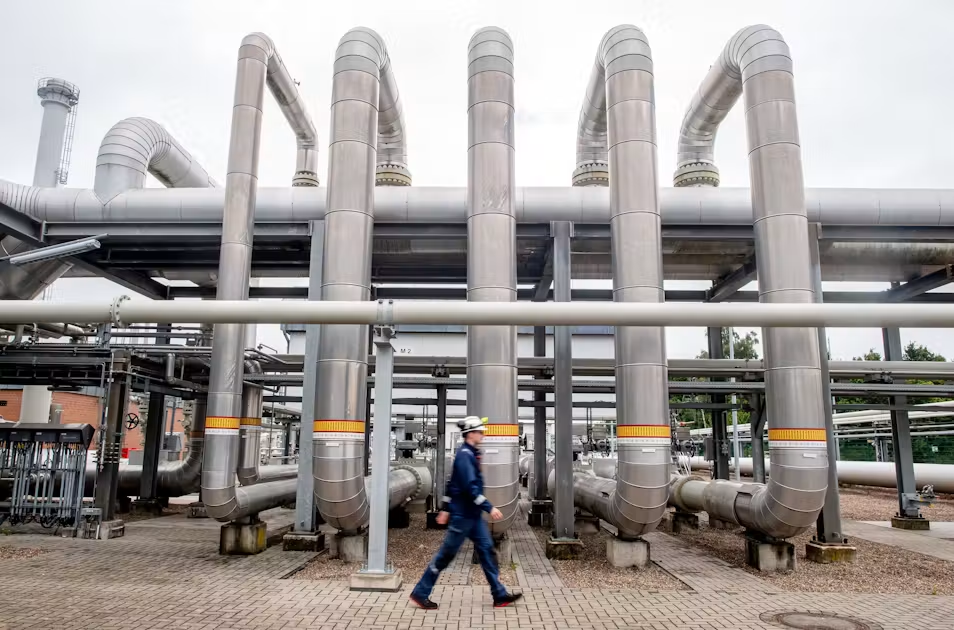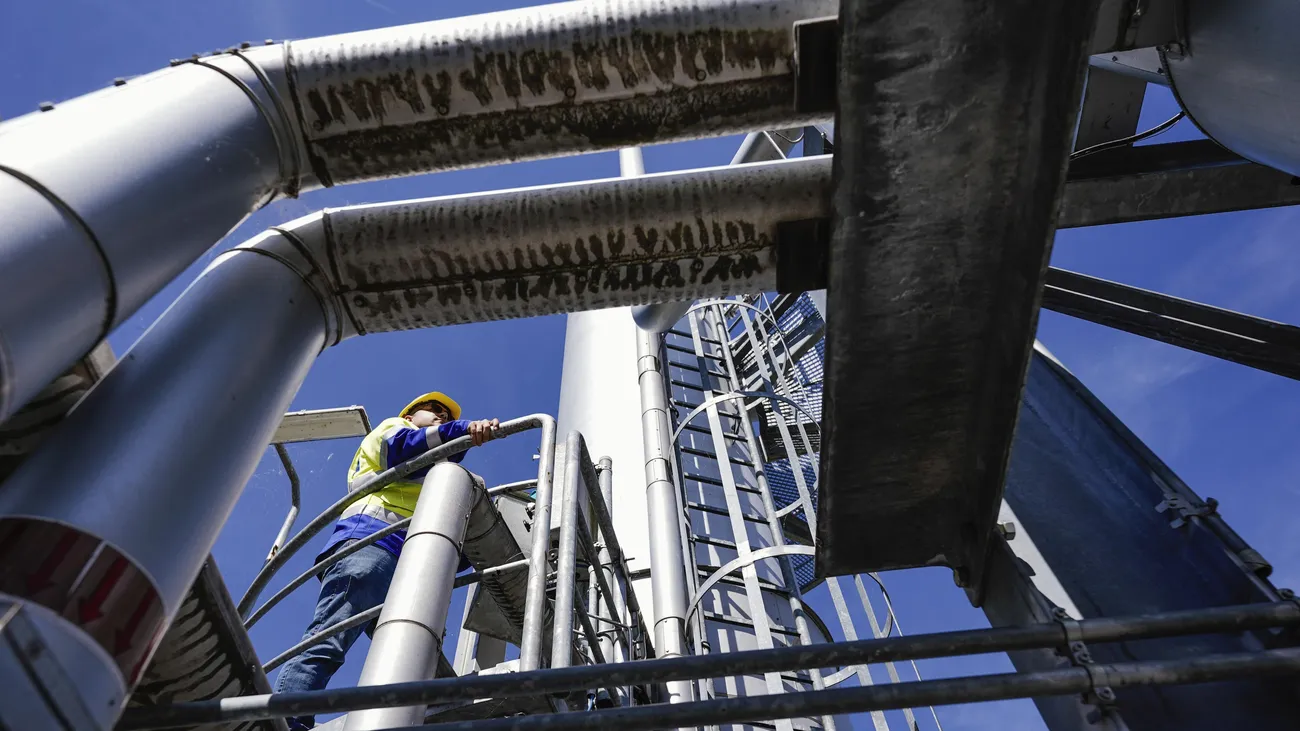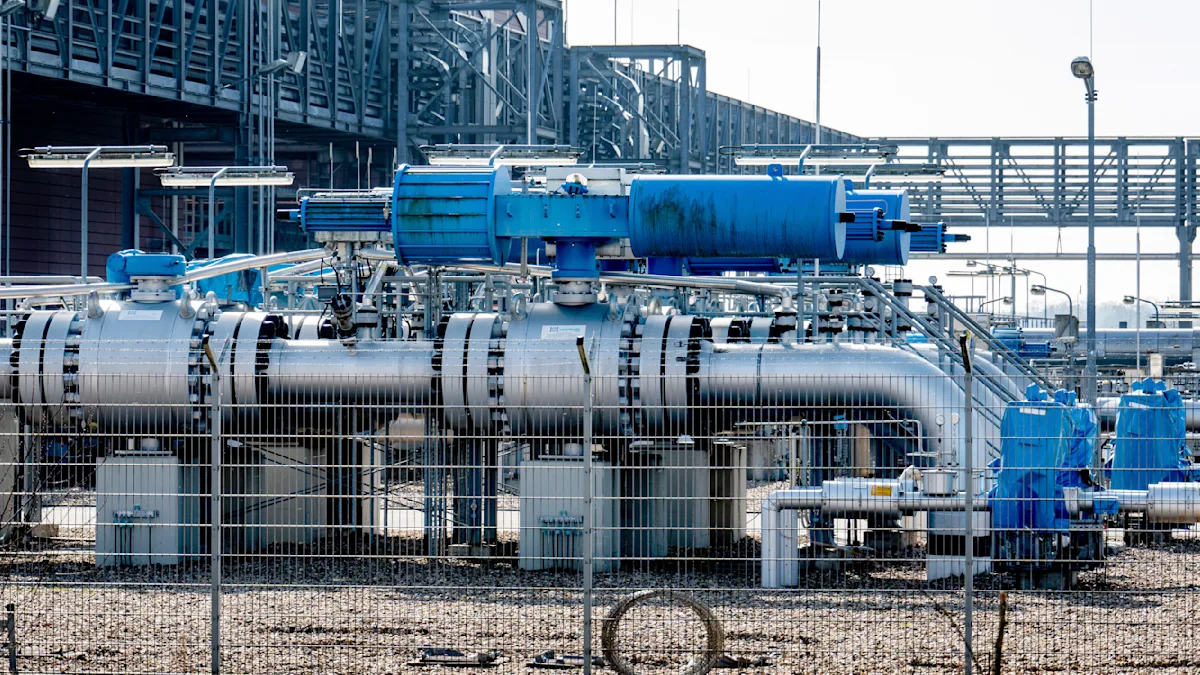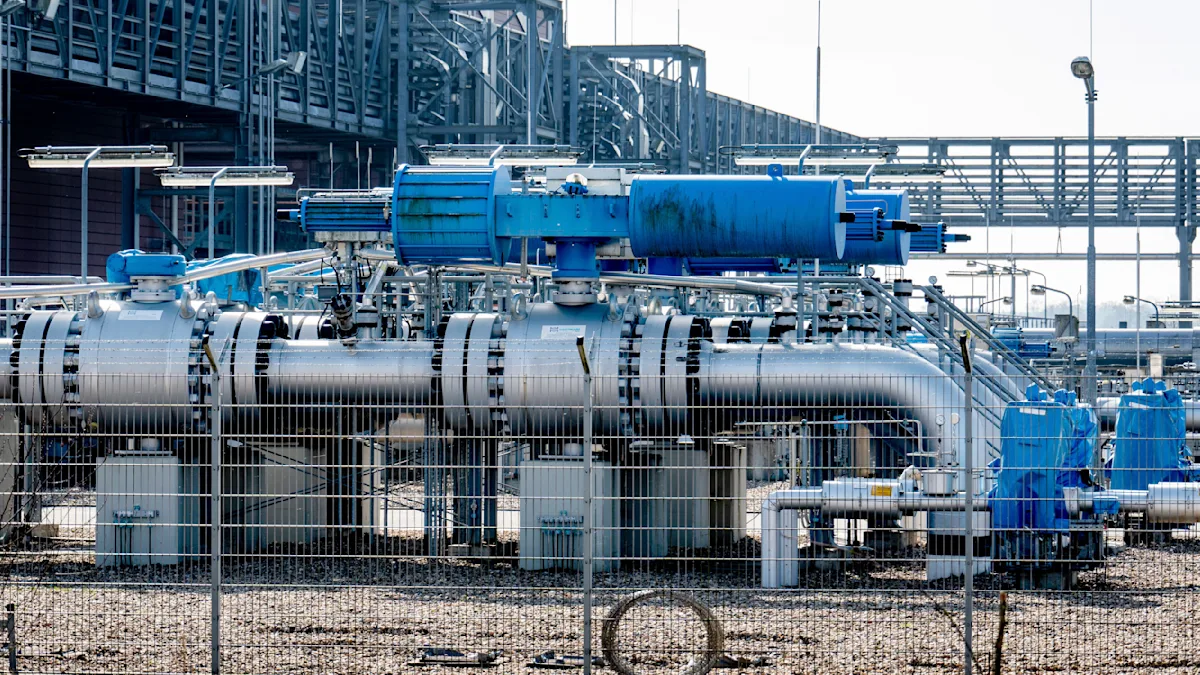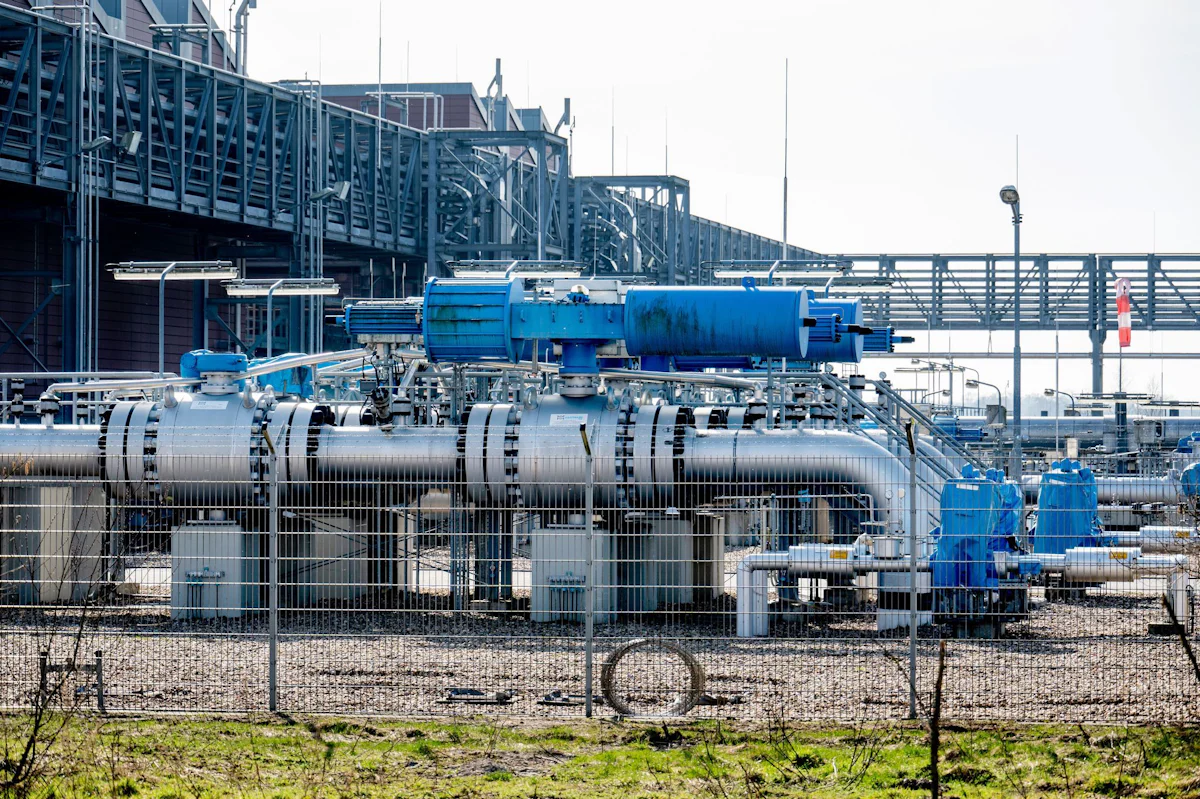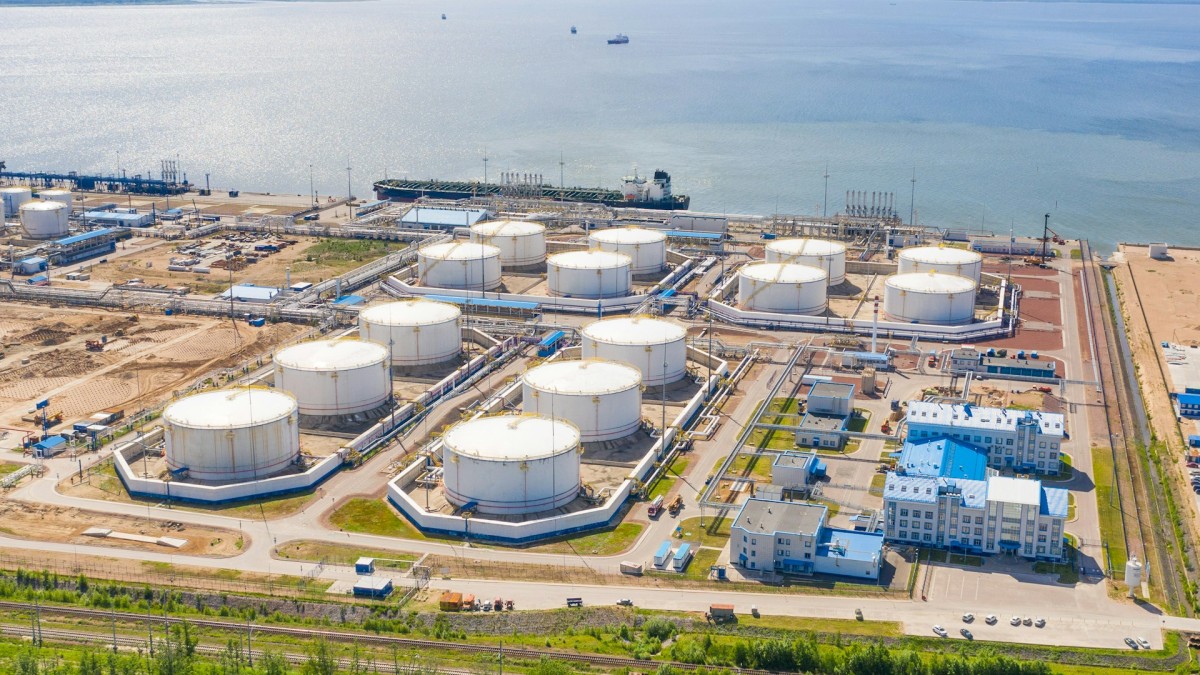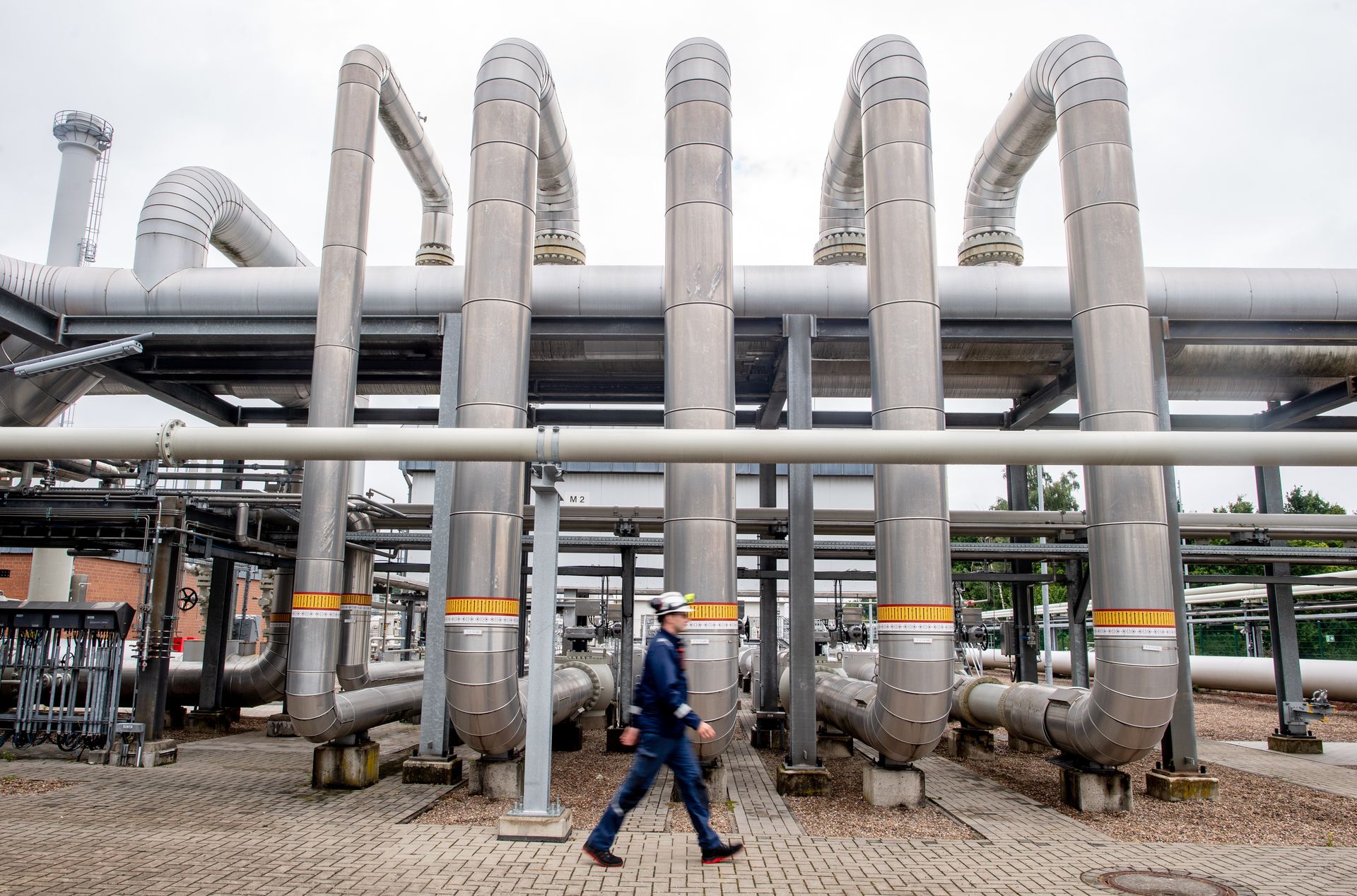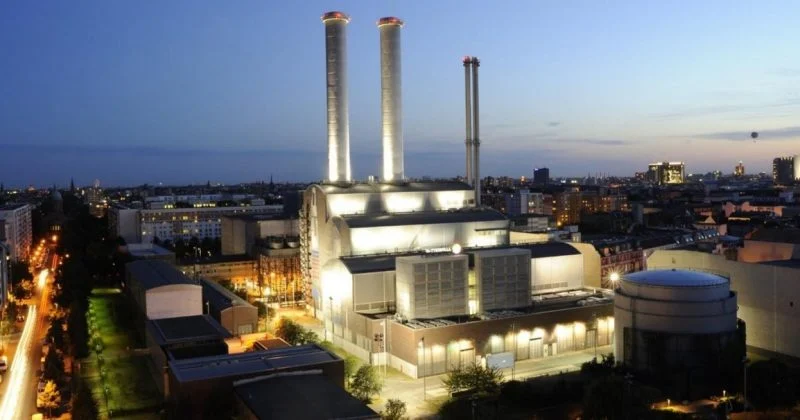
Germany is staring down the barrel of another winter energy crunch. Gas storage facilities across the country sit at approximately 50% capacity as of late August 2026, well short of the roughly 71% fill level the country is supposed to hit by November 1. Industry experts are calling that target “virtually unattainable” at current injection rates.
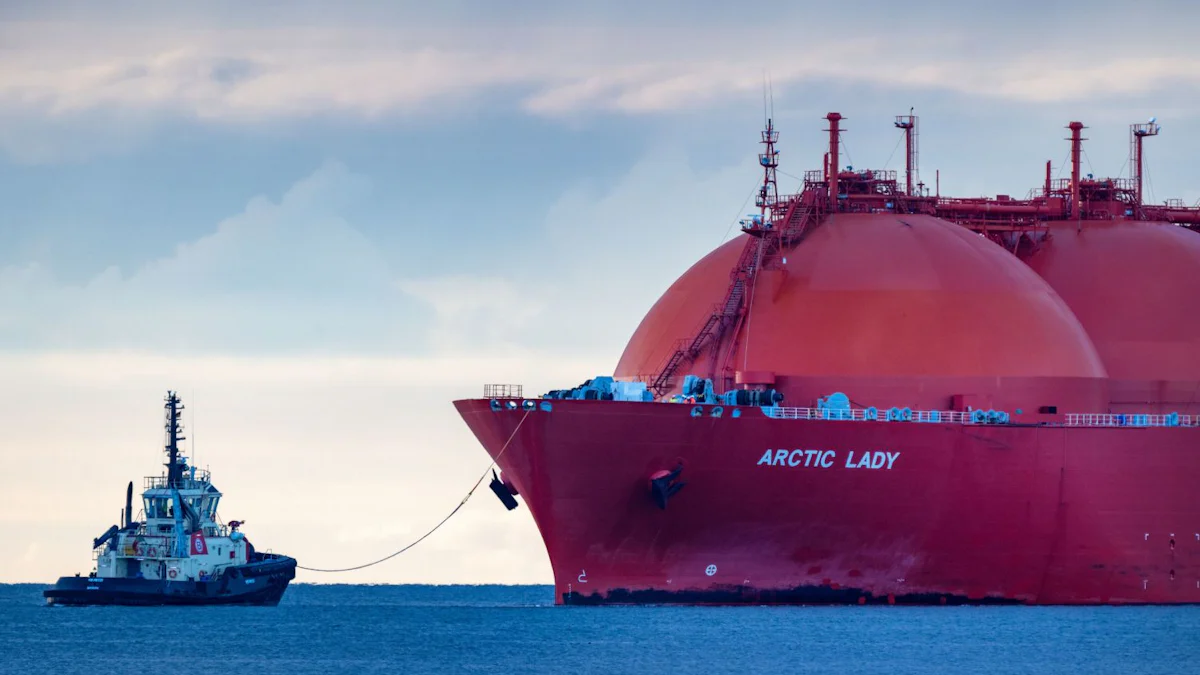
The shortfall could translate into billions of euros in additional energy costs for households and businesses alike. If cold weather arrives on schedule, or if supply disruptions materialize, Germany may find itself scrambling for liquefied natural gas on the spot market at exactly the moment global demand peaks.
The storage gap and what’s driving it
Multiple factors are compounding the problem. Geopolitical tensions, particularly the ongoing situation in Iran, have tightened global gas markets and raised the risk premium on available supply. Europe’s largest economy no longer has the luxury of cheap Russian pipeline gas, a reality that has persisted since the upheaval following Russia’s invasion of Ukraine in 2022.
That year remains seared into the memory of German energy planners. Storage levels plummeted to between 20% and 30% during the winter of 2022, exposing just how fragile the country’s energy security had become.