HomeAI · summaries
Storia in 9 fonti
NASA's Curiosity rover discovers vast field of honeycomb-like textures on Mars. Here's why it matters
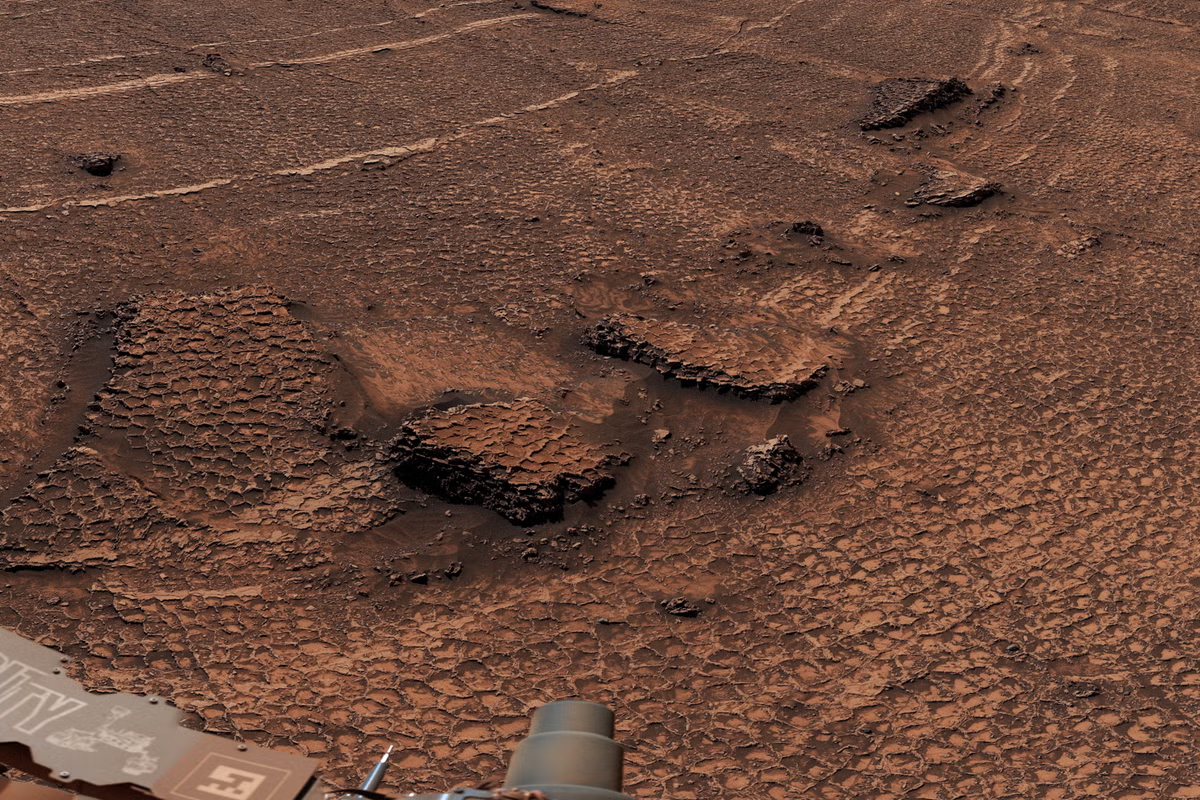
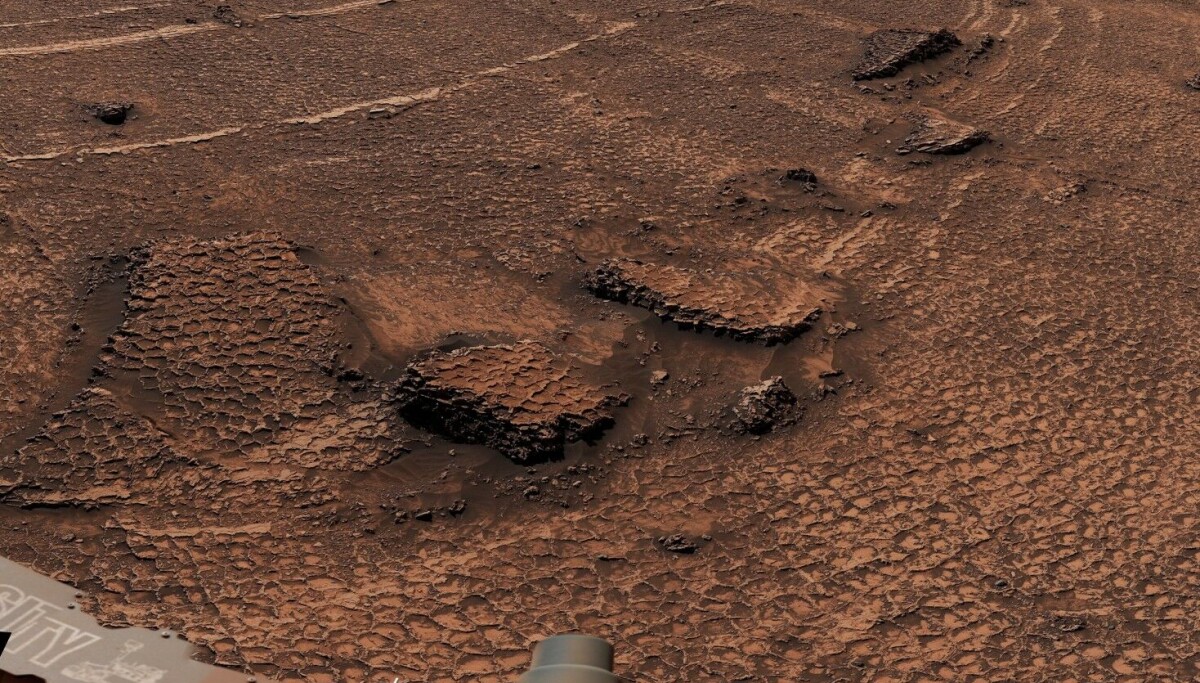
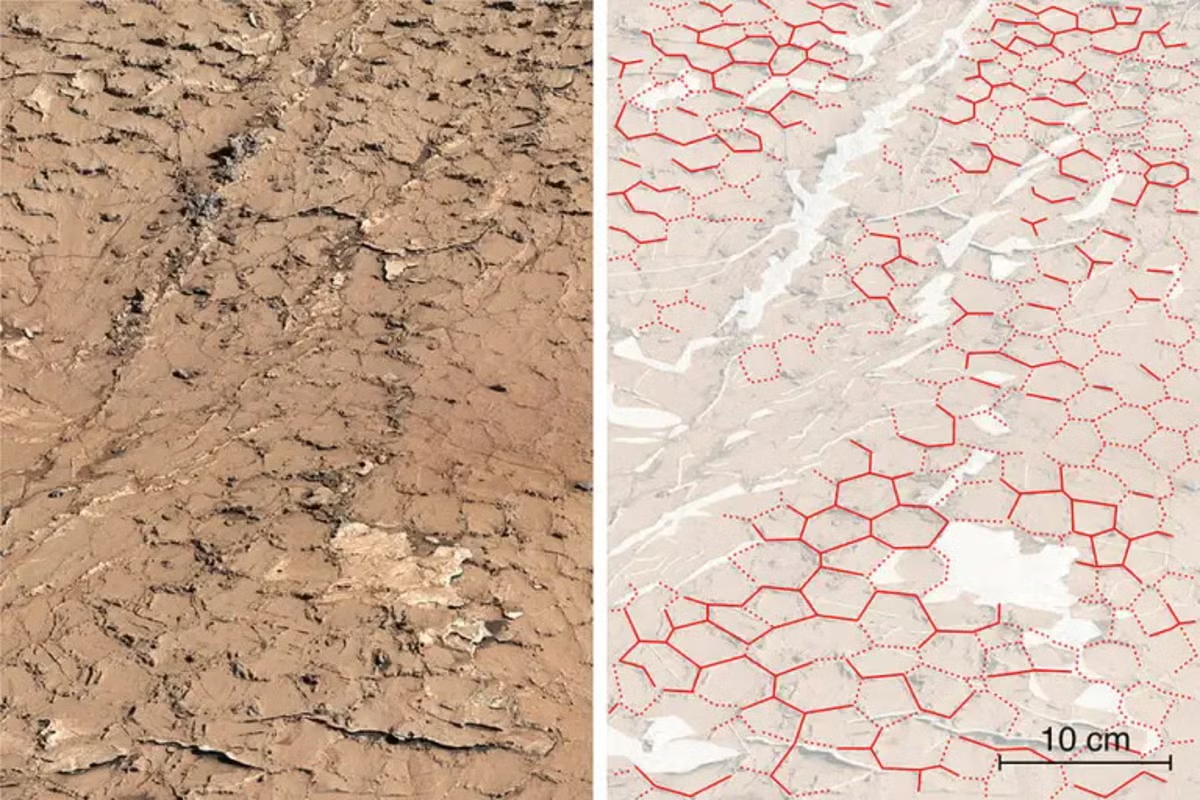
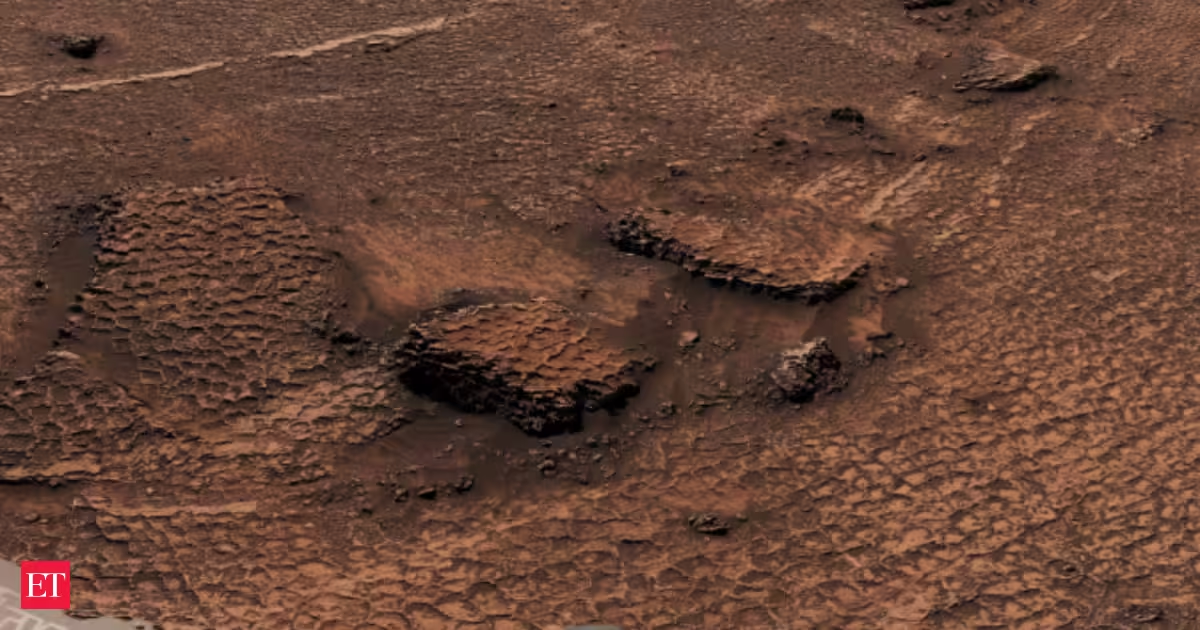
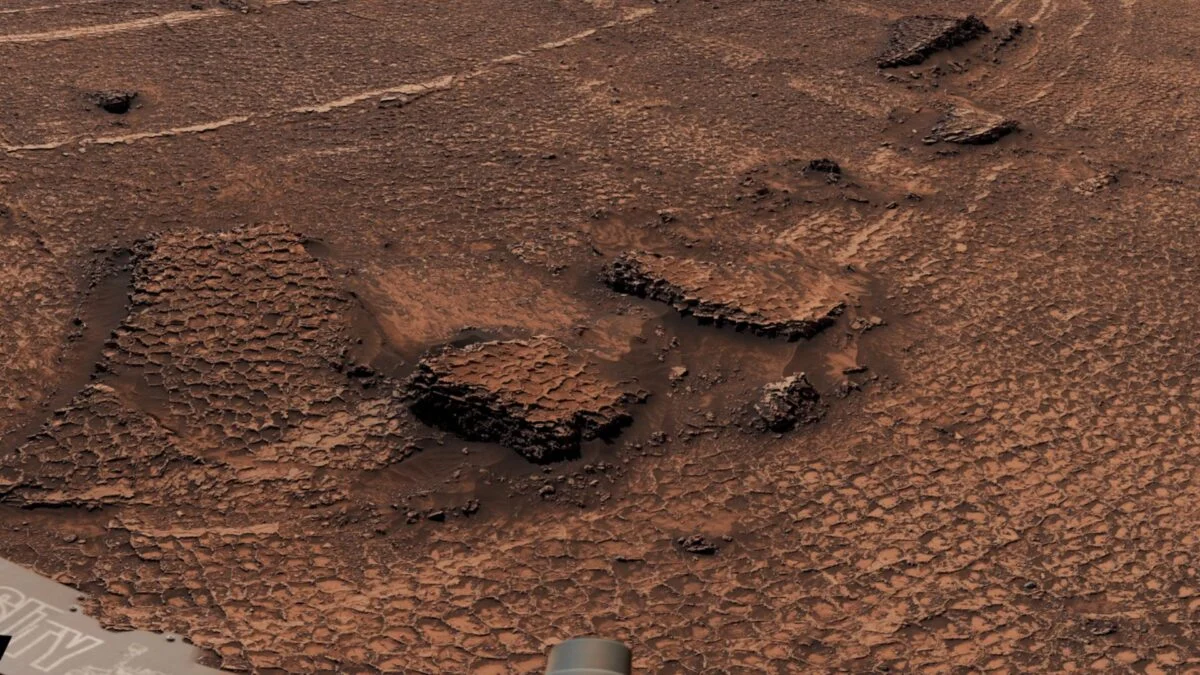
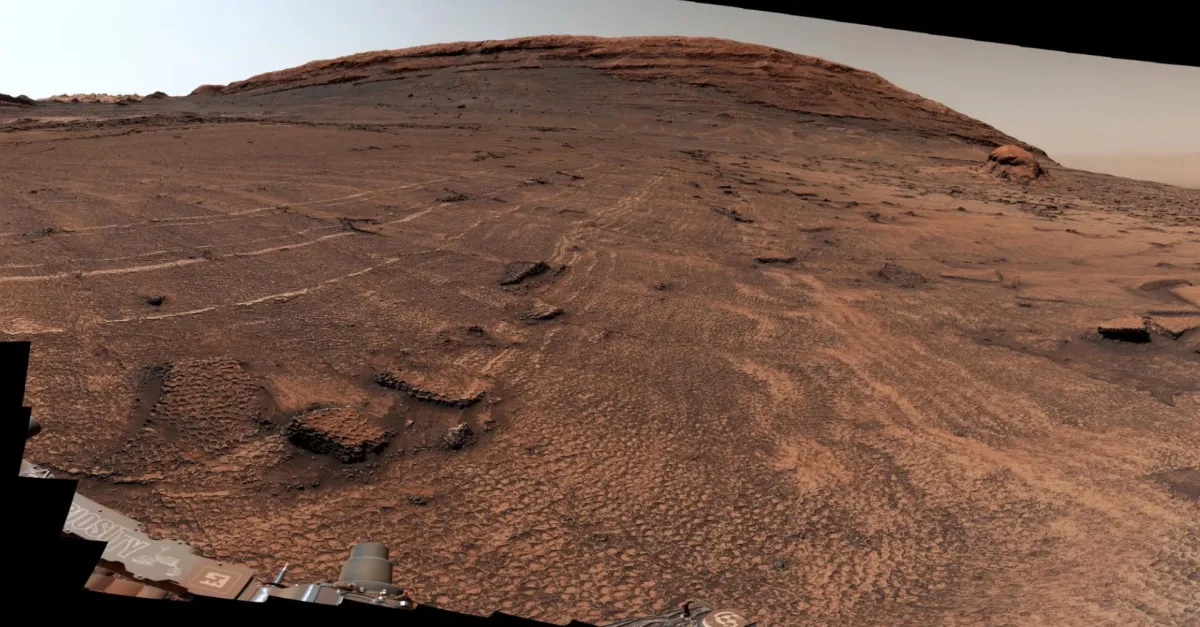
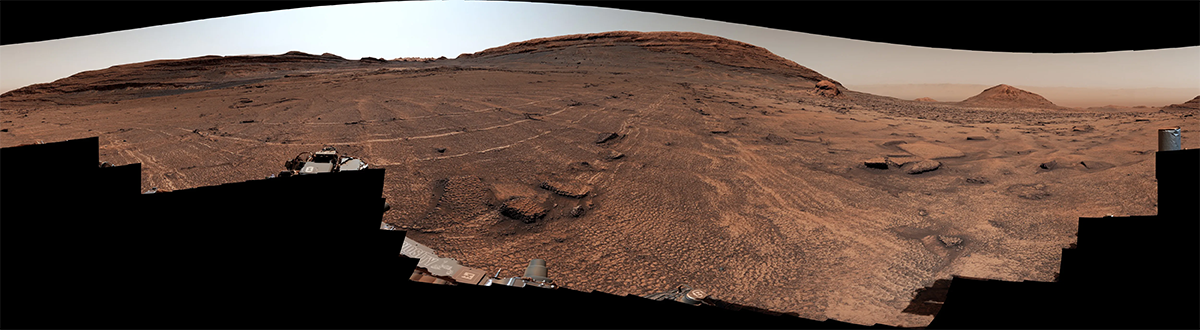
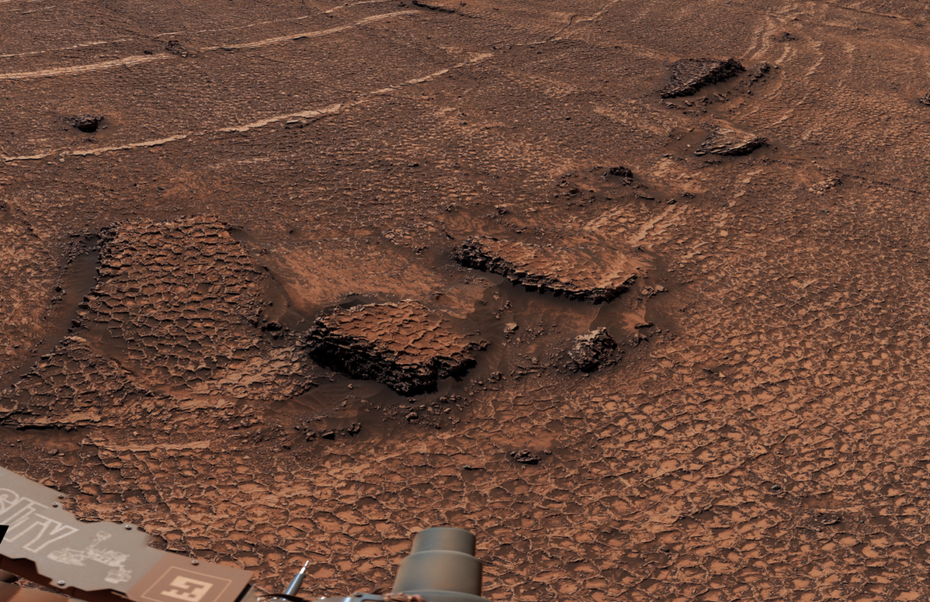
NASA's Curiosity rover found a large field of honeycomb-like rock textures. These polygonal fractures are the largest such formation the rover has observed. Scientists are analyzing the shapes and chemistry of these features for clues. This discovery adds to evidence of ancient Mars having habitable conditions. The findings help understand Mars' evolution from a wetter world.
Confronto fonti
6 prospettive sulla stessa storiaTimeline cronologica
- ·
nasa.gov

NASA’s Curiosity Mars Rover Discovers Field of Honeycomb Textures - NASA
As NASA’s Curiosity rover recently began climbing up a Martian valley nicknamed “Valle Grande,” it sent back images that were a familiar sight to mission
- ·
science.nasa.gov
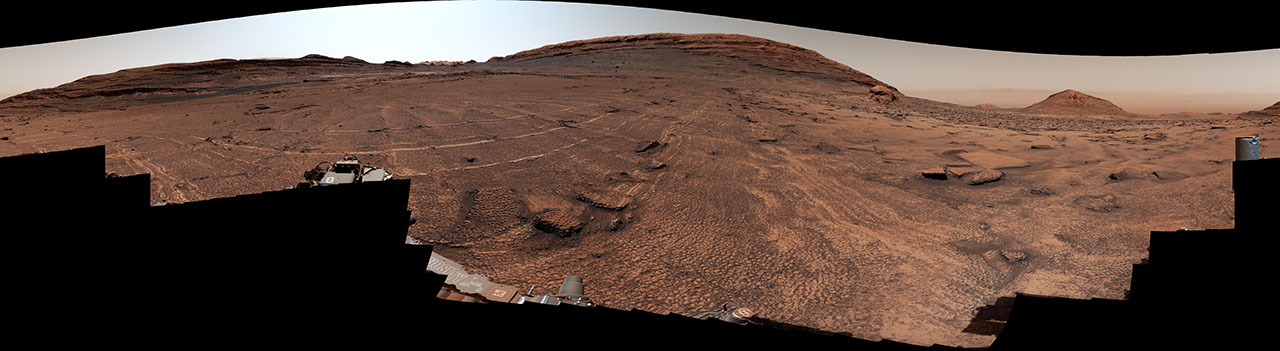
NASA’s Curiosity Discovers a Field of Martian Polygons - NASA Science
NASA’s Curiosity Mars rover captured this 360-degree view of an expanse of terrain covered in surface features called polygons on June 19 and 20, 2026, the