HomeAI · summaries
Storia in 9 fonti
NASA’s Curiosity rover finds mysterious honeycomb textures on surface of Mars
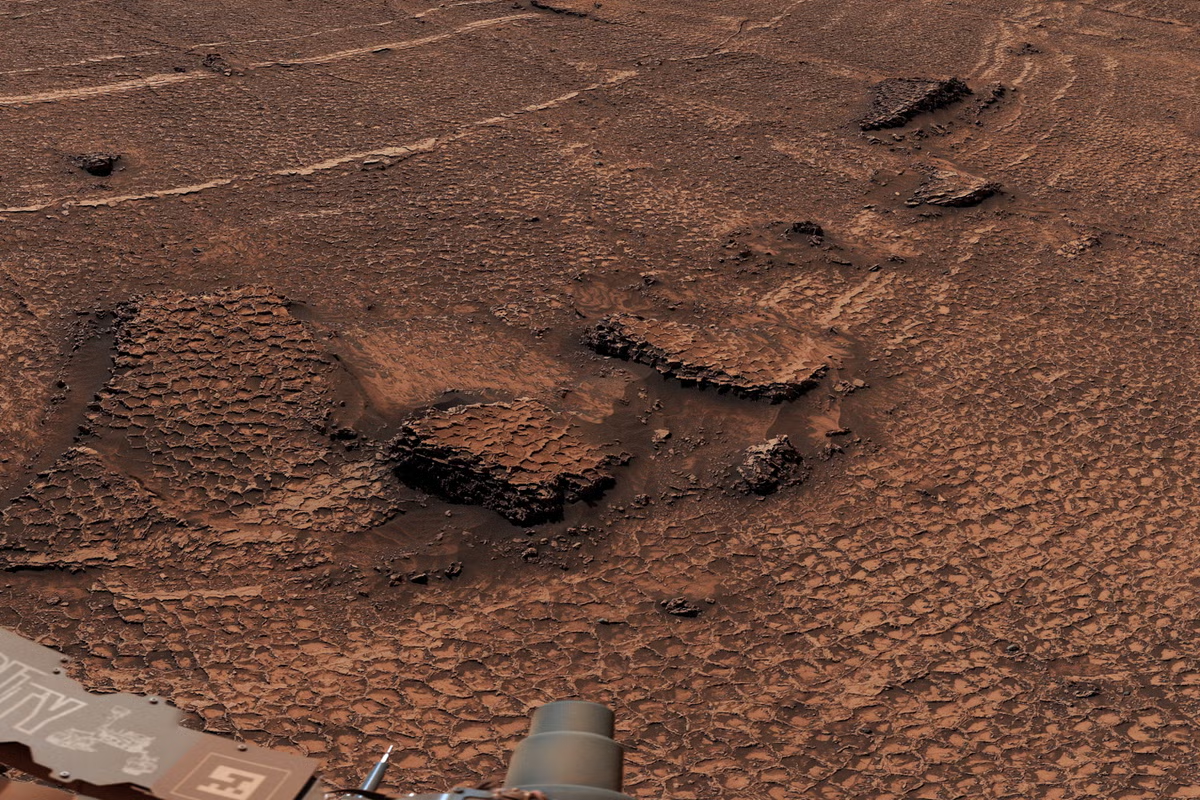
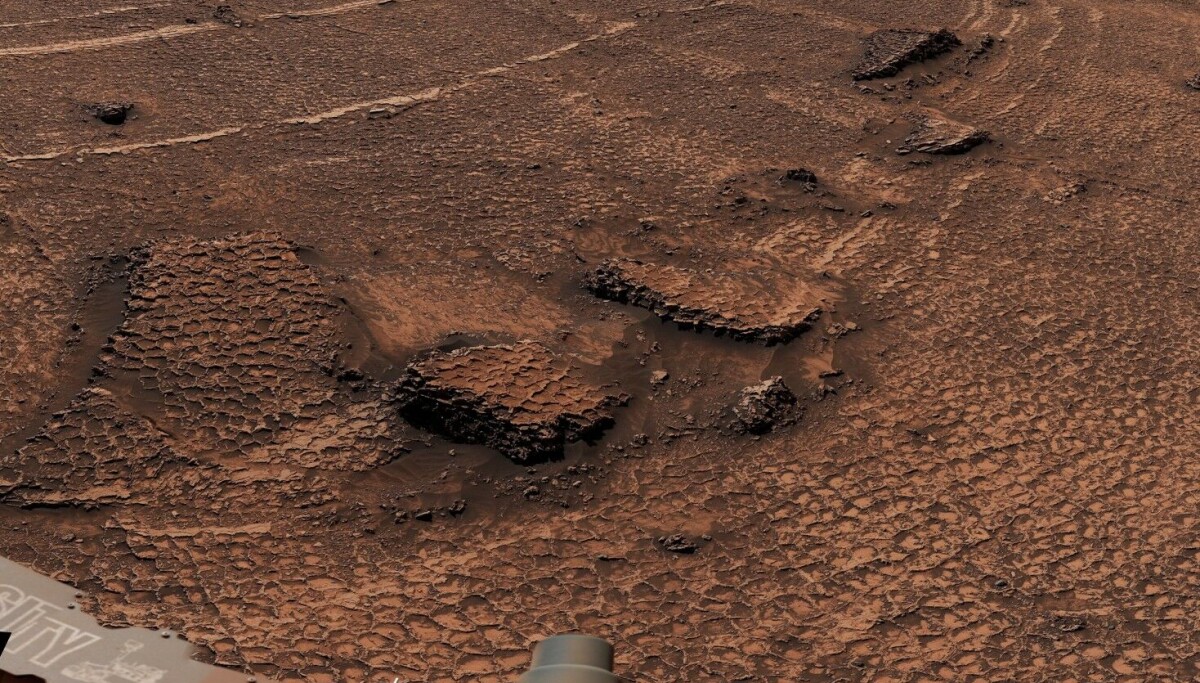
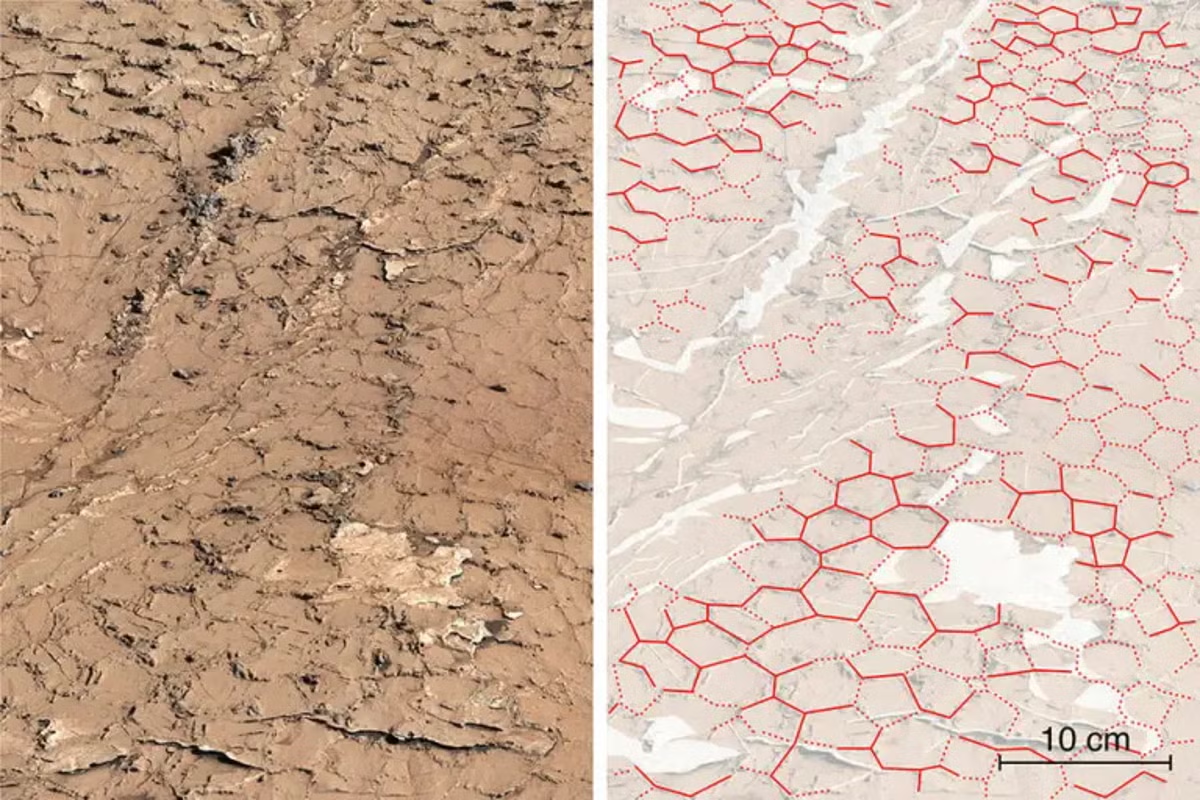
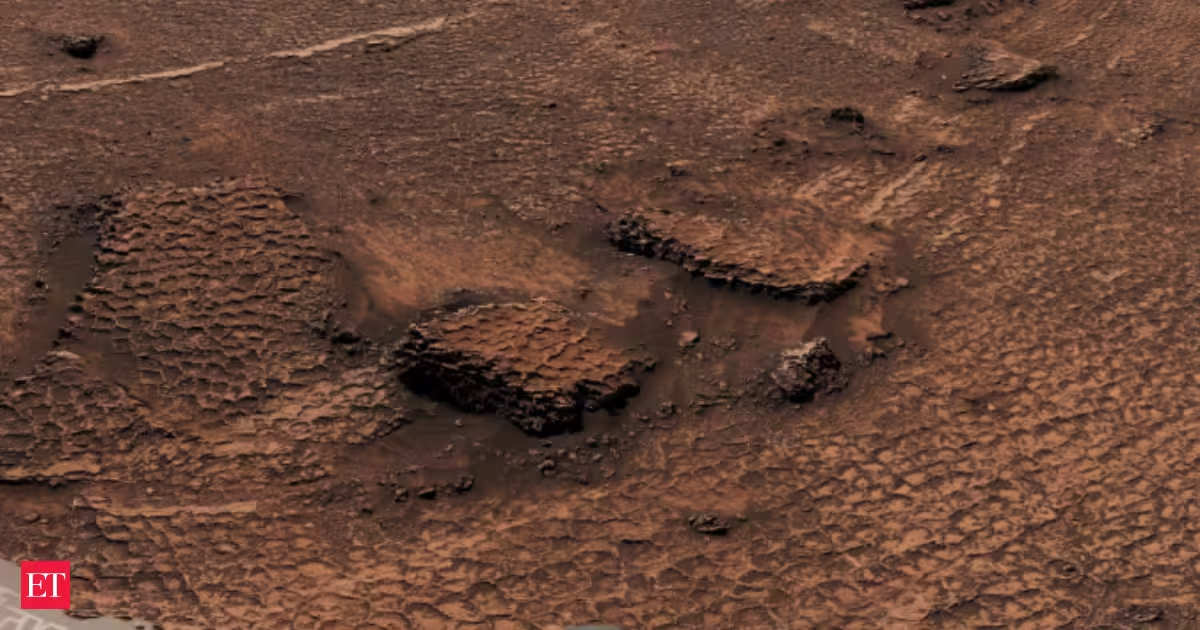
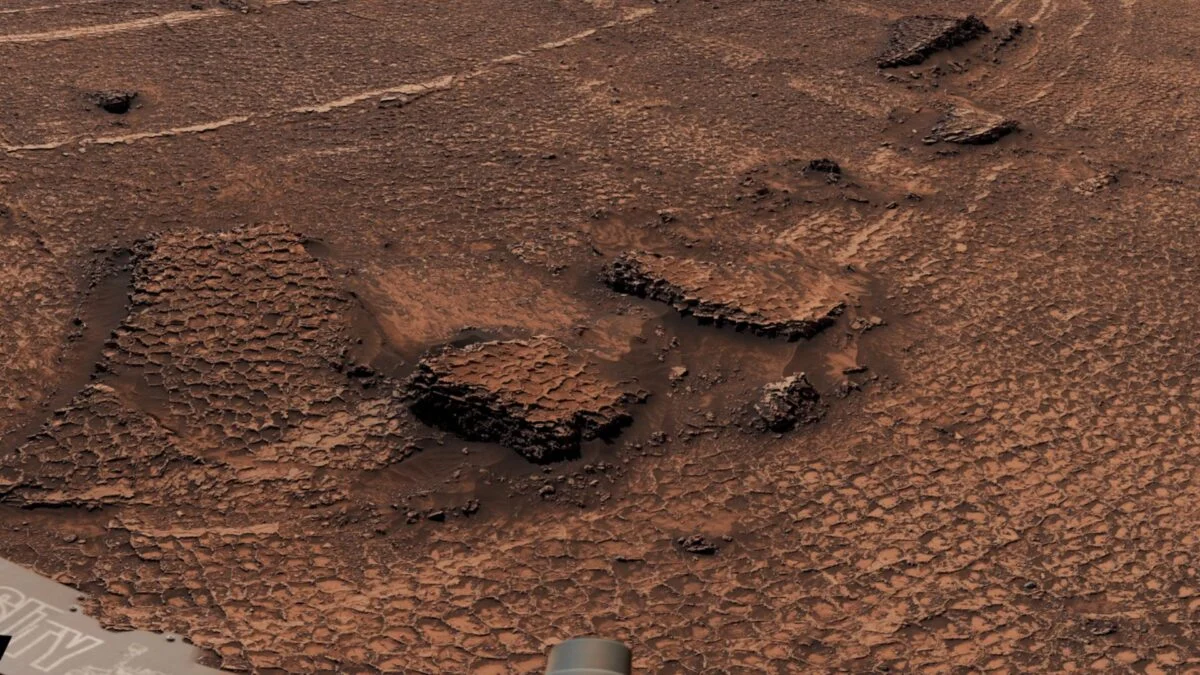
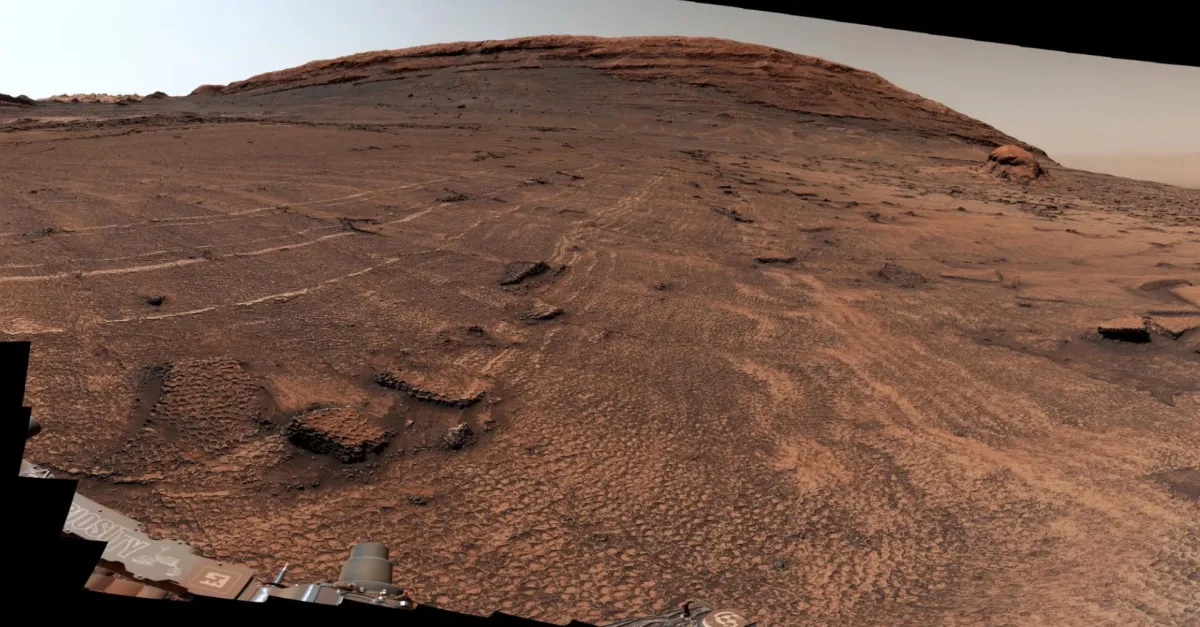
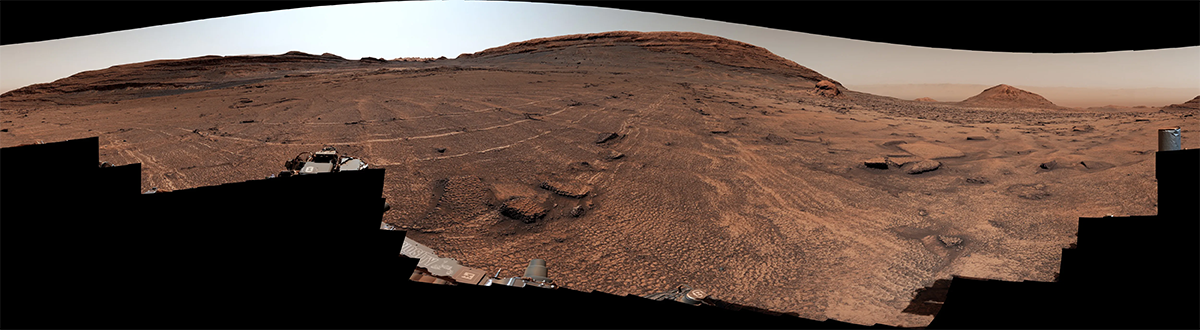
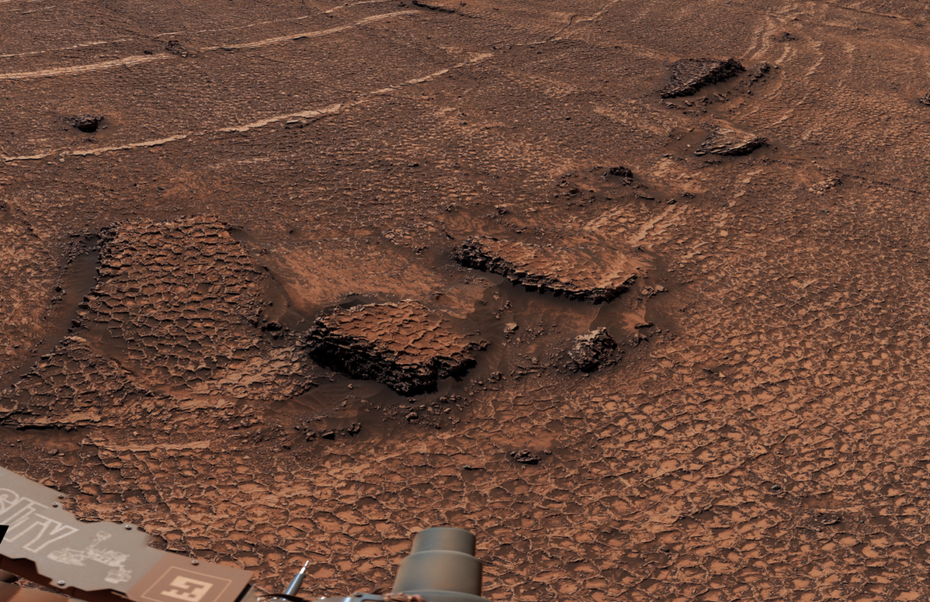
Jump to contentThank you for registeringPlease refresh the page or navigate to another page on the site to be automatically logged inPlease refresh your browser to be logged inAllNewsSportCultureLifestyleNASA’s Curiosity rover recently discovered an unprecedented number of honeycomb-like polygonal patterns on the surface of Mars, specifically in the Martian valley known as 'Valle Grande'. While similar polygonal shapes have been observed before, this is the first time such a high concentration has been found in one location, prompting scientists to investigate their formation. The polygons, measuring between 1.3 and 3 inches in diameter, wrap around a nearby hill nicknamed 'Miraflores', and their exact origin remains a mystery to researchers. Previous observations of similar features were linked to cracks in ancient mud, suggesting past Earth-like wet-dry cycles on Mars, which could have been crucial for the molecular evolution leading to life. Scientists are analysing data to determine how these features formed, with possibilities including ancient mud cracks or water being squeezed out of sediment, adding to Curiosity's ongoing discoveries about Mars's past habitability. In fullA NASA rover just discovered something strange on Mars - and scientists can’t explain itMore bulletinsThank you for registeringPlease refresh the page or navigate to another page on the site to be automatically logged inPlease refresh your browser to be logged in
Confronto fonti
6 prospettive sulla stessa storiaTimeline cronologica
- ·
nasa.gov

NASA’s Curiosity Mars Rover Discovers Field of Honeycomb Textures - NASA
As NASA’s Curiosity rover recently began climbing up a Martian valley nicknamed “Valle Grande,” it sent back images that were a familiar sight to mission
- ·
science.nasa.gov
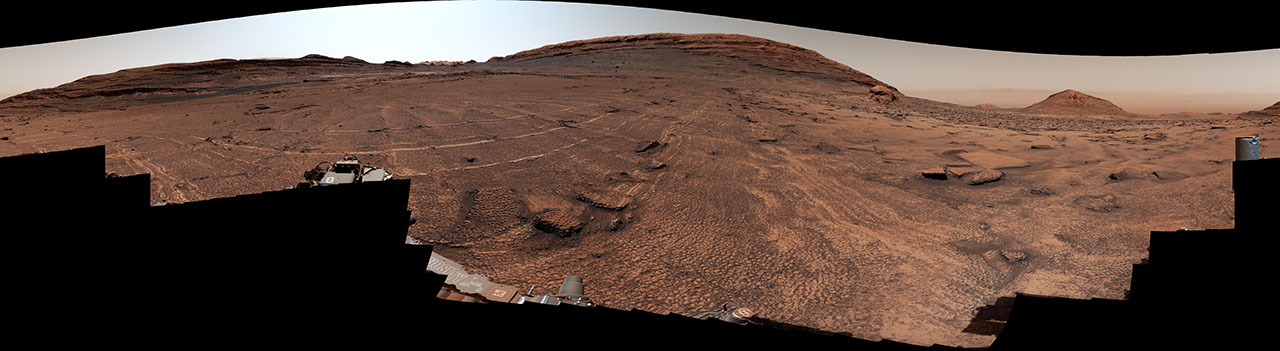
NASA’s Curiosity Discovers a Field of Martian Polygons - NASA Science
NASA’s Curiosity Mars rover captured this 360-degree view of an expanse of terrain covered in surface features called polygons on June 19 and 20, 2026, the