HomeAI · summaries
Storia in 4 fonti
Climate change is driving a ‘shift’ in childhood malaria risk across Africa - Carbon Brief
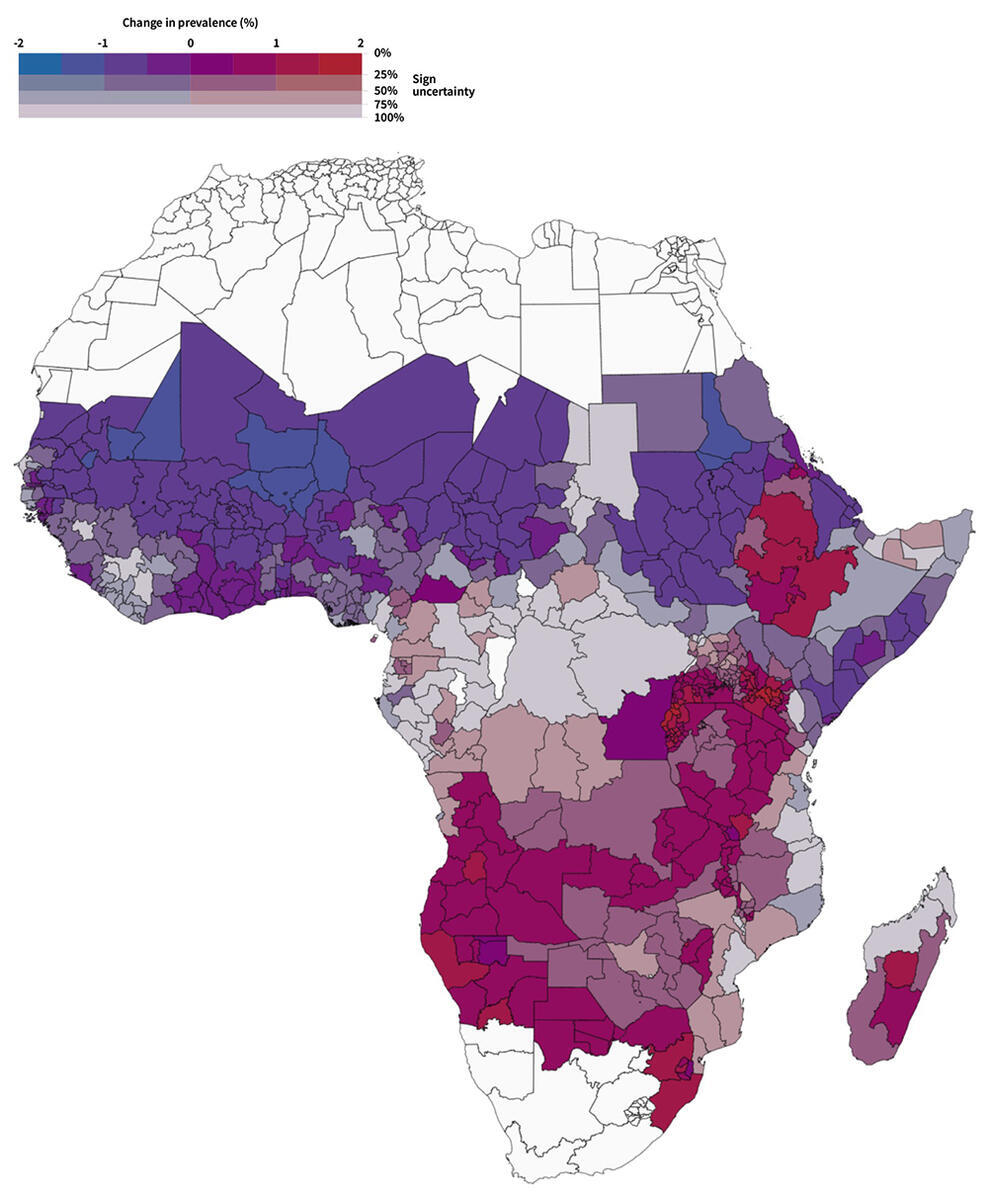
Rising temperatures are redistributing the risk of childhood malaria in sub-Saharan Africa, resulting in areas of “new risk” in the east and south of the continent, but also “relief hotspots” in western Africa.
Confronto fonti
4 prospettive sulla stessa storiaTimeline cronologica
- ·
nature.com
The past and future impact of climate change on childhood malaria in Africa - Nature
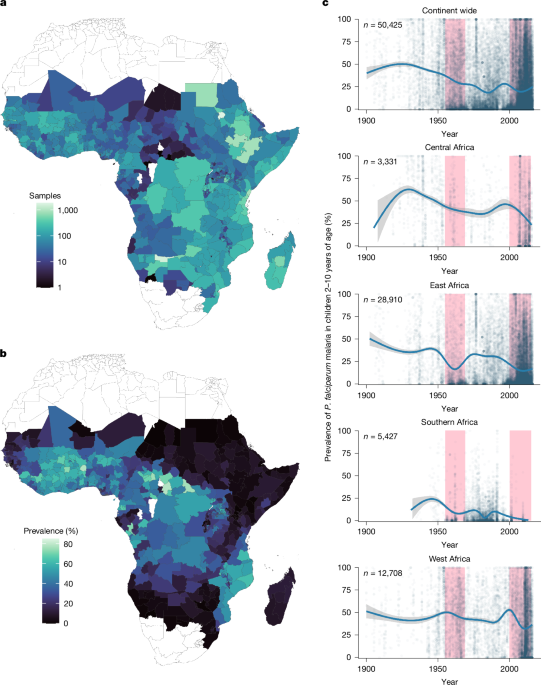
Climate and econometric modelling reveal that human-induced climate change is shifting the burden of childhood malaria in Africa.
- ·
news.yale.edu
Climate change is likely worsening childhood malaria, study finds
In a new study, Yale researchers found that hot temperatures and extreme precipitation are probably increasing the prevalence of malaria in parts of Africa.