HomeAI · summaries
Storia in 14 fonti
Multi-state warnings issued as Tropical Storm Bertha makes landfall
Jump to contentThank you for registeringPlease refresh the page or navigate to another page on the site to be automatically logged inPlease refresh your browser to be logged inAllNewsSportCultureLifestyleTropical Storm Bertha makes landfall in LouisianaTropical Storm Bertha made landfall on Wednesday on the southern tip of Louisiana, approximately 40 miles east of New Orleans. The storm brought maximum sustained winds of around 45 mph, with tropical storm force winds extending over 100 miles from its center. Threats included storm surge up to 3 feet, 2 to 4 inches of rain, and forced closures of parks, piers, and some low-lying roads from the Florida Panhandle to Mississippi. Authorities in Mississippi, Louisiana, and Florida provided sandbags, and some beaches were closed to swimmers due to double-red flag warnings. Bertha is expected to weaken as it moves towards Texas, marking the second tropical storm of the Atlantic hurricane season, following Tropical Storm Arthur. In fullTropical Storm Bertha makes landfall in Louisiana with damaging winds extending over 100 milesMore bulletinsThank you for registeringPlease refresh the page or navigate to another page on the site to be automatically logged inPlease refresh your browser to be logged in
Confronto fonti
6 prospettive sulla stessa storiaTimeline cronologica
- ·
hindustantimes.com

Tropical Storm Bertha map: Heavy rains alerts and warnings issued for Texas, Louisiana and Florida Panhandle
Tropical Depression Two is projected to become Tropical Storm Bertha by Monday, currently positioned south of Panama City, Florida.
- ·
abcnews.com

Tropical Storm Bertha takes shape off the Florida coast, prompting storm alerts
A tropical storm watch is in effect Monday for the Florida panhandle as a tropical depression in the Gulf is expected to become Tropical Storm Bertha.
- ·
cbsnews.com
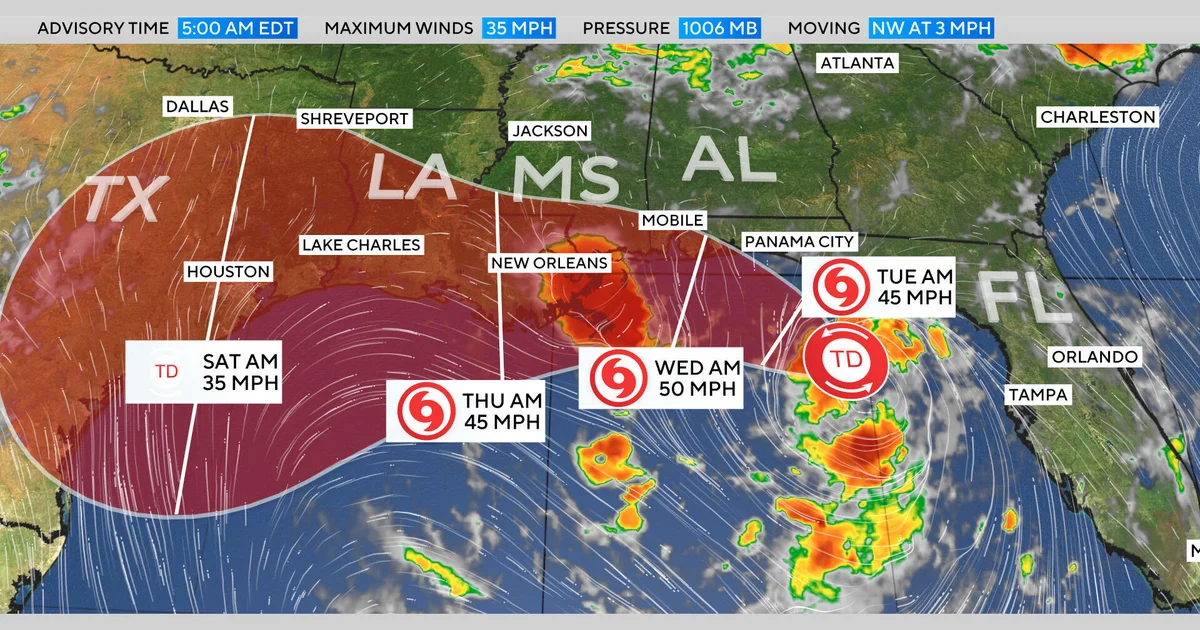
Tropical Storm Bertha forms, threatening Gulf Coast. See a forecast map and its path.
Tropical Storm Bertha is the second named storm of the Atlantic hurricane season.
- ·
eu.usatoday.com
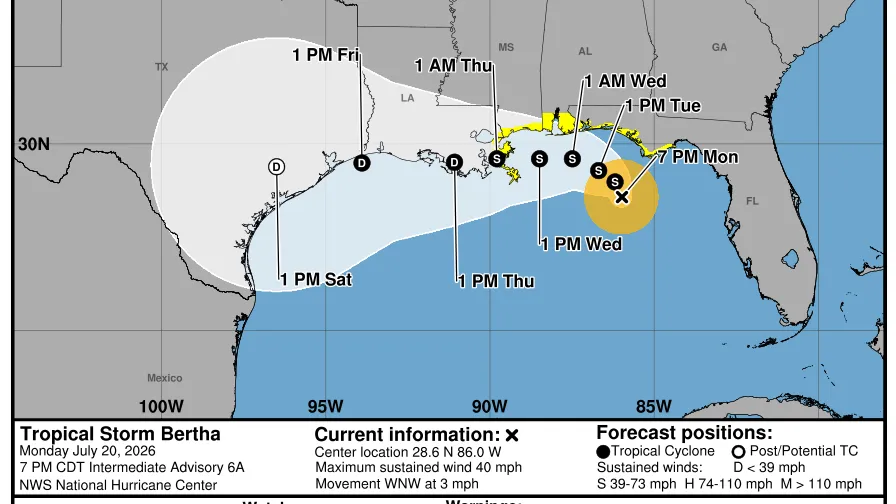
Tropical Storm Bertha forms in the Gulf, forecasts warn of flooding
Tropical Storm Bertha formed on July 20 as it moved toward the Gulf Coast, where forecasters say it could bring flash flooding to multiple states.
- ·
edition.cnn.com
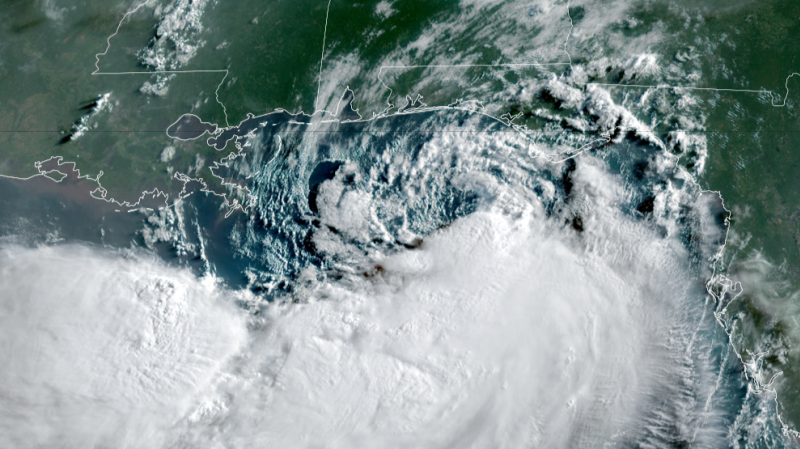
Tropical Storm Bertha threatens coastal flooding, gusty winds as it trudges toward Gulf Coast | CNN
Tropical Storm Bertha continues to move slowly in the northeastern Gulf, where it is expected to bring periods of rain, gusty winds and coastal flooding to parts of the Gulf Coast…
- ·
cnn.com
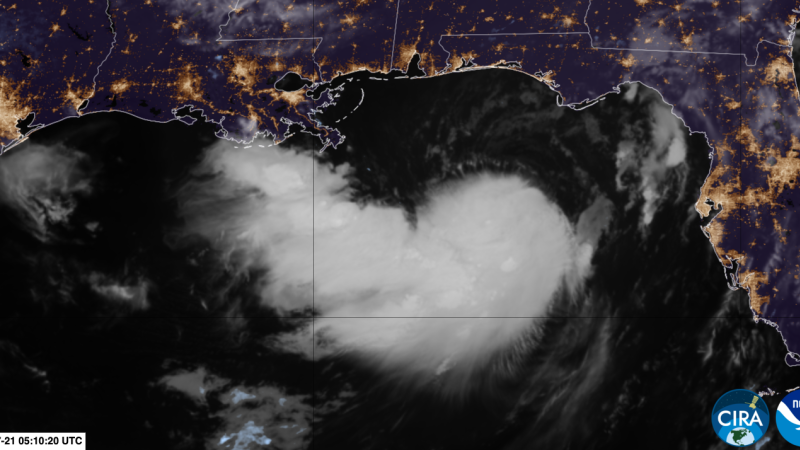
Tropical Storm Bertha slowly strengthens, threatening flooding as it trudges toward Gulf Coast | CNN
Tropical Storm Bertha is slowly organizing in the northeastern Gulf, where it is expected to bring several days of heavy rain, gusty winds and coastal flooding to parts of the…
- ·
independent.co.uk
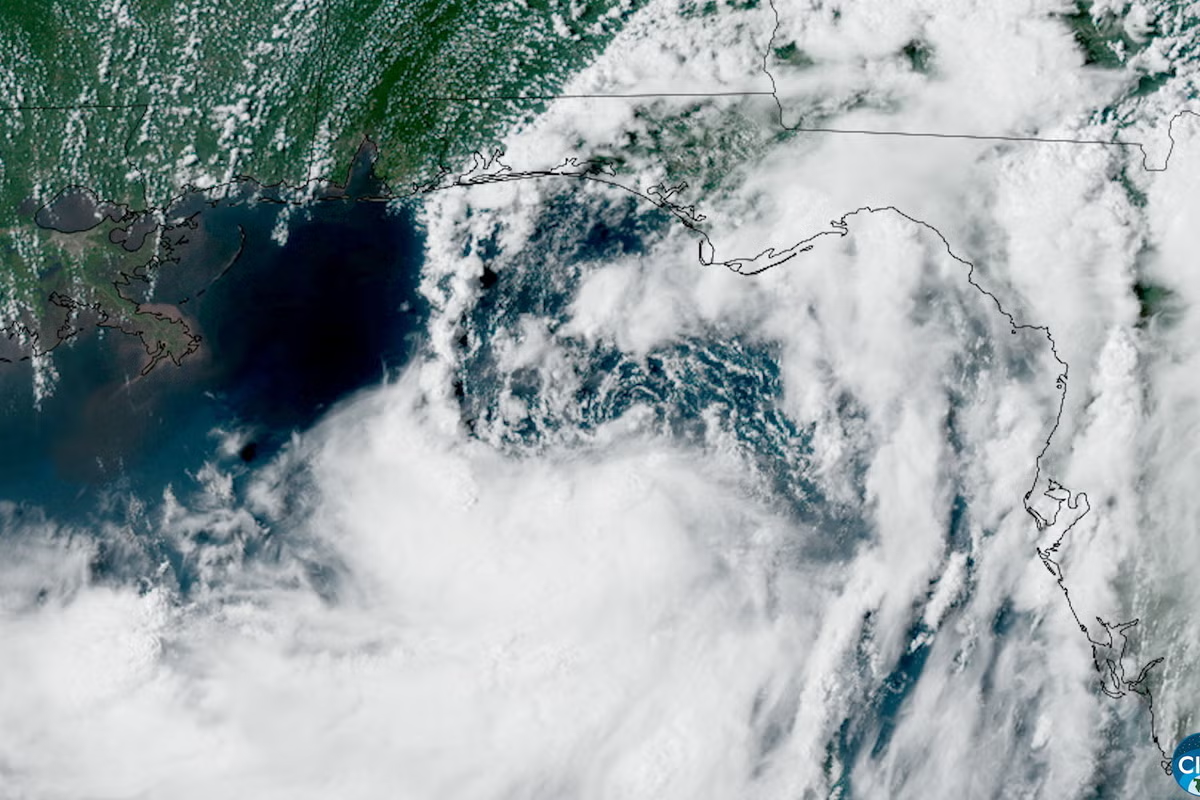
Life-threatening storm surge feared as Tropical Storm Bertha nears the Gulf Coast
Tropical Storm Bertha formed Monday evening in the Gulf of Mexico south of the Florida Panhandle as it drifts erratically toward populated coastal areas
- ·

Tropical Storm Bertha in the Gulf of Mexico moving toward Florida Panhandle and Alabama
Tropical Storm Bertha in the Gulf of Mexico moving toward Florida Panhandle and Alabama
- ·
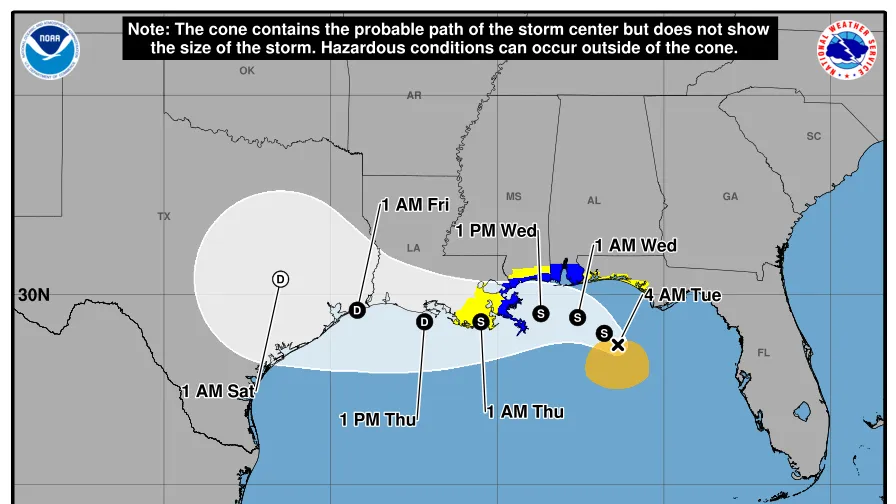
Tropical Storm Bertha takes aim on Gulf Coast
Tropical Storm Bertha continued its slow slog toward the Gulf Coast on the morning of July 21, forecasters from the National Hurricane Center announced in an early morning update.
- ·
theguardian.com
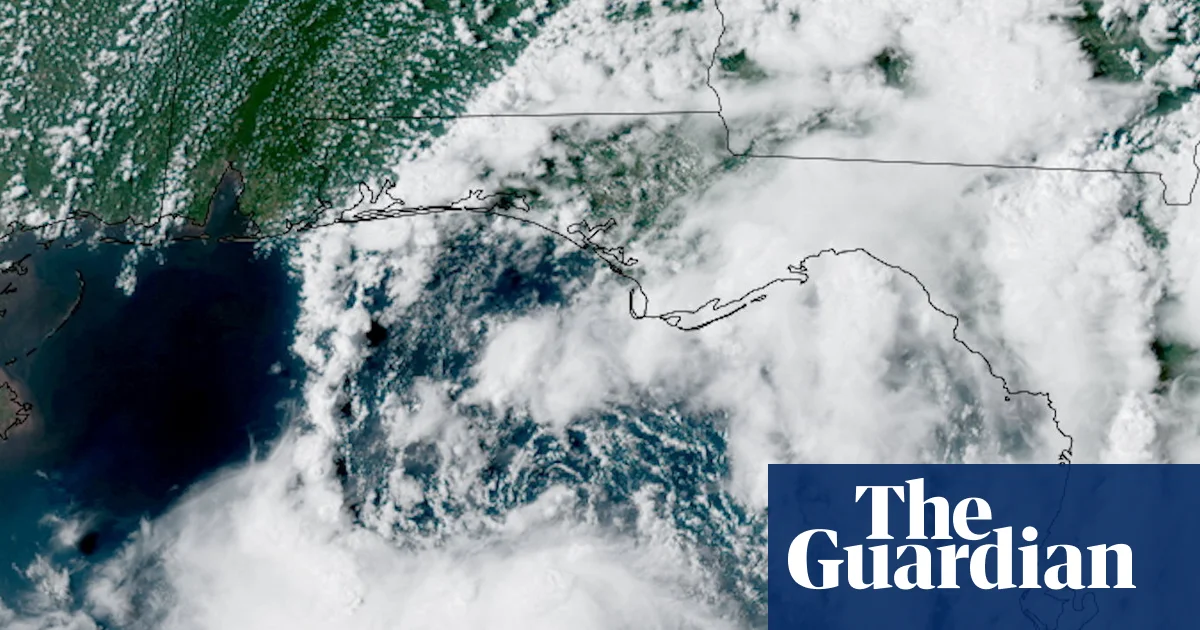
Tropical Storm Bertha strengthens as Gulf coast braces for flooding and surge
Storm warnings stretch from Florida to Louisiana as Bertha brings heavy rain, flooding risk and possible tornadoes
- ·
france24.com
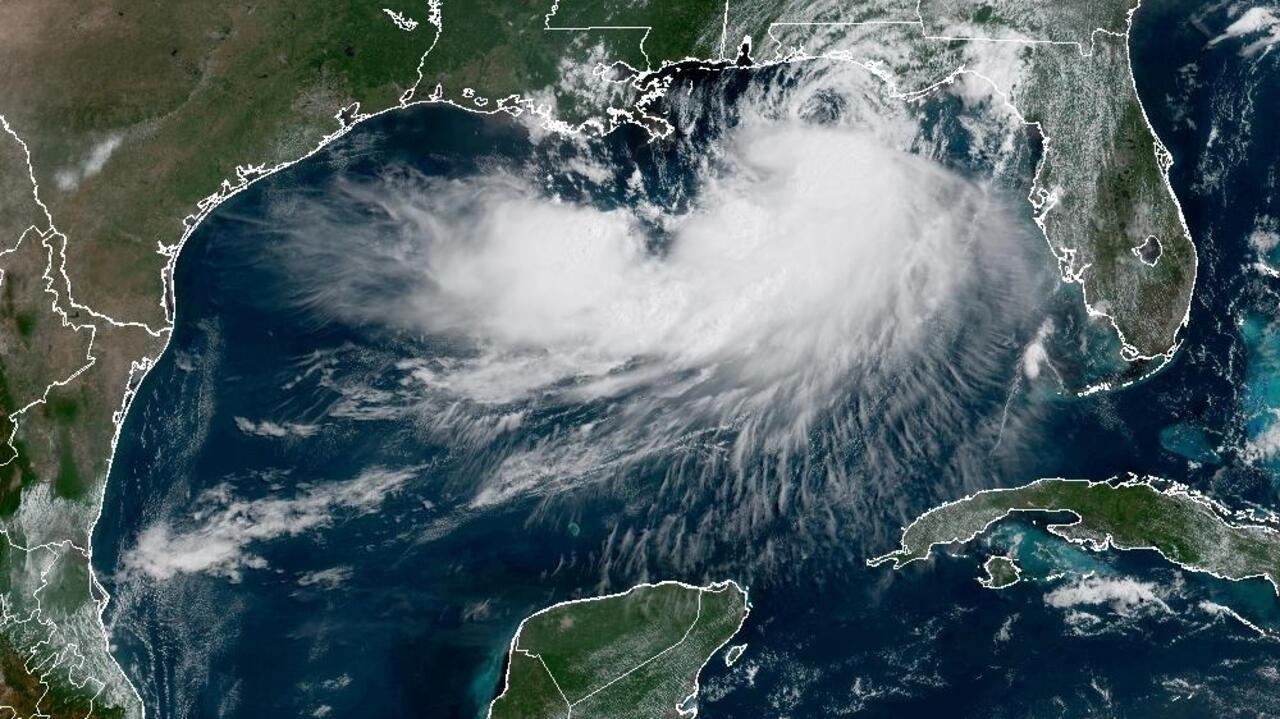
Tropical Storm Bertha strengthens, threatening Gulf coast of US
Tropical Storm Bertha -- the second named storm of the Atlantic season -- strengthened Tuesday, threatening states from Florida to Louisiana, the National Hurricane Center said.
- ·
upi.com
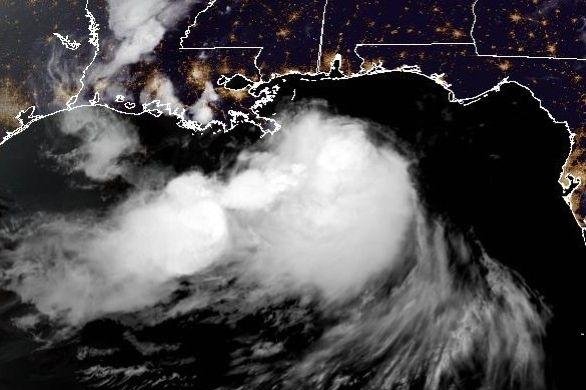
Conditions from Tropical Storm Bertha to continue spreading across northern Gulf Coast - UPI.com
Conditions from Tropical Storm Bertha will continue to spread into Wednesday across parts of the north Gulf Coast, the National Hurricane Center said.
- ·
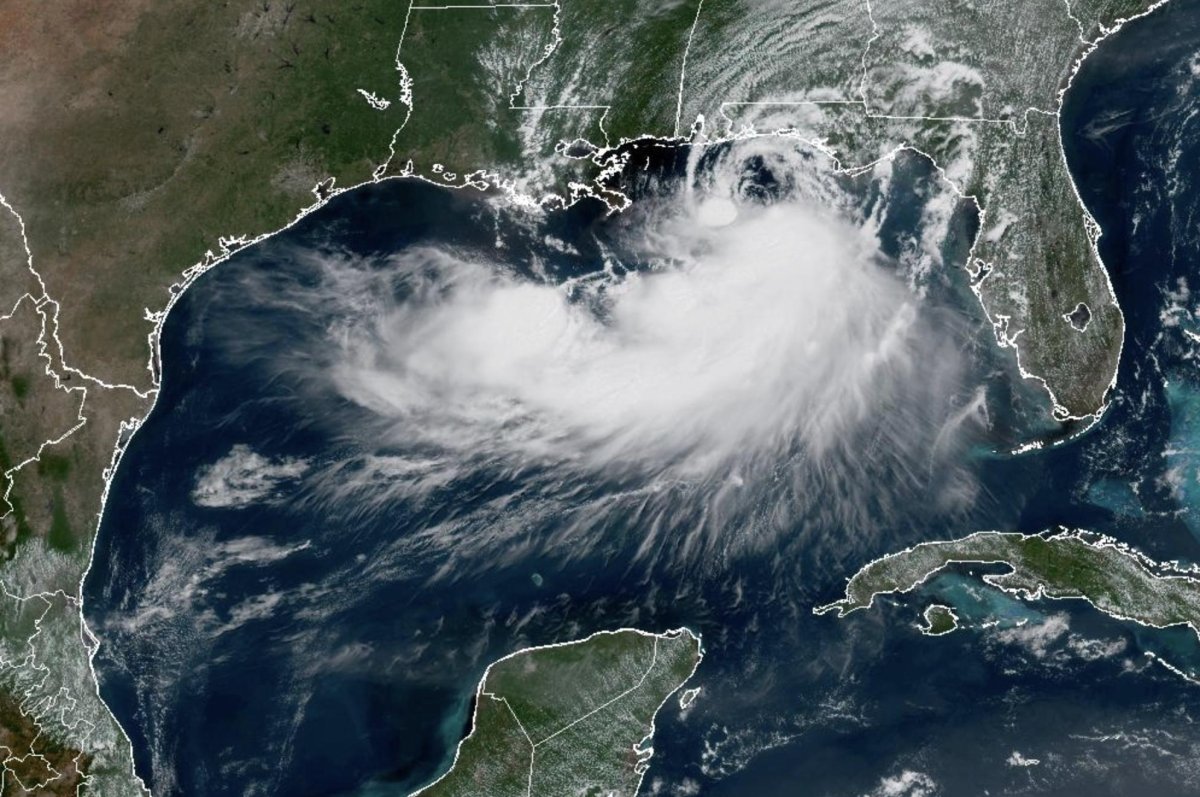
Tropical Storm Bertha to skirt along Gulf Coast heading west - UPI.com
Tropical Storm Bertha strengthened just off the coast of the Florida Panhandle on Tuesday as it made its way west
- ·
jamaica-gleaner.com
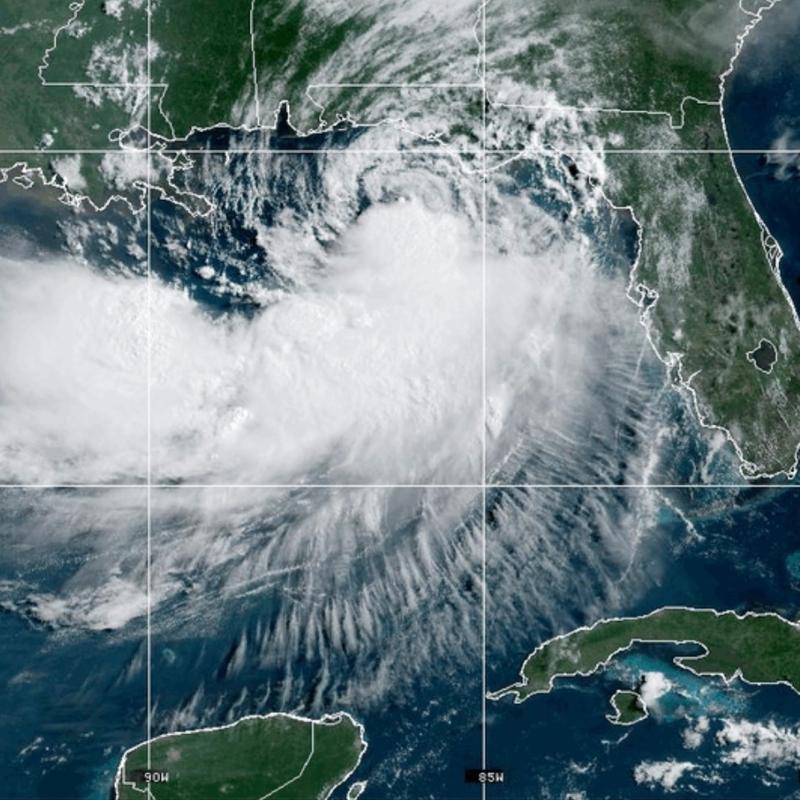
Tropical Storm Bertha expected to bring heavy rain, flooding along the Gulf Coast
AP – Tropical Storm Bertha strengthened in the Gulf of Mexico on Tuesday but was expected to weaken as it chugs closer to the United States, potentially bringing coastal flooding…
- ·
npr.org
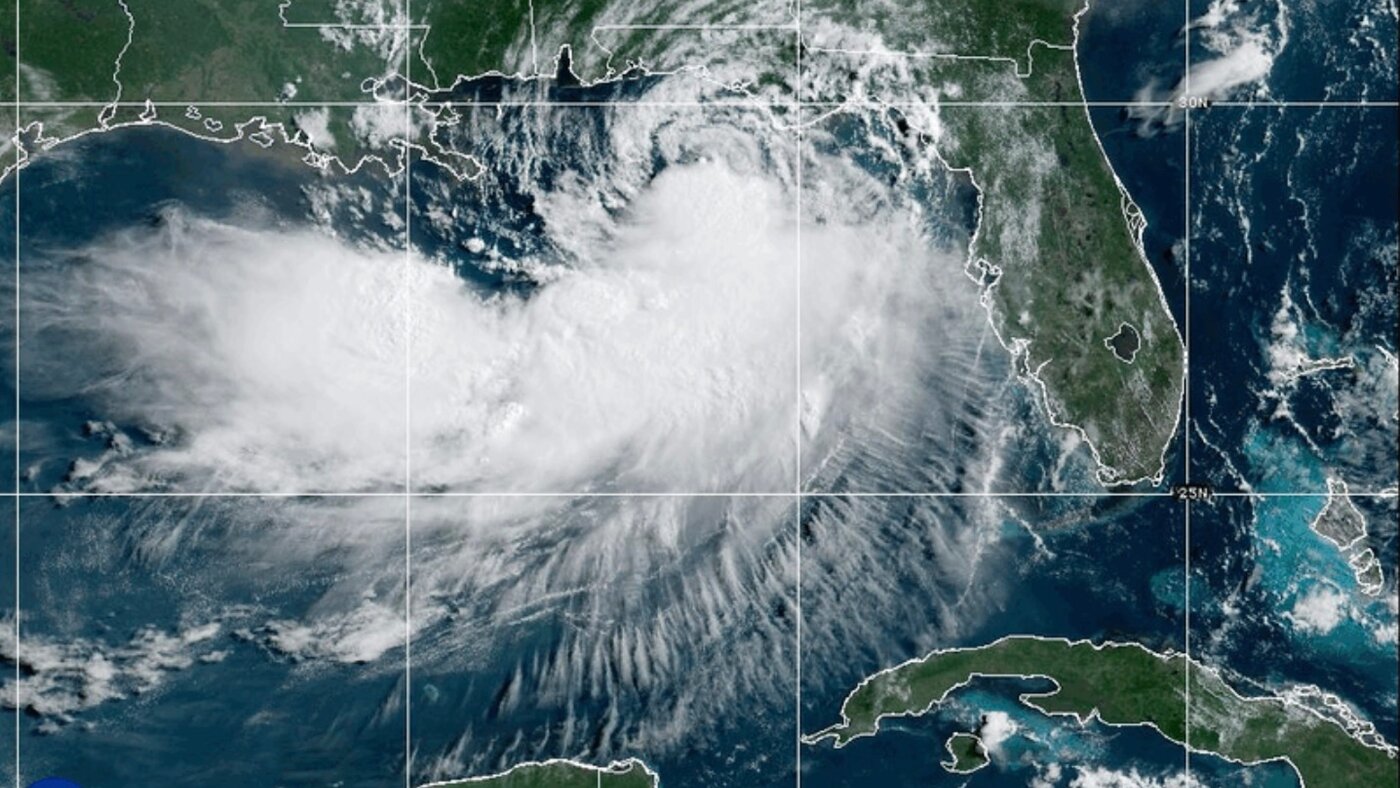
Tropical Storm Bertha makes landfall but damage appears limited
Storm damage is expected to be limited because the El Niño weather pattern will counter its worst effects. But unusually warm waters in the Atlantic means the risk of destructive…
- ·
elnuevodia.com
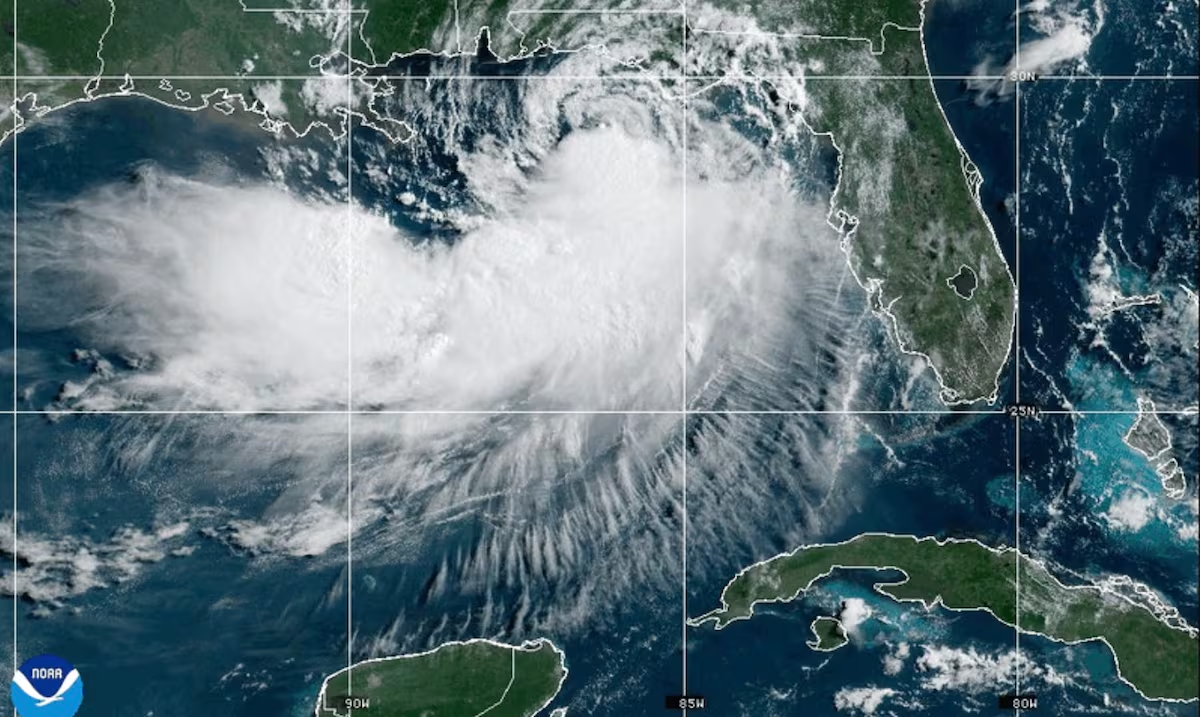
📷 Mira el momento en que la tormenta tropical Bertha tocó tierra en Luisiana
Tocó tierra e miércoles por la tarde a 40 millas al este de Nueva Orleans
- ·

Beaches closed and sandbags filled as Tropical Storm Bertha approaches the Gulf Coast
Communities on the U.S. Gulf Coast distributed sandbags and closed beaches before Tropical Storm Bertha brings flooding and wind from the Florida Panhandle to Louisiana
- ·
clarin.com
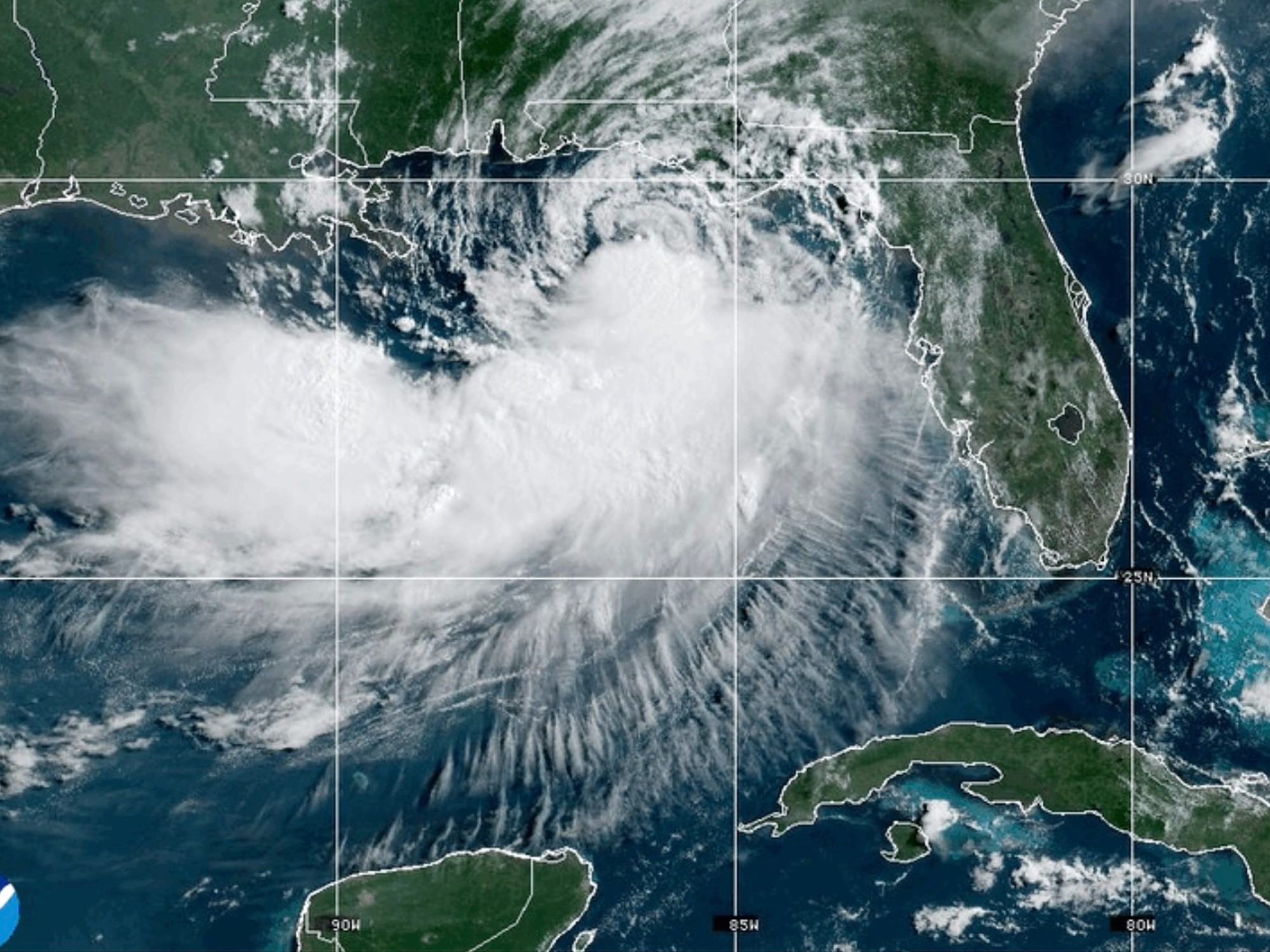
Mapa EN VIVO | Seguimiento de la tormenta tropical Bertha: trayectoria y qué estados de EE.UU. están bajo alerta máxima
Florida, Alabama, Mississippi y Luisiana permanecen bajo alerta por lluvias intensas, inundaciones y marejadas.
- ·
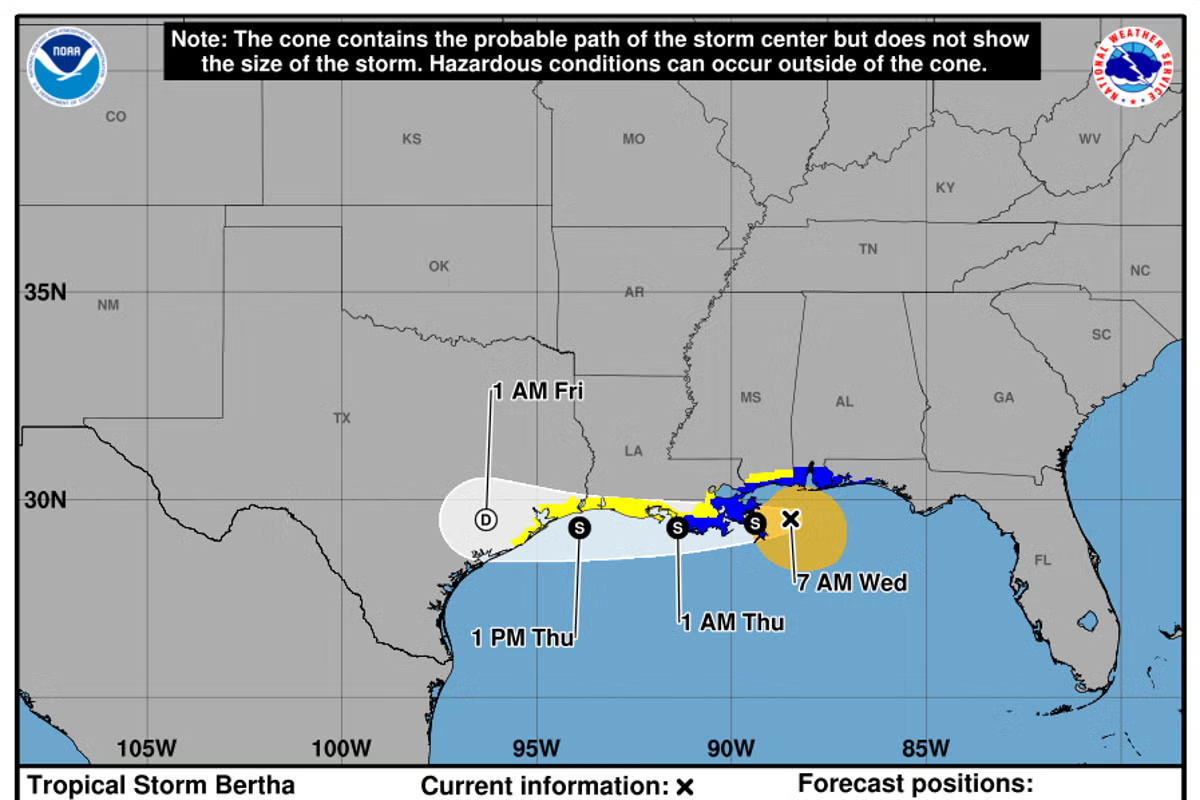
Tropical Storm Bertha’s latest track and when it’s expected to make landfall
Jump to contentThank you for registeringPlease refresh the page or navigate to another page on the site to be automatically logged inPlease refresh your browser to be logged…
- ·
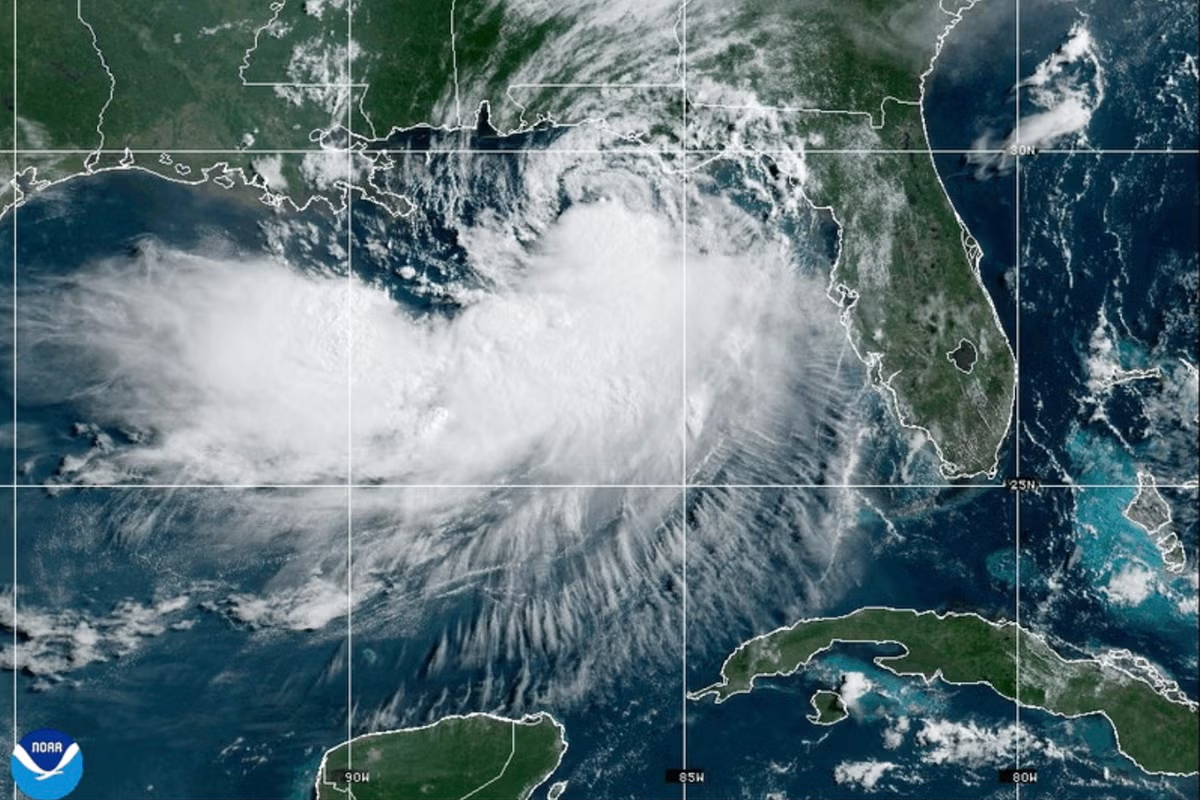
Beaches closed as Tropical Storm Bertha takes aim at the Gulf Coast
The biggest threat is from tropical storm force winds, which extend about 100 miles from the center of the storm