Show Caption
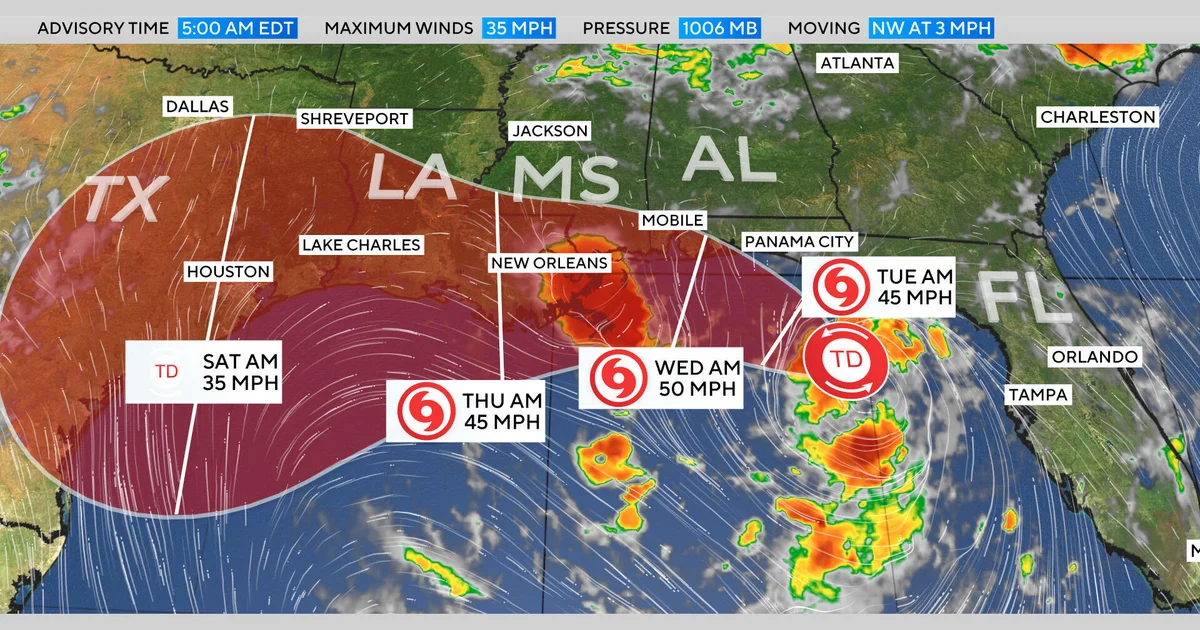
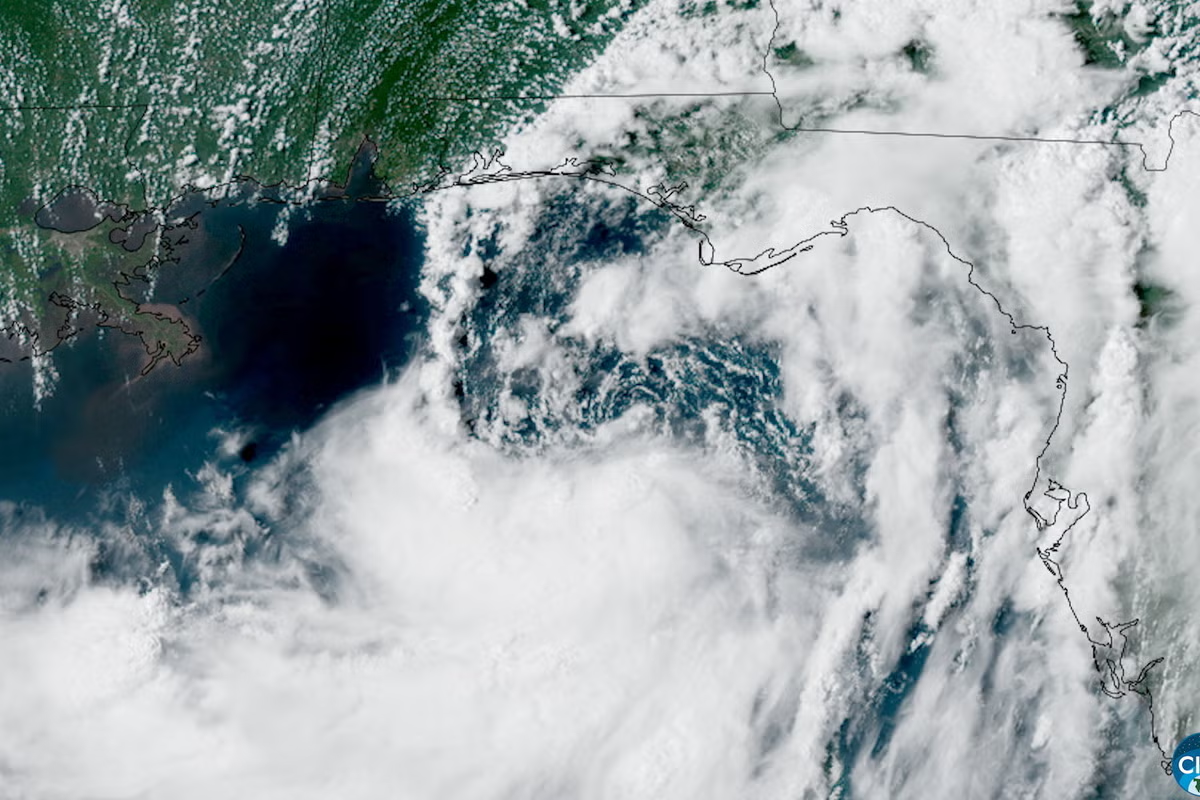
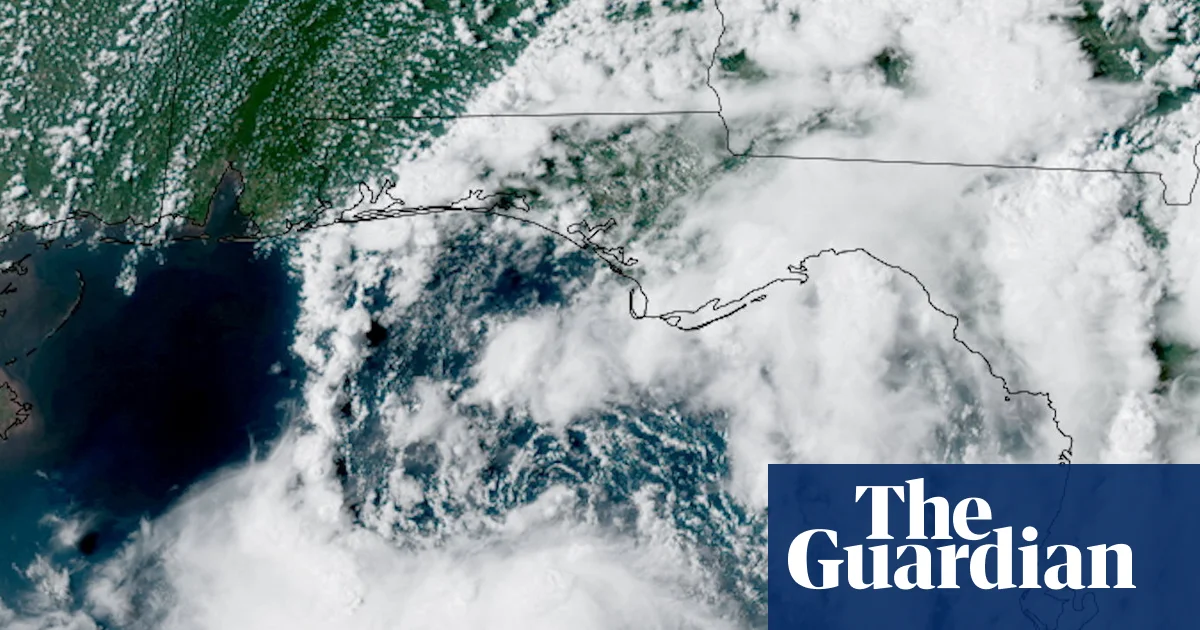
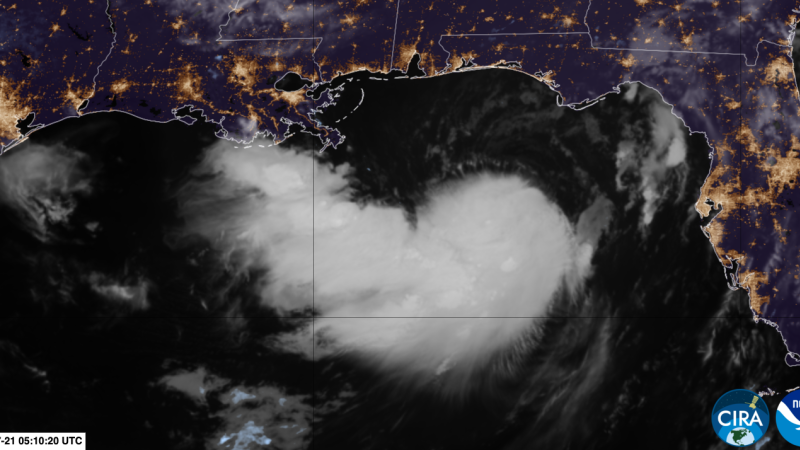
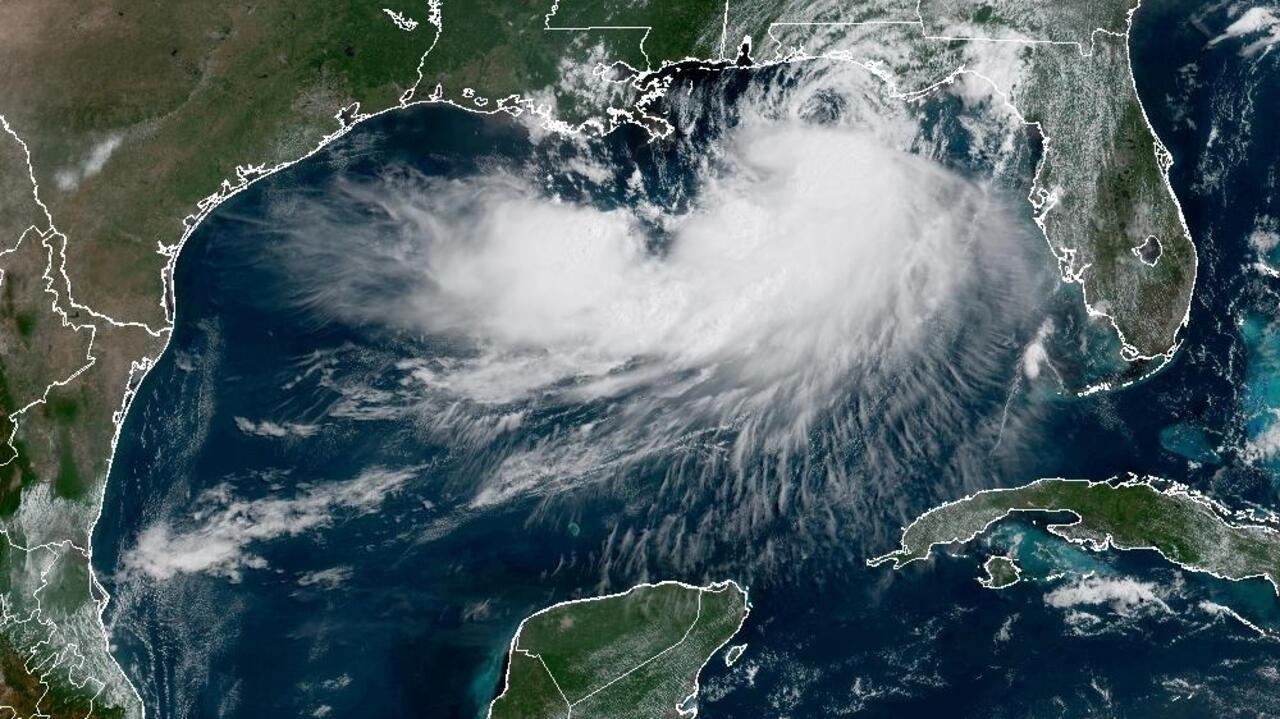
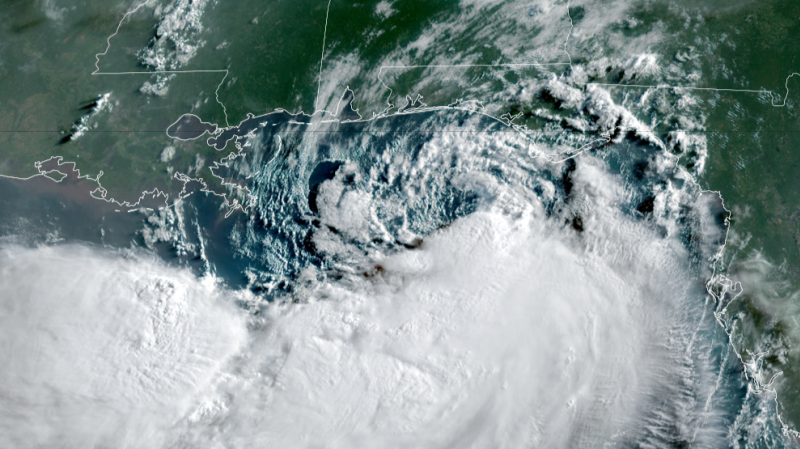
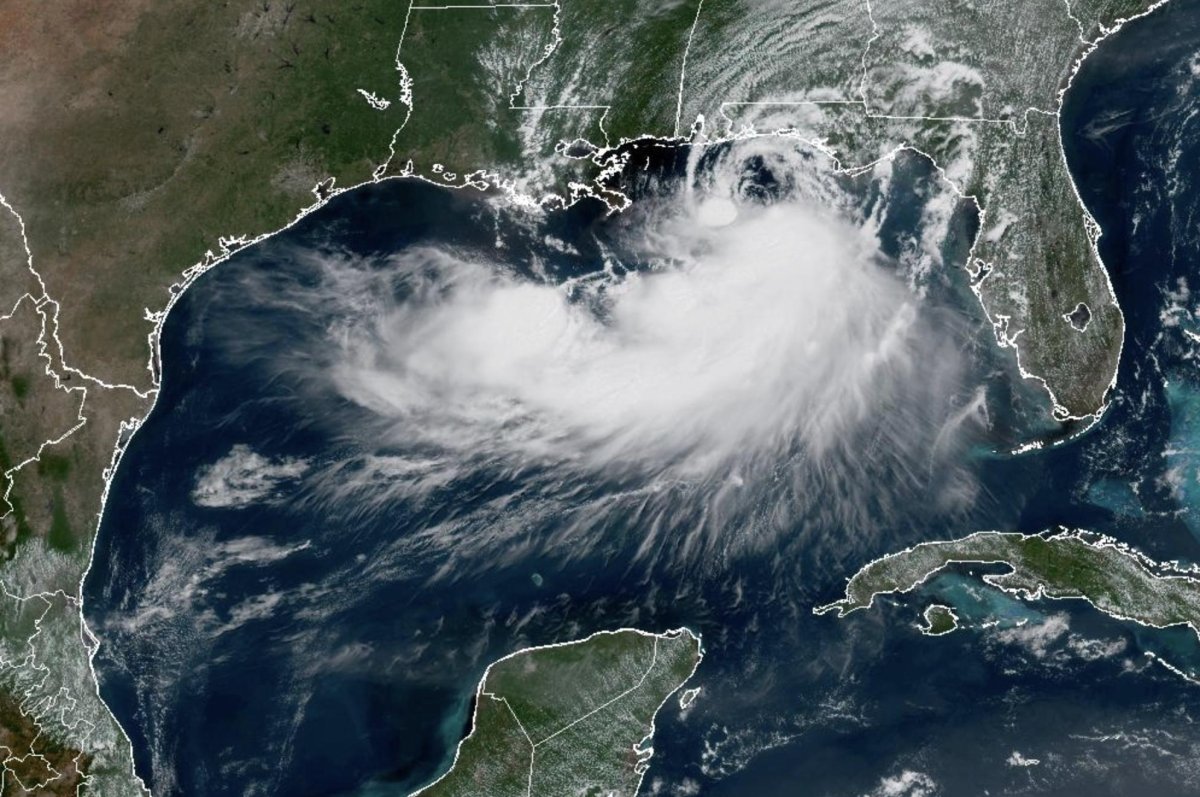
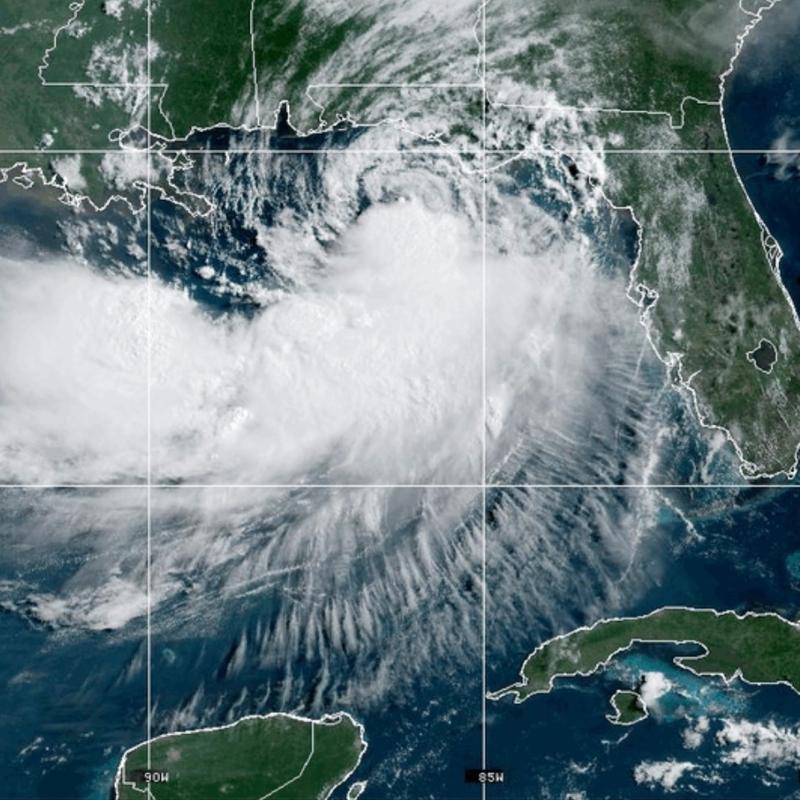
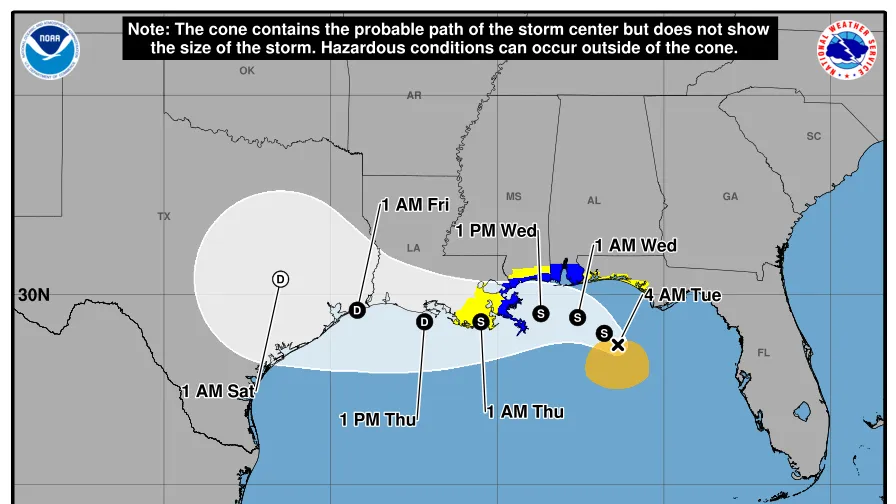
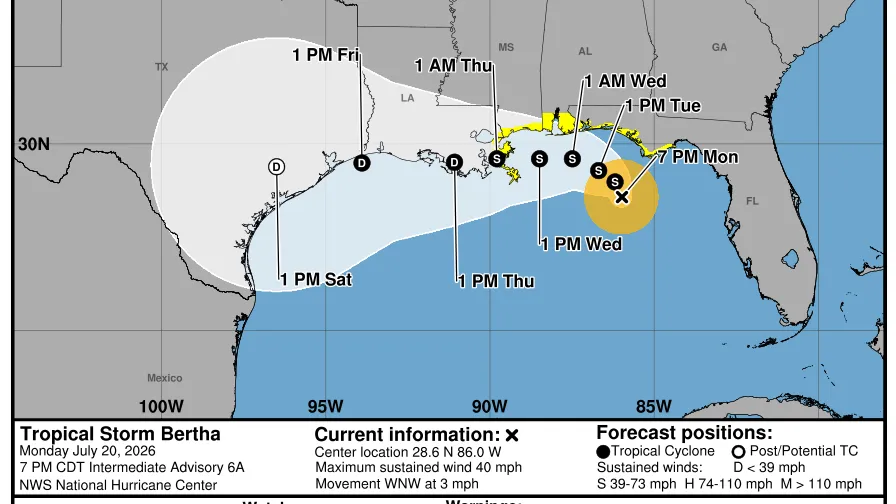
Tropical Storm Bertha formed along the Gulf on the evening of July 20, as it meandered toward the Florida Panhandle and the coasts of Alabama, Mississippi and Louisiana, federal forecasters said.Bertha, the second named storm of the Atlantic hurricane season, intensified from a tropical depression, according to the National Hurricane Center.As of the hurricane center's 7 p.m. CDT advisory, Bertha was located about 110 miles south of Panama City, Florida, and about 190 miles southeast of Mobile, Alabama. The storm had maximum sustained winds of 40 mph and was drifting west-northwest at 3 mph.Tropical storm watches were in effect along the Gulf Coast, where strong winds, heavy rain and dangerous surf conditions could develop late July 20 into July 21, according to the hurricane center.Flooding possibleThe hurricane center said that Bertha is "expected to produce rainfall amounts of 2 to 4 inches with locally higher totals around 8 inches through Friday along the Gulf Coast and adjacent inland locations from western Florida to the Middle Texas Coast, including southern portions of Alabama, Mississippi, and Louisiana. This rainfall may produce areas of flash flooding, especially in urban areas."In an online update, AccuWeather meteorologist Alex DaSilva said," while rainfall will be welcome across portions of the Florida Panhandle due to an ongoing drought, the flooding risk can be increased due to dry soil. This dry, hard soil can allow the water to run off instead of being absorbed right away."If heavy rain shifts farther west into the Texas Hill Country, there will be elevated concern for flash flooding given the terrain and recent significant flooding that occurred across the region, AccuWeather warned.Second storm of what's expected to be a quiet yearThe storm comes about a month after Tropical Storm Arthur formed in the Gulf.Forecasters predict the 2026 Atlantic hurricane season will see "below-normal" activity levels, thanks largely to the storm-snuffing impacts of El Niño.A total of eight to 14 named storms are expected, with anywhere from three to six becoming hurricanes, the National Oceanic and Atmospheric Administration's seasonal outlook predicts.A typical year averages about 14 tropical storms, seven of which spin into hurricanes, based on weather records from 1991 to 2020.