HomeAI · summaries
Storia in 4 fonti
What are dopamine sites? The shopping trend that is more popular than you think
Jump to contentThank you for registeringPlease refresh the page or navigate to another page on the site to be automatically logged inPlease refresh your browser to be logged inAllNewsSportCultureLifestyleA new viral trend involves dopamine apps or sites where users simulate ordering food, shopping, or other activities without making actual purchases. Examples include FoodNeverComes for fake food delivery, Dopamine Shop for virtual shopping, and No Smoke Zone for simulated smoking, all designed to provide a “dopamine hit” from the anticipation and selection process. While these apps offer a sense of gratification without real-world cost, they raise concerns about potential ”gateway behaviours”. Past research on social casino games indicates that simulated activities can lead users to engage in real-money gambling or similar behaviours. Additionally, these free, ad-supported platforms collect user data through cookies, which can be used by marketers to deliver more targeted advertising for real products. In fullThe dopamine apps where shoppers can ‘buy’ food and clothes that never arriveMore bulletinsThank you for registeringPlease refresh the page or navigate to another page on the site to be automatically logged inPlease refresh your browser to be logged in
Confronto fonti
4 prospettive sulla stessa storiaTimeline cronologica
- ·
independent.co.uk

Can fake shopping ‘dopamine sites’ curb my lazy millennial doom-spending?
A wave of new platforms promise the ‘happy hormone’ rush of an online shopping spree, but without the costs of impulse buys. Katie Rosseinsky gives them a go to see if they really…
- ·
economictimes.indiatimes.com
dopamine apps: Why people are ordering fake food and fashion deliveries on free 'dopamine apps' - The Economic Times
It sounds ridiculous if you've never tried it, but this viral trend is more popular than you might think. Just one app alone, FoodNeverComes, claims nearly 1 million "cravings…
- ·
The dopamine apps where shoppers can ‘buy’ food and clothes that never arrive
The viral trend is more popular than you might think
- ·
What are dopamine sites? The shopping trend that is more popular than you think
Jump to contentThank you for registeringPlease refresh the page or navigate to another page on the site to be automatically logged inPlease refresh your browser to be logged…
- ·
hwupgrade.it
Dopamine sites, fare shopping online per finta è il nuovo trend che arriva dalla Corea del Sud
Dalla Corea del Sud sta arrivando una nuova moda: si tratta dei Dopamine sites. Questi portali simulano degli e-commerce reali permettendo agli utenti di effettuare ordini…
- ·
channelnewsasia.com
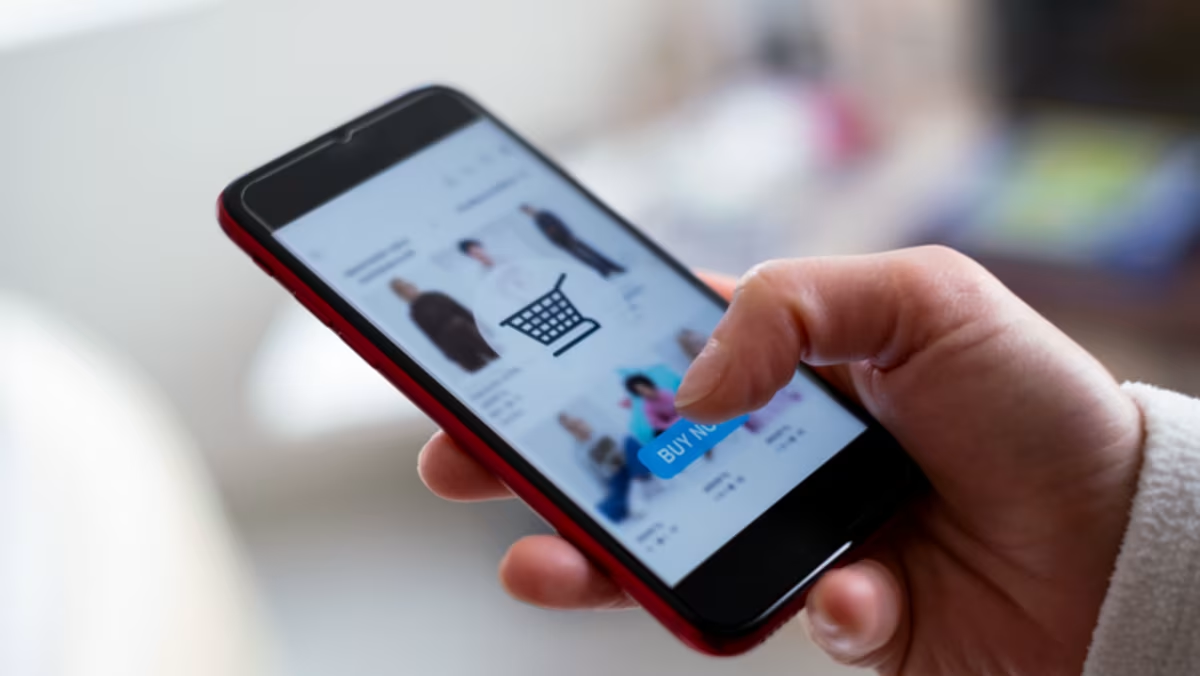
Commentary: Why people are ordering fake food and fashion deliveries on free ‘dopamine apps’
Dopamine apps” that allow users to “buy” food, clothes or other products with no real-world cost have gone viral. This consumer behaviour professor explains why.