HomeAI · summaries
Storia in 7 fonti
Why India’s trade deal with UK is not just about tariffs - the benefits extend beyond that
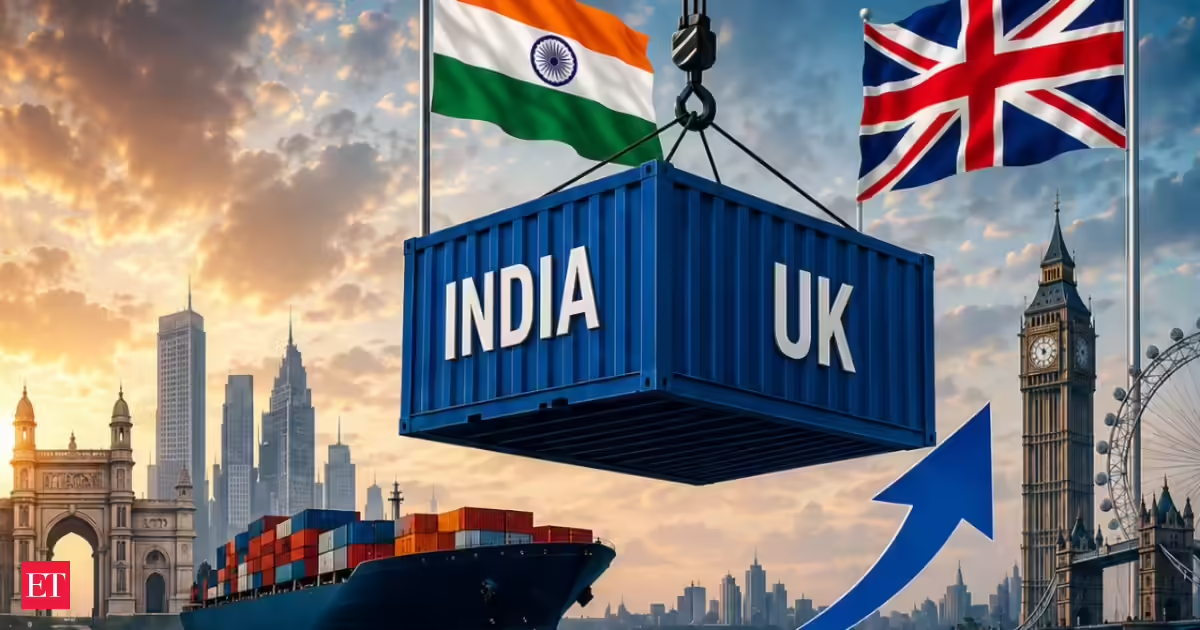
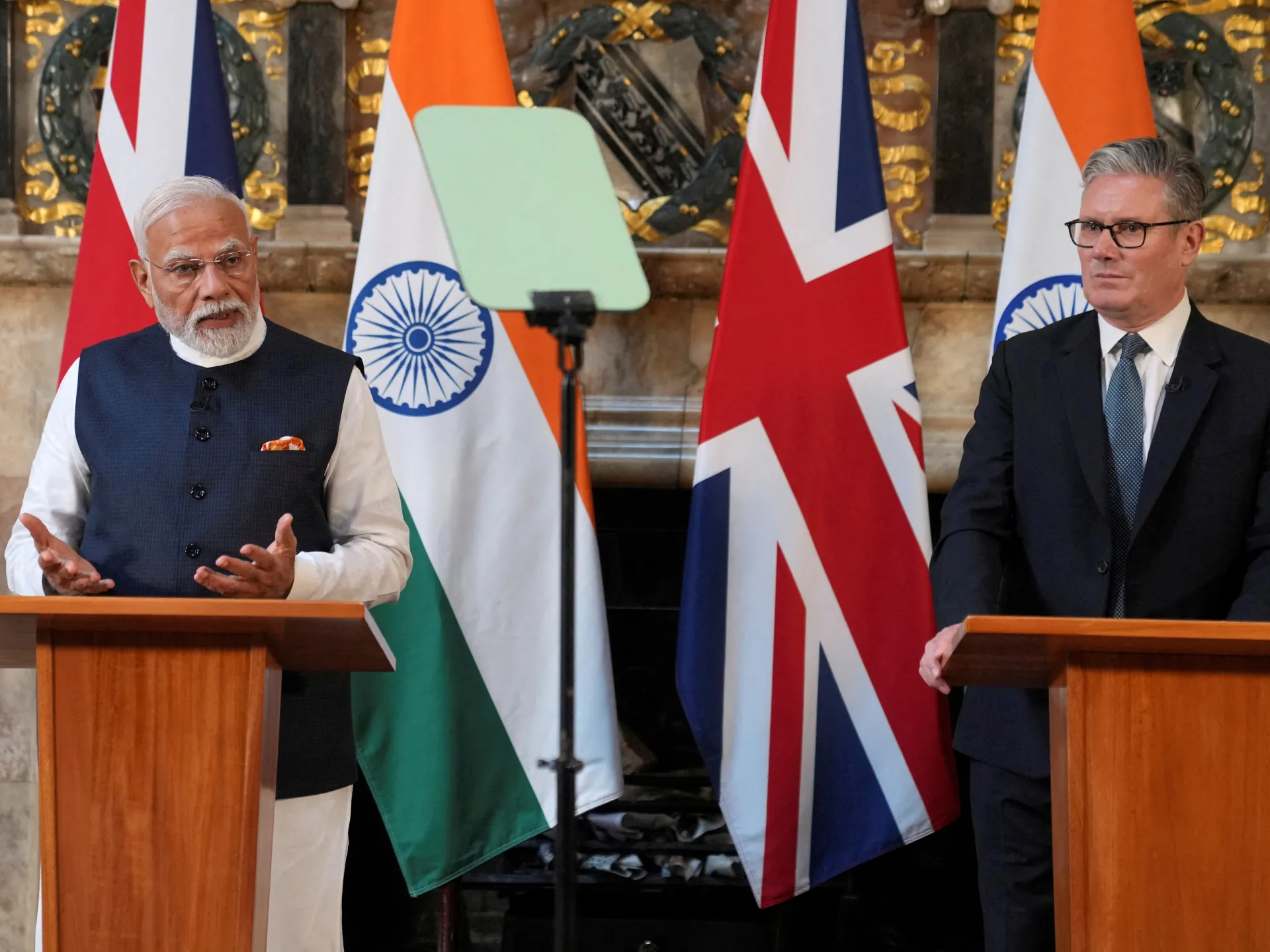
By Agneshwar Sen, Trade Policy Leader, EY IndiaTrade agreements are usually sold through arithmetic: how many tariff lines fall, how much trade may rise, which sector wins and which sector complains. The India-UK Comprehensive Economic and Trade Agreement (CETA), along with the Double Contribution Convention (DCC), deserves to be read differently.
Confronto fonti
6 prospettive sulla stessa storiaTimeline cronologica
- ·
economictimes.indiatimes.com
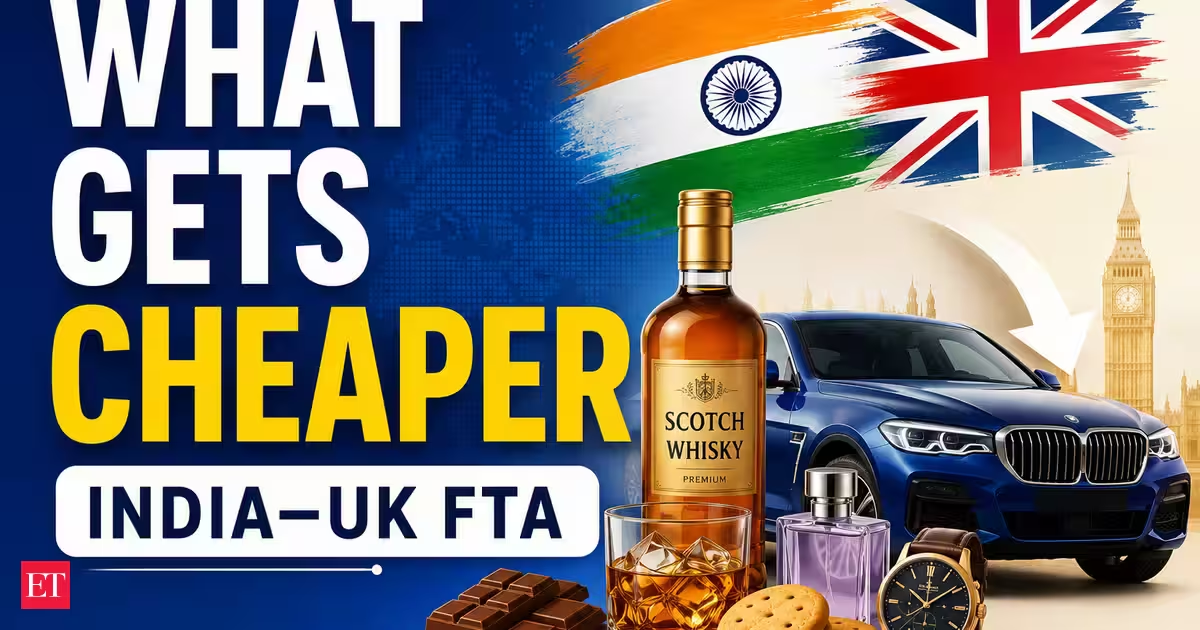
India-UK FTA from July 15: What changes for autos, whisky, exports and consumers
The India-UK Comprehensive Economic and Trade Agreement takes effect on July 15, 2026. This pact grants nearly 99% duty-free access for Indian exports to the United Kingdom.…
- ·
thehindubusinessline.com
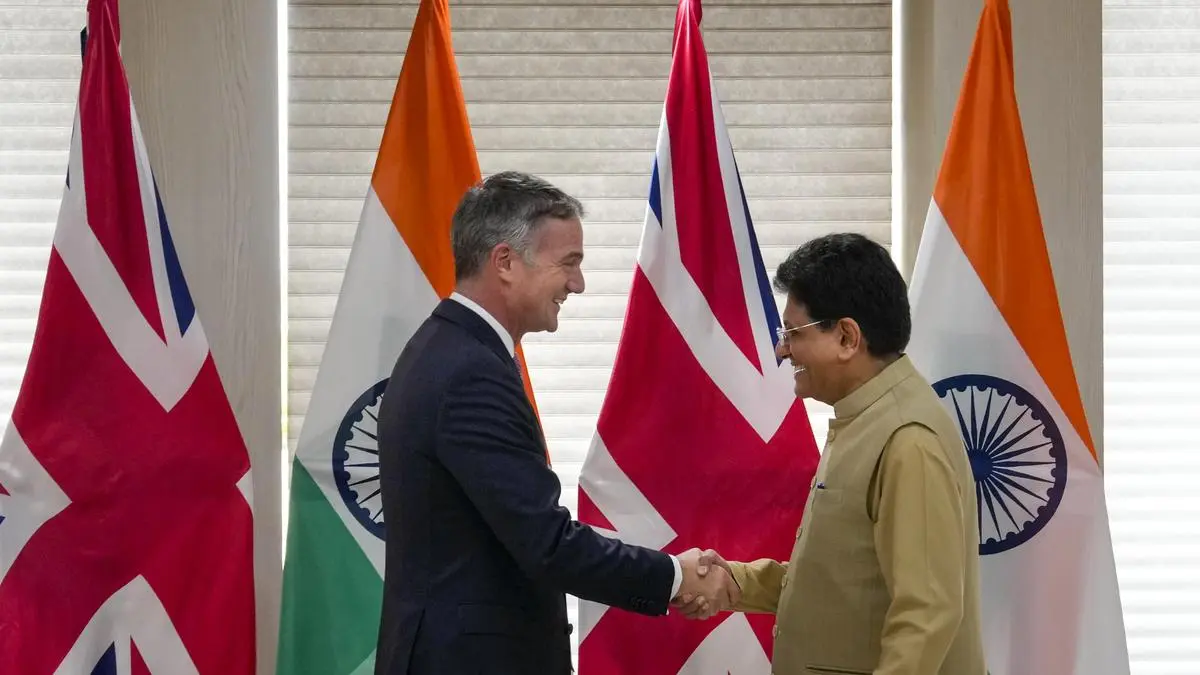
India-UK CETA stands out for both its breadth and pace
The agreement goes beyond tariff cuts and weaves together trade, investment, mobility and regulatory cooperation between two nations