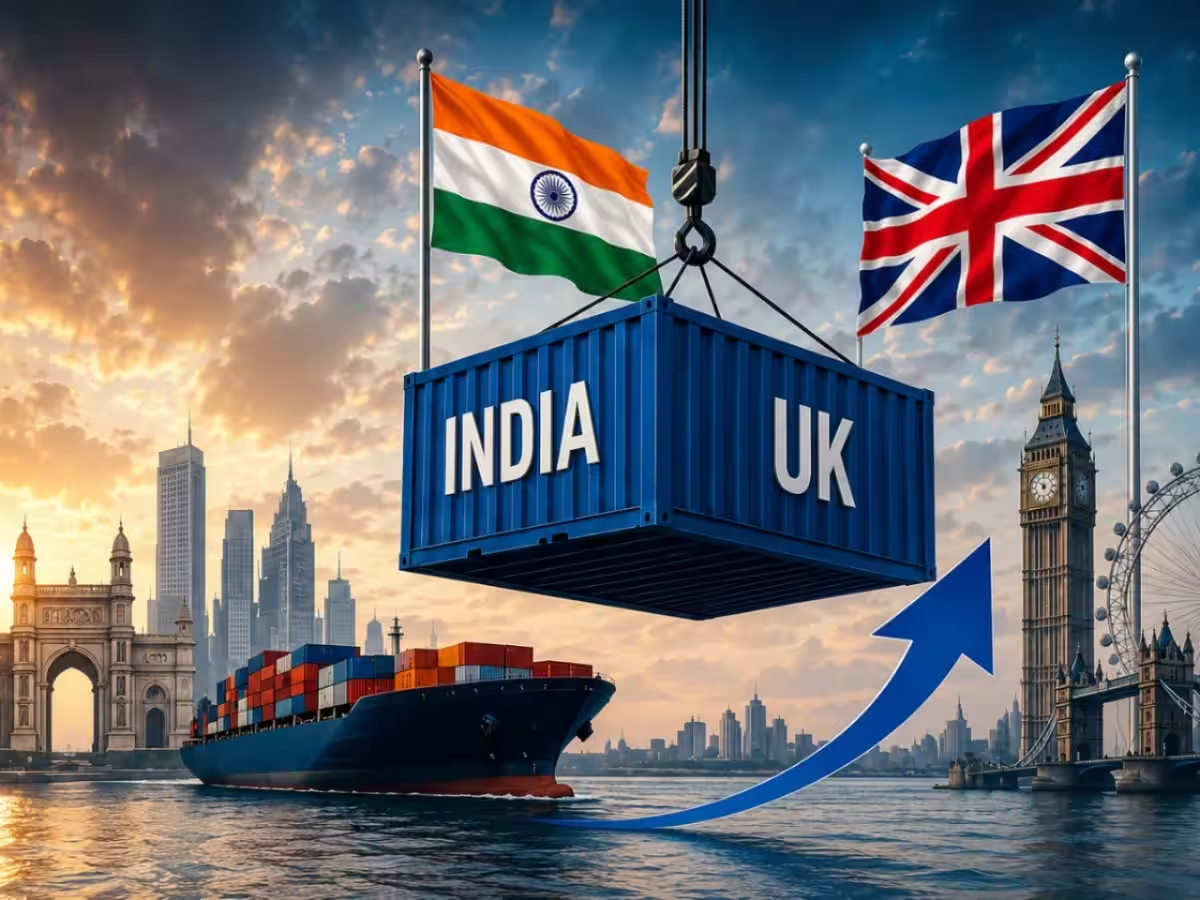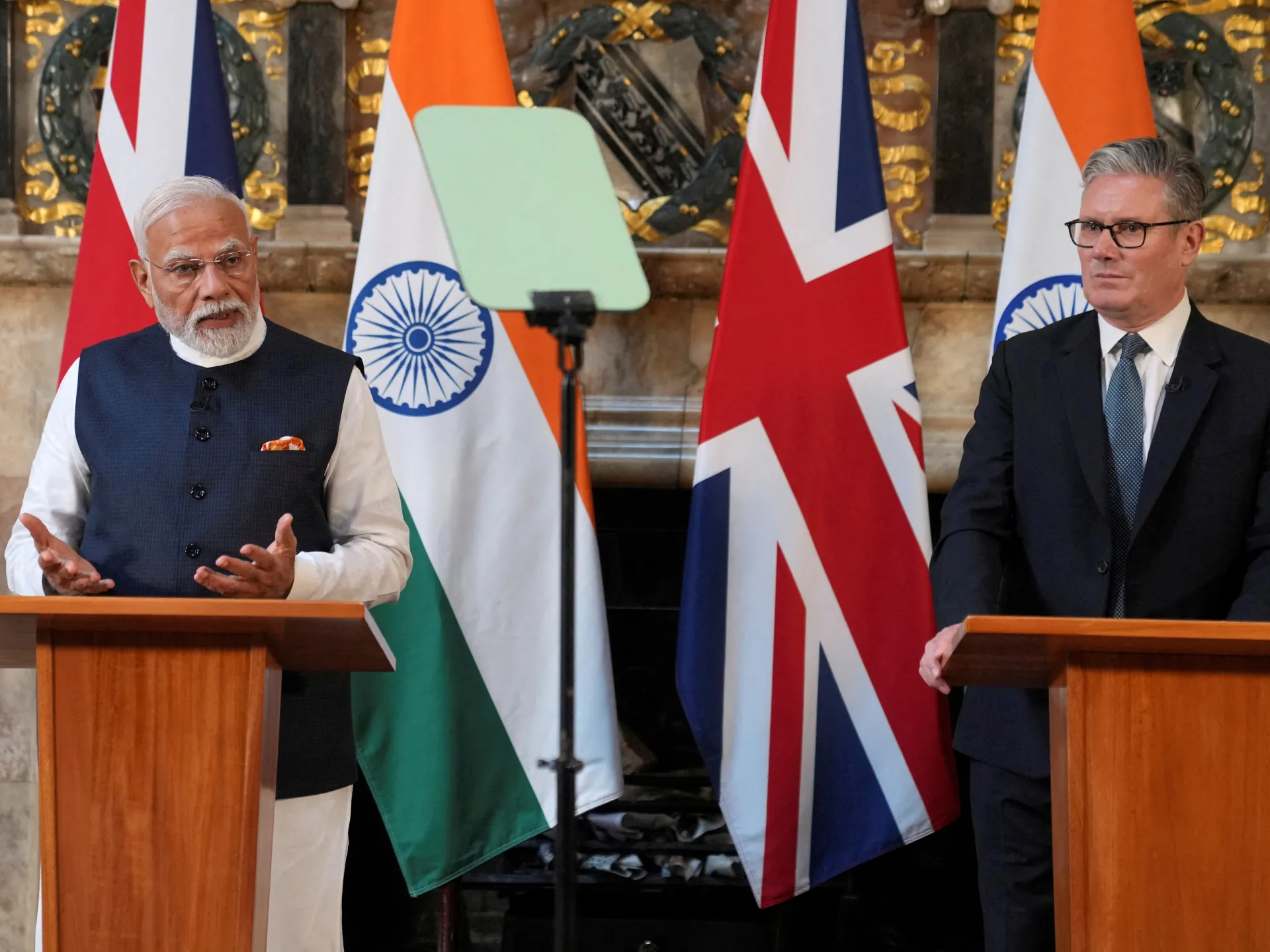
India and the UK will open a new chapter in their partnership when the India-UK Comprehensive Economic and Trade Agreement (CETA) comes into effect on July 15. The agreement goes well beyond tariff cuts to weave together trade, investment, mobility and regulatory cooperation between two services-driven economies.For me, the date has a special resonance. Having had the privilege of working on some of the chapters of this FTA, I have seen at close quarters how technical arguments, domestic sensitivities and commercial ambitions are painstakingly reconciled. Watching that process now translate into real opportunities for businesses and professionals in both countries is deeply satisfying.CETA stands out in India’s FTA landscape for both its breadth and its pace. It is among India’s most comprehensive agreements with a developed economy, addressing goods, services, investment, digital trade, intellectual property, government procurement, standards and regulatory cooperation in a single framework.In goods, the agreement delivers deep tariff liberalisation while remaining aligned with India’s developmental priorities. Indian exporters gain duty-free or highly preferential access into the UK for most product lines, including labour-intensive sectors such as textiles, leather, marine products, gems and jewellery, toys and engineering goods. At the same time, India has carved out space for sensitive areas, particularly in agriculture and dairy, ensuring that openness does not come at the cost of livelihood security.For UK exports, the agreement provides a clear, phased roadmap of tariff reductions in sectors such as Scotch whisky and automobiles, often with tariff-rate quotas and transition periods. This avoids sudden disruptions while still creating commercially meaningful opportunities, reflecting a mature recognition on both sides that political realities must be managed even as ambition is pursued.A distinctive element is the parallel entry into force of a social security arrangement often referred to as the “double contribution” convention. For many Indian professionals in the UK and UK nationals in India, this will significantly reduce the burden of mandatory contributions to two systems for the same period of work.The ‘firsts’ in the dealSeveral provisions of CETA break new ground for India. One of the most noteworthy is the dedicated chapter on women and gender. It seeks to ensure that the benefits of trade reach women entrepreneurs, workers and artisans by focusing on improved access to markets, finance and capacity-building for women-led enterprises. In a context where female workforce participation has room to grow, it signals a conscious effort to make trade policy support inclusive growth.CETA is also among India’s most forward-leaning agreements on digital and regulatory cooperation with an advanced economy. While preserving India’s ability to regulate in the public interest and manage data flows prudently, the agreement advances disciplines on digital facilitation, paperless trade and cooperation around emerging technologies. For businesses, this will matter as much as tariff cuts in determining the ease of participating in modern value chains.How Indian industry stands to benefitFor Indian industry, the gains from CETA are both direct and strategic. Manufacturers in sectors such as textiles and apparel, leather, engineering goods, chemicals, auto components and processed foods will see improved price competitiveness in the UK market.MSMEs should benefit from simpler customs procedures, trade facilitation measures and greater cooperation on standards and conformity assessment. With targeted outreach and advisory support, CETA can help many first-time exporters take their initial steps into a sophisticated market.The services story may be even more important over the medium term. Indian IT, professional services, healthcare and education providers will gain from more predictable market access and mobility regimes, as well as improved recognition of qualifications in selected fields. Combined with the social security arrangement, this enhances the attractiveness of cross-border assignments and supports the aspirations of India’s young, skilled workforce.Provisions on intellectual property and geographical indications can support India’s innovation and creative economy. Stronger recognition for GI-tagged products — whether teas, spices, textiles or handicrafts — can help traditional producers secure higher value in the UK, while cooperation in research-intensive sectors opens doors for start-ups and R&D-driven firms.A personal noteFor those of us who have been part of this journey, CETA is much more than a treaty number and a set of schedules. It represents thousands of hours spent aligning domestic industry expectations with negotiating mandates, debating language line by line, and explaining complex compromises to multiple stakeholders.In several chapters, the core questions were always the same: how to open markets without undermining vulnerable sectors; how to harness digital trade while protecting citizens’ interests; and how to ensure that MSMEs and women-led enterprises actually benefit. No FTA answers these questions perfectly, but CETA is a serious effort to put them at the centre of policy design.As July 15 approaches, the focus will shift from negotiation to implementation. The true measure of success will lie in how many new exporters emerge, how many professionals and students access new opportunities, and how many small firms and artisans feel a tangible difference in their prospects.For India, CETA is a confident step in a changing global trade architecture; for me personally, it is a reminder that patient, detailed work behind the scenes can, in time, expand horizons for industry and for the wider economy.The writer is Secretary General, FICCIPublished on July 14, 2026
India-UK CETA stands out for both its breadth and pace
The agreement goes beyond tariff cuts and weaves together trade, investment, mobility and regulatory cooperation between two nations
855 words~4 min read