Trump refuses to sign the bipartisan housing bill containing a four-year CBDC ban, demanding Congress pass voter ID legislation first. Here's what it means

The legislation does not have enough support in the Senate to pass.

President Donald Trump has chosen not to sign a sweeping housing affordability bill on Friday, in protest of Congress not approving a strict voter ID bill that does not have…
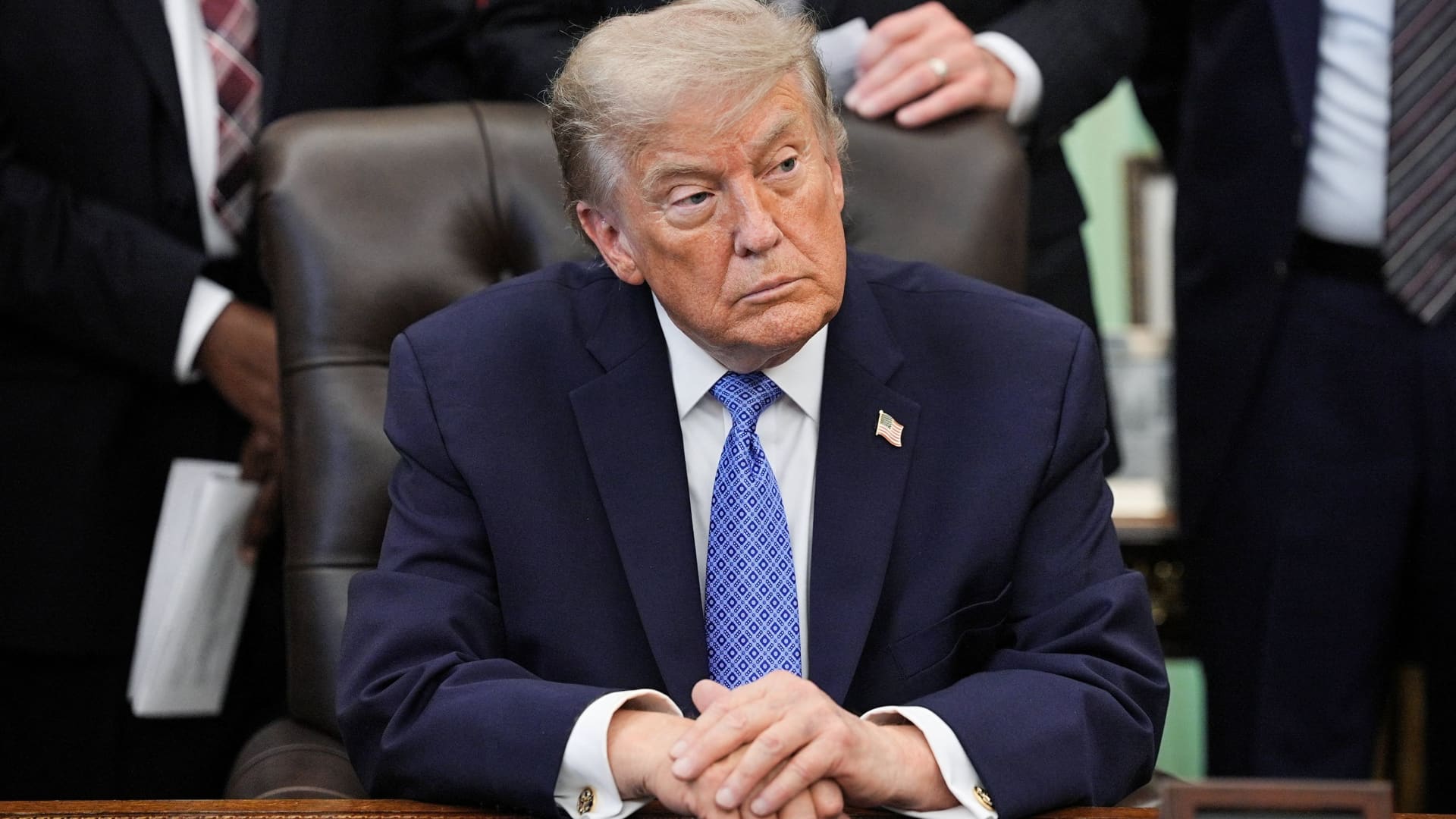
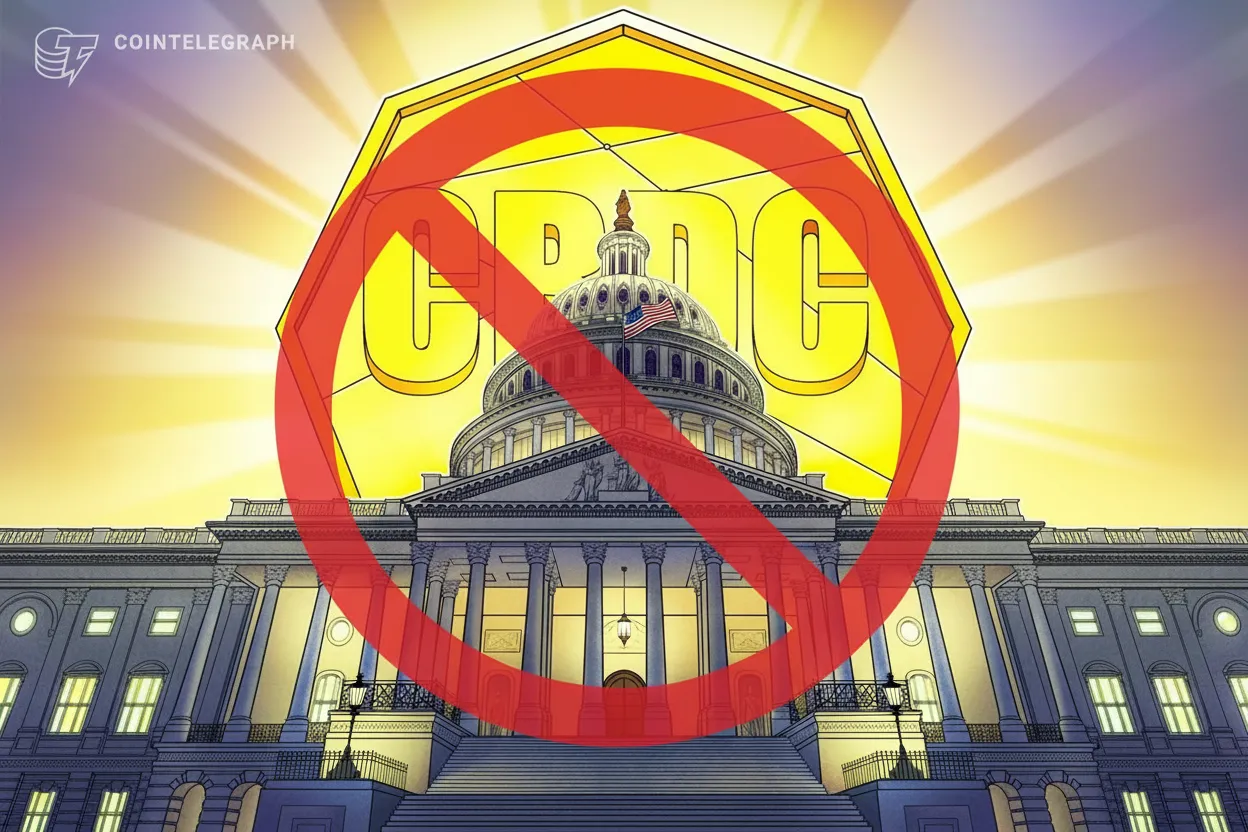
Unless President Trump vetoes the bill, it will become law at midnight, banning the Federal Reserve from developing a CBDC until 2031.

Congress passed the bill that aims to address the costs of homes and rein in institutional investors with strong bipartisan support in June.

Trump refuses to sign the bipartisan housing bill containing a four-year CBDC ban, demanding Congress pass voter ID legislation first. Here's what it means

The housing bill can still become law overnight Friday without the president's signature.

President demands action on anti-voting bill that has no chance of making it through Senate

The housing legislation will become US law at midnight with or without President Donald Trump's signature.

Trump’s decision not to sign the bill gave Democrats an opening to criticize him on the issue of affordability: "His priorities couldn’t be clearer."

Trump reiterated that he won’t sign the sweeping housing package “in protest” over the fact that Congress hasn’t passed the SAVE America Act.

Despite President Donald Trump's refusal to sign Congress' bipartisan housing bill, it's set to go into effect at midnight, and its temporary CBDC ban along with it.

Trump refuses to sign the 21st Century ROAD to Housing Act, letting it become law automatically while pressuring the Senate on voter ID legislation.

Trump refused to sign the 21st Century ROAD to Housing Act, allowing it to become law amid a dispute over the SAVE America Act.

The 21st Century ROAD to Housing Act, which includes a provision that bans the Fed from issuing a CBDC, has become law.