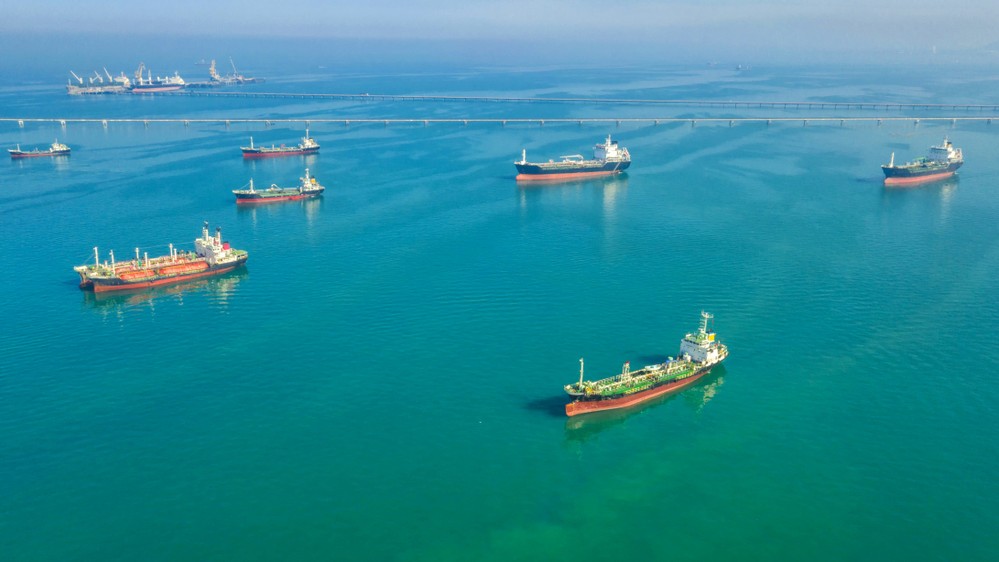
Renewed hostilities could undermine credibility of future ceasefires with long-term impact on global energy markets, inflation and risk premiums, analyst says.

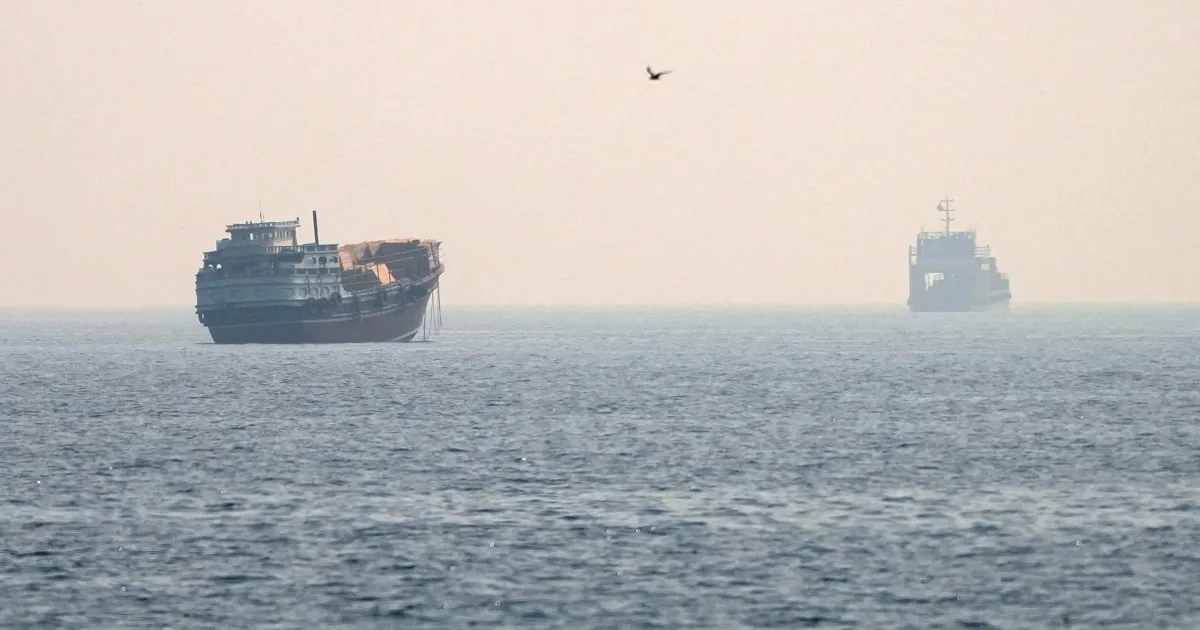
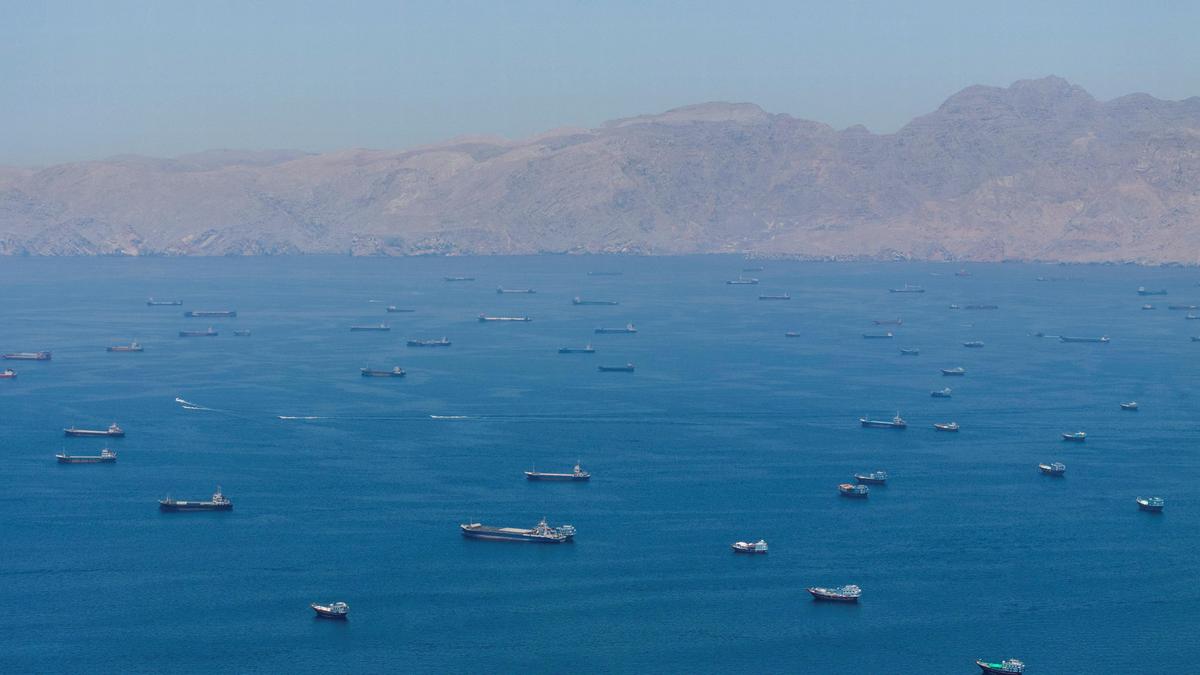
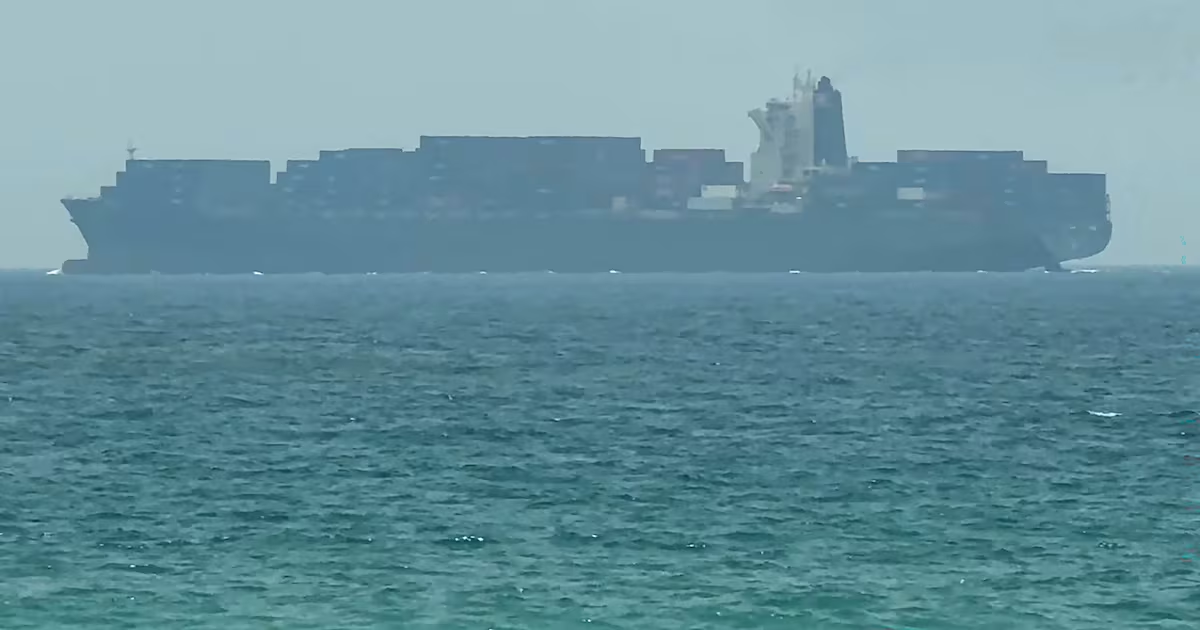
Despite renewed U.S.-Iran military exchanges, some tankers continue transiting the Strait of Hormuz while others delay or reverse course as security risks intensify.

Renewed U.S.-Iran military clashes have sharply reduced tanker traffic through the Strait of Hormuz, sending oil prices higher and renewing fears of supply disruptions.
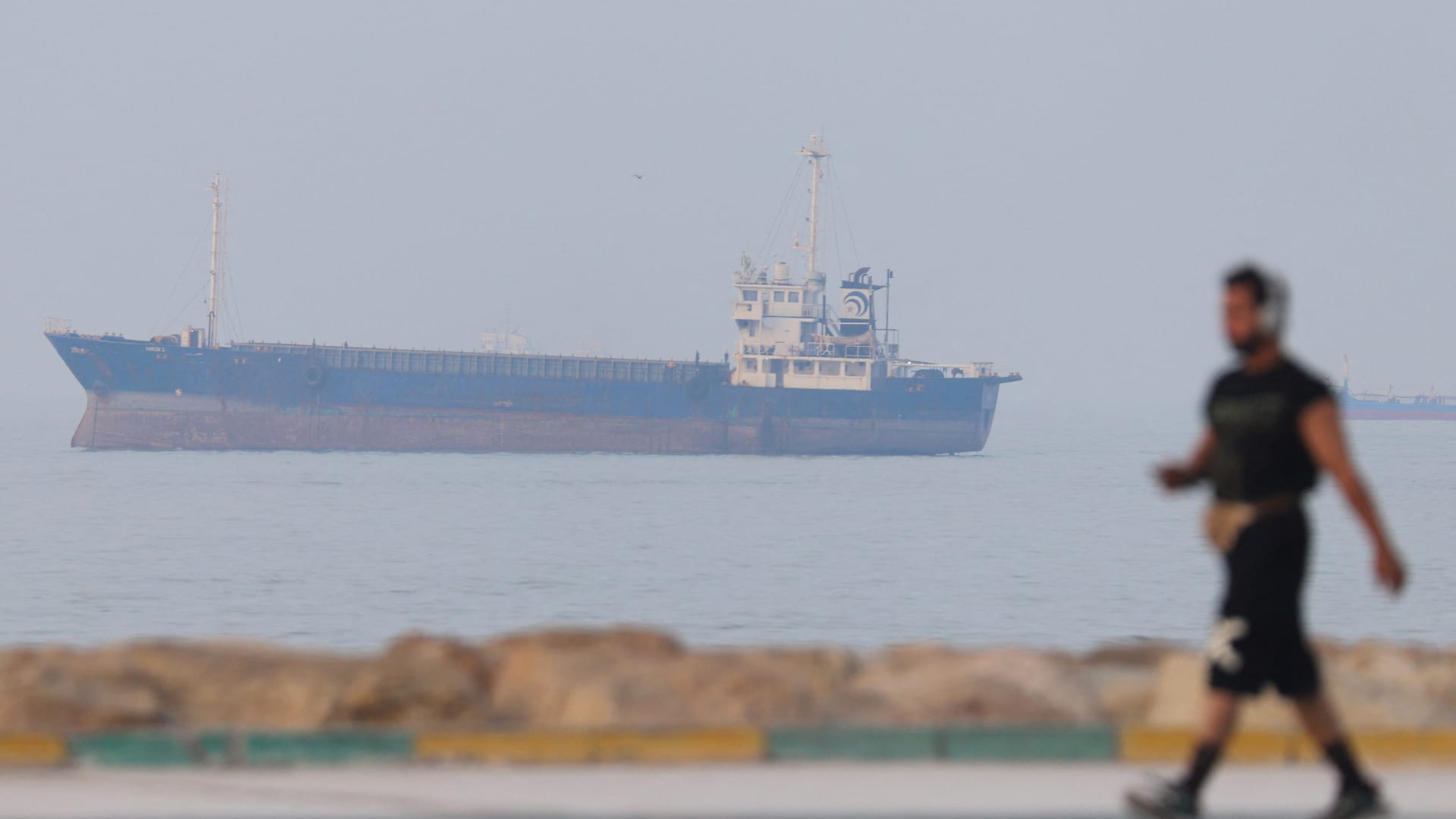
Oil has rallied more than 7% this week as investors worry that exports through Hormuz could plunge as the U.S. and Iran fight for control of the strait.

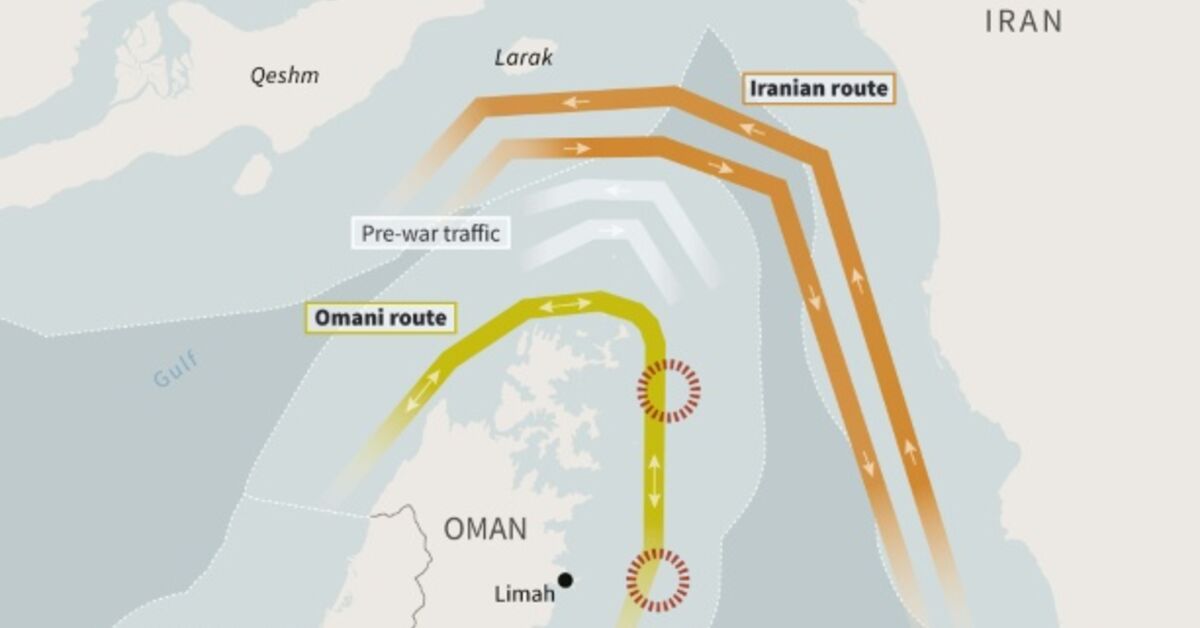
Traffic through the Strait of Hormuz has fallen sharply since Wednesday, especially through the UN-backed Omani route, analysts said, after vessels were attacked earlier this week…

Ship traffic traveling through the Strait of Hormuz has ground to a halt since Trump called the ceasefire between the U.S. and Iran "over."

Brent crude holds steady despite a plunge in traffic in the critical waterway.

Brent crude holds steady despite plunge in traffic in critical waterway.

The traffic slowdown comes after Iranian attacks on vessels prompted US strikes, while President Donald Trump declared that the ceasefire with Iran was over

Commercial shipping through the Strait of Hormuz has declined sharply following renewed military exchanges between the United States and Iran and recent attacks on commercial…

Renewed hostilities could undermine credibility of future ceasefires with long-term impact on global energy markets, inflation and risk premiums, analyst says.

By Ahmed Elimam and Eman AbouhassiraDUBAI, July 10 (Reuters) - Daily tanker traffic in the Strait of Hormuz appeared to have slowed on Friday, after the U.S. and Iran exchanged…