HomeAI · summaries
Storia in 4 fonti
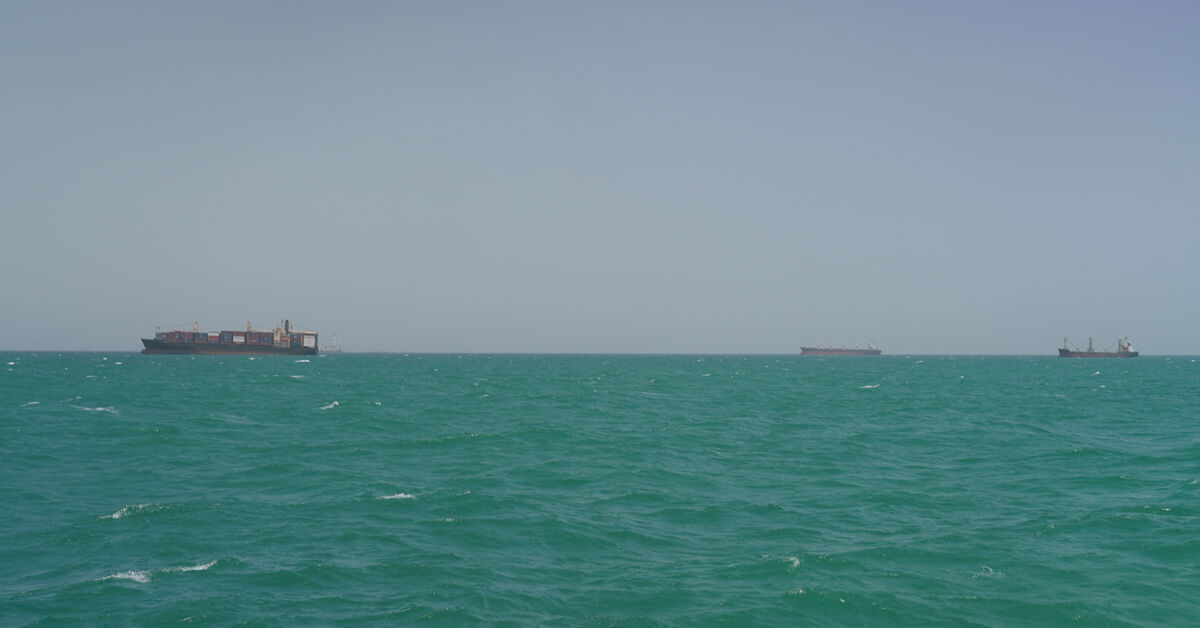
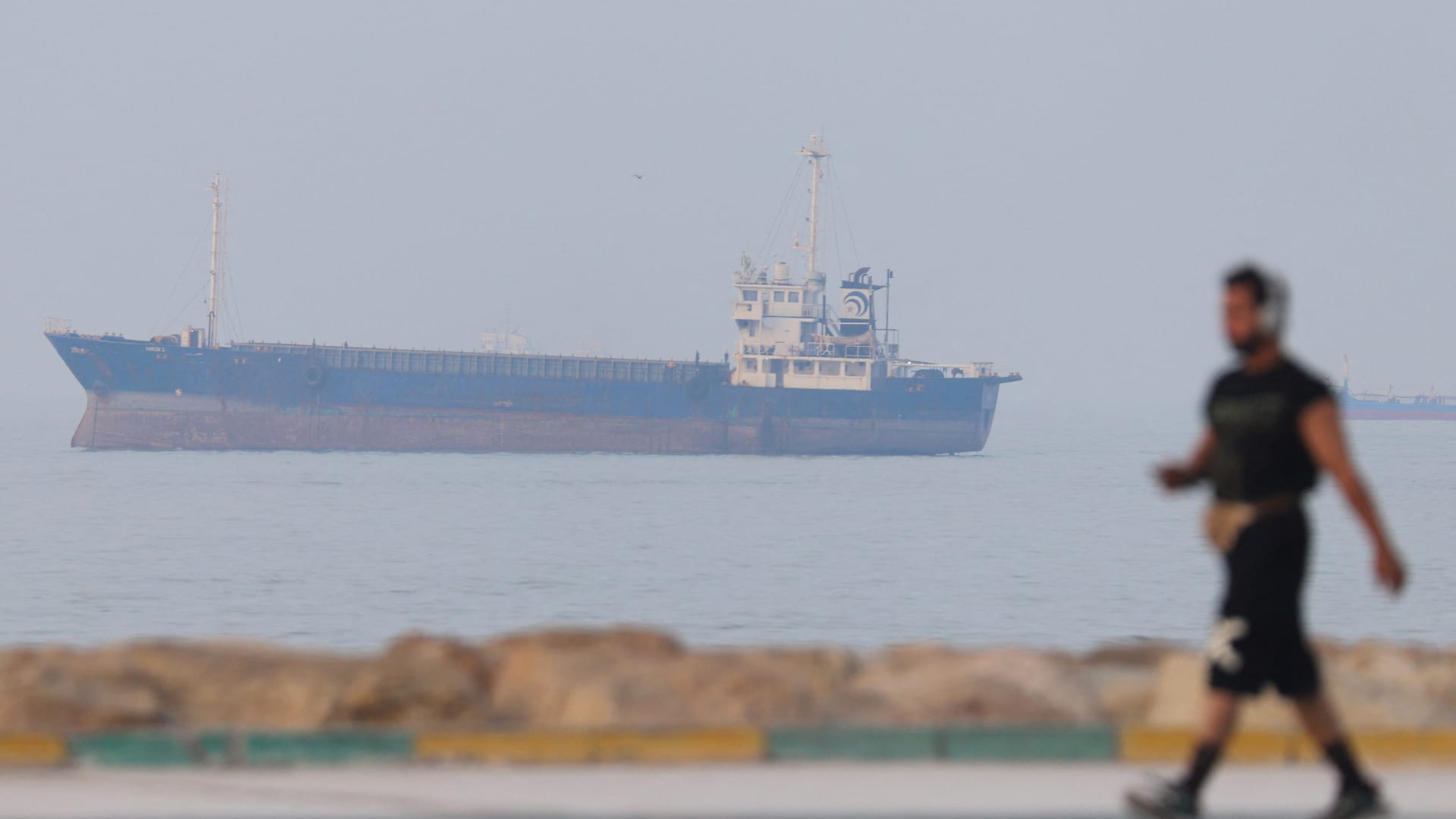
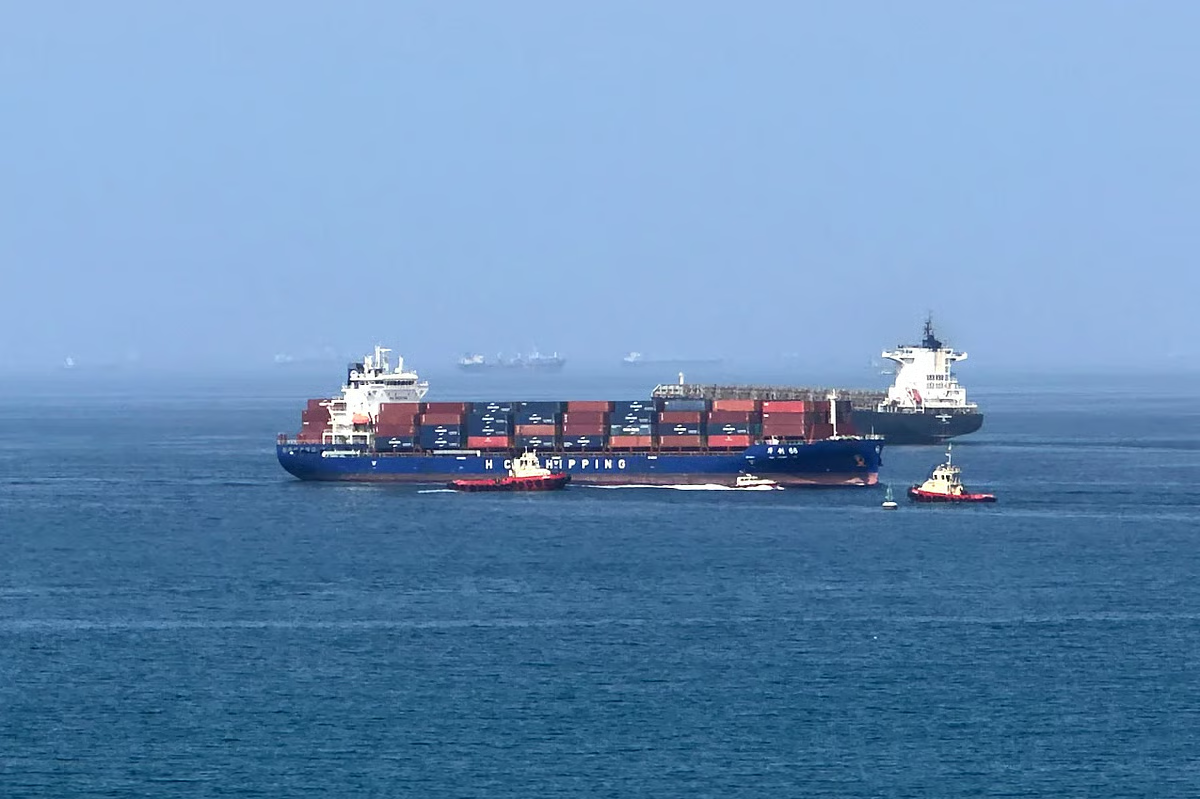
Tanker traffic through Strait of Hormuz slows after Iranian attacks trigger renewed fighting with U.S.
Oil has rallied more than 7% this week as investors worry that exports through Hormuz could plunge as the U.S. and Iran fight for control of the strait.
Confronto fonti
4 prospettive sulla stessa storiaTimeline cronologica
- ·
oilprice.com
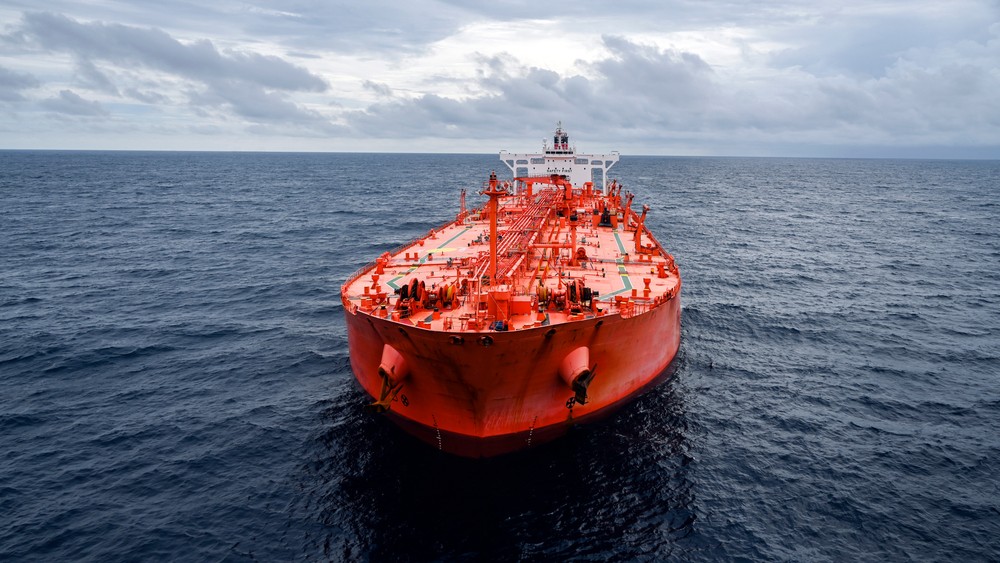
Oil Prices Surge 6% Even as Tankers Push Through Hormuz | OilPrice.com
Despite renewed U.S.-Iran military exchanges, some tankers continue transiting the Strait of Hormuz while others delay or reverse course as security risks intensify.
- ·
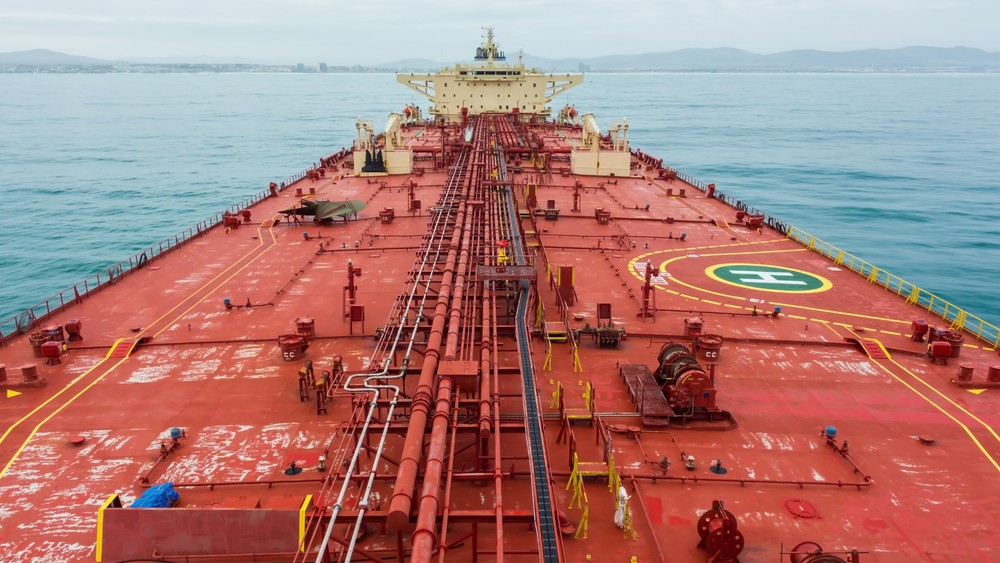
Hormuz Tanker Traffic Grinds to a Halt After U.S.-Iran Escalation | OilPrice.com
Renewed U.S.-Iran military clashes have sharply reduced tanker traffic through the Strait of Hormuz, sending oil prices higher and renewing fears of supply disruptions.