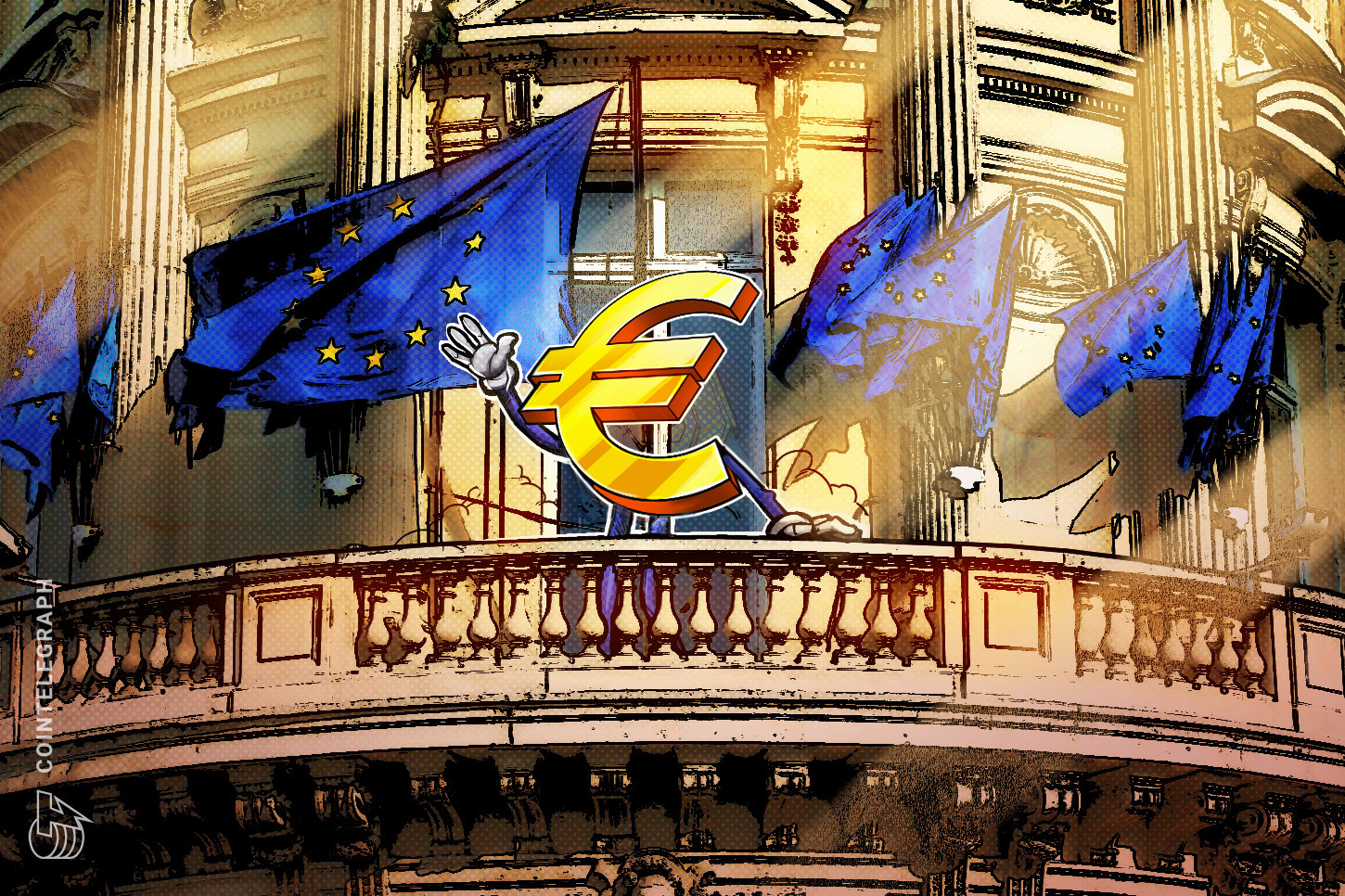
The EU is reviewing whether its landmark crypto regulation MiCA needs updating for a market reshaped by stablecoins and tokenization.

The European Banking Authority proposed strict new rules to fine non-compliant significant token issuers up to 12.5% of revenue under MiCA regulations.

European regulator ESMA called on unauthorized crypto-asset service providers to wind down their businesses in an orderly manner as the MiCA transitional period ends on July 1.

MiCA authorization data shows uneven rollout across EU and EEA jurisdictions with Germany leading approvals and five member states yet to issue licenses.

New MiCA regulations are forcing unlicensed firms to wind down, leaving up to 80% of Europe's current crypto platforms at risk of shutting down.

ESMA says EU crypto users must be served through a MiCA-authorized entity and points to Article 61's narrow reverse solicitation exemption.

ESMA orders unauthorized crypto firms to wind down EU operations before the July 1, 2026 MiCA deadline, with only 17-20% of providers fully licensed.

Dal 1° luglio 2026 il regolamento MiCA entra a regime: solo CASP autorizzati possono offrire servizi crypto. Cosa cambia in Italia e nell'UE

With the July 1 deadline now passed, how will the end of MiCA's final transition phase affect users, companies, and the market?

MiCA has cut Europe's 3,000 registered crypto firms to just 244 authorized providers. Barcelona-based Venga clears the bar as even Binance winds down EU services ahead of the…

The EU is reviewing whether its landmark crypto regulation MiCA needs updating for a market reshaped by stablecoins and tokenization.

Regulators issued a slew of last-minute licenses in EU member states as MiCA’s transitional period came to an end on Wednesday for cryptocurrency firms.

MiCA was never meant to address the giant crypto derivatives market. That could pose a serious problem, says Patrick Gruhn, founder and chief executive of Perpetuals.com.

As the EU's MiCA deadline takes effect, only 8% of firms have secured licenses. Michael Stroev explains why the rule is shrinking the market.