WARPTECHNEWS · LAB
HomeAIBusinessTechArchive
WARPTECH LAB NEWS

Warptech Lab News aggrega le notizie più rilevanti da oltre 700 fonti internazionali, con classificazione AI, TL;DR sintetici e timeline cluster su singole storie.

Navigazione

  • Home
  • Archivio
  • Editor's Brief
  • Cerca
  • Il tuo account
  • Newsletter tech/AI

Informazioni legali

  • Privacy Policy
  • Termini di servizio
  • Cookie Policy

© 2026 Sparktech S.R.L. — Tutti i diritti riservati. Sito gestito e manutenuto da Sparktech S.R.L.

Sede legale: Corso Libertà 55, 13100 Vercelli (VC), Italia · P.IVA / C.F. 02835910023 · Contatti: admin@warptechlab.com

Home
Storia in 5 fonti

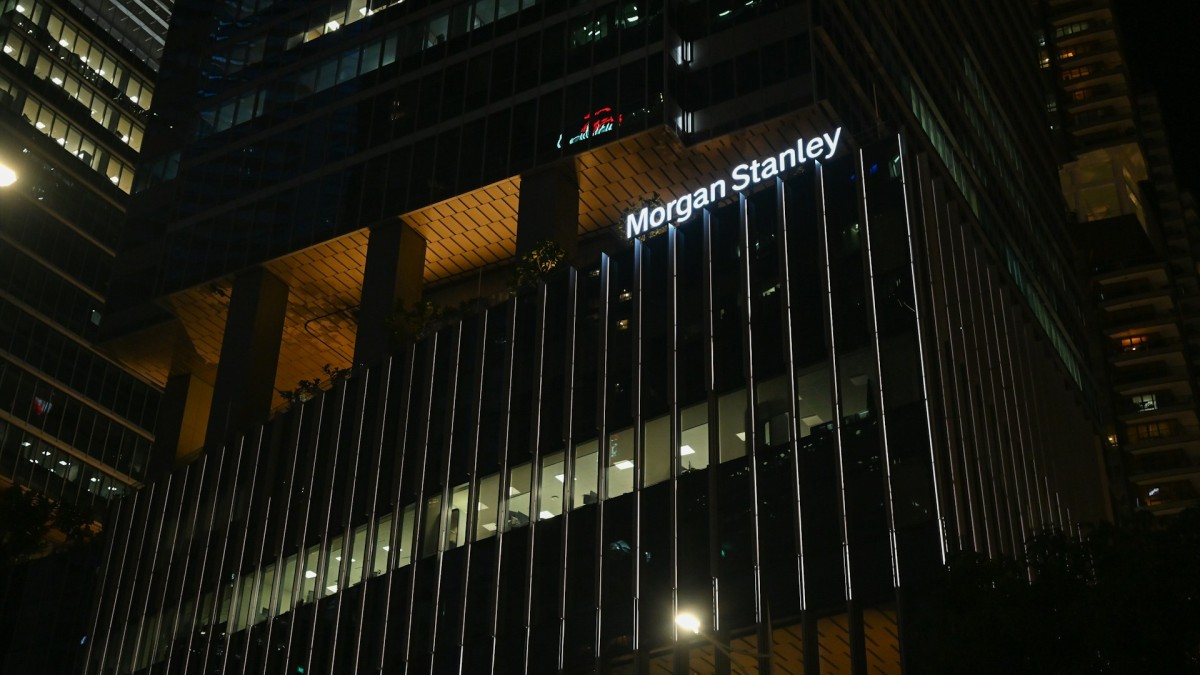
Morgan Stanley cuts oil price forecasts amid supply and demand shifts

Morgan Stanley cut its Dated Brent forecast to $90 for Q3 2026 and $80 for Q4, citing faster Strait of Hormuz supply recovery and weak Chinese demand.


Raccontata daeconomictimes.indiatimes.comfinancialpost.comcryptobriefing.comoilprice.combenzinga.com

Confronto fonti

5 prospettive sulla stessa storia
AI · summaries
cryptobriefing.comStai leggendo1 g fa

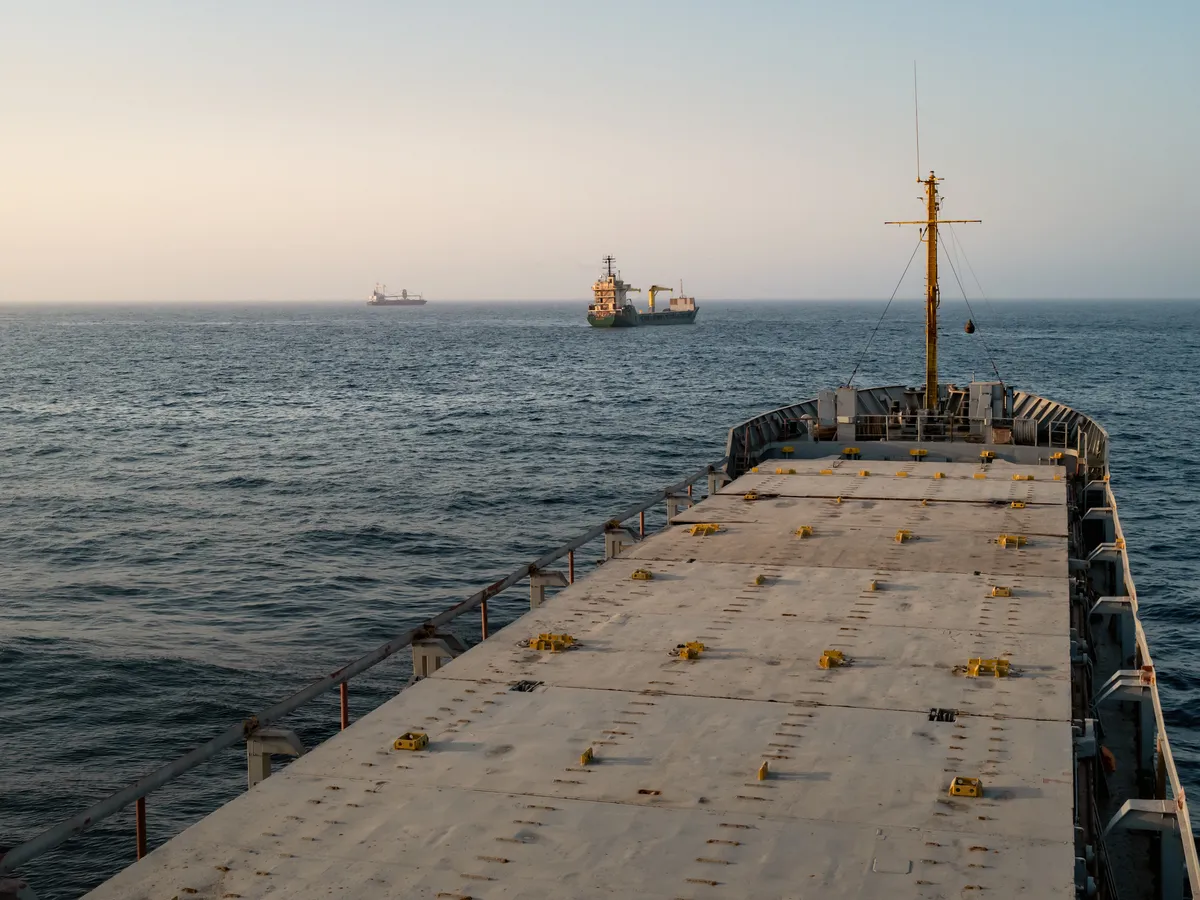
Morgan Stanley cuts oil price forecasts amid supply and demand shifts

Morgan Stanley cut its Dated Brent forecast to $90 for Q3 2026 and $80 for Q4, citing faster Strait of Hormuz supply recovery and weak Chinese demand.
originale
oilprice.com1 g fa

Morgan Stanley Cuts Brent Forecast to $75 a Barrel | OilPrice.com

Morgan Stanley slashed its Brent oil forecast to $75 a barrel, citing a looming supply glut as Strait of Hormuz traffic recovers faster than expected.

Leggi questa versione → originale
benzinga.com1 g fa

Morgan Stanley Cuts Oil Price Forecast As Strait Of Hormuz Traffic Rebounds Faster Than Expected - Morgan

Morgan Stanley cuts its oil price forecast as Strait of Hormuz tanker traffic rebounds faster than expected.

Leggi questa versione → originale
financialpost.com1 g fa

Morgan Stanley warns of oil glut and cuts forecasts on Hormuz

Morgan Stanley cut oil forecasts for the second time in two weeks as flows through the Strait of Hormuz return faster than expected. Read on

Leggi questa versione → originale
economictimes.indiatimes.com4 g fa

Oil prices dive as more tankers move through Strait of Hormuz

Crude oil prices experienced a significant drop, heading for steep weekly losses as tanker traffic through the Strait of Hormuz increased, easing supply worries. This comes after a cargo vessel was struck near Oman,…

Leggi questa versione → originale

Timeline cronologica

  1. sabato 27 giugno 2026·economictimes.indiatimes.com

    Oil prices dive as more tankers move through Strait of Hormuz

    Crude oil prices experienced a significant drop, heading for steep weekly losses as tanker traffic through the Strait of Hormuz increased, easing supply worries. This comes after…

  2. martedì 30 giugno 2026·financialpost.com

    Morgan Stanley warns of oil glut and cuts forecasts on Hormuz

    Morgan Stanley cut oil forecasts for the second time in two weeks as flows through the Strait of Hormuz return faster than expected. Read on

  3. martedì 30 giugno 2026·cryptobriefing.com

    Morgan Stanley cuts oil price forecasts amid supply and demand shifts

    Morgan Stanley cut its Dated Brent forecast to $90 for Q3 2026 and $80 for Q4, citing faster Strait of Hormuz supply recovery and weak Chinese demand.

  4. martedì 30 giugno 2026·oilprice.com

    Morgan Stanley Cuts Brent Forecast to $75 a Barrel | OilPrice.com

    Morgan Stanley slashed its Brent oil forecast to $75 a barrel, citing a looming supply glut as Strait of Hormuz traffic recovers faster than expected.

  5. martedì 30 giugno 2026·benzinga.com

    Morgan Stanley Cuts Oil Price Forecast As Strait Of Hormuz Traffic Rebounds Faster Than Expected - Morgan

    Morgan Stanley cuts its oil price forecast as Strait of Hormuz tanker traffic rebounds faster than expected.

  6. mercoledì 1 luglio 2026·cryptobriefing.com

    Goldman Sachs forecasts return to oversupply in global oil market

    Goldman Sachs cuts Q4 2026 Brent crude forecast to $80 from $90 as Iran tensions ease and non-OPEC supply growth creates an oversupply outlook.