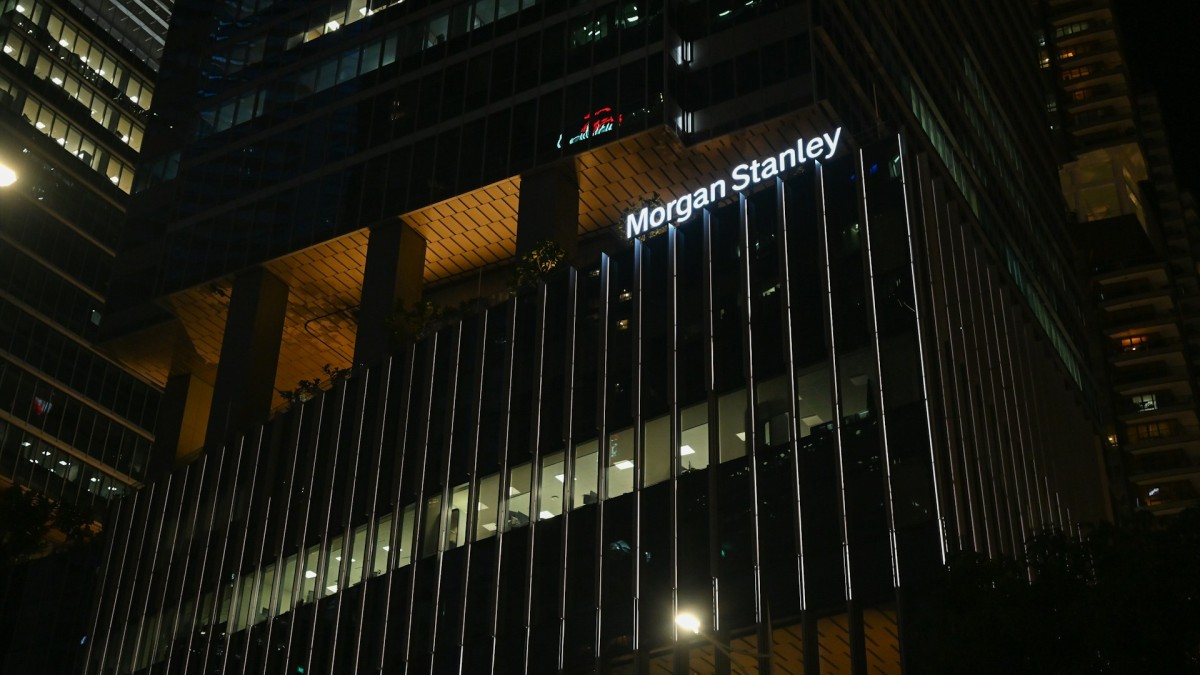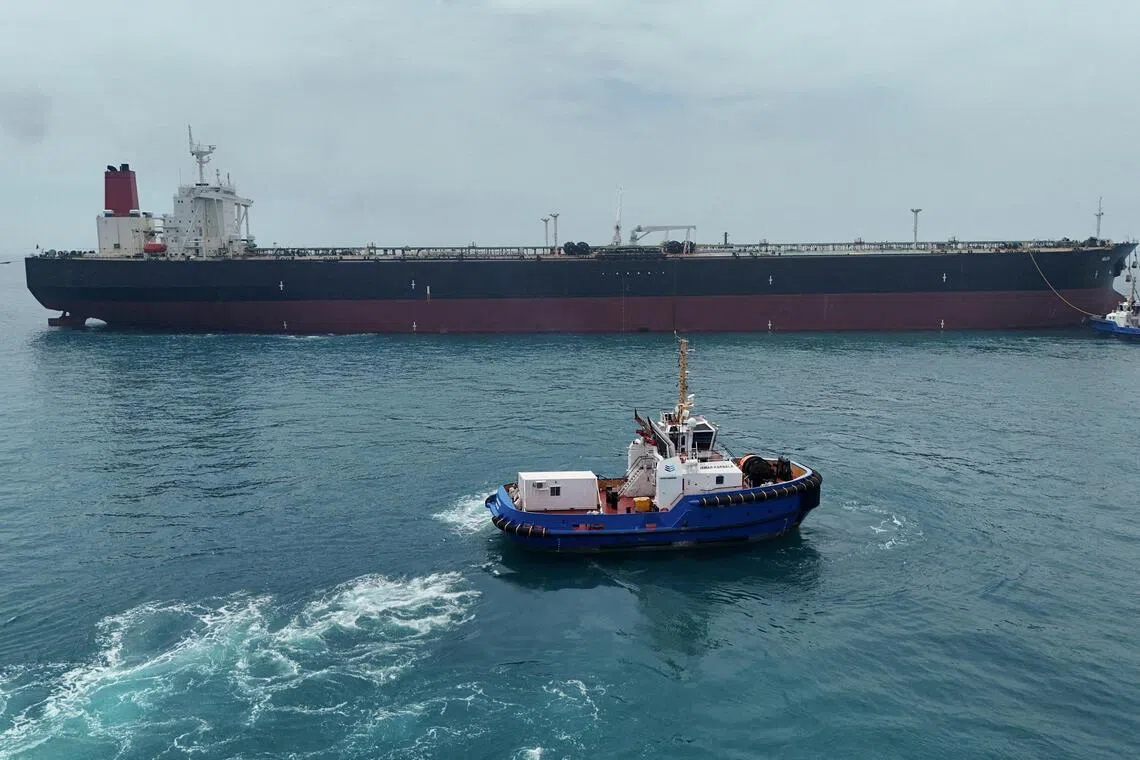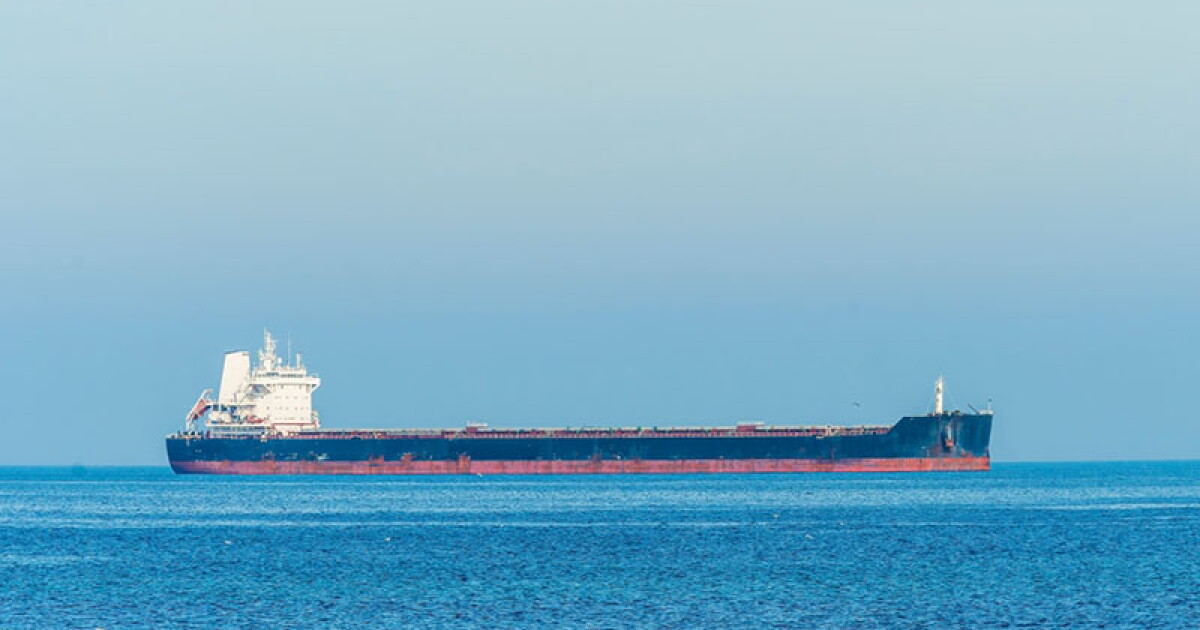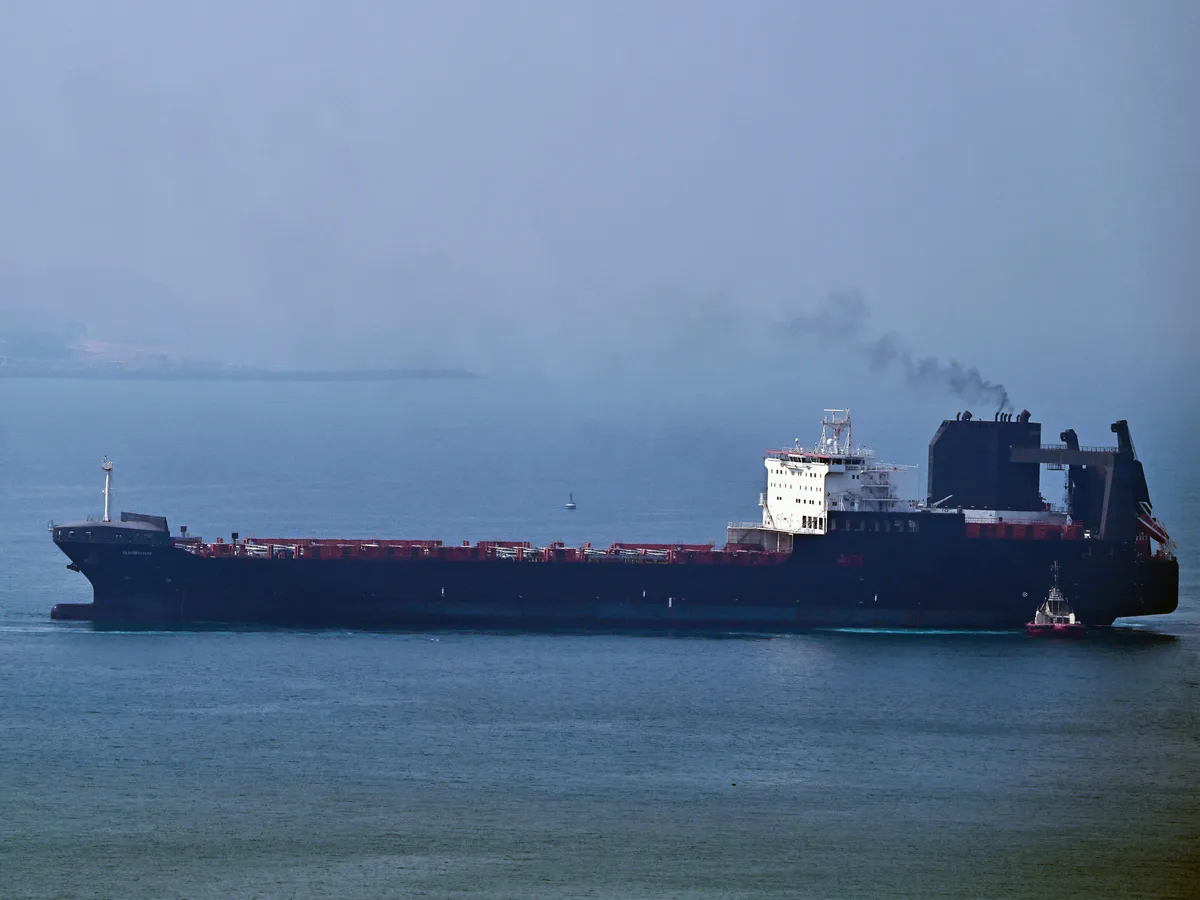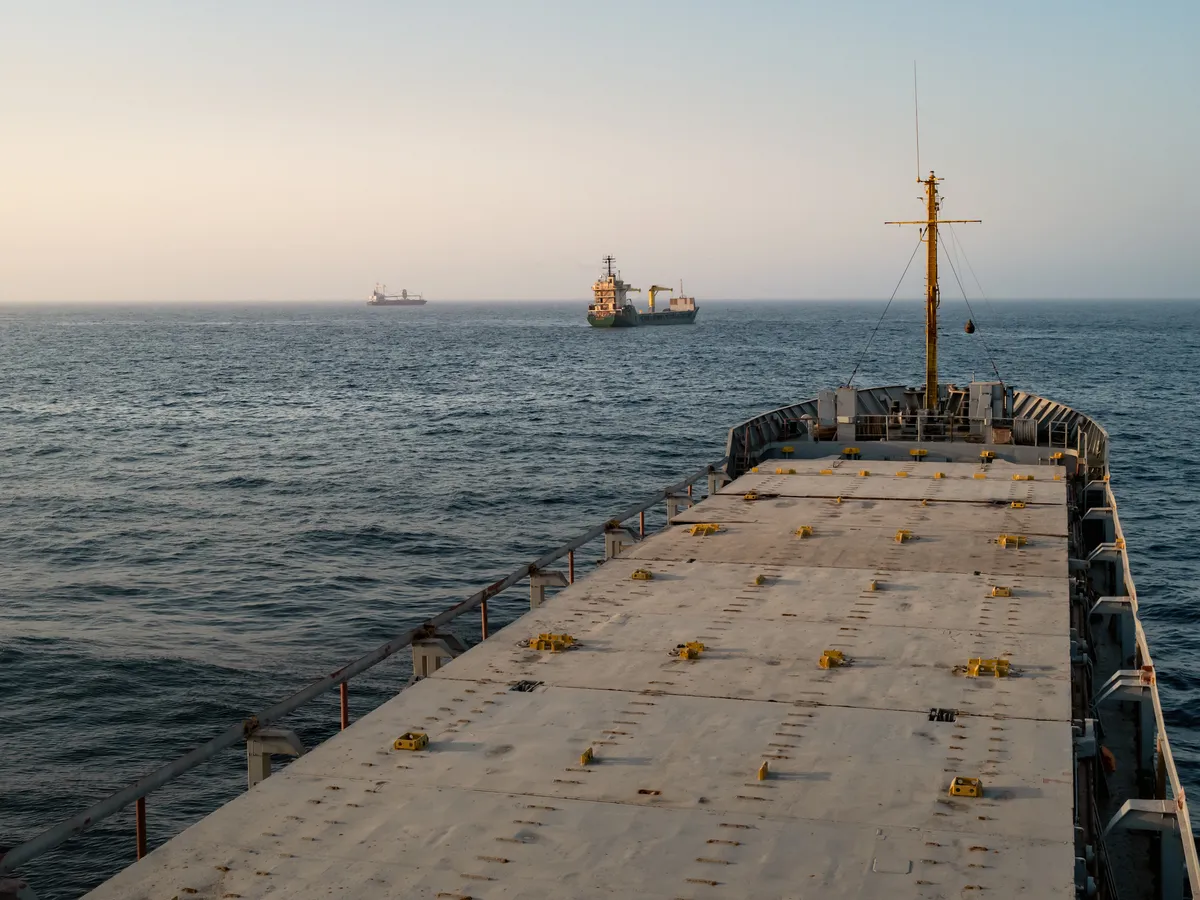
Skip to Content News Archives Economy Energy Oil & Gas Renewables Electric Vehicles Mining Commodities Agriculture Real Estate Mortgages Mortgage Rates Finance Banking Insurance Fintech Cryptocurrency Work Wealth Smart Money Wealth Management Investor Personal Finance Family Finance Retirement Taxes High Net Worth FP Comment Executive Women Puzzmo Newsletters Financial Times Business Essentials More Innovation Information Technology FP500 Podcasts Small Business Lives Told Tails Told Shopping Financial Post Store Obituaries Place a Notice Advertising Advertising With Us Advertising Solutions Postmedia Ad Manager Sponsorship Requests Classifieds Place a Classifieds ad Working Profile Settings My Subscriptions Saved Articles My Offers Newsletters Customer Service FAQ News Economy Energy Mining Real Estate Finance Work Wealth Investor FP Comment Executive Women Puzzmo Newsletters Financial Times Business Essentials HomeOil & GasNewsMorgan Stanley warns of oil glut and cuts forecasts on HormuzBrent futures — the global benchmark — have collapsed about 30 per cent this quarterAuthor of the article:Last updated 13 minutes ago You can save this article by registering for free here. Or sign-in if you have an account.Morgan Stanley said it counted 35 oil and gas tankers exiting the Persian Gulf through the strait on Thursday, the first time the level returned to the 30-to-40 range typical before the conflict started Photo by Elke Scholiers/Getty ImagesMorgan Stanley cut oil forecasts for the second time in about two weeks as flows through the Strait of Hormuz return faster than expected, while strong United States supply and weak Chinese demand raise the risk of a glut.Subscribe now to read the latest news in your city and across Canada.Exclusive articles from Barbara Shecter, Joe O'Connor, Gabriel Friedman, and others.Daily content from Financial Times, the world's leading global business publication.Unlimited online access to read articles from Financial Post, National Post and 15 news sites across Canada with one account.National Post ePaper, an electronic replica of the print edition to view on any device, share and comment on.Daily puzzles, including the New York Times Crossword.Subscribe now to read the latest news in your city and across Canada.Exclusive articles from Barbara Shecter, Joe O'Connor, Gabriel Friedman and others.Daily content from Financial Times, the world's leading global business publication.Unlimited online access to read articles from Financial Post, National Post and 15 news sites across Canada with one account.National Post ePaper, an electronic replica of the print edition to view on any device, share and comment on.Daily puzzles, including the New York Times Crossword.Create an account or sign in to continue with your reading experience.Access articles from across Canada with one account.Share your thoughts and join the conversation in the comments.Enjoy additional articles per month.Get email updates from your favourite authors.Create an account or sign in to continue with your reading experience.Access articles from across Canada with one accountShare your thoughts and join the conversation in the commentsEnjoy additional articles per monthGet email updates from your favourite authorsSign In or Create an AccountorDated Brent — a benchmark for physical transactions — is expected to average US$75 a barrel in the third and fourth quarters, down US$15 and US$5 respectively, analysts including Martijn Rats said in a note. Outlooks for all four quarters next year were also cut, with Dated seen at US$70 at the end of 2027.“The Strait is reopening faster than expected, yet the ‘twin solvers’ of high U.S. exports and low Chinese imports remain in place,” they said in the note, which followed an earlier round of reductions in a mid-June report. “As attention turns to 2027, the market has come full circle – back to surplus.”Breaking business news, incisive views, must-reads and market signals. Weekdays by 9 a.m.By signing up you consent to receive the above newsletter from Postmedia Network Inc.A welcome email is on its way. If you don't see it, please check your junk folder.The next issue of Posthaste will soon be in your inbox.We encountered an issue signing you up. Please try againBrent futures — the global benchmark — have collapsed about 30 per cent this quarter as the U.S. and Iran reached an interim peace that’s allowed some traffic through Hormuz to resume. The rapid shift has prompted analysts to revisit their forecasts, with Goldman Sachs Group Inc. also paring its outlook.While traffic in the chokepoint had slowed over the weekend after two ships were hit, it has since picked up, adding to indications tanker companies are willing to navigate Hormuz. That’s a critical step toward returning the market to normal and unlocking millions of barrels of supplies.Morgan Stanley said it counted 35 oil and gas tankers exiting the Persian Gulf through the strait on Thursday — the first time the level returned to the 30-to-40 range typical before the conflict started in February. To balance the oil market in 2027, flows through Hormuz need to recover to only about 65 per cent of the pre-conflict level, or about 11-to-12 million barrels a day, the bank said. Pipelines at the Shirashima National Petroleum Stockpiling Base in Kitakyushu, Japan. Photographer: Kiyoshi Ota/BloombergBrent futures, which rose to a peak above $126 in April, have shed their war-time gains as Iran and the U.S. continue talks aimed at permanently ending the war. The most-active September contract was at US$73.41 on Tuesday.Morgan Stanley pointed to a host of signs of near-term looseness. These included a bearish contango pricing pattern for oil futures, characterized by the prompt contract trading at a discount to the next in sequence, as well as some physical differentials that have been “marked to distress”.“Strip away the narrative for a moment and read only the prices,” the analysts said. “They describe a market that has weakened across the board.” Join the Conversation This website uses cookies to personalize your content (including ads), and allows us to analyze our traffic. Read more about cookies here. By continuing to use our site, you agree to our Terms of Use and Privacy Policy.
Morgan Stanley warns of oil glut and cuts forecasts on Hormuz
Morgan Stanley cut oil forecasts for the second time in two weeks as flows through the Strait of Hormuz return faster than expected. Read on
972 words~4 min read