HomeAI · summaries
Storia in 6 fonti
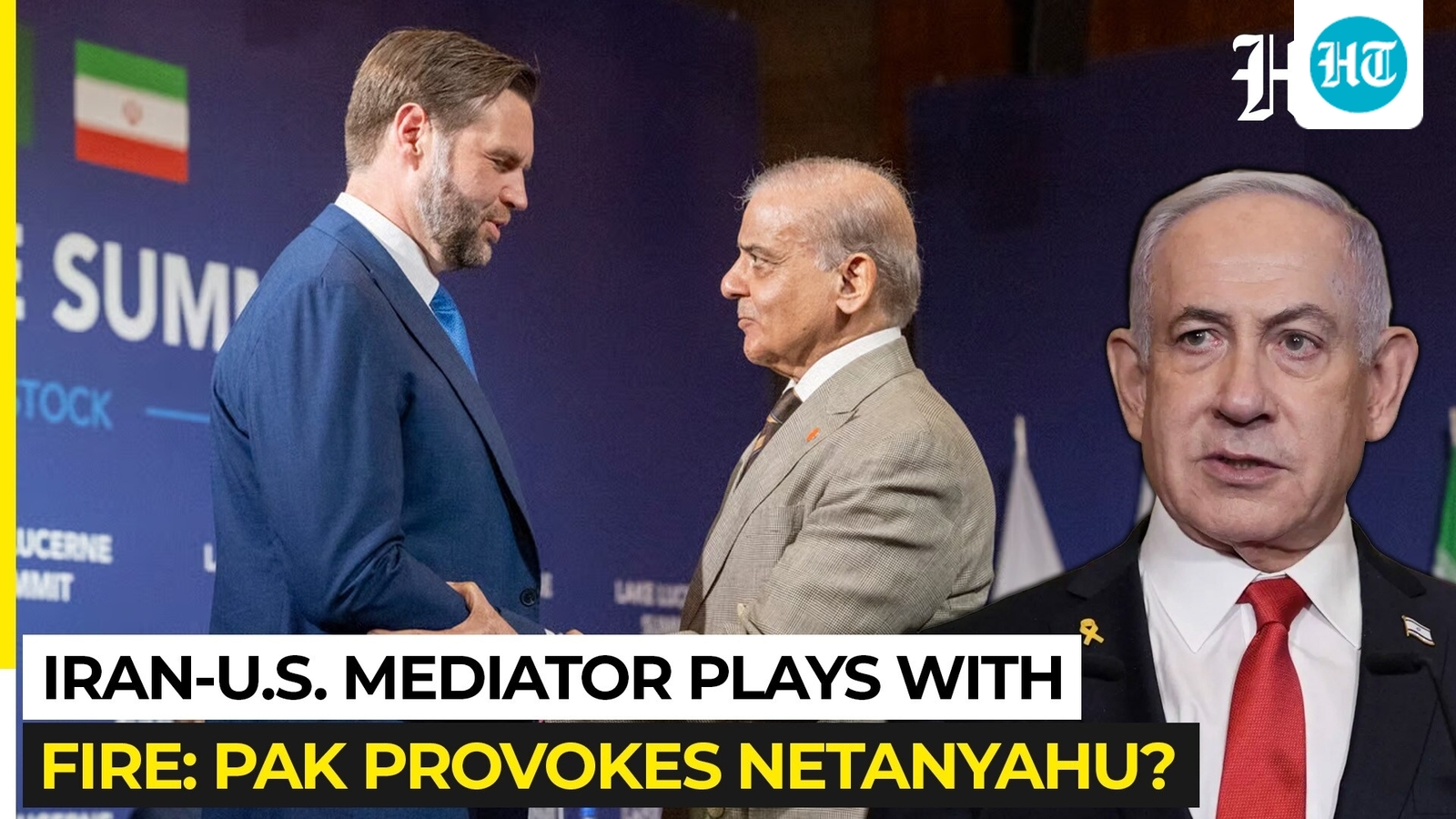
Iran-US mediator plays with fire as Pakistan targets Bibi after Iran secures Lebanon truce cell?
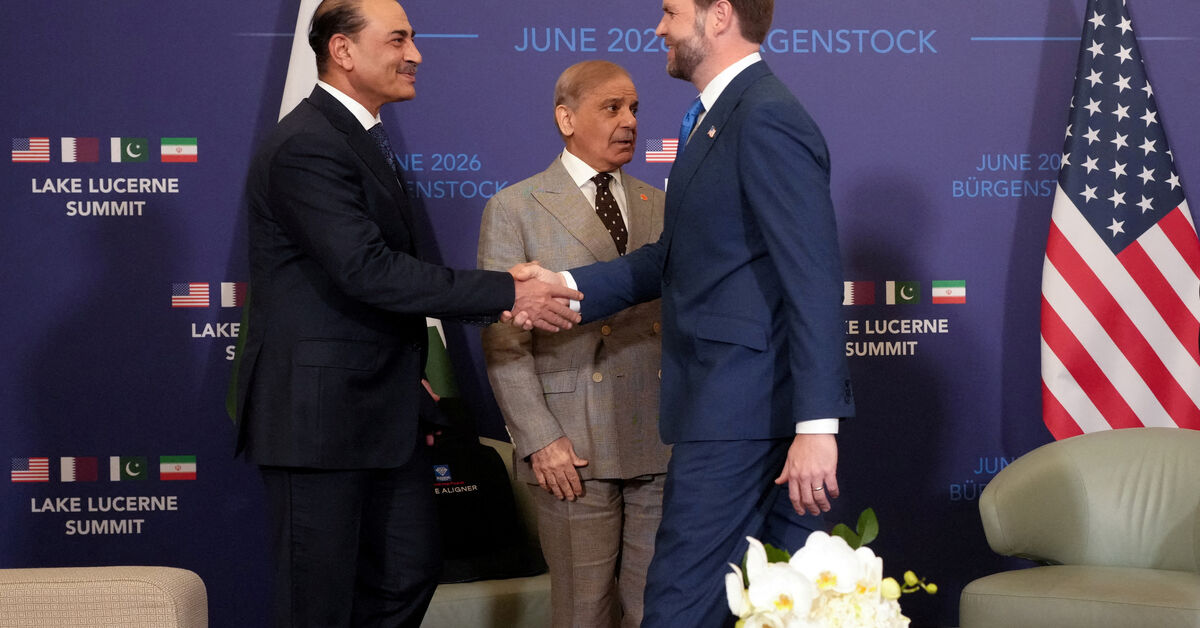
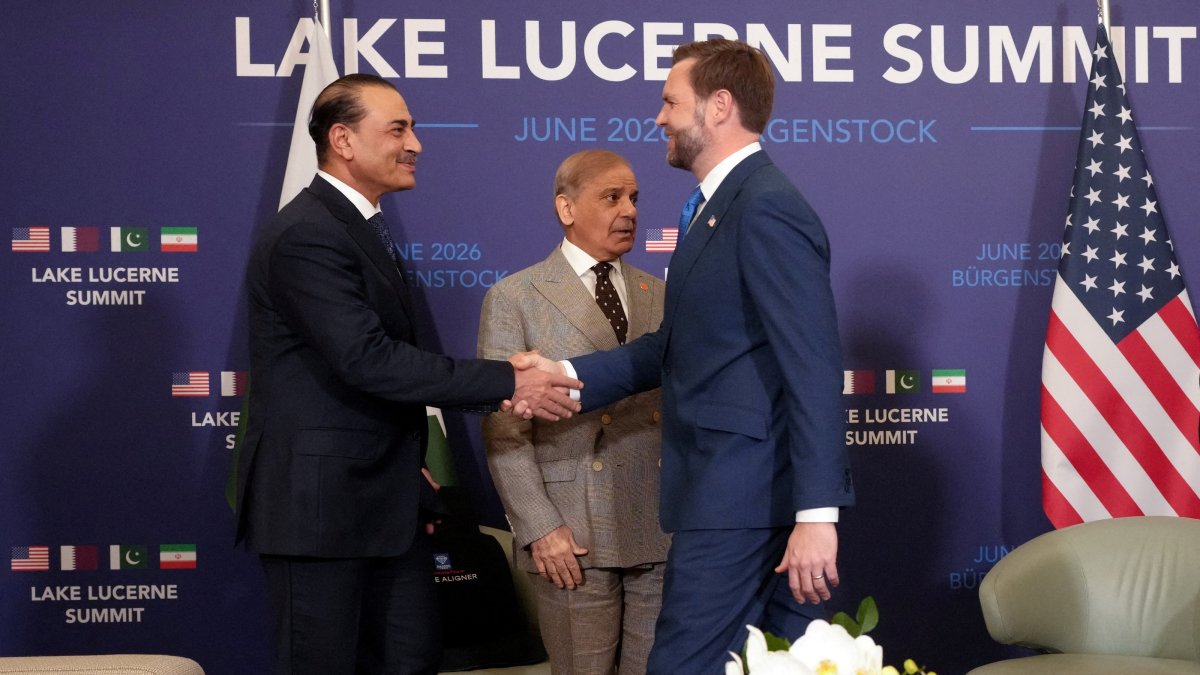
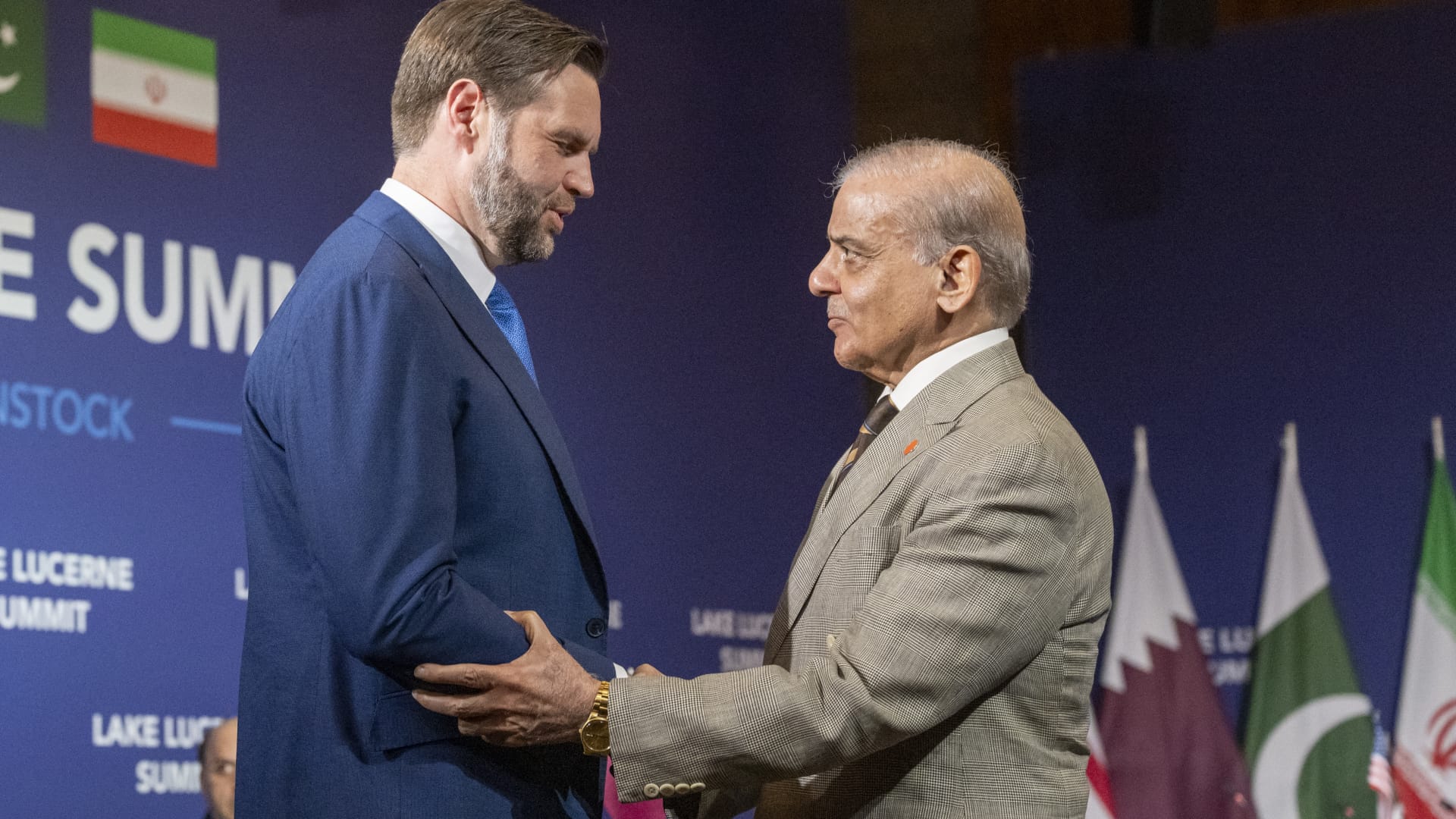
Pakistan's role in mediating between the United States and Iran is attracting global attention as senior Pakistani leaders claim the emerging agreement could have major consequences for Israel. Defense Minister Khawaja Asif argued that a successful U.S.-Iran deal would represent a significant diplomatic setback for Prime Minister Benjamin Netanyahu and could reshape the balance of power in the Middle East. Islamabad has also highlighted Iran’s growing influence in regional security arrangements, particularly in Lebanon. As negotiations continue, Pakistan is presenting itself as a key diplomatic player in efforts to reduce tensions and prevent a wider regional conflict.
Confronto fonti
6 prospettive sulla stessa storiaTimeline cronologica
- ·
dw.com
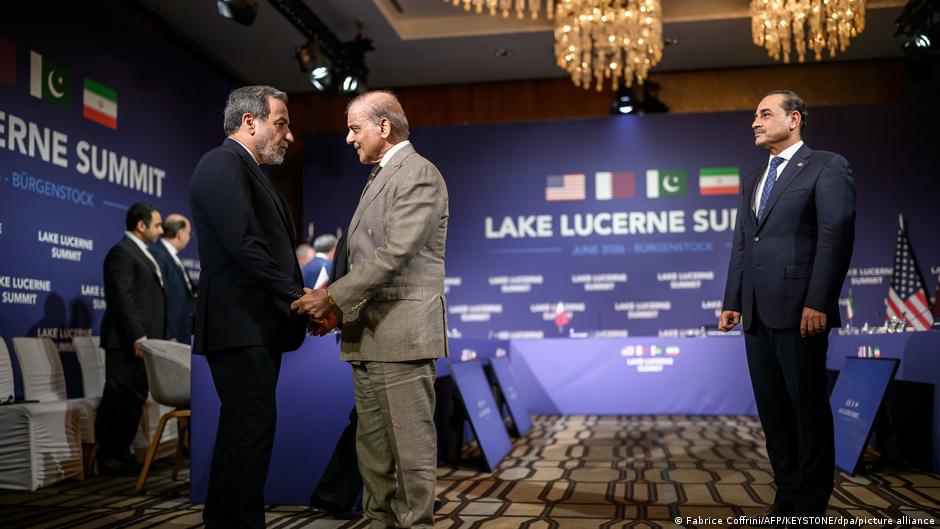
US-Iran deal: Pakistan's diplomatic masterstroke?
By stepping in as mediator in the Iran war, Pakistan has managed to elevate its status from a regional player to a global diplomatic stakeholder — with a little help from China…
- ·
middleeasteye.net
Pakistan defence minister says Iran-US deal marks 'political demise of Netanyahu'
Pakistan's defence minister Khawaja Muhammad Asif has described the emerging agreement between Iran and the United States as a significant setback for Israel, arguing that its…