WSJ found Polymarket creators displayed nearly $900,000 in fabricated winnings, were paid 2-$3,000 a month and told not to disclose it.

Polymaket paid people to post videos of them winning $900k, but in reality they would have lost $166k.

Many of those videos were reportedly filmed on “near-perfect copies” of the Polymarket website, while featuring trades and winnings that were not real.

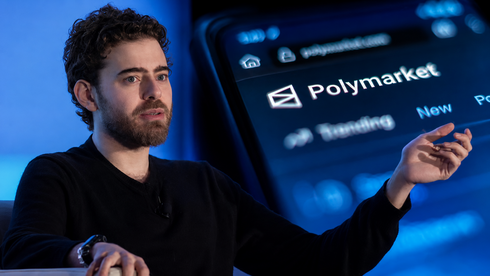
The Journal reviewed more than 1,100 videos and found none of the roughly $1.9 million in bets shown in influencer-produced hype videos were real.

Investigation says the crypto prediction platform used paid young creators, replica websites and online commenters to make staged profits look authentic, raising new questions…

Das Wall Street Journal hat herausgefunden, dass Influencer-Werbung für Polymarket offenbar gefälschte Wetten zeigt. Getätigt wurden sie auf falschen Websites.

Polymarket allegedly paid creators to produce misleading videos showcasing fake bets and winnings, amplified by a social-media campaign orchestrated by a marketing contractor.

A Wall Street Journal probe found none of the roughly $1.9 million in bets shown across 1,100-plus creator videos were real.

La controversia social media Polymarket solleva interrogativi su pratiche ingannevoli per attirare utenti negli Stati Uniti. Scopri di più!

WSJ found Polymarket creators displayed nearly $900,000 in fabricated winnings, were paid 2-$3,000 a month and told not to disclose it.

A Wall Street Journal investigation found roughly $1.9 million in bets shown across more than 1,100 creator videos promoting Polymarket were not real, part of a paid influencer…