WARPTECHNEWS · LAB
HomeAIBusinessTechArchive
WARPTECH LAB NEWS

Warptech Lab News aggrega le notizie più rilevanti da oltre 700 fonti internazionali, con classificazione AI, TL;DR sintetici e timeline cluster su singole storie.

Navigazione

  • Home
  • Archivio
  • Editor's Brief
  • Cerca
  • Il tuo account
  • Newsletter tech/AI

Informazioni legali

  • Privacy Policy
  • Termini di servizio
  • Cookie Policy

© 2026 Sparktech S.R.L. — Tutti i diritti riservati. Sito gestito e manutenuto da Sparktech S.R.L.

Sede legale: Corso Libertà 55, 13100 Vercelli (VC), Italia · P.IVA / C.F. 02835910023 · Contatti: admin@warptechlab.com

Home
Storia in 6 fonti

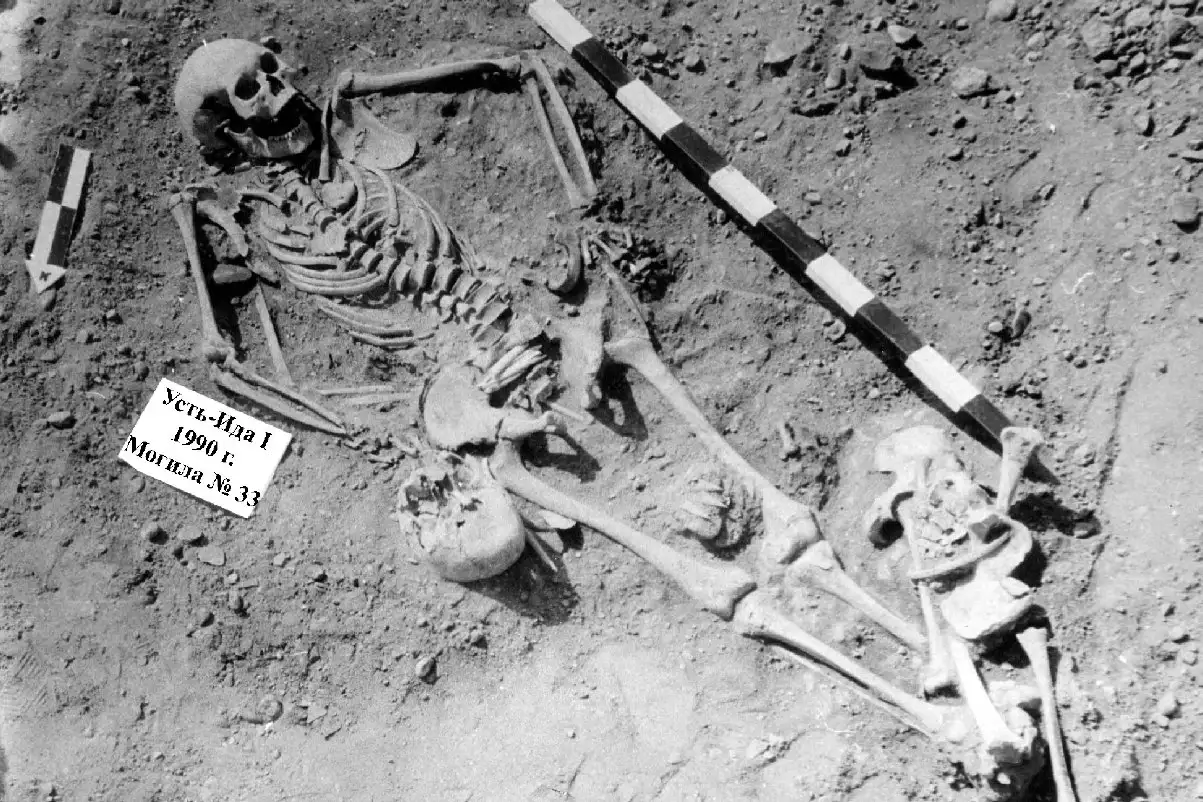
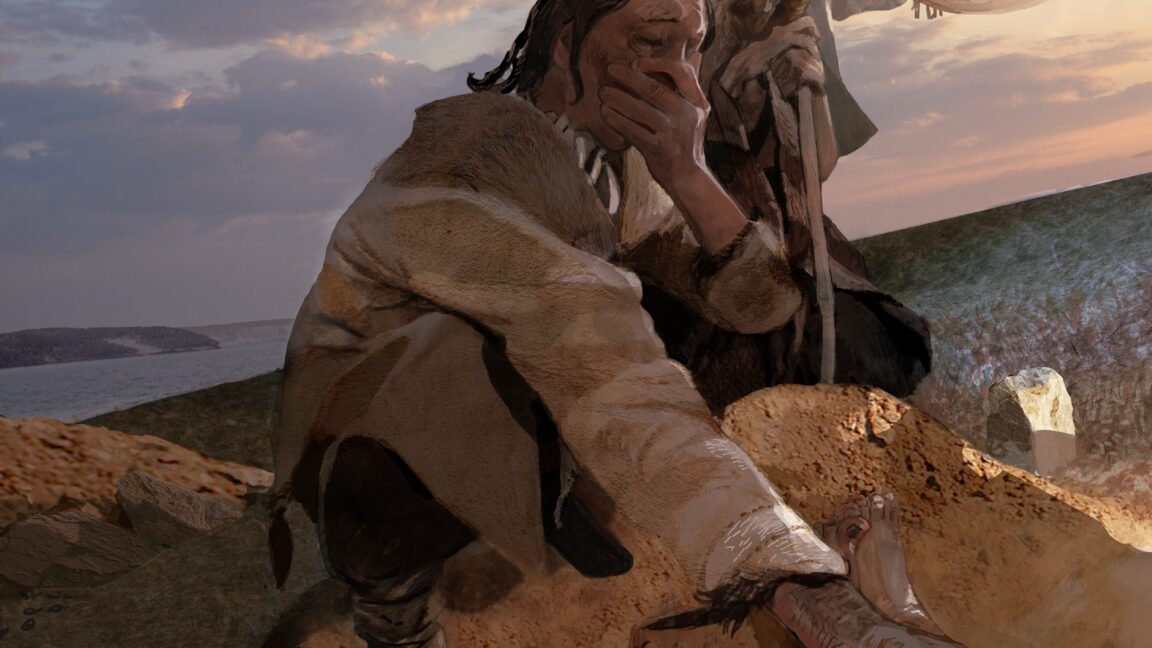
Hunter-gatherers in Siberia died of a plague outbreak 5,500 years ago

We can't blame the Neolithic Transition for the plague anymore.

Raccontata danbcnews.comnewscientist.comcnn.comiol.co.zaarstechnica.combdnews24.com

Confronto fonti

6 prospettive sulla stessa storia
AI · summaries
arstechnica.comStai leggendo11 h fa

Hunter-gatherers in Siberia died of a plague outbreak 5,500 years ago

We can't blame the Neolithic Transition for the plague anymore.

originale
cnn.com

Timeline cronologica

  1. mercoledì 17 giugno 2026·nbcnews.com

    Oldest evidence of a plague outbreak found in prehistoric graves, rewriting the disease’s history

    A new study suggests an ancient version of plague most likely spread among family members in hunter-gatherer groups, with children thought to have been particularly vulnerable.

  2. mercoledì 17 giugno 2026·newscientist.com

    Oldest known plague outbreak killed hunter-gatherer children

    DNA evidence shows that plague bacteria devastated a community in Siberia more than 5000 years ago, challenging the idea that there were no major disease outbreaks before the…
1 g fa

Hunter-gatherer cemeteries reveal an ancient plague’s earliest known victims | CNN

Hunter-gatherer communities, especially young children, were hit hard by an early strain of plague 5,500 years ago.

Leggi questa versione → originale
bdnews24.com8 h fa

Oldest-known plague outbreak came 5,500 years ago in Siberia

Researchers say the outbreak was especially deadly for the young due to genetic traits in the strain

Leggi questa versione → originale
nbcnews.com1 g fa

Oldest evidence of a plague outbreak found in prehistoric graves, rewriting the disease’s history

A new study suggests an ancient version of plague most likely spread among family members in hunter-gatherer groups, with children thought to have been particularly vulnerable.

Leggi questa versione → originale
newscientist.com1 g fa

Oldest known plague outbreak killed hunter-gatherer children

DNA evidence shows that plague bacteria devastated a community in Siberia more than 5000 years ago, challenging the idea that there were no major disease outbreaks before the advent of farming and large settlements

Leggi questa versione → originale
iol.co.za16 h fa

An ancient cemetery reveals the earliest known plague outbreaks

New research from a prehistoric cemetery near Lake Baikal reveals disturbing evidence that the plague has affected humanity far longer than previously thought, challenging romanticised notions of ancient lifestyles and…

Leggi questa versione → originale
  • giovedì 18 giugno 2026·cnn.com

    Hunter-gatherer cemeteries reveal an ancient plague’s earliest known victims | CNN

    Hunter-gatherer communities, especially young children, were hit hard by an early strain of plague 5,500 years ago.

  • giovedì 18 giugno 2026·iol.co.za

    An ancient cemetery reveals the earliest known plague outbreaks

    New research from a prehistoric cemetery near Lake Baikal reveals disturbing evidence that the plague has affected humanity far longer than previously thought, challenging…

  • giovedì 18 giugno 2026·arstechnica.com

    Hunter-gatherers in Siberia died of a plague outbreak 5,500 years ago

    We can't blame the Neolithic Transition for the plague anymore.

  • giovedì 18 giugno 2026·bdnews24.com

    Oldest-known plague outbreak came 5,500 years ago in Siberia

    Researchers say the outbreak was especially deadly for the young due to genetic traits in the strain